
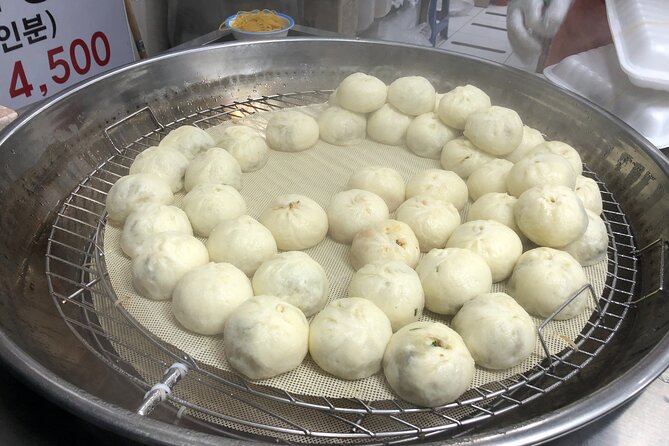
Reviewed · KOREAN FOOD & STREET FOOD TOURS
Mangwon Market Food tour By Locals; Cheap Eats to Fancy Feast
Mangwon Market is not only a place for cheap snacks. On this evening walk, Jay or Sam takes you from familiar market bites such as tteokbokki and gimbap to more polished treats, including Hanwoo beef and dressed-up tofu. The final stop is fried chicken, served near the Han River when weather permits.
I like two things here: the guides work in food and drink, and the group is limited to eight people. That gives you room to ask questions and try foods you might skip on your own. The main drawback is the firm dietary limit: vegan, kosher, and halal requests cannot be handled, and children under 15 are not accepted.
Key points at a glance
- Second-generation market vendors: Mangwon’s long-running stalls have been joined by newer, more polished versions of familiar Korean foods.
- A broad Korean food sampler: Expect street food, drinks, Hanwoo beef, tofu, and Korean fried chicken rather than one narrow food theme.
- Jay and Sam as food-focused hosts: Both work in the food and beverage business and live in the area.
- A small evening group: The maximum is eight people, making conversation and questions easier.
- Han River finish: The fried chicken stop moves to Mangwon Hangang Park if the weather is suitable.
- A full meal in 2½ hours: Come hungry, since the food is substantial enough to replace dinner for many people.
Why Mangwon Market makes a good food-tour setting
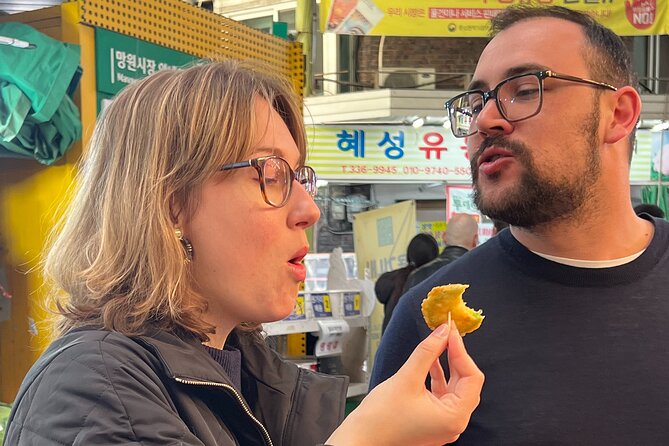
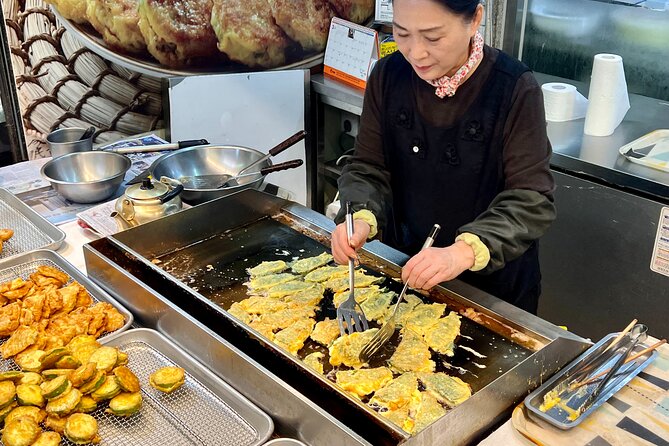
Mangwon Market gives you a useful look at Seoul food beyond the polished restaurant district. It is a working neighborhood market, but its stalls are not limited to bargain snacks. Many vendors are second-generation operators, and the food reflects that mix of inherited methods and newer ambition.
That matters because you get two views of Korean eating in one walk. One bite may be an everyday market classic. The next may use a more expensive ingredient or a more refined presentation. You are not simply checking famous dishes off a list. You are seeing how familiar foods change as tastes, budgets, and cooking styles shift.
I also like that the guides focus on ingredients and food stories. Jay and Sam are not presented as general sightseeing guides who happen to pass through a market. They work in food and drink and spend much of their time thinking and talking about what people eat. That focus should suit you if you want explanations along with your meal.
The meeting point is at 377-20 Mangwon-dong, Mapo-gu, with a 5:00 pm start. The area is near public transportation, so you do not need to make a special cross-city expedition just to reach it. The tour returns to the same meeting point at the end.
More eating your way around Seoul:
- Seoul: Gyeongbok Palace, Bukchon Village, and Gwangjang Tour
★ 4.9 · 2,321 reviews - Seoul Street Food Market Tour
★ 5.0 · 1,226 reviews - Seoul: Gyeongbok Palace, Bukchon Village, and Gwangjang Tour
★ 5.0 · 1,044 reviews
The first 80 minutes: market classics and pricier bites
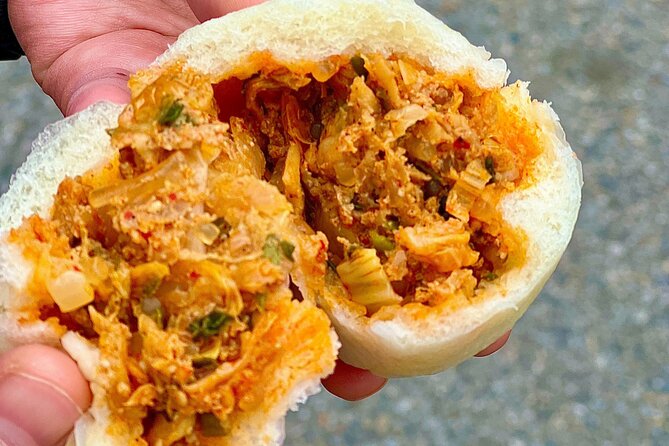
The Mangwon Market portion lasts about 1 hour and 20 minutes. The plan is to eat a series of hand-picked foods from stalls that have served the neighborhood for years, then add some more luxurious tastes.
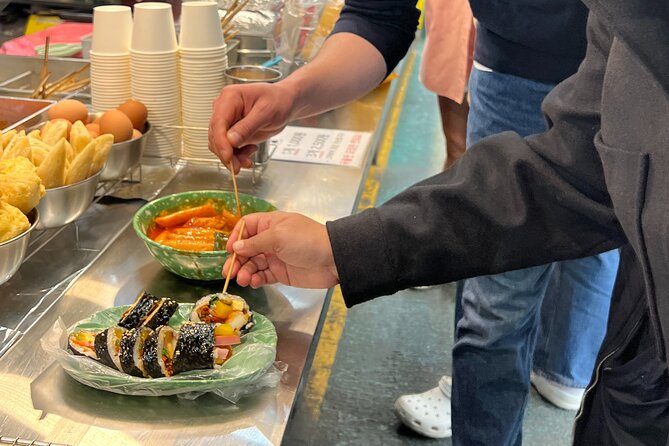
The exact food order can vary, but the experience includes familiar Korean street-food territory. Tteokbokki gives you chewy rice cakes in a spicy sauce, while gimbap offers a more portable, balanced bite. These are useful dishes to try with a guide because the market setting can make the choices feel less obvious than they look in a restaurant.
You may also encounter other market foods selected by the guide. The point is variety. One of the tour’s strengths is that you are not asked to commit to a full serving of one unfamiliar dish. You get a sequence of tastes and can ask what an ingredient is, how it is usually eaten, or why a particular stall matters locally.
The tour also makes room for foods that do not fit the old idea of a market as a place for only inexpensive snacks. Hanwoo beef is the clearest example. Hanwoo is Korean beef, and including it gives the meal a luxury note that you would not expect from a standard street-food walk. It also helps explain the tour’s cheap-eats-to-fancy-feast idea without turning the whole evening into a restaurant crawl.
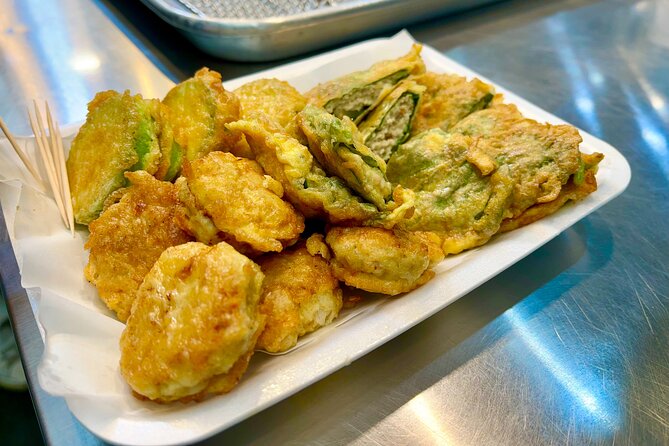
Tofu gets similar treatment. The description points to old-school tofu receiving a gourmet makeover, so you may see a familiar staple presented with more care or paired with more ambitious flavors. I would not book this expecting a fixed tasting menu with every item listed in advance. The value comes from the guide’s selection and the contrast between ordinary market food and special treats.
One practical tip: arrive ready to eat. Several people who took the tour found the portions and number of samples enough to leave them very full. This is not the right evening for a large meal immediately before the 5:00 pm meeting time.
What Jay and Sam add to the food
The guide is a major part of this experience. Jay is the guide most often identified in the available comments, and she is described as warm, funny, patient, and eager to explain Korean food, language, and customs. Sam is the other named host, and both guides work in the food and beverage field.
That background changes the tone of the walk. You can expect more than names and translations. The guides aim to explain where foods come from, how they fit Korean life, and why a dish or ingredient is worth trying. If you are curious about unfamiliar textures, sauces, drinks, or cooking habits, this is the place to ask.
One especially useful detail is the stop for drinks. A past group began at a grocery store so Jay could recommend beverages, including barley tea with scorched rice. That kind of suggestion is easy to miss if you are shopping alone, yet it can be one of the most memorable parts of learning how people drink at home.
The small group size helps here. With no more than eight participants, you are less likely to be left at the edge of a crowded stall or lose the chance to ask a question. It also makes sharing food and talking with the guide more natural. The tradeoff is that the tour depends on the personality and food choices of the guide on your date. You are buying a guided tasting, not a rigid list of guaranteed dishes.
Korean fried chicken and the Han River
After the market, the route moves to Mangwon Hangang Park for about 40 minutes. The stated plan is to try the guide’s favorite Korean fried chicken restaurant, with the park setting used if the weather is nice.
This is a smart ending. Fried chicken gives the tour a clear final course, and a restaurant stop lets the group sit, eat, and talk after the market walk. The available comments describe this as a chance for the group to mingle, so the last stop is not just another rushed bite at a stall.
The park setting is weather dependent. On a pleasant evening, eating near the Han River adds a change of pace after the tighter market streets. If the weather is poor, you should not assume that the outdoor portion will happen. The experience requires good weather, and a cancellation caused by bad conditions leads to a different date or a full refund.
The park is not a guaranteed sightseeing session with a long riverside walk. You have about 40 minutes for this part, and the main purpose is the chicken and shared meal. Think of it as a relaxed finish rather than a major city view stop.
A few more things to do in Seoul worth a look
- Seoul: Night Market Food Tour with Local Guide
★ 4.9 · 943 reviews - Downtown Seoul Guided Food & Market Tour with 8+ Local Tastings
★ 5.0 · 580 reviews - Seoul Night Palace & Market Food Tour with Vehicle
★ 5.0 · 275 reviews - Seoul Fun Food Tour: 12 different food tastings
★ 5.0 · 266 reviews
Is $50.90 a fair price?
At $50.90 per person, this is more expensive than simply grazing through Mangwon Market by yourself. If you are comfortable pointing at food, using translation tools, and making your own choices, a self-guided visit will cost less.
The tour earns its price through the range of food and the guidance. Your fee covers a planned progression from market staples to higher-priced ingredients and then fried chicken. It also pays for the time spent explaining what you are eating and how it relates to Korean food culture. For a first visit to Seoul, that can prevent a lot of guesswork and food-ordering anxiety.
The group limit matters too. A maximum of eight people is small enough for personal attention, but it is not a private tour. If you want a fully personal route, private tours are available by message, though no private-tour price is provided here.
I consider the value strongest for someone who wants a generous food introduction in one evening. It is less compelling if you already know Mangwon Market well or prefer to choose every dish yourself. The tour is built around shared discovery, not bargain hunting alone.
Who should book, and who should skip it?
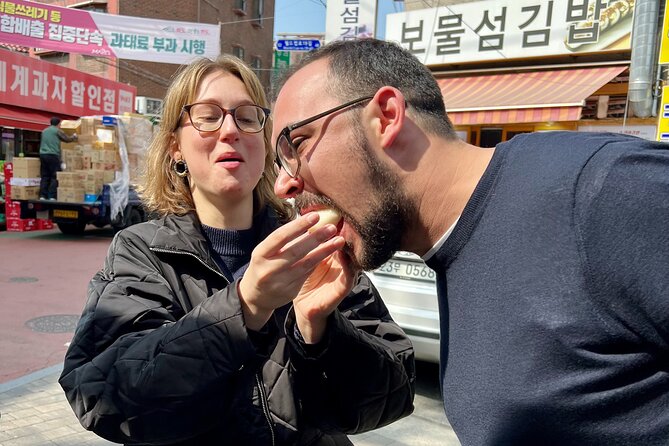
I would point this tour toward adults and older teens who enjoy trying several foods in one sitting. It is also a good fit if you want food to explain Korean culture, not just fill your stomach. First-time visitors can use the guide’s suggestions to move beyond the most obvious dishes, while repeat visitors may appreciate the focus on a local neighborhood and newer market food.
It suits you especially well if you:
- Want a small-group food walk rather than a large bus excursion
- Like both inexpensive street food and premium ingredients
- Enjoy asking questions about food traditions and daily life
- Prefer an evening activity that can replace dinner
- Want Korean fried chicken included in the same outing
- Appreciate a guide who works in the food and beverage industry
You should skip it if you need a vegan, kosher, or halal meal plan. Those options are not possible. Children under 15 are also not accepted, so this is not a family activity for younger children.
Be ready to walk through a market and eat foods selected by someone else. The available information does not give a complete dish-by-dish menu, so you should not book if you need every item confirmed in advance. The tour is also weather sensitive, particularly because of the possible Han River ending.
Timing, group size, and booking cautions
The activity lasts about 2 hours and 30 minutes, beginning at 5:00 pm. That timing works well for dinner, and it gives you an evening finish rather than using the middle of your sightseeing day.
Confirmation arrives when you book, and mobile tickets are accepted. The meeting point is near public transportation, and most people can take part. The group maximum is eight, which is worth noting if you dislike large tours.
The tour is usually booked around 11 days ahead, so I would not leave it until the last minute if your Seoul schedule is fixed. The experience is non-refundable and cannot be changed after booking for personal reasons. If the minimum number of participants is not reached, you can choose another date or experience, or receive a full refund.
Should you book Mangwon Market Food Tour?
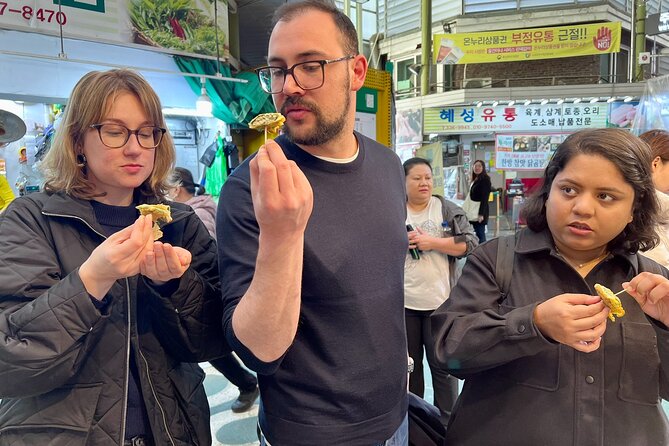
Book it if you want a guided evening meal that moves from tteokbokki and gimbap to Hanwoo beef, tofu, drinks, and fried chicken. The strongest reasons are the food-focused hosts, the small group, and the chance to see how a neighborhood market mixes humble staples with more polished treats.
Skip it if dietary restrictions rule out the menu, if you are traveling with children under 15, or if you want a completely predictable tasting list. For everyone else, $50.90 buys more than snacks. It buys context, local guidance, and a generous introduction to Mangwon’s food scene, with a possible Han River finish.
FAQ
Where does the Mangwon Market food tour start?
It starts at 377-20 Mangwon-dong, Mapo-gu, Seoul, South Korea.
What time does the tour begin?
The tour starts at 5:00 pm.
How long does the experience last?
It lasts approximately 2 hours and 30 minutes.
Where does the tour end?
The activity ends back at the meeting point.
How many people can join the tour?
The maximum group size is eight travelers.
Is the tour suitable for children?
No. Children under 15 years old are not accepted.
Can the tour provide vegan, kosher, or halal food?
No. Vegan, kosher, and halal options are not possible on this experience.
What happens if bad weather cancels the tour?
If poor weather causes a cancellation, you will be offered a different date or a full refund.
More Shopping Tours in Seoul
- Private DMZ Tour (No Shopping): 3rd Tunnel & Suspension Bridge
★ 5.0 · 607 reviews - Seoul: Nighttime Tour of Palace, Market, Naksan Park & More
★ 4.9 · 143 reviews - Fortress Night Hike & Snack at a Local Market
★ 5.0 · 112 reviews - Korean Cooking Class with Grocery Shopping at Seoul Local Market
★ 5.0 · 107 reviews
More Market Tours in Seoul
- Local Home Korean Cooking Class & Market Adventure in Seoul
★ 5.0 · 1,024 reviews - Seoul: Korean Cooking Class at a Local Home and Market Tour
★ 5.0 · 348 reviews - Cook 3 Authentic Korean Dishes with Local Market Tour
★ 5.0 · 231 reviews - Korean Palace and Market Tour in Seoul Including Insadong and Gyeongbokgung Palace
★ 4.0 · 174 reviews
Just added in Seoul
- Your Personal Seoul Photographer!★ 4.1 · 15 reviews
- Seoul: Korean & English Language Exchange Global Party★ 5.0 · 28 reviews
- You’re Invited to Our Home in Seoul: The Only Cooking Class!★ 5.0 · 8 reviews
- From Seoul: Yongpyong Ski Day Tour with Transportation★ 4.9 · 40 reviews
- From Seoul: Hwacheon Ice Fishing and Lighting Festival Tour★ 4.5 · 4 reviews
- Unique Native Experience : Han River Picnic, Board game, BBQ★ 5.0 · 3 reviews
- Seoul: Gangneung BTS K-Pop & K-Drama Filming Locations Tour★ 4.6 · 14 reviews
- K-Pop Making Class with a Producer!★ 5.0 · 3 reviews
Korean Food & Street Food Tours, compared.
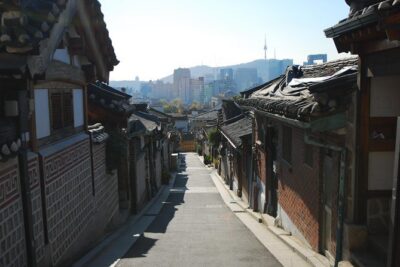
Gyeongbok Palace, Bukchon Village, and Gwangjang Tour
Read our review →
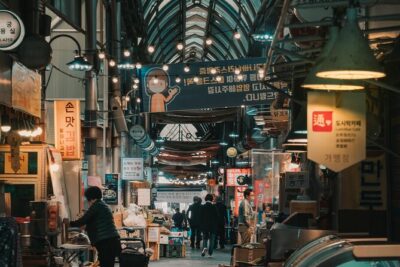
Seoul Night Palace & Market Food Tour with Vehicle
Read our review →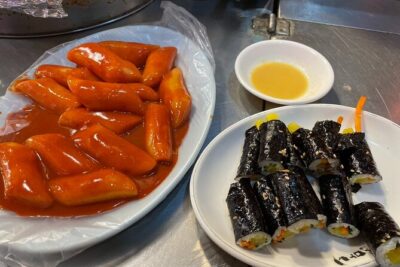
Seoul Fun Food Tour: 12 different food tastings
Read our review →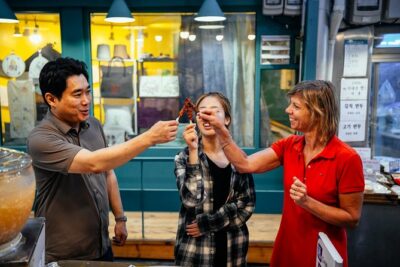
The Award-Winning PRIVATE Food Tour of Seoul: The 10 Tastings
Read our review →
Seoul Night Tour (Gwangjang Market, Royal Palace and Naksan Park)
Read our review →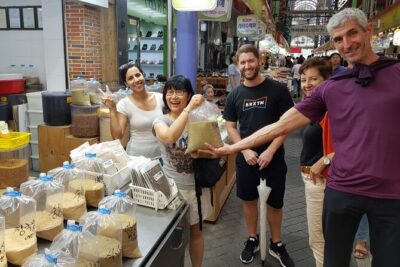
Busan history and market food tour with local chef
Read our review →Browse the lists this tour appears in