
Reviewed · UNESCO WORLD HERITAGE TOURS
Seoul: Ganghwa Island UNESCO World Heritage Private Tour
Ganghwa Island packs an astonishing amount into one day: UNESCO-listed dolmens, royal exile sites, old fortresses, temples, and a view toward North Korea. The Peace Observatory gives the trip a serious edge, while Dongmak Beach and Joyang Bangjik add a welcome change of pace. I especially like the private format, which lets you spend more time at the places that catch your eye, and the chance to see a side of Korea that most Seoul itineraries skip.
I also like having an English-speaking guide who can connect the sites instead of leaving you to read disconnected signs. Guides named Peter and Charlie have led this tour, and Peter is praised for careful historical explanations, photo stops, and restaurant advice. The main drawback is the long day and the extra cost of lunch. Weekend traffic can also eat into your sightseeing time.
Key points to know before booking
- North Korea views at the Peace Observatory: Learn why Ganghwa has long been a sensitive border location.
- A genuine UNESCO stop: The Ganghwa dolmen site offers a clear look at Korea’s ancient megalithic culture.
- A flexible private route: Your group can shape the day around fortresses, temples, palaces, crafts, beaches, or cafes.
- A guide makes the difference: Peter and Charlie are among the guides associated with the experience, with English tours available.
- A full 10-hour outing: Hotel pickup, transport, tolls, and drop-off are included, but lunch is not.
- Good for a Seoul return visitor: This is a strong choice if you want history and countryside beyond the capital.
Why Ganghwa Island makes a strong Seoul day trip
Ganghwa Island sits in Gyeonggi Province, roughly an hour from Seoul in normal conditions. The trip is not simply a scenic drive to a beach. Ganghwa has served as a defensive gateway, a royal refuge, a farming and craft center, and a place shaped by its proximity to the North Korean border.
That mix gives the day unusual variety. You can look across the water toward the North at the Peace Observatory, then stand beside stones raised thousands of years ago. Later, you might walk through a fortress, sit in a former royal residence, visit an old church, and finish near the sea.
I like this kind of day because the sites answer different questions. The observatory explains modern Korea. The dolmens reach back to prehistoric society. The palaces and fortifications show how rulers and soldiers dealt with danger. Jeondeungsa Temple and the Anglican Church add religious history, while Hwamunseok brings in traditional craft.
The private setup matters here. Ganghwa’s attractions are spread out, so a fixed public route may not match your interests. With your own guide and vehicle, you can ask for more time at a fortress, shorten a museum stop, or give priority to the temple and beach.
Other listed sites within reach of Seoul:
- Day Trip to UNESCO: Suwon Fortress Adventure from Seoul
★ 5.0 · 56 reviews - DMZ Tour, 2nd Tunnel & UNESCO Suspension Bridge Tour from Seoul
★ 5.0 · 48 reviews - From Seoul: 5-Day Tour of Korea with UNESCO Sites
★ 4.8 · 22 reviews
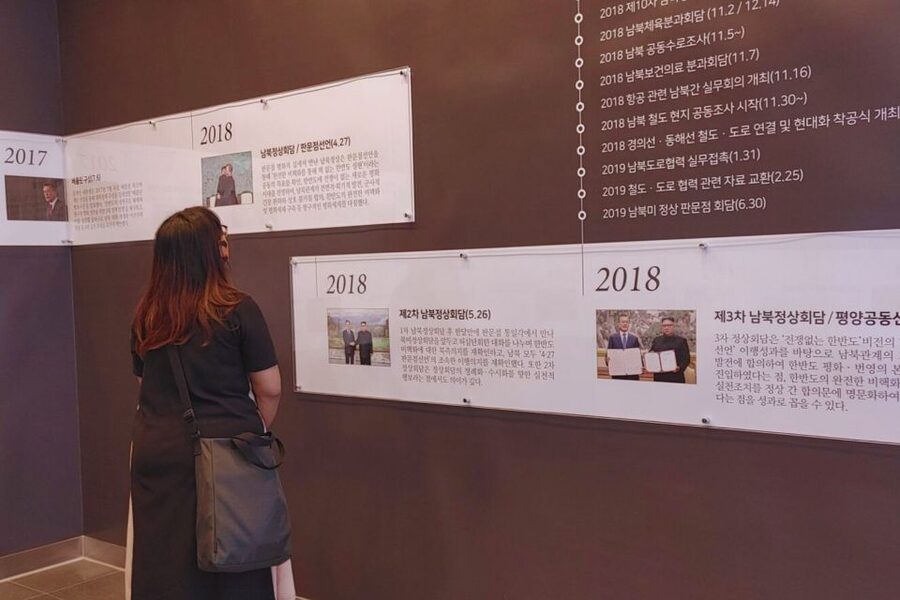
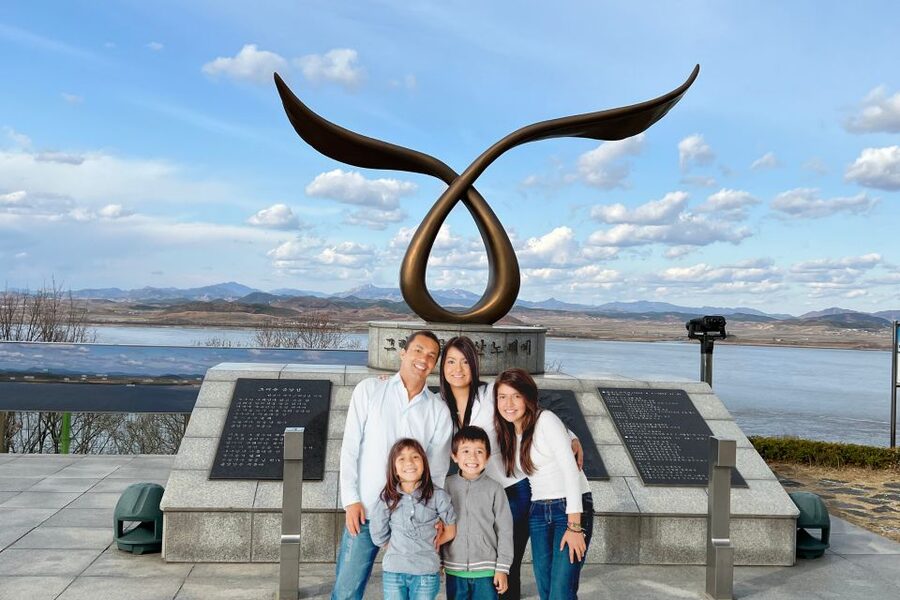
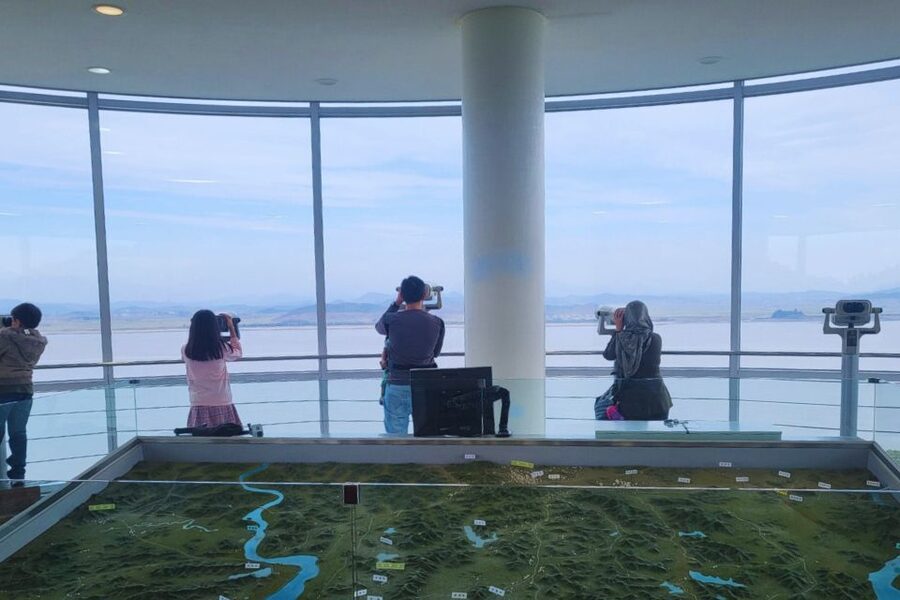
Starting at the Ganghwa Peace Observatory
The Peace Observatory is usually the most thought-provoking first stop. The guided visit lasts about 45 minutes, giving you time to take in the view and understand why Ganghwa has such strategic importance.
This is not just a lookout with a nice view. Ganghwa lies close to North Korea, and the water between the island and the northern shore makes the border feel more immediate than it can in central Seoul. The tour also covers how South Koreans remember family members and ancestors whose graves are now across the border, a detail that gives the visit a human weight.
Bring patience and realistic expectations. Visibility can change with weather, and the point of the stop is as much the historical setting as the view itself. Your guide can help explain what you are seeing, which is useful because the border area is not always easy to read from a distance.
The observatory also sets the tone for the rest of the day. Ganghwa is pretty, but it is not merely a quiet island escape. Its location has shaped its identity for centuries.
Standing beside Ganghwa’s ancient dolmens
The Ganghwa dolmen site takes about 30 minutes. That may sound brief, but it is enough to see the main monument and get a sense of the scale and construction of these ancient stone structures.
The dolmens are part of the UNESCO World Heritage listing for the dolmen sites of Korea. Large capstones rest on upright stones, forming burial monuments built by prehistoric communities. You do not need to be an archaeology fan to appreciate the basic fact: people moved and raised enormous pieces of stone without modern machinery.
This stop works best when your guide explains the wider setting. The stones are not random rocks or old walls. They reflect burial customs, social organization, and the ability of early communities to coordinate demanding work.
The visit is short and outdoors, so comfortable shoes help. It is also one of the few stops where you should not expect a long walk or a broad collection of indoor exhibits. Think of it as a focused UNESCO visit, not a full museum morning.
Lunch with one important catch
Lunch is scheduled for about an hour at a local restaurant, but the meal costs extra. Your guide recommends a place, and the choices may be limited because the route is built around Ganghwa’s attractions rather than a large restaurant district.
This is worth planning for. If you have dietary restrictions, bring food or tell the operator in advance, though the provided information specifically advises bringing your own lunch when needed. One meal described by a past customer included fish in a traditional restaurant, but you should not assume that exact menu will be available on your date.
The lunch stop is part of the appeal of a private day, since you are not locked into a large group’s eating schedule. Still, do not mistake it for an included culinary tour. Budget separately for food and drinks, and carry a snack in case the timing shifts because of traffic or a long visit.
A few more things to do in Seoul worth a look
- Seoul: Evening Dark History, Folklore & Ghost Story Walking Tour
★ 5.0 · 593 reviews - Hanbok Photoshoot and History Tour at Gyeongbokgung Palace
★ 5.0 · 276 reviews - From Seoul: Dae Jang Geum Park Historic K-Drama Set Tour
★ 4.9 · 143 reviews - Seoul: City Highlights and Historical Experience No Shopping
★ 5.0 · 74 reviews
Four and a half hours among Ganghwa’s historic sites
The main Ganghwa Island portion lasts around four and a half hours and combines guided sightseeing with walking. The exact order can shift, especially because the day includes several possible stops. That flexibility is useful, but it also means you may not have time for every attraction on the recommended list.
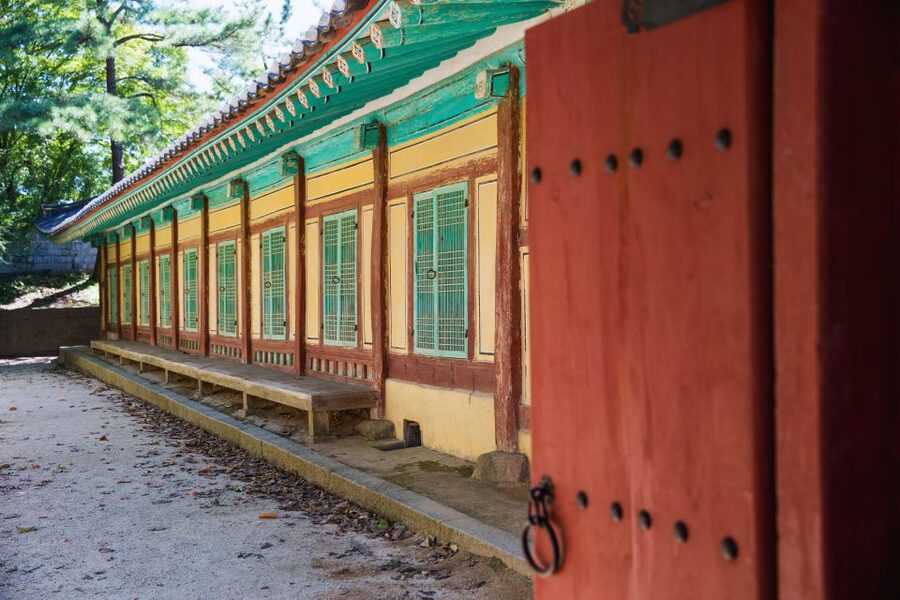
Goryeo-gung Palace Site and Yongheung-gung Palace
The Goryeo-gung Palace Site connects Ganghwa with the Goryeo dynasty. Ganghwa became a place of refuge during a period of conflict, and the palace site helps explain the island’s role as a temporary seat of royal power.
Do not arrive expecting a fully rebuilt palace complex. The value is in the setting and the story. Your guide turns what may look like a quiet historic site into evidence of how rulers responded when the mainland was under threat.
Yongheung-gung Palace offers another look at royal life, but on a smaller scale. It was the home in exile of a future king, a detail that gives the stop an intimate feel. I find this contrast useful: one site speaks to government and crisis, while the other hints at personal life away from the capital.
Ganghwa Anglican Church
Ganghwa Anglican Church adds a different layer to the day. Its presence shows how foreign religious influence took root in Korea and became part of the island’s built heritage.
This stop is likely to appeal to you if you enjoy architecture and cultural change rather than only military ruins. It also breaks up the ancient and royal sites with a more recent chapter of Korean history.
Hwamunseok Culture Center
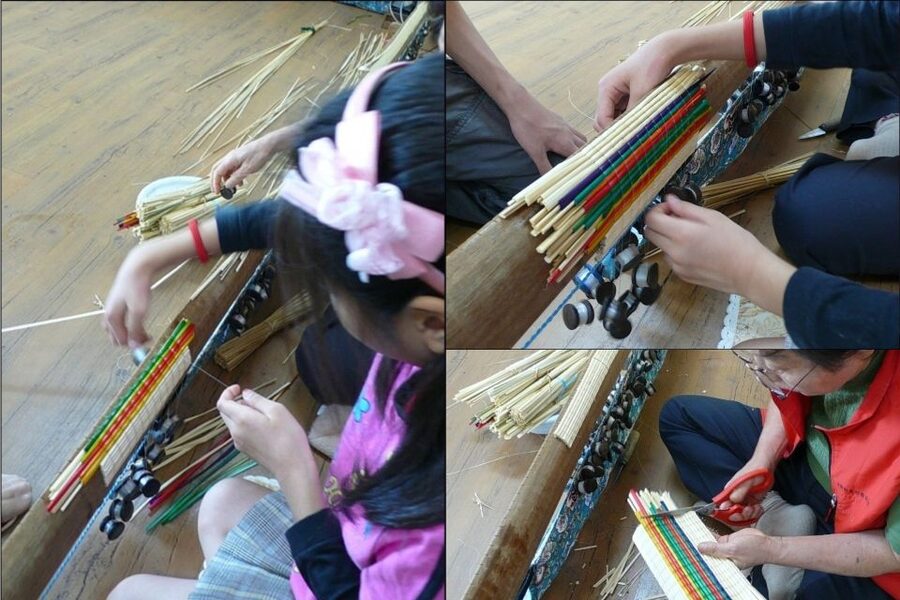
The Ganghwa Hwamunseok Culture Center focuses on the island’s traditional mat-making craft. Hwamunseok refers to mats made from sedge, a plant that can be woven into durable household goods.
The center gives the day a local, hands-on cultural angle. You are not only looking at palaces used by powerful people. You are also seeing a craft tied to ordinary work, skill, and regional identity. The stop is especially useful if you want something beyond the standard fortress-and-temple route.
The schedule lists the attraction as 강화도령화문석, while the English materials describe the Hwamunseok Culture Center. If you see both names during booking or navigation, they refer to the craft-focused stop in this tour plan.
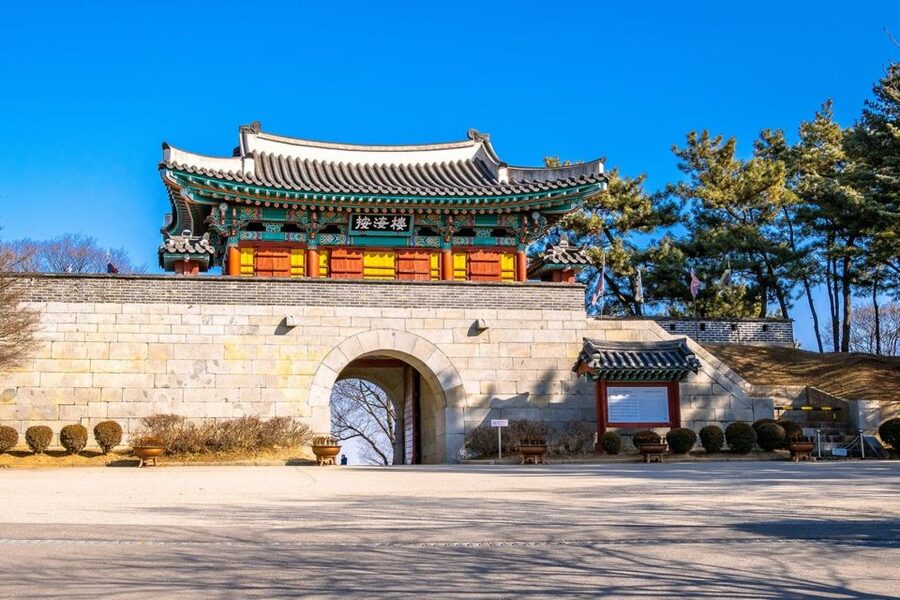
Walking the walls at Gwangseongbo Fortress
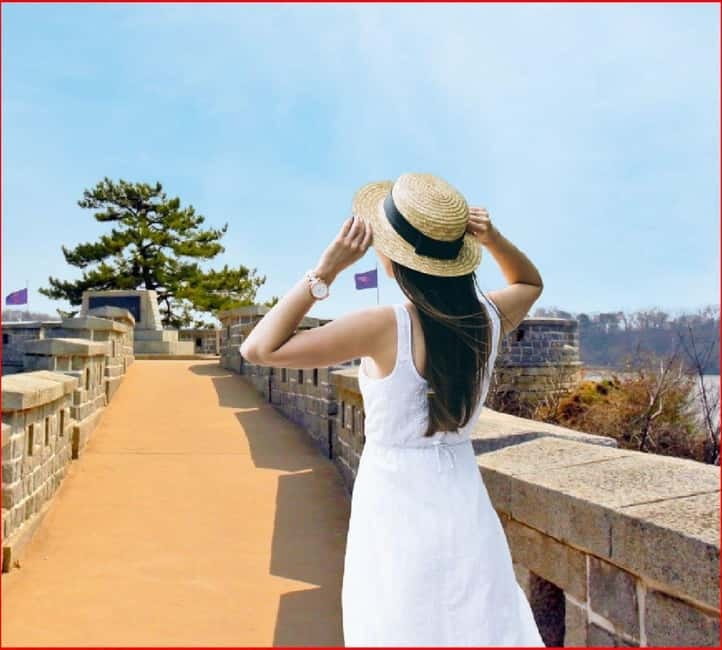
Gwangseongbo Fortress is one of the day’s strongest stops for views and atmosphere. The site sits by the water and shows how Ganghwa was defended against outside attacks.
Expect sightseeing and walking rather than a polished indoor attraction. The open setting lets you understand why this stretch of coast mattered. Fortifications make more sense when you can see the water routes they guarded.
Wear shoes with a secure sole. The tour includes several walking stops, and the combination of fortress paths, temple grounds, and outdoor historic sites can add up. If you prefer a slower pace, say so early. A private guide can usually adjust the amount of walking, although the day still covers a lot of ground.
The fortress is also a good photo stop. Past guests have appreciated the water views and the guide’s advice on where to take pictures. That kind of local timing can be more useful than simply being handed a list of landmarks.
Finding quiet at Jeondeungsa Temple

Jeondeungsa Temple brings a calmer mood after the military sites. Set among wooded surroundings, it is one of the places that makes the island feel far removed from Seoul.
The temple is a strong choice if you want Korean religious architecture and a little quiet time. Depending on the schedule, you might see a ceremony, but that is not guaranteed. Treat any ceremony as a bonus rather than a promised feature.
The grounds are best enjoyed at an unhurried pace. Look at the roof details, stone elements, and the way the buildings sit among the trees. Your guide can supply the history, while you take a few minutes to absorb the setting.
The day may finish here near sunset, depending on traffic and the order of stops. That can be beautiful, but it also shows the tradeoff of a packed private itinerary. If Jeondeungsa matters most to you, ask whether the guide can place it later in the day.
Joyang Bangjik and Ganghwa’s old textile character
Joyang Bangjik, also described as Joyang Textile, is one of the tour’s more unusual stops. It brings you into the island’s industrial and textile past, with a setting that also functions as a cafe.
This is a good pause after several formal historic sites. You can take in the atmosphere, have a drink if you wish, and see how an older textile identity has been given a new public life. The stop may appeal most to you if you like converted industrial spaces and local character rather than one more monument.
The cafe is not included in the tour price, and personal purchases are extra. Seaweed snacks sampled during the day may also be available to buy at the end. You are under no obligation to purchase them, so treat the tasting as an optional part of the experience rather than a sales requirement.
Ending at Dongmak Beach
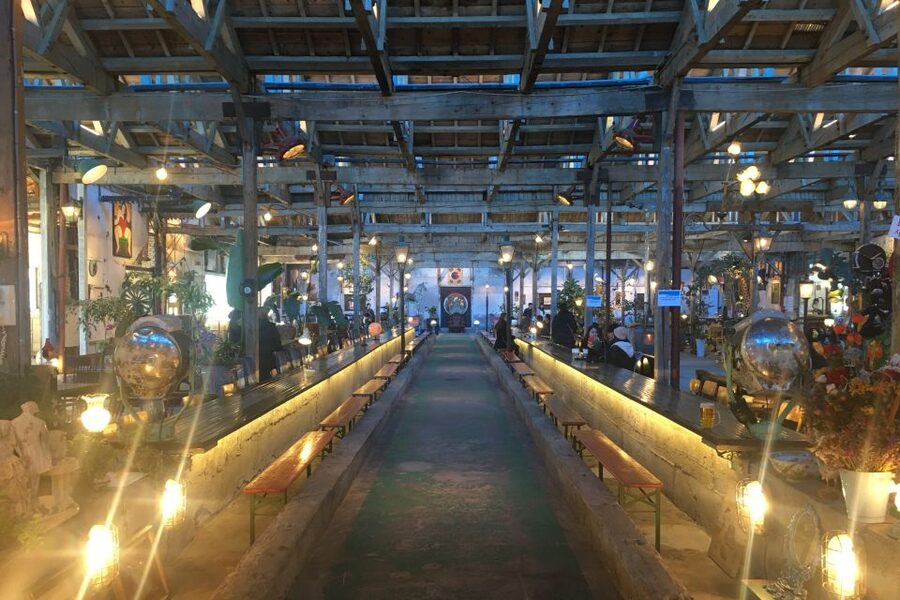
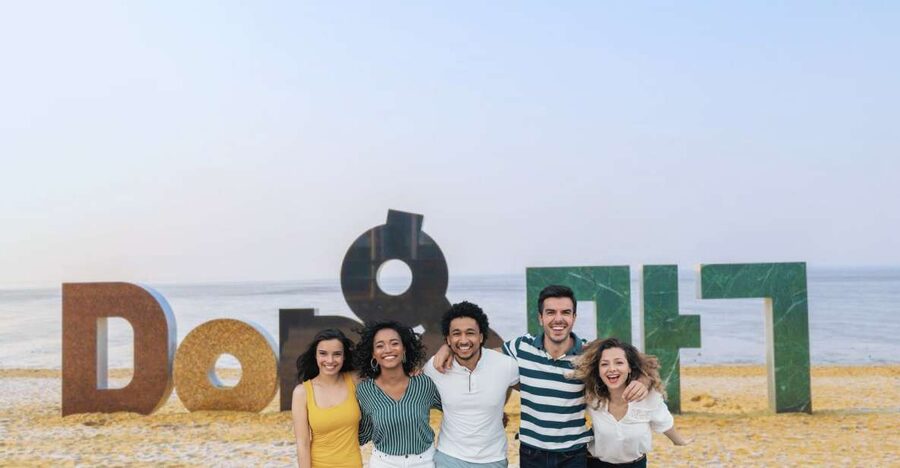
Dongmak Beach gives the day a final breath of open air. It is a coastal stop rather than a major historical monument, and that is exactly why it helps the itinerary.
After fortresses, palaces, and religious sites, the beach lets you slow down and see Ganghwa as an island. The shore is also a reminder that the region’s appeal is not only political or archaeological.
Do not book this tour solely for a classic swimming beach day. The stop is one piece of a much larger program, and the amount of time available can depend on traffic and earlier visits. I would treat Dongmak as a pleasant coastal finish, not the main event.
What $180 per person really buys
At $180 per person, this is not a budget excursion. The price makes more sense when you use the private format well. It covers round-trip air-conditioned transport, an English-speaking professional driver and guide, toll fees, and pickup and drop-off at your Seoul hotel.
For a couple or small group, the value lies in avoiding the work of connecting scattered Ganghwa sites by yourself. You also get a guide who can explain the border area, royal history, fortifications, and local craft in one day. The route would be harder to reproduce smoothly with public transport.
The value drops if you want a short, relaxed outing or plan to spend most of the day at one place. Ten hours is a serious commitment, and lunch, drinks, entrance costs if applicable, and personal spending are not included in the stated price.
Hotel pickup and drop-off must be within Seoul, at the same location. You should wait in the lobby 10 minutes before pickup. Weekend traffic and high passenger volume can lengthen the day, so a weekday booking is the safer choice if your schedule is tight.
The experience is wheelchair accessible, but the route includes walking at outdoor sites, fortresses, temples, and the beach. If you use a wheelchair, confirm the exact route and vehicle arrangements when booking.
Who will enjoy this private Ganghwa tour most
I would choose this tour if you want to see several sides of Korea in one day and prefer a guide to explain the connections. It suits history fans, first-time visitors who have already seen Seoul’s central sights, families wanting a private pace, and anyone curious about the border region.
It is also a good match for photographers. The observatory, fortress, water views, temple grounds, and beach offer varied settings, and the guide can suggest useful photo locations.
You may want to skip it if you dislike long day trips, outdoor walking, or a schedule with many stops. The island is not a quick add-on. You will spend much of the day in the vehicle or moving between sites, and the number of attractions means some visits are necessarily brief.
The strongest praise has focused on the guides, especially Peter’s detailed explanations, restaurant suggestions, and ability to find good photo spots. Charlie has also been singled out for his effort and preparation. Guide assignments can change, but the private format gives you a better chance to ask questions and shape the day than a large group tour would.
Practical details before you reserve
The tour runs for 10 hours and includes English guiding. Pickup is from Seoul, with both pickup and drop-off at the same location. You can reserve now and pay later, and cancellation is free up to 24 hours before departure.
Children under two years old can join free without occupying a seat, but you must mention them when booking. Give the exact number of participants so the operator can provide a vehicle with enough seats.
Bad weather can change the plan. In cases such as blizzards, the final decision is made on the day, and a full refund is provided if the weather forces cancellation. Weekend congestion is a real consideration, so I would choose a weekday when possible.
Should you book the Ganghwa Island private tour?
Book it if you want a broad, history-heavy day beyond Seoul and value personal guiding over the lowest price. The combination of the Peace Observatory, UNESCO dolmens, royal sites, Gwangseongbo Fortress, Jeondeungsa Temple, textile culture, and Dongmak Beach is unusually varied.
I would make three small preparations: choose a weekday, bring lunch money or your own meal, and tell the guide which two or three stops matter most to you. That last step is important because a 10-hour day can still feel rushed when the island offers so much.
Skip it if you want a short excursion, guaranteed beach time, or a fully included meal package. For the right group, though, the private vehicle, flexible pace, and strong guide-led storytelling make the $180 price easier to justify.
FAQ
How long is the Ganghwa Island tour?
The tour lasts 10 hours, including pickup from Seoul, sightseeing on Ganghwa Island, and return to Seoul.
Is hotel pickup included?
Yes. Hotel pickup and drop-off within Seoul are included. Pickup and drop-off must be at the same location, and you should wait in the lobby 10 minutes before the scheduled time.
Is this a private tour?
Yes. It is offered as a private group experience, so your group can have a more personal pace and route.
Is the tour conducted in English?
Yes. An English-speaking live guide is included.
Is lunch included in the price?
No. The guide recommends a local restaurant, but lunch and drinks cost extra. Options may be limited, so bring your own lunch if you have dietary restrictions.
What attractions are included?
The route can include the Ganghwa Peace Observatory, Ganghwa dolmens, Goryeo-gung Palace Site, Ganghwa Anglican Church, Yongheung-gung Palace, Gwangseongbo Fortress, Jeondeungsa Temple, Joyang Bangjik, the Hwamunseok Culture Center, and Dongmak Beach.
Is the Ganghwa dolmen site a UNESCO World Heritage Site?
Yes. The Ganghwa dolmen site is listed as a UNESCO World Heritage Site.
Is the tour wheelchair accessible?
Yes, the activity is listed as wheelchair accessible. Because several stops include outdoor walking, confirm the exact route and access needs when booking.
What happens if bad weather cancels the tour?
If weather conditions such as a blizzard make the trip unsafe or impractical, the final decision is made on the day. A full refund is provided for weather-related cancellations.
Just added in Seoul
- Suwon: Baseball Game with Fortress and Local Food Tour★ 5.0 · 3 reviews
- Seoul: War Memorial of Korea Private Guided Museum Tour★ 4.9 · 29 reviews
- Seoul: Wine & Korean BBQ, Perfect Pairing Dinner in Sinchon★ 5.0 · 6 reviews
- Seoul : Your Personal Photographer in Gyeongbokung★ 5.0 · 7 reviews
- Seoul : Efoil Experience in Han River★ 5.0 · 5 reviews
- Seoul: Vivaldi Park Winter Ski with Eobi Ice Valley Day Tour★ 4.6 · 16 reviews
- Seoul: Vivaldi Park Winter Ski with Nami Island Day Tour★ 5.0 · 4 reviews
- Seoul: SnowyLand in Vivaldi Park with Nami or Alpaca★ 4.8 · 11 reviews
UNESCO World Heritage Tours, compared.
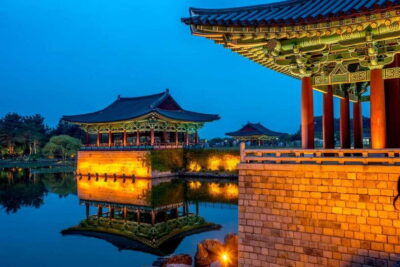
Gyeongju UNESCO World Heritage Guided Day Tour
Read our review →
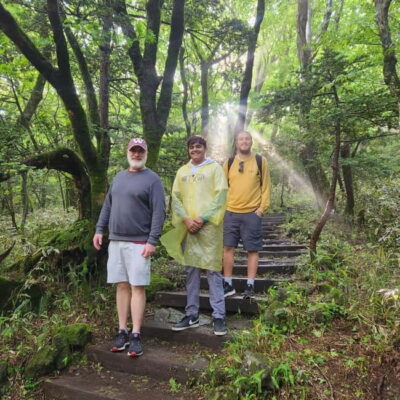
Jeju Southern UNESCO Full Day Tour with Mt.Halla
Read our review →
Private Gyeongju Tour – Explore Gyeongju UNESCO Sites
Read our review →
Jeju island Southern UNESCO Day Tour With Hallasan MT
Read our review →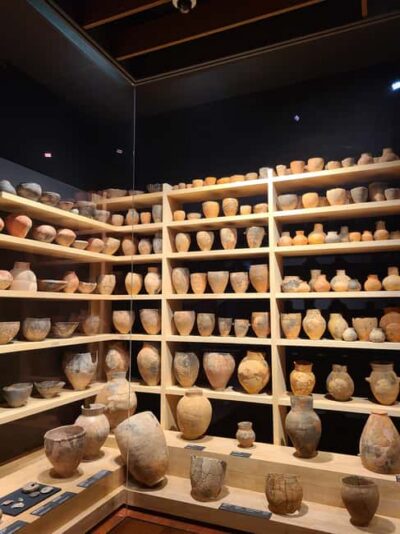
Gyeongju UNESCO Legacy Tour with National Museum
Read our review →Browse the lists this tour appears in