Reviewed · TOURS IN SEOUL
Spiritual Adventure : Into Inwangsan and Korean Shamanism
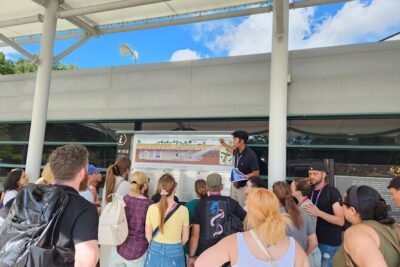
Inwangsan gives you a very different view of Seoul. Instead of palaces and shopping streets, you follow a mountain path to Guksadang, hear stories about spirits and ritual objects, and see how Korean shamanism still fits into daily life. I especially like the chance to meet a real shaman and the way guide Ethan explains the subject without turning it into a theatrical performance.
I also like the small private format and the short length. Two and a half hours is enough time to walk, ask questions, enjoy city views, and think about what you have seen without losing half a day. The main caution is the uphill walk, plus the fact that a shaman meeting or ceremony may not always be possible, as one tour had to continue when the shaman was ill.
Key things to know before you book
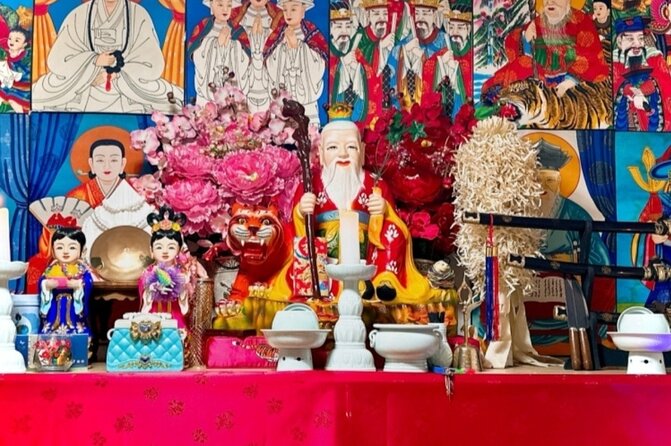
- Guksadang is the central stop: Visit one of Seoul’s important shamanic sites and learn how its rituals, deities, candles, chants, and offerings fit together.
- Ethan leads the experience: His storytelling covers both old beliefs and their place in present-day Korean life.
- Fortune telling is personal: You can ask about love, health, or a career, and may request or purchase a custom talisman.
- Inwangsan adds real atmosphere: The mountain walk brings sacred spaces, fresh air, and broad views over Seoul.
- It is a private activity: Only your own group participates, so questions and conversation can shape the pace.
- Plan for a moderate walk: The route goes up the side of the mountain, so comfortable shoes and reasonable fitness matter.
Why Inwangsan is the right setting for Korean shamanism
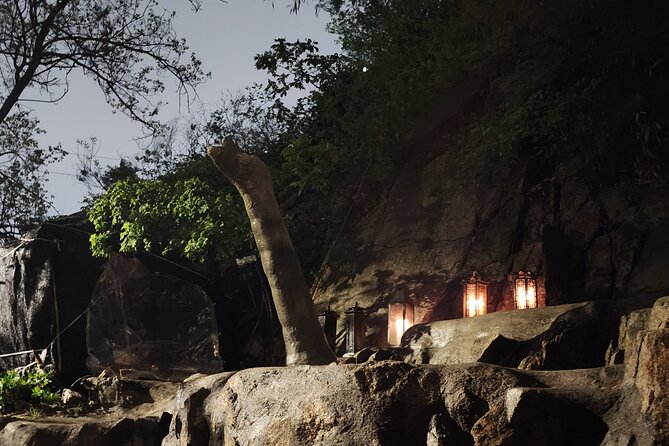
Seoul is easy to read at street level: glass towers, royal gates, cafés, markets, and crowded subway platforms. Inwangsan offers another layer. Its slopes have long been associated with spiritual practice, and the change from city streets to mountain shrines is part of what makes this outing worthwhile.
You are not watching a staged folklore show. The purpose is to understand customs that remain part of Korean society, even alongside Confucian family traditions, Buddhist practice, and a highly modern urban life. That contrast gives the tour its main value. You can look at a candle, offering, talisman, or chant and ask what it means rather than simply taking a photograph.
I like this approach because Korean shamanism can be difficult to understand from a museum label. It is not just a set of old myths. The tour explains how people may still turn to spiritual practices for guidance, reassurance, or help with uncertain moments in life.
Ethan’s role is important here. The experience works best when the guide can explain sensitive beliefs in plain language and make room for questions. The available feedback points to his energy, care, and willingness to explain, as well as his ability to keep the outing comfortable and safe.
Other trips people book in Seoul:
- Best DMZ Tour Korea from Seoul (Red Suspension Bridge Optional)
★ 5.0 · 41,422 reviews - DMZ Tour: 3rd Tunnel, Option(Suspension Bridge, Boat) from Seoul
★ 5.0 · 21,373 reviews - DMZ tour south Korea from Seoul (NK experience hall, defector)
★ 5.0 · 20,599 reviews
Starting at Dongnimmun Station Exit 3
The meeting point is Dongnimmun Station Exit 3 in Seoul. You should allow enough time to reach the station without rushing, since public transportation is not included in the price.
From there, the tour moves toward Inwangsan and its sacred sites. The route is not a flat city stroll. You will walk uphill along the mountain, and the description calls for a moderate level of physical fitness. I would wear shoes with a good grip and bring water, since bottled water is not included.
The physical effort is part of the experience rather than an unfortunate extra. As you leave the dense streets behind, the subject becomes easier to picture. Sacred places are not presented as isolated exhibits. They sit on the mountain, reached by a real path, with the city visible below.
If you have limited mobility or strongly dislike hills, this may not be the best choice. The tour is only about two and a half hours, but the time includes walking up the side of Inwangsan. Ask the operator about the exact route before booking if this is a serious concern.
Guksadang and the sacred sites of Inwangsan
Guksadang is the main cultural stop. Here, Ethan explains the place of Korean shamanism, its background, and the kinds of spiritual figures connected with it. You will also hear about the meaning of ritual objects and talismans.
The appeal is not just the shrine itself. It is the chance to understand why a site like this still matters in a modern capital. Korean religious life has never fit neatly into one box. Confucianism shaped family and social customs, Buddhism has its own long presence, and shamanic traditions continue to appear in personal rituals and requests for guidance.
The tour may include authentic ritual activity involving candles, chanting, and offerings. This is a valuable distinction: the experience is intended to show living practice, not a reenactment prepared for an audience. Still, the exact encounter can vary. A shaman may be unavailable, as happened on one occasion because of illness, so you should treat the meeting as an important possibility rather than a guaranteed performance.
I appreciate that limitation. It keeps expectations realistic and respects the fact that the site is used for spiritual purposes, not only for sightseeing. Even without a full ceremony, Ethan can explain the role of the shrine and answer questions about what you see.
Meeting a Korean shaman and asking personal questions
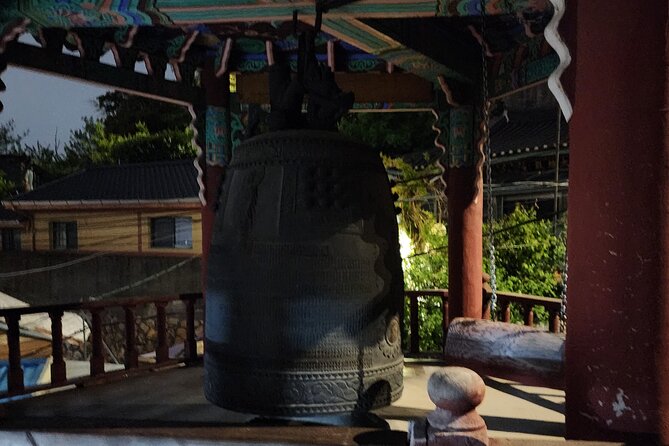
When available, the shaman meeting is likely to be the most memorable part of the tour. You can receive a personal fortune-telling session and ask about subjects such as love, health, or your career.
This is not presented as a stage act. The point is to understand how fortune telling functions as a cultural practice and how people use it alongside other beliefs. You do not have to approach the session as a firm prediction of your future. You can treat it as a direct way to learn how spiritual consultation works in Korea.
I would think about your questions before arriving. A short session passes quickly, and a clear question will make the encounter more useful. If you are uncomfortable discussing personal matters, you can focus on the cultural explanation instead.
The tour also allows you to request or purchase a custom talisman. Be clear with yourself about whether you want a keepsake, a religious object, or simply an explanation of what talismans mean. The option adds a personal element, but it may involve an additional purchase, and the supplied details do not state the cost.
Same base, a different kind of day out:
- Seoul: DMZ Tour with Optional Suspension Bridge
★ 4.8 · 5,277 reviews - Signature DMZ Tour: Exclusive Defector Talk & Suspension Bridge
★ 5.0 · 4,459 reviews - Thrilling Korean DMZ 3rd Tunnel Tour from Seoul + Red Bridge Rush
★ 5.0 · 3,097 reviews - DMZ Past and Present: Korean Demilitarized Zone Tour from Seoul
★ 5.0 · 2,481 reviews
Ritual objects, chants, candles, and offerings
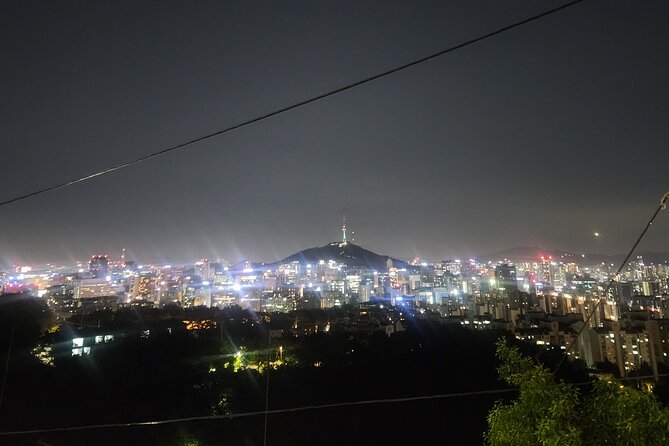
Ethan explains the items connected with shamanic practice rather than allowing them to remain mysterious decorations. Candles, chants, offerings, and talismans each carry meaning within the ritual setting.
This is where the tour can help you notice details you might otherwise miss. A visitor passing through a shrine may see colors, paper, food, flame, or painted figures without knowing how they fit together. With an interpreter beside you, those details become a way into Korean ideas about protection, communication, and the relationship between people and the spiritual world.
The guide’s explanations also connect the mountain setting with ordinary life. The aim is not to suggest that every Korean person follows the same beliefs. Instead, you learn how older customs can remain present in a society shaped by technology, education, Confucian family values, Buddhism, and modern city life.
That balance matters. The experience is strongest when it avoids treating Korean shamanism as either a quaint relic or a supernatural spectacle. The available information suggests that Ethan takes the subject seriously while keeping the conversation accessible and lively.
The walk, views, and pace
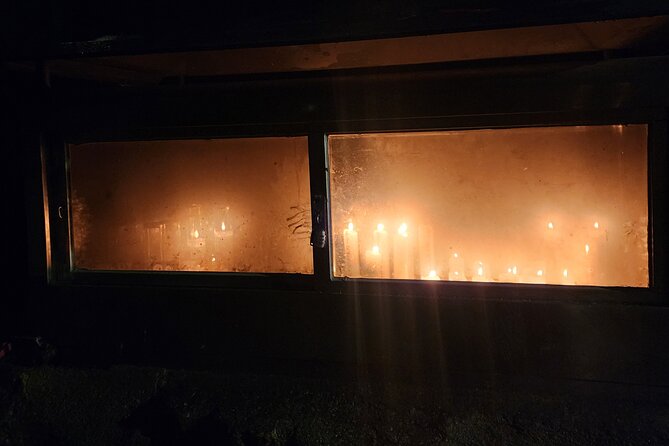
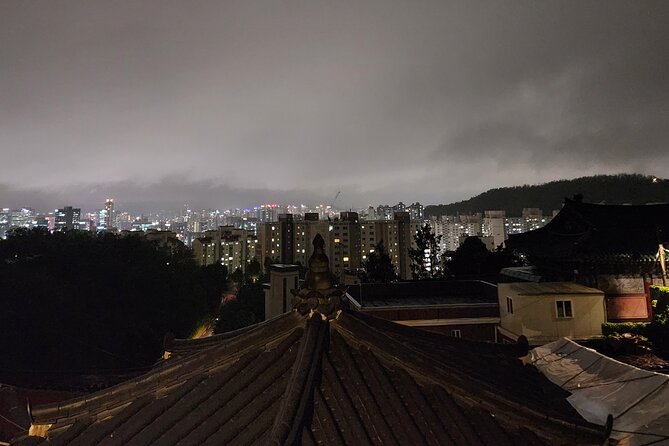
Several parts of the walk offer time for photographs and city views. Inwangsan gives you a higher vantage point over Seoul, which adds a visual reward to the cultural visit.
The views are not the sole reason to book. Seoul has many lookout points, and you can find city panoramas elsewhere. Here, the view works as a pause between explanations and sacred stops. You get a sense of how close the mountain’s quiet ritual spaces are to one of Asia’s largest capitals.
The tour lasts approximately two hours and thirty minutes. That is a useful middle ground. You have enough time for the mountain walk, shrine visits, fortune telling when available, photographs, and questions, but the activity should fit comfortably into a day of sightseeing.
The small private format helps with pacing. Only your group participates, so you can ask for clarification or spend a little longer on a subject that interests you. It also means that the experience may feel more conversational than a large group excursion.
An optional air-conditioned vehicle is listed, though the supplied details do not explain exactly when or how it is used. Public transportation is not included, and the published start and end points suggest that you should plan to reach Dongnimmun Station yourself and finish near Muakjae Station.
Ending near Muakjae Station
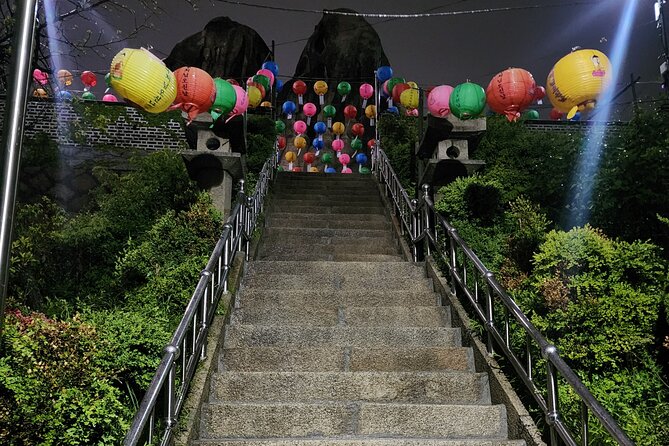
The tour ends at Muakjae Station, at 411 Moraenae-ro, Seodaemun-gu. Ending near public transportation makes it easier to continue sightseeing or return to your accommodation.
This start and finish arrangement also means you are not simply retracing your steps. You experience Inwangsan as a passage through a particular part of Seoul, beginning at Dongnimmun and finishing near Muakjae. Since no return transport is included, check your route afterward and keep your phone charged for navigation.
You should also remember that the tour depends on suitable weather. If poor weather forces a cancellation, you are offered another date or a full refund. That policy makes sense for a mountain walk, since rain or unsafe conditions would affect both the path and the outdoor atmosphere.
Is $28.20 good value?
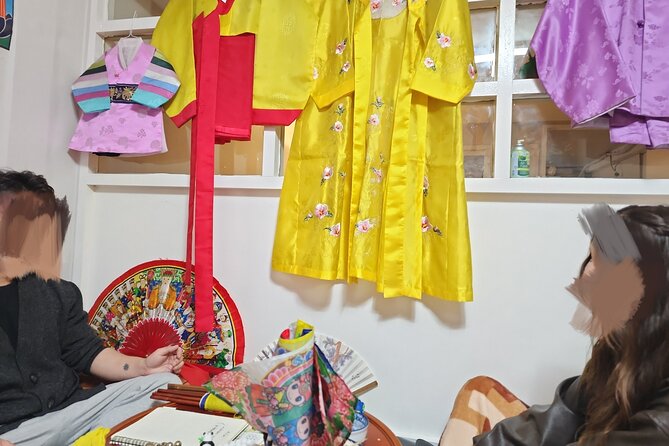
At $28.20 per person, this is a reasonable price for a private, approximately two-and-a-half-hour cultural activity, especially if you want something more focused than a standard city tour. The value comes from access and interpretation: Guksadang, a guide who can explain the setting, and the possibility of speaking with a shaman.
You are not paying for transportation, bottled water, or a long list of included attractions. You are paying for a specialized introduction to a part of Korean culture that is difficult to understand independently and may be uncomfortable to approach without context.
The price makes the most sense if you are genuinely curious about Korean spirituality, folklore, ancestral customs, or the ways traditional beliefs continue in modern life. If you mainly want a scenic mountain walk, a cheaper independent outing may suit you better.
The private format is another part of the calculation. A large group could make a sensitive subject feel formal or rushed. Here, your own questions can shape the experience, and Ethan can adjust his explanations to your interests.
What I would prepare before going
I would read a little about Korean shamanism before the tour, but I would not try to master the subject in advance. Go with a few honest questions and let the site provide the context.
Useful preparation includes:
- Wear comfortable shoes suitable for an uphill walk.
- Bring water, since bottled water is not included.
- Leave time to reach Dongnimmun Station Exit 3.
- Consider questions about love, health, or work if you want a personal fortune session.
- Bring a phone or camera for the viewpoints and photo breaks.
- Keep your schedule flexible if weather might affect the mountain visit.
You should also approach the shrine respectfully. The activity may include real rituals rather than a display arranged solely for tourists. Follow Ethan’s instructions, avoid interrupting ceremonies, and ask before photographing people or ritual activity.
Who will enjoy this experience most?
I would recommend it to you if you have already seen Seoul’s major palaces and markets and want to understand a less visible part of Korean culture. It is also a good choice if you enjoy folklore, religious traditions, personal storytelling, and guided walks with a clear theme.
The tour suits curious first-time visitors as well as repeat visitors. You do not need specialist knowledge. Ethan’s explanations are designed to make the subject understandable, and the Q&A gives you room to ask basic questions without embarrassment.
It may not suit you if you want a purely scenic hike, dislike spiritual subjects, or need a fully accessible route. The uphill walk and uncertain availability of the shaman are the two main practical limits.
The experience is also better for people who can accept some uncertainty. A real shrine is not a theater with a fixed script. The shaman may be ill, a ceremony may not take place during your visit, and the weather can affect the outing. That is a drawback if you need a guaranteed sequence, but it is also part of what makes the cultural setting feel genuine.
Should you book this Inwangsan tour?
Book it if you want a personal introduction to Korean shamanism rather than another standard Seoul sightseeing loop. The combination of Inwangsan’s views, Guksadang, ritual explanations, and a possible fortune-telling session gives you access to a side of the city that most visitors miss.
I especially value the presence of Ethan, the private format, and the balance between cultural explanation and outdoor walking. Just plan for hills, bring water, and understand that meeting the shaman or seeing a ceremony depends on circumstances.
At $28.20, it is a strong choice for culturally curious visitors who want a short but meaningful experience. Skip it if you are looking for a guaranteed show, a flat route, or a general overview of Seoul.
FAQ
How long does the Inwangsan shamanism tour last?
The experience lasts approximately two hours and thirty minutes.
Where does the tour begin?
It begins at Dongnimmun Station Exit 3 in Seoul.
Where does the tour end?
It ends near Muakjae Station at 411 Moraenae-ro, Seodaemun-gu, Seoul.
Is fortune telling included?
The experience includes the opportunity to receive a personal fortune-telling session when the shaman is available. You can ask about love, health, or your career.
Can I request or purchase a talisman?
Yes. You can request or purchase a custom talisman, although the supplied details do not state its price.
What happens if bad weather cancels the tour?
If poor weather causes cancellation, you will be offered another date or a full refund. You must cancel at least 24 hours before the start time to receive a full refund for your own cancellation.
Just added in Seoul
- Your Personal Seoul Photographer!★ 4.1 · 15 reviews
- You’re Invited to Our Home in Seoul: The Only Cooking Class!★ 5.0 · 8 reviews
- From Seoul: Yongpyong Ski Day Tour with Transportation★ 4.9 · 40 reviews
- Seoul: Korean & English Language Exchange Global Party★ 5.0 · 28 reviews
- From Seoul: Hwacheon Ice Fishing and Lighting Festival Tour★ 4.5 · 4 reviews
- Unique Native Experience : Han River Picnic, Board game, BBQ★ 5.0 · 3 reviews
- Seoul: Gangneung BTS K-Pop & K-Drama Filming Locations Tour★ 4.6 · 14 reviews
- K-Pop Making Class with a Producer!★ 5.0 · 3 reviews
Tours in Seoul, compared.
Best DMZ Tour Korea from Seoul (Red Suspension Bridge Optional)
Read our review →
DMZ Tour: 3rd Tunnel, Option(Suspension Bridge, Boat) from Seoul
Read our review →
DMZ tour south Korea from Seoul (NK experience hall, defector)
Read our review →
Signature DMZ Tour: Exclusive Defector Talk & Suspension Bridge
Read our review →
Thrilling Korean DMZ 3rd Tunnel Tour from Seoul + Red Bridge Rush
Read our review →
DMZ Past and Present: Korean Demilitarized Zone Tour from Seoul
Read our review →