Reviewed · TOURS IN SEOUL
Traditional Korean Bookbinding Experience in Seoul, Hongdae
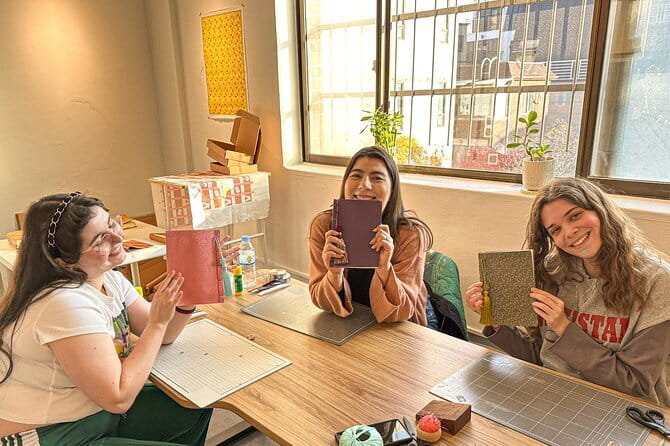
Korean bookbinding is the star here. In a small Seoul studio, you use Hanji, the handmade paper once used for Joseon royal records, then bind it with Korean methods and finish it with a silk cover and Norigae knot. The result is a useful souvenir, not another mass-made trinket.
I like the freedom to choose among 22 silk patterns and the chance to make something you can take home the same morning. I also like the patient, kind teaching style described by past participants, with plenty of help and cultural background. The main consideration is the age rule: only people 17 and older may join.
Key Points at a Glance
- Joseon-era craft: Learn a traditional Korean binding method linked to royal records, scholars, and personal diaries.
- 22 silk covers: Pick the fabric pattern that will form the outside of your notebook.
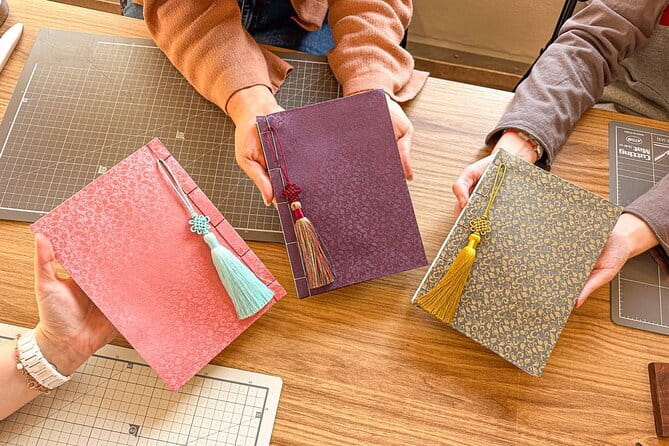
- Your own finishing touches: Choose thread colors and a Norigae, a traditional Korean ornament.
- Two-hour format: The class fits neatly into a morning in Seoul.
- Small-group setting: The studio accepts no more than 12 people, and only reserved participants may enter.
- Useful souvenir: Your finished Hanji notebook is packaged so you can take it home right away.
Why This Seoul Craft Class Is Worth Your Morning
Many Seoul activities give you something to look at. This one gives you something to make. That difference matters if you want a souvenir with a story attached to it, rather than an object selected from a shop shelf.
The finished notebook combines three traditional elements: Hanji paper, a silk cover, and a Norigae knot. You are not simply decorating a pre-made notebook. You take part in the choices and binding steps, with a licensed guide explaining what you are doing along the way.
The class is also a good fit for a slower morning. It lasts about two hours and begins at 10:30 am, so you can still have most of the day for Seoul sightseeing. The workshop ends where it begins, at Danchoodan in Daeheung-dong, Mapo-gu.
The tradeoff is that this is a hands-on craft session, not a broad tour of Korean culture. If you want a fast activity with a lot of sights, this will feel focused. If you like paper, fabric, history, or careful making, the narrow focus is the point.
Other trips people book in Seoul:
- Best DMZ Tour Korea from Seoul (Red Suspension Bridge Optional)
★ 5.0 · 41,422 reviews - DMZ Tour: 3rd Tunnel, Option(Suspension Bridge, Boat) from Seoul
★ 5.0 · 21,373 reviews - DMZ tour south Korea from Seoul (NK experience hall, defector)
★ 5.0 · 20,599 reviews
Hanji Paper and the Joseon Connection
Hanji is traditional Korean paper made by hand. Its importance goes well beyond stationery. The Joseon Dynasty Annals, now listed in the UNESCO Memory of the World register, were made using this type of Korean paper.
The class also connects Hanji with everyday intellectual life during the Joseon period. Royal family members, Confucian scholars, and other Korean writers used paper for diaries, notes, and records. That gives your notebook a useful context: it is based on a practical writing object, not only on a decorative craft.
An old Korean saying holds that silk lasts 500 years while Hanji lasts 1,000 years. You should not treat that as a guarantee for your finished notebook, since care and storage still matter. But it captures the traditional belief in the durability of these materials and helps explain why Hanji was valued.
I like this historical angle because it stays connected to what you are actually doing. You learn about the paper while handling it, then use it in a notebook that reflects the same Korean material tradition.
Choosing From 22 Silk Cover Patterns
The first creative choice is the silk cover. You can pick from 22 silk fabrics decorated with Korean traditional patterns. This is one of the most personal parts of the workshop, since the cover determines the notebook’s overall look.
The selection also adds a small design challenge. You may want a bold pattern, a quieter color, or a fabric that matches the thread and Norigae you plan to use later. Since the materials are chosen in stages, you can think about how the pieces will work together instead of receiving a fixed design.
This is a better setup than having only one standard notebook style. Two people can take the same class and leave with noticeably different results. Your book can feel simple and restrained, or more decorative, depending on the silk, thread, and ornament you select.
The class information does not give the exact colors or patterns available on a particular date. You should expect a selection of 22 silk covers, but the precise stock may vary.
Selecting Thread and a Norigae Ornament

After choosing the silk, you select the thread color and a Norigae. A Norigae is a traditional Korean ornament or knot, often associated with clothing and decorative accessories. Here, it becomes the final detail on your notebook.
The thread is not just a technical part of the binding. Its color changes the character of the finished book. A matching shade gives a neat, coordinated appearance, while a contrasting color makes the binding easier to notice.
The Norigae provides the final Korean touch. It also helps your notebook look complete when the binding is finished. Because you choose it yourself, the object feels more personal than a standard workshop product.
If you are unsure about combining the materials, ask the guide for help. Past class feedback describes the teacher as patient and kind, with a willingness to explain both the craft and the cultural background. That is useful in a workshop where the hardest decision may be choosing among attractive options.
Same base, a different kind of day out:
- Seoul: DMZ Tour with Optional Suspension Bridge
★ 4.8 · 5,277 reviews - Signature DMZ Tour: Exclusive Defector Talk & Suspension Bridge
★ 5.0 · 4,459 reviews - Thrilling Korean DMZ 3rd Tunnel Tour from Seoul + Red Bridge Rush
★ 5.0 · 3,097 reviews - DMZ Past and Present: Korean Demilitarized Zone Tour from Seoul
★ 5.0 · 2,481 reviews
Binding Hanji and Silk by Hand
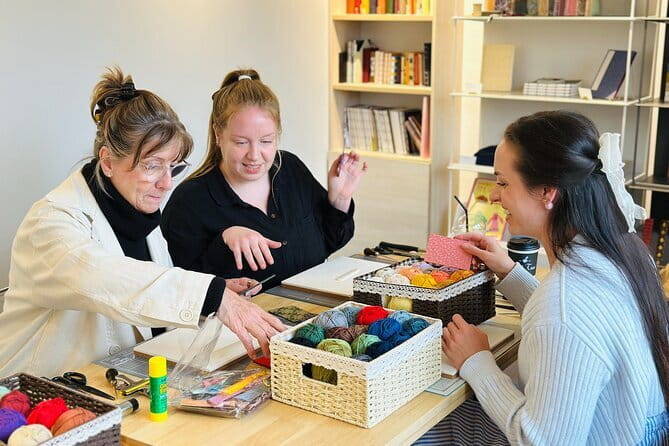
The central activity is binding the Hanji pages and silk cover using a traditional Korean method. The class supplies the binding tools and materials, so you do not need to bring a craft kit.
This is where the two-hour schedule earns its keep. You have time to work through the process rather than rush through one quick decorative step. The class is not described as an advanced course, and most participants can take part, but you still need to pay attention and follow the guide’s instructions.
Hand binding gives you a closer look at how the notebook is made. You see the relationship between the paper, the cover, and the thread. That makes the finished item more meaningful, especially if you enjoy stationery or bookmaking.
You should also expect a little variation in the final result. A handmade notebook will not necessarily look machine-perfect, and that is part of the appeal. The goal is to learn the method and create a useful keepsake, not produce an industrially uniform product.
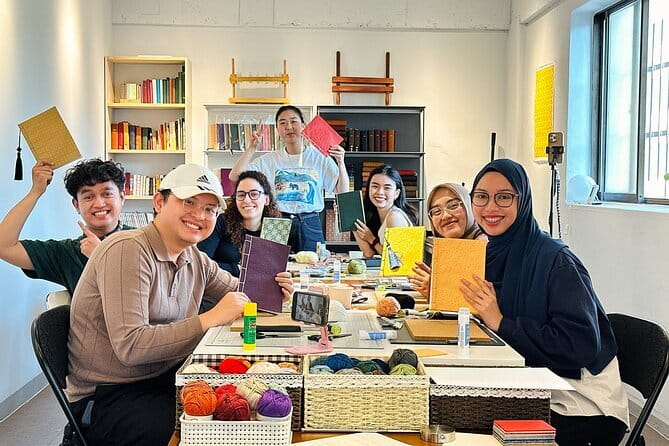
The class is limited to a maximum of 12 people. That is small enough to make personal help more realistic, while still allowing you to share the activity with others. Only people included in the reservation may enter the studio, so do not plan to bring unregistered companions to watch.
Decorating and Packing Your Finished Notebook

Once the notebook is bound, you add the Norigae knot. This last step ties the materials together visually and gives the book a clearly Korean finish.
The notebook is then placed in gift-ready packaging. That matters if you are buying the experience as a present or want to keep your souvenir protected in your luggage. You can take it home immediately after the class.
The finished book can also serve a practical purpose. One participant used the completed notebook as a scrapbook for a Korean trip. You could use it for notes, sketches, travel memories, or photographs, though the supplied information does not specify a particular page layout or size.
I like souvenirs that remain useful after a trip. This notebook can hold memories of Seoul instead of sitting untouched on a shelf. Its connection to your own choices also gives it more value than a ready-made item.
What the Two-Hour Schedule Feels Like
The activity begins at 10:30 am and lasts approximately two hours. The order is clear:
- Choose a silk cover from the available Korean patterns.
- Select thread and a Norigae ornament.
- Learn why Hanji is important in Korean paper culture.
- Bind the Hanji and silk using a traditional technique.
- Add the Norigae knot.
- Pack the completed notebook for the trip home.
That structure makes the class easy to follow. You move from design decisions to background information, then into construction and decoration. It is a proper activity, not a short demonstration where you spend most of the time watching someone else work.
The time limit may feel tight if you are very slow with crafts or want extensive instruction on every historical detail. Still, the feedback describes the class as nicely paced, with enough room for laughter, conversation, and making a finished journal. You should arrive ready to focus on one project rather than expect a flexible drop-in session.
The studio is near public transportation, and the meeting point is Danchoodan, at 100 Daeheung-ro, third floor, in Daeheung-dong, Mapo-gu. Give yourself time to find the building and reach the third floor before the 10:30 start.
Price and Group Size at $49
At $49 per person, the experience costs more than buying a Korean notebook in a stationery shop. The value comes from the instruction, the materials, the cultural explanation, and the fact that you make the item yourself.
The price includes the binding tools and materials, as well as a licensed guide. There is no separate vehicle component, and no air-conditioned vehicle is included or needed. Since the workshop takes place at one studio and ends at the same meeting point, you are paying for a focused craft lesson rather than transport or sightseeing.
For me, the price makes the most sense if you value hands-on activities. A person who only wants a low-cost souvenir may find a shop purchase more economical. Someone who wants a story behind the souvenir gets more for the money here.
The group maximum is 12, which helps keep the class personal without making it a private lesson. Remember that only the number of people on the reservation can enter. The experience is available only to people aged 17 and older.
Who Will Enjoy This Experience Most
I would recommend this class to you if you enjoy:
- Paper, stationery, journaling, or bookmaking
- Traditional Korean crafts
- Small-group activities with an instructor
- Souvenirs you can use after returning home
- A calm morning activity with a clear two-hour schedule
- Cultural experiences that involve making something with your hands
It is especially suitable for couples, friends, solo visitors, and families with older teenagers who meet the 17-year minimum. The activity’s small-group format makes it easier to ask questions and receive help.
You may want to choose another activity if you dislike detailed handwork or want a tour that moves through several parts of Seoul. The class stays centered on one notebook and one traditional craft. That focus is its strength, but it also limits the range of sights and subjects covered.
The class has a perfect five-star rating from 16 submitted reviews and a 100 percent recommendation figure. Those numbers suggest strong satisfaction, but the sample is small. I would use them as a helpful signal, not as a reason to ignore your own interests.
Booking Details and Cancellation
Confirmation is normally provided when you book. If you book within one day of the activity, confirmation comes as soon as possible and depends on availability.
You can cancel for a full refund up to 24 hours before the start time. Cancellations or changes made less than 24 hours before the 10:30 am start are not refunded or accepted. The cut-off follows Seoul local time, so check the time carefully if you are booking from another country.
Service animals are allowed, and most people can participate. The experience is near public transportation. The available information does not provide details about the studio’s exact physical accessibility, so contact the provider if you have specific access needs.
Should You Book the Danchoodan Bookbinding Class?
Book it if you want a personal Seoul souvenir and like the idea of learning while you make. The combination of Hanji, silk, colorful thread, and a Norigae knot gives you several meaningful choices, and the finished notebook is ready to take home at the end.
The class is also a strong pick for a quiet morning in Mapo-gu. You get a licensed guide, supplied tools, a small group of no more than 12, and a two-hour project with a clear beginning and end.
Skip it if you want a fast, inexpensive purchase or a broad city tour. At $49, the value depends on taking part in the making process. For anyone interested in Korean paper, Joseon-era traditions, or well-made travel keepsakes, that hands-on time is the reason to book.
FAQ
Where does the Korean bookbinding class take place?
The class takes place at Danchoodan, 100 Daeheung-ro, third floor, Daeheung-dong, Mapo-gu, Seoul.
What time does the activity start?
The class starts at 10:30 am.
How long does the experience last?
The activity lasts approximately two hours.
What materials are included?
Binding tools and materials are included in the price. This includes the Hanji, silk, thread, and decorative materials used during the activity.
How many silk covers can I choose from?
You can choose from 22 silk covers featuring Korean traditional patterns.
What is a Norigae?
A Norigae is a traditional Korean ornament. During the class, you select one and add it as a decorative knot to your finished notebook.
Can children attend the class?
The reservation is available only to people aged 17 or older.
Is transportation included?
No vehicle is included. The class takes place at the studio, is near public transportation, and ends back at the meeting point.
Can I cancel for a full refund?
Yes. You can receive a full refund if you cancel at least 24 hours before the experience’s start time. Changes or cancellations made less than 24 hours before the start are not accepted or refunded.
Just added in Seoul
- Your Personal Seoul Photographer!★ 4.1 · 15 reviews
- You’re Invited to Our Home in Seoul: The Only Cooking Class!★ 5.0 · 8 reviews
- From Seoul: Yongpyong Ski Day Tour with Transportation★ 4.9 · 40 reviews
- Seoul: Korean & English Language Exchange Global Party★ 5.0 · 28 reviews
- From Seoul: Hwacheon Ice Fishing and Lighting Festival Tour★ 4.5 · 4 reviews
- Seoul: Gangneung BTS K-Pop & K-Drama Filming Locations Tour★ 4.6 · 14 reviews
- Unique Native Experience : Han River Picnic, Board game, BBQ★ 5.0 · 3 reviews
- K-Pop Making Class with a Producer!★ 5.0 · 3 reviews
Tours in Seoul, compared.
Best DMZ Tour Korea from Seoul (Red Suspension Bridge Optional)
Read our review →
DMZ Tour: 3rd Tunnel, Option(Suspension Bridge, Boat) from Seoul
Read our review →
DMZ tour south Korea from Seoul (NK experience hall, defector)
Read our review →
Signature DMZ Tour: Exclusive Defector Talk & Suspension Bridge
Read our review →
Thrilling Korean DMZ 3rd Tunnel Tour from Seoul + Red Bridge Rush
Read our review →
DMZ Past and Present: Korean Demilitarized Zone Tour from Seoul
Read our review →