
Reviewed · DMZ & JSA TOURS
DMZ Tour + The War Memorial of Korea Museum
The most striking part of this tour is the shift from ordinary Seoul traffic to a heavily guarded border zone in about 90 minutes. You’ll see the Bridge of Freedom, look toward North Korea from Dora Observatory, and walk into the Third Infiltration Tunnel, a steep, narrow passage built for a wartime attack.
I like the way the day joins the DMZ with the War Memorial of Korea. The border visit gives you the physical setting, while the museum helps explain the Korean War and the decades that followed. I also like the careful guidance and communication, with guides such as Bill Hwang, Kane Kim, Ann Jung, and Jae Seo helping visitors stay on time and understand what they are seeing.
The main drawback is the schedule. Eight to nine hours is a long day, lunch is not included, and the tunnel requires a reasonable level of fitness. Military decisions or bad weather can also change the plan, so the DMZ is never a completely fixed sightseeing stop.
Key points before you book
- The Third Tunnel is physical: The route is steep and narrow, with benches along part of the way, so comfortable shoes matter.
- Your passport is required: You will not be allowed into the DMZ without it.
- The tour leaves early: Meet at Myeongdong Station Exit 4 at 7:00 am and return to the Myeongdong area.
- The border can change your plans: Military issues or bad weather may cause delays, cancellations, or a revised schedule.
- The War Memorial adds needed context: Its exhibits help connect the modern border with Korea’s wartime past.
- The $65 price covers the basics: Transport, parking, admission fees, and a professional guide are included, but lunch is extra.
Why this day matters beyond a photo stop
The DMZ is not just a line on a map. It is a living reminder that the Korean War ended with an armistice, not a peace treaty. That makes the visit different from a standard city attraction. You are seeing memorials, military barriers, and viewing areas tied to a conflict that still affects daily life on the Korean Peninsula.
I like that this experience begins at Imjingak Pyeonghwa Nuri Park rather than rushing straight to a lookout. The park introduces the human cost of division through memorials and wartime objects. Later, the tunnel and observatory make the border feel more immediate.
The War Memorial then gives you a second way to understand the subject. One hour is enough for a guided introduction, but it is not enough to see every exhibit at a relaxed pace. If military history is a major interest of yours, plan to return on another day.
Other trips up to the border from Seoul:
- Best DMZ Tour Korea from Seoul (Red Suspension Bridge Optional)
★ 5.0 · 41,422 reviews - DMZ Tour: 3rd Tunnel, Option(Suspension Bridge, Boat) from Seoul
★ 5.0 · 21,373 reviews - DMZ tour south Korea from Seoul (NK experience hall, defector)
★ 5.0 · 20,599 reviews
Leaving Myeongdong at 7:00 am
The meeting point is Myeongdong Station Exit 4 on Subway Line 4. You board near the center of Seoul, travel in an air-conditioned vehicle, and return to the Myeongdong area at the end of the day.
The early departure is useful. The DMZ is about an hour and a half from the pickup area, and the border zone operates under rules that can affect timing. Starting early gives the group a better chance of following the planned route before the day becomes crowded or military instructions alter access.
The group can reach up to 40 people, though some departures use a smaller van. A smaller group makes it easier to ask questions and keep pace with the guide. It can also make the long day feel less tiring.
Bring water and a little food if you need regular snacks. Lunch is not included, and the supplied details do not promise a dedicated meal stop. Some guides have provided snacks and water, but I would treat that as a pleasant extra rather than something to count on.
Imjingak Pyeonghwa Nuri Park and the Bridge of Freedom
The first stop lasts about 90 minutes and introduces the border through several important sites. Imjingak Pyeonghwa Nuri Park is built around the memory of the Korean War and the families separated by the division of Korea.
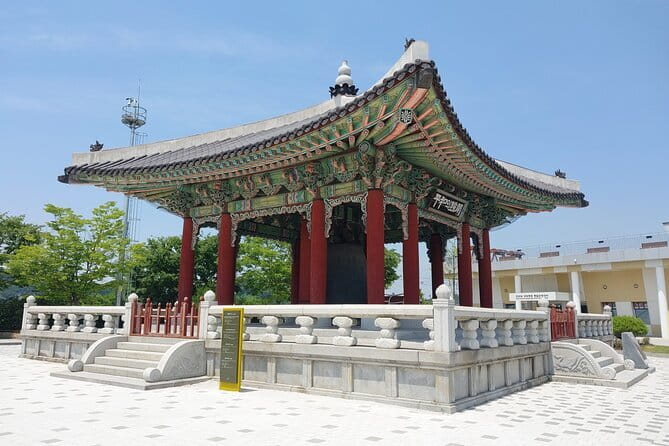
The Bridge of Freedom is the emotional center of this stop. It was used by people returning from the North after the war and is now a memorial to separation and hope. Its design is plain, but that is part of the point. You do not need grand architecture to feel what the bridge represents.
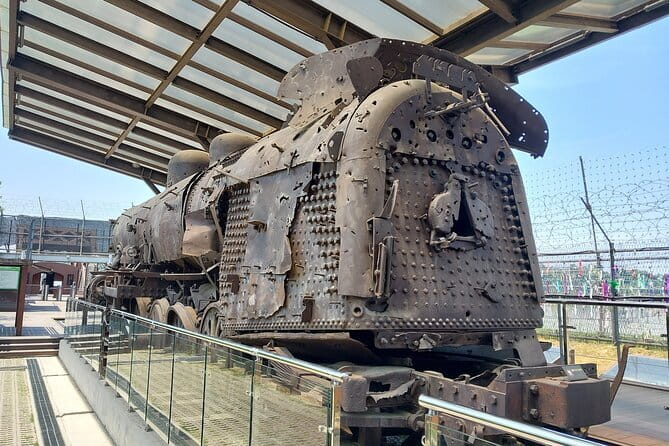
You will also see the Mangbaedan Memorial Altar, associated with families who cannot visit their ancestral homes in North Korea. The Steam Locomotive at Jangdan Station adds a physical wartime relic to the visit. Together, the bridge, altar, and locomotive show different sides of the same story: lost homes, interrupted journeys, and a border that remains in place.
This is a good place to listen closely to your guide. The objects are easy to photograph, but their meaning is easier to miss without explanation. The tour does not treat Imjingak as a quick scenic stop. It gives you time to connect the memorials with the people affected by the division.
Entering the DMZ exhibition area
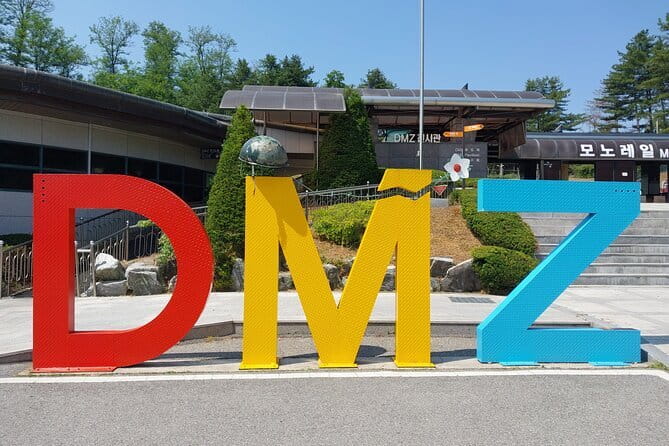
The next stop provides a general introduction to the Demilitarized Zone. You watch a video about the Korean War in a theater and visit an exhibition hall with records and relics connected to the conflict.
This half-hour stop is brief, but it helps you understand the rules and purpose of the area before reaching the observatory and tunnel. I find this kind of orientation useful because the DMZ can otherwise feel like a series of checkpoints and restricted roads without much explanation.
Do not expect a large museum visit here. The time is limited, and the main value is preparation for the next stops. Your guide can explain what you are allowed to do and why access is controlled.
Keep your passport with you throughout the day. It is not enough to have a copy or to leave it at your hotel. The supplied instructions state clearly that you cannot enter the DMZ without the original passport.
A few more things to do in Seoul worth a look
- Seoul: War Memorial of Korea Private Guided Museum Tour
★ 4.9 · 29 reviews - Color Pool Museum
★ 4.0 · 22 reviews - SEOUL: Gugak – Korean Traditional Music Museum&Concert Tour
★ 4.7 · 17 reviews - Gyeongju UNESCO Sites Tour by KTX train; The Museum Without walls
★ 4.5 · 11 reviews
Dora Observatory and the view toward North Korea
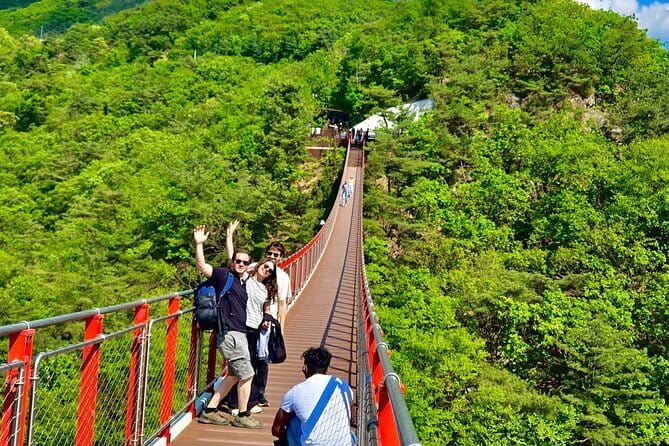
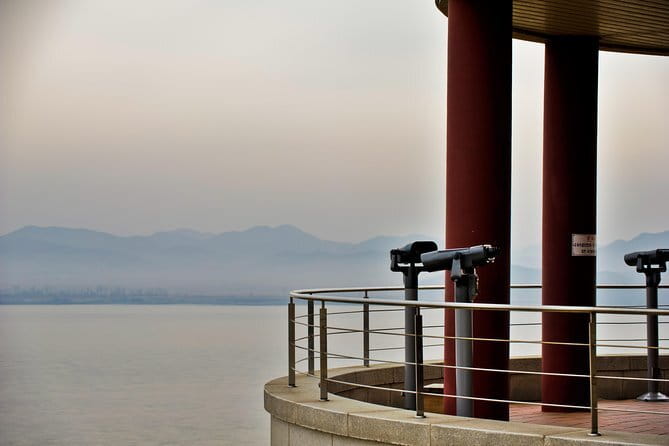
Dora Observatory gives you a view across the DMZ and toward North Korean territory. Binoculars help you examine the distant area, including the North Korean propaganda village and a jamming tower intended to block broadcasts.
This is not a dramatic mountain panorama or a guaranteed close-up view. The border is distant, and the sight depends on weather, visibility, and current access rules. Still, the meaning of the view is powerful. You are looking across one of the world’s most guarded borders, with the two countries occupying the same peninsula but following separate political paths.
Photography rules matter here. You cannot assume that every direction is open for pictures, and you should follow military instructions. The supplied information notes that photography facing North Korea may be restricted and that soldiers monitor the viewing platform.
In some circumstances, the group may need to view North Korea from an auditorium rather than the outdoor observation platform. That can be disappointing if the observatory is the part you most want to photograph, but it does not erase the educational value of the stop. The guide’s explanation becomes even more important when the view is limited.
Walking through the Third Infiltration Tunnel
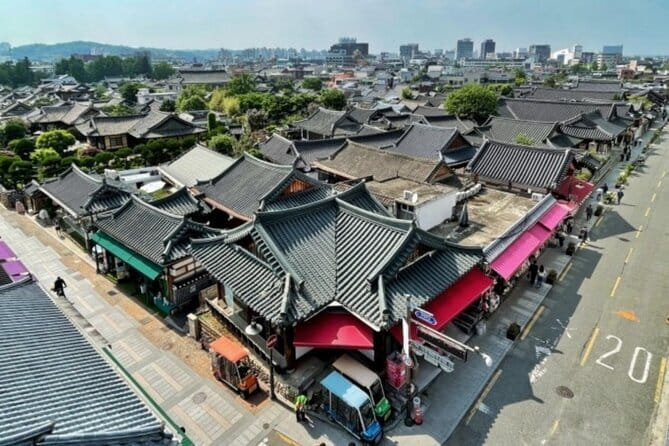
The Third Infiltration Tunnel is the most physical part of the day. North Korean forces dug the tunnel into South Korea, and the route includes evidence used to show that it was intended for an invasion.
The tunnel slopes downward and is narrow. The provided details describe a steep route, and practical experience from the tour indicates that the first section has benches where you can rest. There are no stairs leading down according to the supplied information, but the slope still demands effort on the way back.
Wear shoes with a firm sole and clothing that lets you move comfortably. The tunnel is not presented as a technical climbing activity, but you should have moderate physical fitness. If you dislike tight spaces or have trouble with steep walks, this is the stop to consider carefully.
Cameras are not allowed inside the tunnel, so do not plan this part around photography. The best reason to enter is to understand its scale and purpose. Standing inside the passage makes the military story far more concrete than reading about it in a display case.
Good guides adjust their pace here. Bill Hwang has been praised for walking the tunnel with the group, and he has taken extra care with older members. That sort of support matters because the tunnel is more enjoyable when you can proceed steadily rather than feel pushed along.
The War Memorial of Korea brings the story together
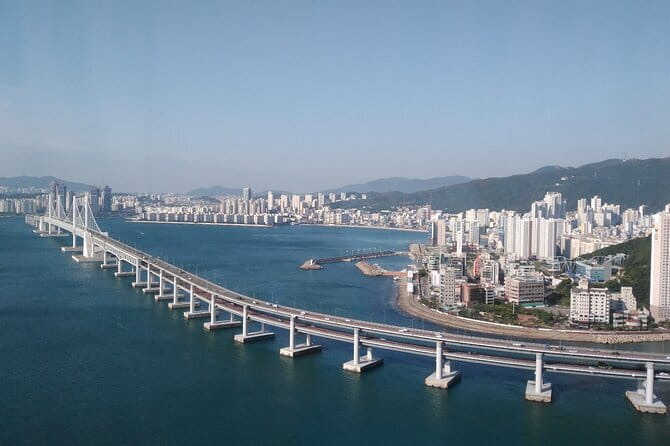
The final major stop is the War Memorial of Korea in Seoul. Admission is free, and the tour allows about an hour for the visit.
I think this museum is one of the strongest reasons to choose this particular day rather than a basic DMZ transfer. At the border, you see the places and objects connected to division. At the memorial, you can place those pieces into the wider story of Korea’s long past, the period after World War II, and the Korean War.
One hour gives you a guided introduction, not a full museum visit. The memorial has more material than you can reasonably cover in a short stop. A guide can point you toward the displays most useful for understanding the DMZ, but you may want to return independently if you enjoy military museums.
The order is practical but not perfect for everyone. Seeing the DMZ first lets you encounter the physical border before receiving the larger historical explanation. Some people may prefer to visit the museum first, since that context could make the border stops easier to understand. I would choose the current order if you want the day to build from place to history, and I would plan a separate museum visit if you want more detail.
Guides make the difference on a long day
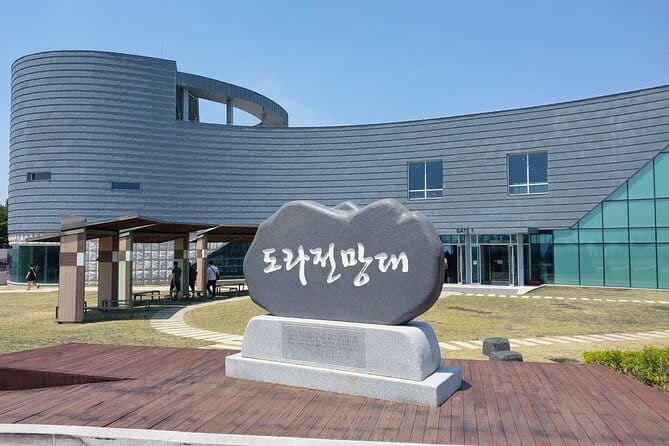
The strongest part of this experience is the guide’s role. The route involves military restrictions, fixed timing, historical material, and a physically demanding tunnel. A guide who communicates clearly can make the day much less stressful.
Bill Hwang is noted for contacting people through WhatsApp before departure, answering questions, explaining the meeting point, and staying with the group in the tunnel. Kane Kim has been praised for time management, historical explanations, and practical help, including snacks and water on one departure.
Ann Jung has helped with questions before and after the tour. Jae Seo has used a printed card, a flag, and a large tablet to explain the border and prepare for bad weather. Kevin is also described as friendly and well informed about the route and Korean history.
Guides can change from one departure to another, so I would not book solely on the assumption that one named person will lead your group. Still, the repeated emphasis on clear English, care with older people, and strong preparation tells you what to expect from a good departure.
Is $65 a fair price?
At $65 per person, I consider this a reasonable price for a full-day DMZ outing from Seoul. The fee includes the air-conditioned vehicle, parking fees, admission tickets for the listed attractions, and a professional guide.
The value comes from combining several stops that would be awkward to arrange independently. You get transport to the border, entry to the tunnel and DMZ areas, interpretation at the memorial sites, and a museum visit back in Seoul. The guide also handles the timing and the special rules around passport checks and photography.
Lunch is not included, so the real cost will be slightly higher once you buy food and drinks. The tour also takes eight to nine hours, which makes it a poor choice if you have only a short stay in Seoul or want a relaxed day in the city.
For someone interested in Korean history, the price is easier to justify because the day covers both the border and the museum. If you only want a quick photo of North Korea, the long transfer and tunnel walk may not feel worthwhile.
Practical details that can affect your day
You receive confirmation when booking, and the meeting point is close to public transportation. The tour begins at 7:00 am at Myeongdong Station Exit 4 and ends in the Myeongdong area.
Carry your passport, wear comfortable clothes, and use sturdy shoes. The tunnel is the clearest reason to avoid sandals or slippery footwear.
The DMZ is controlled by military conditions, not only by a tour schedule. Unexpected military issues or bad weather can cause a delay, a changed departure time, or a revised route. The supplied terms state that poor weather may lead to a different date or a full refund, while military-related disruption may not receive a refund, so read the current conditions carefully before booking.
The tour requires at least 10 participants and accepts up to 40. If the minimum is not reached, you are offered another date or experience, or a full refund.
Cancellation is free up to 24 hours before the start time. Inside that 24-hour window, the amount paid is not refunded, and changes are not accepted.
Who should book this DMZ tour?
I would choose this experience if you want a guided introduction to the Korean War, the DMZ, and the modern division of the peninsula in one day. It suits first-time visitors who want transport and explanations handled for them.
It is also a good fit if you care about the human side of the conflict. Imjingak’s memorials and the War Memorial make the day more than a border photo opportunity.
I would hesitate if you need a slow itinerary, dislike early starts, or cannot manage a steep and narrow tunnel. I would also reconsider if your priority is spending the entire day inside the War Memorial, since the scheduled museum visit is only about an hour.
Should you book it?
Book this tour if you want the DMZ, Third Tunnel, Dora Observatory, and War Memorial in one organized day, with a guide to explain the difficult history and manage the border rules. The combination offers solid value for $65, especially if you are comfortable with the early start and tunnel walk.
Skip it if you want a flexible schedule, a guaranteed outdoor view of North Korea, or a long museum visit. The border can change its rules at short notice, and the most meaningful parts of the tour require patience, attention, and a little physical effort.
FAQ
Where does the tour start?
The tour starts at Myeongdong Station Exit 4 on Subway Line 4 in Seoul.
What time does the tour begin?
The scheduled start time is 7:00 am.
Where does the tour end?
The tour ends in the Myeongdong area, near the departure point.
How long does the tour last?
The experience lasts approximately eight to nine hours.
Do I need to bring my passport?
Yes. You must carry your passport on the day of the tour. Without it, you will not be allowed to enter the DMZ.
Is lunch included?
No. Lunch is not included in the tour price.
Is the Third Infiltration Tunnel difficult to visit?
The tunnel is steep and narrow, so a moderate level of physical fitness is recommended. Comfortable clothing and shoes are advised.
Can the tour be canceled or changed?
Yes. Military issues or bad weather can cause delays, cancellations, or changes to the schedule. If the minimum number of 10 participants is not reached, you may be offered another date or experience, or a full refund.
Just added in Seoul
- Your Personal Seoul Photographer!★ 4.1 · 15 reviews
- You’re Invited to Our Home in Seoul: The Only Cooking Class!★ 5.0 · 8 reviews
- From Seoul: Yongpyong Ski Day Tour with Transportation★ 4.9 · 40 reviews
- Seoul: Korean & English Language Exchange Global Party★ 5.0 · 28 reviews
- From Seoul: Hwacheon Ice Fishing and Lighting Festival Tour★ 4.5 · 4 reviews
- Unique Native Experience : Han River Picnic, Board game, BBQ★ 5.0 · 3 reviews
- Seoul: Gangneung BTS K-Pop & K-Drama Filming Locations Tour★ 4.6 · 14 reviews
- K-Pop Making Class with a Producer!★ 5.0 · 3 reviews
DMZ & JSA Tours, compared.
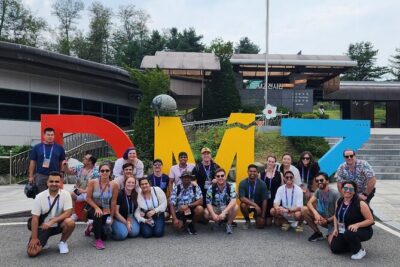
Best DMZ Tour Korea from Seoul (Red Suspension Bridge Optional)
Read our review →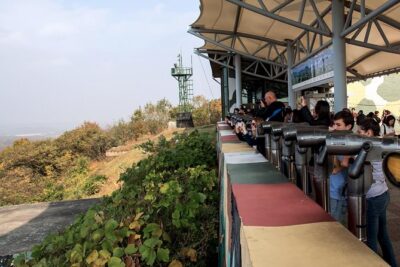
DMZ Tour: 3rd Tunnel, Option(Suspension Bridge, Boat) from Seoul
Read our review →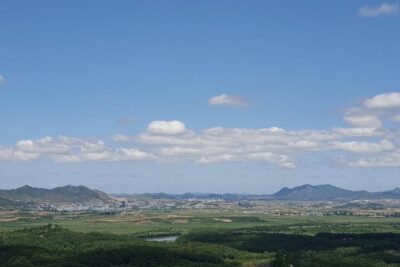
DMZ tour south Korea from Seoul (NK experience hall, defector)
Read our review →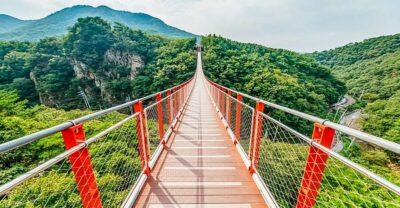
DMZ Insider Tour: 3rd Tunnel, NK Defector Meet & Red Bridge
Read our review →
Signature DMZ Tour: Exclusive Defector Talk & Suspension Bridge
Read our review →
Thrilling Korean DMZ 3rd Tunnel Tour from Seoul + Red Bridge Rush
Read our review →
DMZ Past and Present: Korean Demilitarized Zone Tour from Seoul
Read our review →Browse the lists this tour appears in