
Reviewed · MUSEUMS
Seoul: War Memorial of Korea Private Guided Museum Tour
The Korean War is not an old chapter sealed in a textbook. It still shapes the two Koreas, and this two-hour private tour gives you the political, military, and human context needed to understand modern Seoul. Guides such as Kichan Lee explain the conflict in a careful, even-handed way, while showing you material you could easily miss on your own.
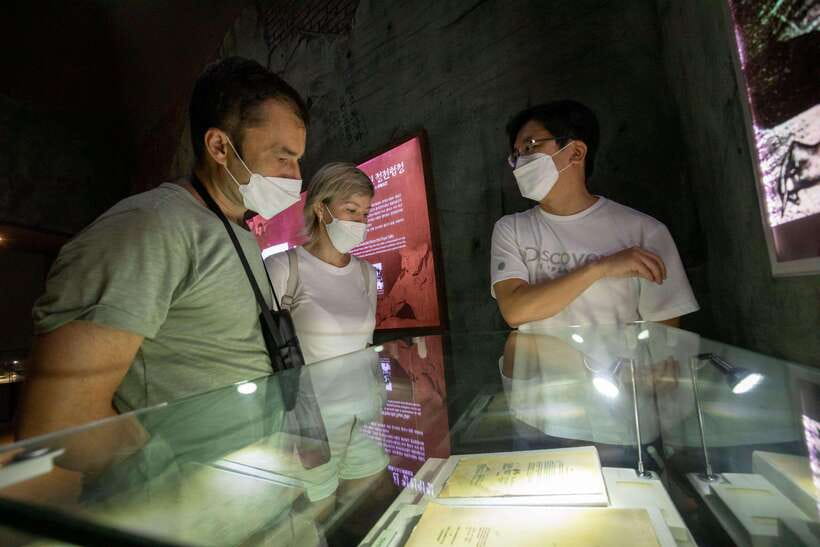
I like two things especially: the guide brings copies of documents and photographs to add context, and the private group is limited to five people. The main drawback is time. Two hours can feel rushed in a large museum, especially if you want to pause over every display.
Key points at a glance
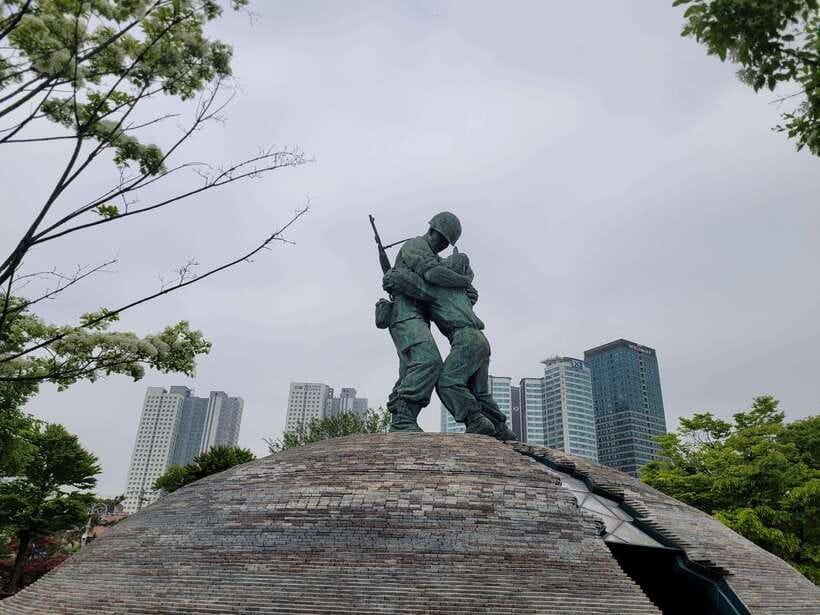
- Meet beneath the Statue of Brothers: The clear meeting point is near Samgakji Station Exit 12, at the south-west corner of the exterior exhibit area.
- Focus on Korean War Rooms I to III: The tour concentrates on the memorial’s central displays about the 1950 to 1953 conflict.
- A guide with peace studies experience: Kichan Lee and other guides bring backgrounds in Korean history, politics, peace movements, and DMZ tours.
- A civil and international view: You learn about military events, but also the war’s effect on Korean society and the role of outside powers.
- Private groups up to five: Your group can ask questions without trying to keep up with a crowd.
- Useful before a DMZ visit: The tour gives you the background needed to understand why the border remains such a powerful place.
Why the War Memorial matters before the DMZ
A DMZ tour can show you watchtowers, fences, tunnels, and a heavily guarded border. It cannot, by itself, explain how Korea reached this point. The War Memorial supplies that missing frame.
The Korean War began in 1950 and ended in 1953 with an armistice, not a peace treaty. That basic fact matters. It helps explain why the Korean Peninsula remains divided and why the DMZ is not simply a historic boundary on a map.
The memorial presents the war through military displays, but the guided tour adds social and political questions. You look at the conflict as both a civil war between Koreans and an international war shaped by outside involvement. That wider view is one of the tour’s main strengths.
I would take this tour before visiting the DMZ if your Seoul schedule allows it. You will recognize more of the language, dates, and political references later. Even if the DMZ is not on your itinerary, the visit gives you a better sense of the forces that shaped present-day South Korea.
A few more things to do in Seoul worth a look
- SEOUL: Gugak – Korean Traditional Music Museum&Concert Tour
★ 4.7 · 17 reviews - Layover tour to Gyeongbokgung-Folk Museum-Bukchon-Insadong
★ 4.8 · 6 reviews - Busan: Gyeongju UNESCO Legacy Tour with National Museum
★ 5.0 · 172 reviews
Meeting at the Statue of Brothers
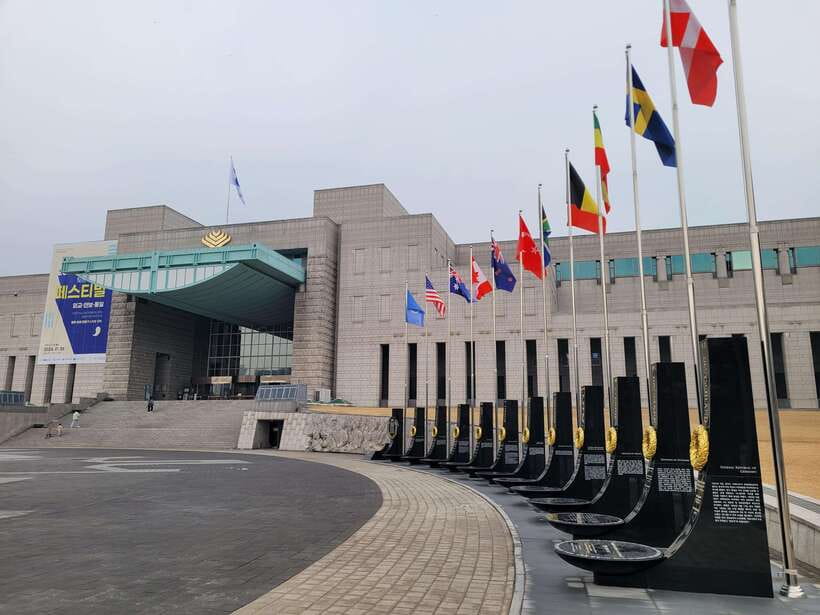
The tour begins beneath the Statue of Brothers, at the south-west corner of the memorial’s exterior exhibit area. This is a practical meeting point because the statue is easy to find from Exit 12 of Samgakji Station, served by Subway Lines 4 and 6.
Look for a guide holding a sign marked Korean War Memorial Guided Tour by Gangwon Peace Tours. The tour then moves inside for a two-hour walking visit through the Korean War Rooms I to III.
Arrive with enough time to find the statue and settle in. The meeting instructions are clear, but the War Memorial is a large complex, and rushing from the station is not the best way to begin a serious history tour.
Walking through Korean War Rooms I to III
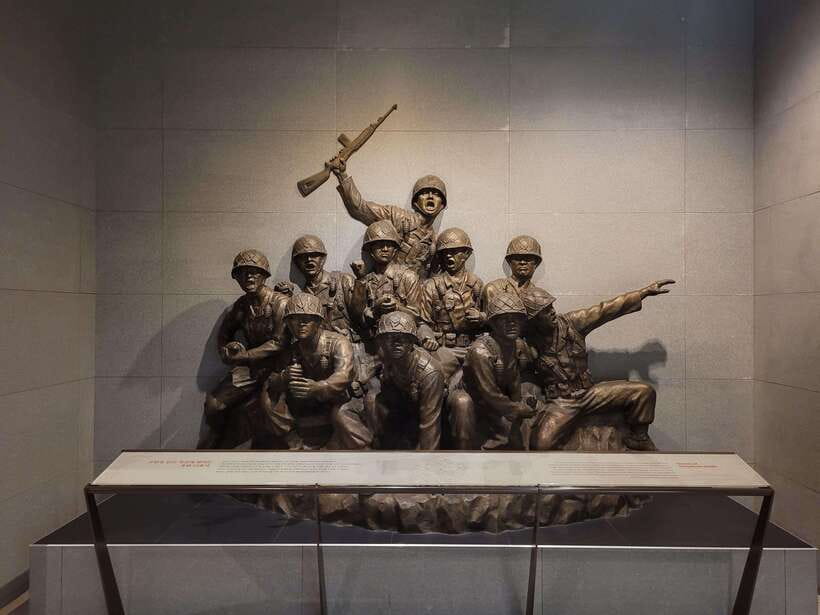
The main part of the visit takes place in the three Korean War rooms identified as Rooms I, II, and III. These are the sections to prioritize if you have limited time at the memorial.
A guide gives the displays a structure. Instead of wandering from object to object, you follow a historical thread and can stop to ask why a particular event mattered. The tour is designed to point out major facts about how the conflict began, how it developed, and how it affected the Korean people.
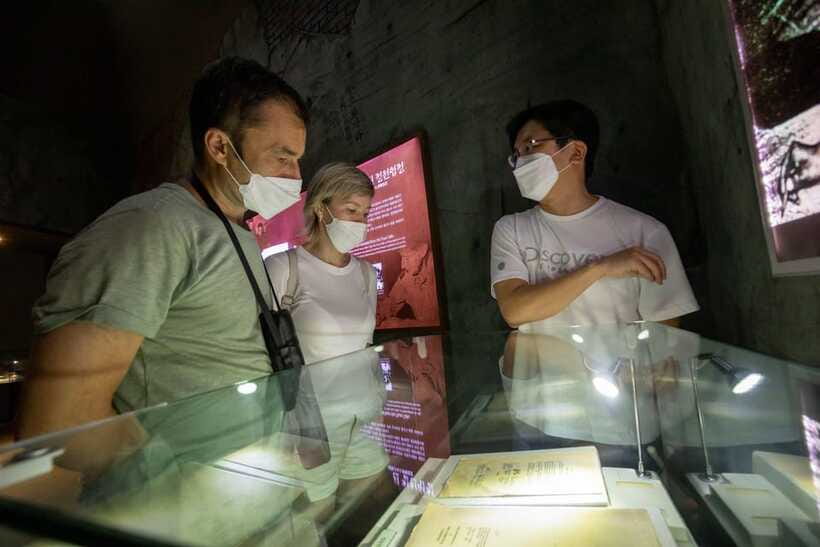
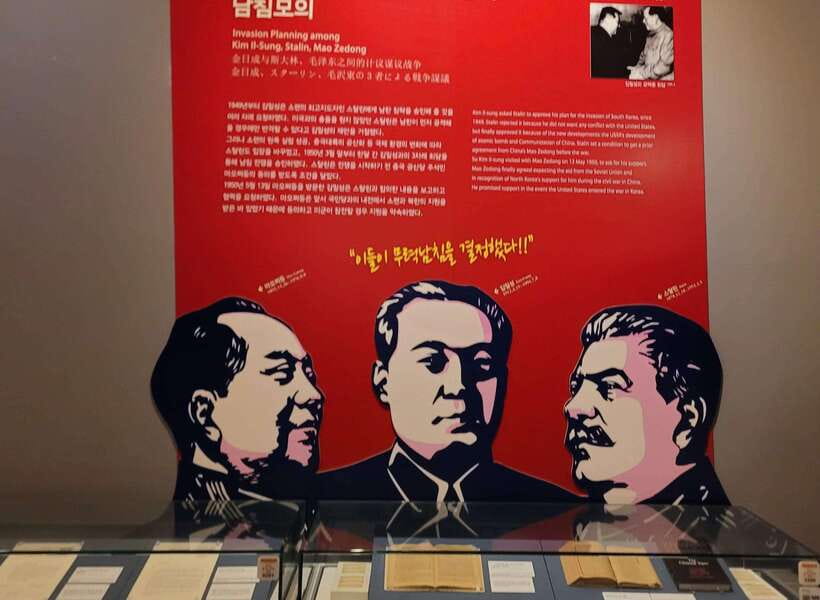
You also receive complementary materials, including photographs and copies of documents. These are useful because they give you something specific to examine while the guide explains the larger picture. The added material also helps bring attention to aspects that may not receive much space in the museum’s own presentation.
The tour is not only about battlefield movement. It addresses the human and social side of the conflict, which is important for understanding why the war remains such a painful subject in Korea. The focus on social effects was a particular strength of guides such as Kichan Lee and T, both of whom are described as engaging and well prepared.
A balanced explanation of a difficult conflict
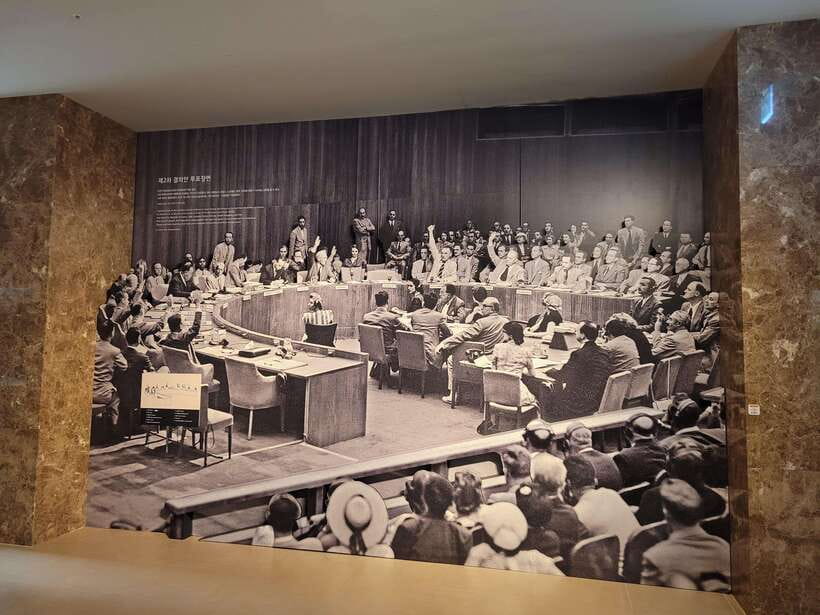
The Korean War can be presented as a simple contest between two sides. That approach may be easy to follow, but it leaves out much of the story. This tour aims to show the conflict from both Korean perspectives while also explaining its international dimension.
That balance does not mean the subject becomes bland. It means you are encouraged to understand competing claims, political decisions, and the experiences of people caught in the middle. The guide discusses facts and incidents connected with both sides of Korea, rather than repeating only the material most clearly displayed in the memorial.
That approach is especially useful for first-time visitors. You may arrive knowing only that North Korea invaded South Korea, or that the United States and other countries became involved. The guide adds the background needed to see the war as a civil conflict, an international confrontation, and a human disaster at the same time.
The tone is serious, but not stiff. The guides are described as objective, enthusiastic, and easy to follow. A touch of humor may appear, but this is not a light entertainment tour. The subject deserves attention, and the guide’s job is to make that attention manageable.
Same base, a different kind of day out:
- Best DMZ Tour Korea from Seoul (Red Suspension Bridge Optional)
★ 5.0 · 41,422 reviews - DMZ Tour: 3rd Tunnel, Option(Suspension Bridge, Boat) from Seoul
★ 5.0 · 21,373 reviews - DMZ tour south Korea from Seoul (NK experience hall, defector)
★ 5.0 · 20,599 reviews - Seoul: DMZ Tour with Optional Suspension Bridge
★ 4.8 · 5,277 reviews
Why a private group changes the experience
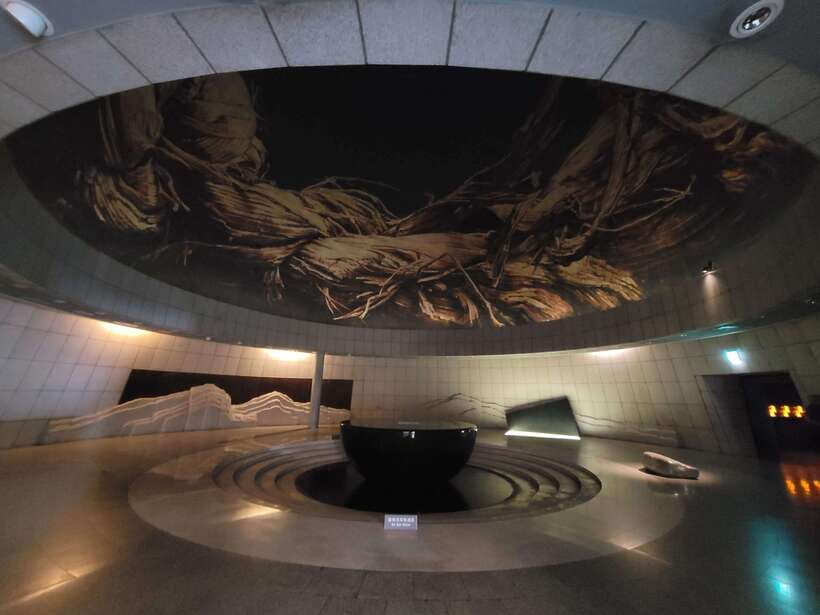
The tour is limited to one private group of up to five people. This matters more here than it would on a simple sightseeing walk.
The subject brings up questions, and you may want to ask about a particular document, political viewpoint, or connection with the DMZ. In a large group, those questions can slow the visit or disappear altogether. With five people or fewer, the guide can respond to your interests and adjust the pace when possible.
The private format also suits families, couples, and small groups who want a more focused visit. You are not listening through a crowded gallery while trying to keep track of a guide at the front. The tradeoff is price: $100 per group is strong value when divided among five people, but expensive for a solo visitor or a couple compared with a general museum visit.
The price includes the guide and walking tour. Food and drinks are not included, though a two-hour indoor history visit does not require a meal stop. Think of the fee as payment for interpretation and access to the guide’s time, not simply admission to a museum.
The guides and their approach
The guides have professional backgrounds in Korean history, politics, peace activism, peace studies, or DMZ tours. Kichan Lee is specifically praised for his command of the subject, calm explanations, and ability to answer follow-up questions. Other guides, including one identified as T, are also described as friendly, clear, and highly prepared.
The most valuable quality is not the number of dates a guide can recite. It is the ability to connect military events with the lives of Korean people and with the continuing division of the peninsula.
You should expect an English-language tour. The guide explains the material in a way that is intended to be accessible, even when the subject becomes politically or historically complicated. The best moments are likely to come when you ask questions, so arrive with a few of your own.
For example, you might want to ask how the museum presents the war, what perspectives receive less attention, or how the conflict connects with a later visit to the DMZ. The tour is built to discuss those wider issues, not just point at objects.
Why two hours can feel short
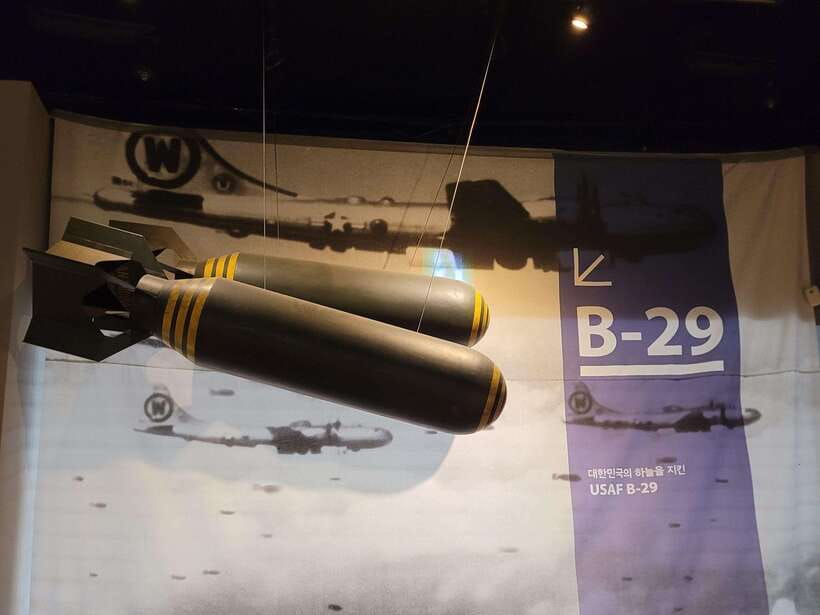
Two hours is enough for a guided route through the principal Korean War rooms. It is not enough for a slow, exhaustive visit to every display in the memorial.
That distinction is important. The museum is large, and the guide has to keep the group moving while allowing time for explanation. If you want to stop and read every panel, you may feel hurried. One practical solution is to treat the tour as your introduction, then remain afterward to revisit sections that caught your attention.
I like the two-hour length for a busy Seoul itinerary. It is long enough to provide real context without taking the entire day. Still, if you are a serious military-history enthusiast, you may wish the tour lasted another hour.
Wear comfortable shoes because this is a walking visit through a substantial museum. The experience is wheelchair accessible, but the activity is not suitable for people with visual or hearing impairments according to the stated conditions. Alcohol and drugs are not allowed.
When to schedule it in Seoul
Schedule this tour early in your Seoul stay if you plan to visit the DMZ. The background will make later explanations easier to understand, and you will have time to revisit the museum if you want more detail.
It also works well on a day when you want a serious cultural stop rather than a shopping district or palace visit. The tour takes place indoors, which can be useful when the weather is poor, though you still walk between meeting and exhibit areas.
The meeting point is near Samgakji Station, so check your route before leaving. The station is served by Lines 4 and 6, and Exit 12 is the recommended approach. After the tour finishes at the War Memorial, you can continue exploring the building on your own if time allows.
Who will get the most from this tour
I would recommend it most strongly to:
- First-time visitors who want to understand why Korea remains divided
- Anyone planning a DMZ tour
- Students and history-minded visitors
- People interested in peace studies or modern Korean politics
- Small groups who value questions and discussion
- Visitors who prefer a guide to a large museum with many rooms and displays
It may be less suitable if you want a quick look at military equipment without political discussion. It is also not the best choice if you dislike a structured walking tour or prefer to read every display at your own pace.
Families can benefit from the private format, especially if children or teenagers have questions. The subject is heavy, so parents should decide whether the Korean War’s human cost is suitable for their group.
Is $100 good value?
The $100 price is charged per private group of up to five people. At the full group size, that is $20 per person, which is a reasonable price for two hours with a specialist English-speaking guide.
For two people, the cost is $50 each. For a solo visitor, it is a much larger outlay. The museum itself may be worth visiting independently, but the fee pays for something you cannot get from the building alone: a planned route, added documents and photographs, historical interpretation, and the chance to ask questions in real time.
I would book it when you have three to five people. Couples should book if the Korean War is a major interest or if the DMZ is an important part of the trip. Solo visitors need to decide if a guided explanation is worth more than exploring the memorial independently.
Free cancellation is available up to 24 hours before the activity, and you can reserve now and pay later. Those terms make it easier to fit the tour into a changing Seoul schedule.
Should you book the Korean War Memorial tour?
Book it if you want more than a walk through a military museum. The strongest reason to go is the guide’s effort to place the Korean War in a civil, international, and social context.
I especially like the focus on material and stories that can be missed in the displays, along with the careful presentation of perspectives from both sides of Korea. The private group and English-language discussion add real value for visitors who want to ask questions.
Skip it if you have only a few spare minutes, dislike guided visits, or want a complete museum survey without stopping for explanation. For most people interested in modern Korea, though, this is a useful first step before the DMZ and a thoughtful way to understand the country beyond its surface attractions.
FAQ
How long does the tour last?
The guided walking tour lasts two hours.
How much does the tour cost?
The price is $100 per private group of up to five people.
Where does the tour begin?
It begins beneath the Statue of Brothers at the south-west corner of the War Memorial’s exterior exhibit area.
How do I find the meeting point?
Come to the War Memorial from Exit 12 of Samgakji Station, served by Subway Lines 4 and 6. The Statue of Brothers is easy to find from there.
How will I recognize the guide?
The guide will be holding a sign with the title Korean War Memorial Guided Tour by Gangwon Peace Tours.
Which part of the museum does the tour cover?
The tour focuses on Korean War Rooms I, II, and III, described as the highlights of the War Memorial of Korea.
Is the tour conducted in English?
Yes. The live tour guide language is English.
Is this a private tour?
Yes. It is for one private group of up to five people.
Is the tour wheelchair accessible?
Yes, the activity is listed as wheelchair accessible.
Can I cancel for a refund?
Yes. You can cancel up to 24 hours in advance for a full refund.
Just added in Seoul
- Suwon: Baseball Game with Fortress and Local Food Tour★ 5.0 · 3 reviews
- Seoul: Wine & Korean BBQ, Perfect Pairing Dinner in Sinchon★ 5.0 · 6 reviews
- Seoul : Your Personal Photographer in Gyeongbokung★ 5.0 · 7 reviews
- Seoul : Efoil Experience in Han River★ 5.0 · 5 reviews
- Seoul: Vivaldi Park Winter Ski with Eobi Ice Valley Day Tour★ 4.6 · 16 reviews
- Seoul: Vivaldi Park Winter Ski with Nami Island Day Tour★ 5.0 · 4 reviews
- Seoul: SnowyLand in Vivaldi Park with Nami or Alpaca★ 4.8 · 11 reviews
- Seoul: Sokcho beach, market, hot spring and Seorak Cable Car★ 4.8 · 5 reviews
Museums, compared.
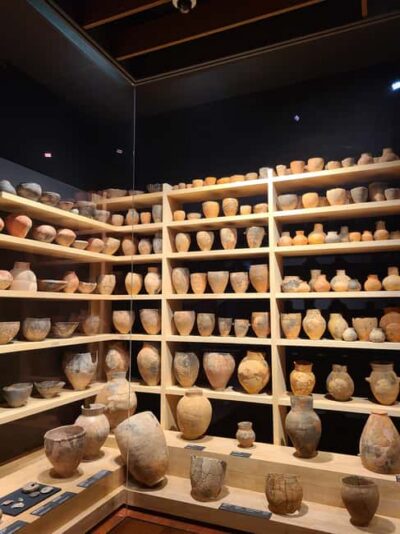
Gyeongju UNESCO Legacy Tour with National Museum
Read our review →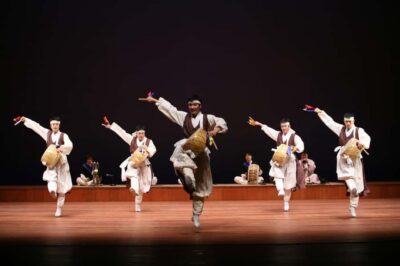
Gugak – Korean Traditional Music Museum&Concert Tour
Read our review →
Browse the lists this tour appears in