
Reviewed · DMZ & JSA TOURS
DMZTour from Seoul:3rd Tunnel,North Korea View&UNESCO Valley
The Third Tunnel gives this day its sharpest edge. You walk through a passage built by North Korea, then pair that sobering look at the divided peninsula with Dora Observatory, Imjingak’s peace monuments, and a view toward North Korea. The day finishes at Jaein Waterfall in Hantan UNESCO Geopark, so the experience moves from military tension to open air and forest.
I like the mix of serious history and scenery, and I like that the tour includes transport, admission fees, and a professional guide rather than leaving you to piece together a difficult region on your own. The main catch is the schedule: an early start, a long day, walking at the tunnel and waterfall, and lunch at your own expense.
Key points to know before booking
- Arrive early for the DMZ: One reported departure began around 6 a.m. because only 1,000 people at a time may enter the DMZ area.
- See North Korea from Dora Observatory: The view provides a direct visual sense of the division, not just a history lesson.
- Walk inside the Third Tunnel: This underground route shows the scale and purpose of one of the passages dug by North Korea.
- Pair the DMZ with Jaein Waterfall: The Hantan UNESCO Geopark stop adds forest, water, and a suspension bridge to a politically charged day.
- Expect a small-group feel on some departures: One outing had only five people, though group size can vary by booking option.
- Bring passport details at booking: Name, passport number, date of birth, and gender are required for DMZ entry.
Why this DMZ day trip is different
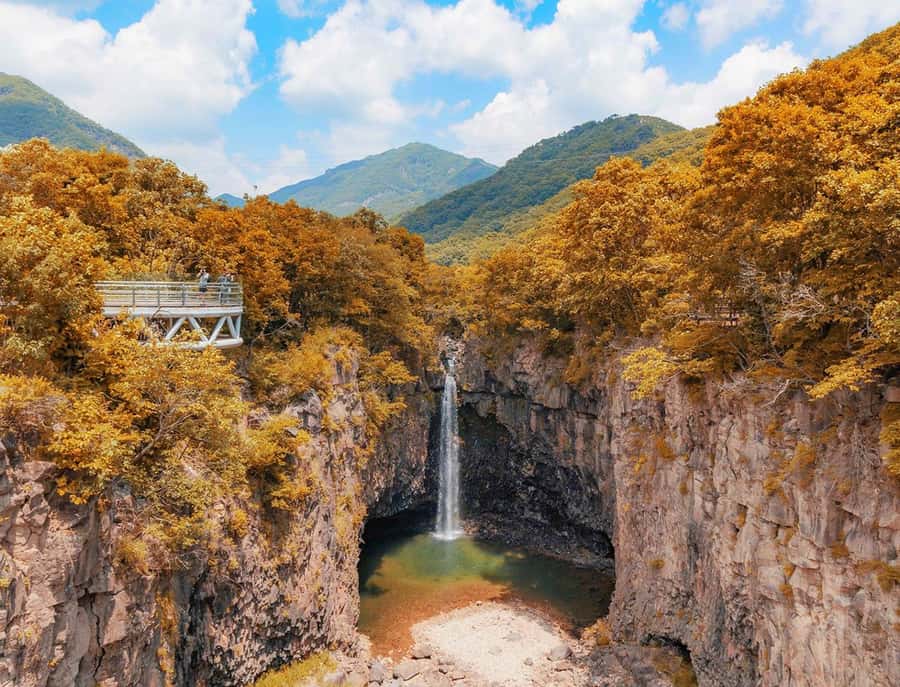
Many trips from Seoul focus only on the border zone. This one adds a full nature stop at Jaein Waterfall, making it more than a military-history outing. You spend part of the day thinking about borders, surveillance, and the division of Korea, then switch gears to a waterfall, wooded trails, and a suspension bridge.
That combination is the tour’s best idea. The DMZ can feel visually plain at first. It is a strip of guarded land, not a theme park packed with attractions. The value comes from the guide’s explanation and from understanding what you are looking at. Jaein Waterfall then gives you a more physical, scenic experience.
I would choose this tour if you want context, not just a quick photo beside a sign. Guides such as Alex Kim and Apollo have been praised for making the history clear and personal. Their role matters here because the significance of the stops is not always obvious from the roadside.
The price is $125 per person. That is not a bargain-basement excursion, but it covers round-trip transportation, attraction admission, and a professional guide. For a destination with controlled access and several separate stops, that package offers reasonable value. You still need to pay for lunch and personal purchases.
Other trips up to the border from Seoul:
- Best DMZ Tour Korea from Seoul (Red Suspension Bridge Optional)
★ 5.0 · 41,422 reviews - DMZ Tour: 3rd Tunnel, Option(Suspension Bridge, Boat) from Seoul
★ 5.0 · 21,373 reviews - DMZ tour south Korea from Seoul (NK experience hall, defector)
★ 5.0 · 20,599 reviews
The early start is part of the strategy
Do not treat the early departure as a minor detail. One outing began at about 6 a.m., and the reason was practical: access to the DMZ can depend on getting in line for limited tickets. Only 1,000 people at a time are allowed into the DMZ area, so a late start may mean waiting or a delayed entry.
That early hour can feel painful in Seoul, especially if you have been sightseeing the night before. I would accept it for this route. The early departure is not simply a way to fill the day with more stops. It helps protect your time at a place where security rules control the pace.
Your meeting point may vary according to the option you book, so check the exact departure instructions carefully. The tour ends back at the meeting point, which makes the return straightforward after a long day outside Seoul.
The route is best for people who can manage a full day with an early beginning. You should expect walking at the Third Tunnel and at the waterfall area. Comfortable shoes are a sensible choice, though the supplied details do not specify a formal dress code or particular accessibility arrangements.
Imjingak sets the tone for the day

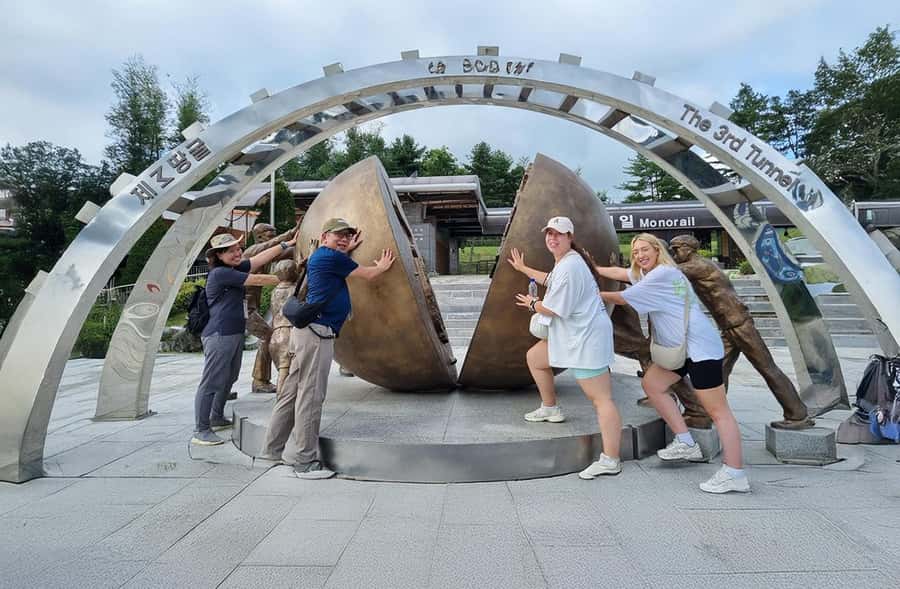
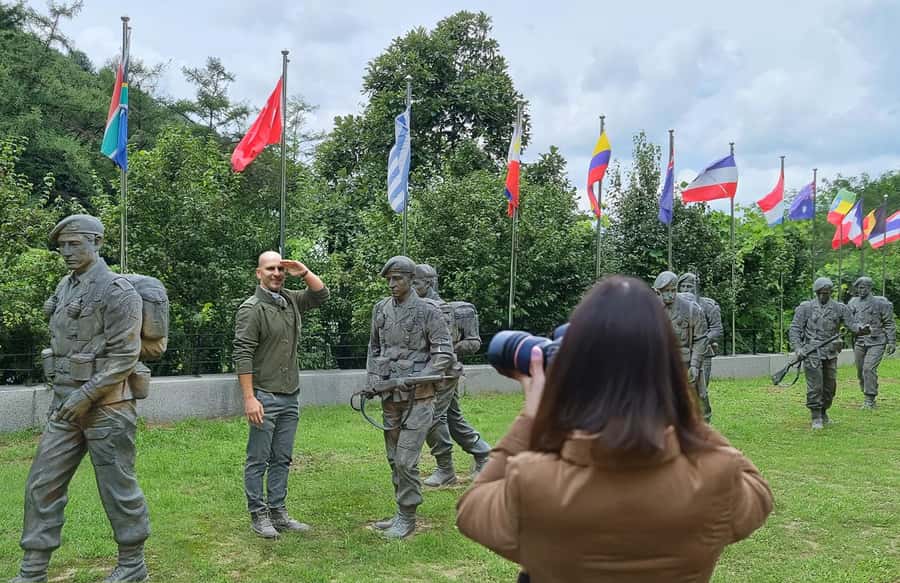
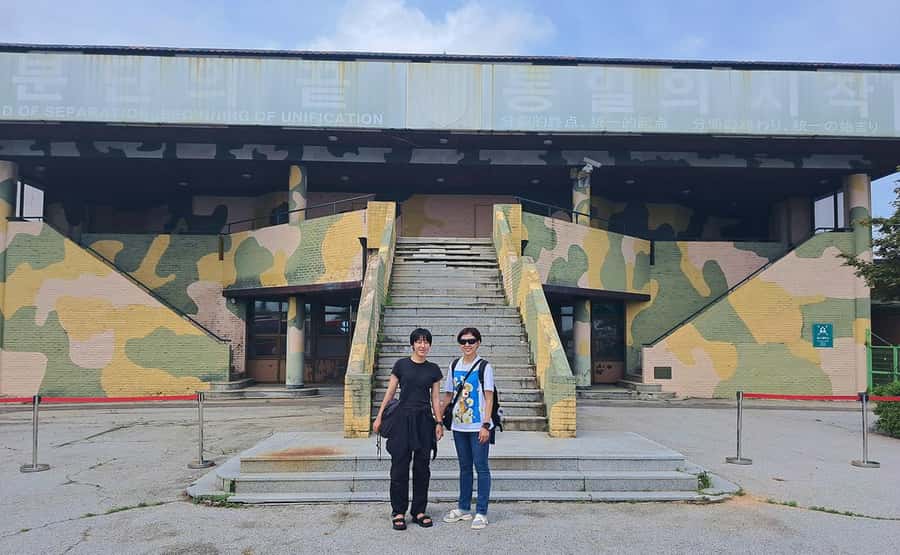
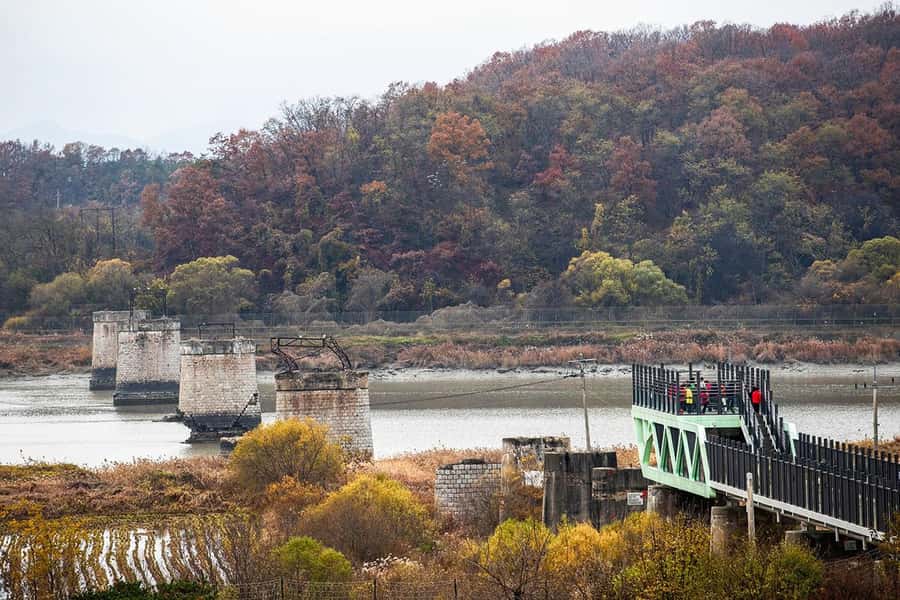
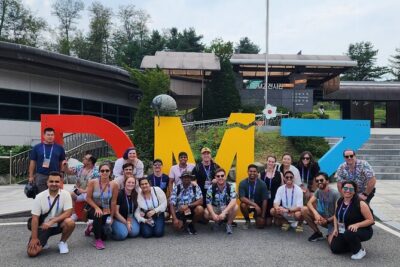
Imjingak is the most accessible emotional starting point. It is built around peace and unification, with monuments and public spaces that point to the hope of reconnecting a divided Korea. You have time here to take photographs, but the site works better if you pause and consider what the symbols represent.
This is not only a border photo stop. Imjingak helps explain why the DMZ remains such a powerful subject in South Korea. Families, soldiers, peace campaigners, and visitors all attach different meanings to the area. The monuments give you a human frame before the tour moves into the more controlled parts of the zone.
I like that the tour includes this stop before the Third Tunnel. You first encounter the division through public memory and hopes for peace. Then you see the physical evidence of military planning underground. The sequence gives the day a clearer shape.
Allow time for photographs, but do not expect every stop to feel dramatic in a conventional sightseeing sense. Some of the impact comes from the idea of the place and the stories your guide explains. A good guide is especially valuable at Imjingak because a monument can look simple until you understand its purpose.
The Third Tunnel brings the history underground
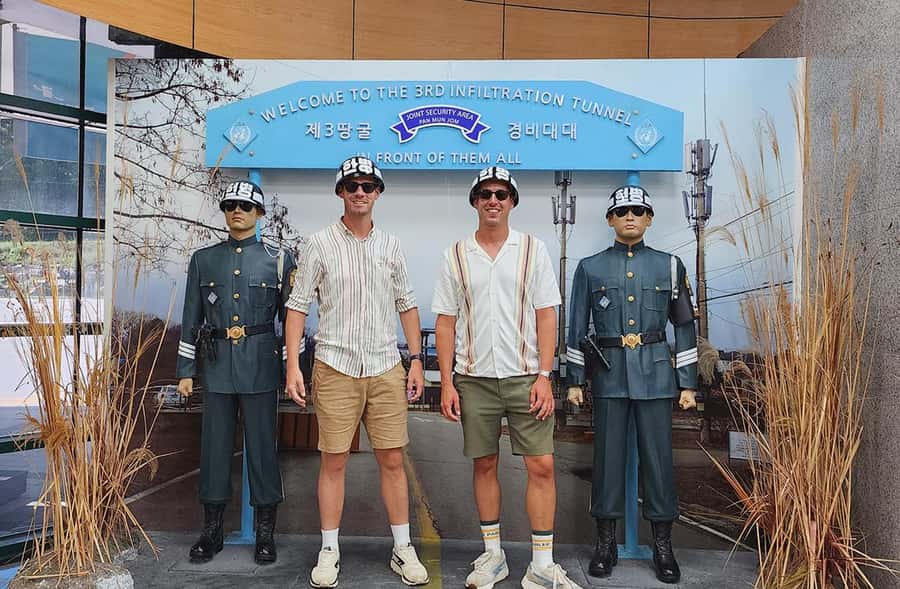
The Third Tunnel is the most hands-on historical stop. It is an underground passage dug by North Korea and later discovered by South Korea. Walking into it gives you a direct sense of the effort involved, far more effectively than seeing a diagram in a museum.
The tunnel’s appeal is not comfort. It is narrow, enclosed, and physically demanding enough to make you think about the people who built it and the military purpose behind it. The route offers a closer connection to the events than a distant viewing platform can provide.
Your guide explains why the tunnel matters and what it reveals about North Korea’s actions. This is where the tour’s educational value is strongest. Apollo, one of the guides associated with this experience, received particular praise for explaining the history during the day.
I would not book the tour expecting a relaxed walk. The tunnel is a genuine physical activity, and you may find the underground section more tiring than the photographs suggest. The supplied information does not provide a precise walking distance or accessibility details, so ask before booking if steep or enclosed routes are a concern.
Still, this stop earns its place. You do not merely hear that military tunnels existed. You enter one and see how the division shaped the ground beneath the peninsula.
Other listed sites within reach of Seoul:
- Day Trip to UNESCO: Suwon Fortress Adventure from Seoul
★ 5.0 · 56 reviews - DMZ Tour, 2nd Tunnel & UNESCO Suspension Bridge Tour from Seoul
★ 5.0 · 48 reviews - From Seoul: 5-Day Tour of Korea with UNESCO Sites
★ 4.8 · 22 reviews - Seoul: Ganghwa Island UNESCO World Heritage Private Tour
★ 5.0 · 8 reviews
Dora Observatory gives you the clearest North Korea view
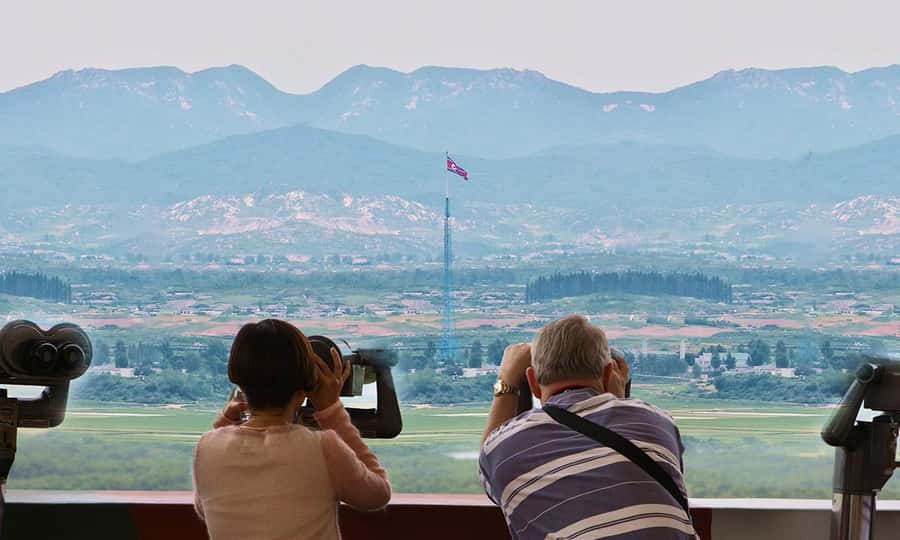
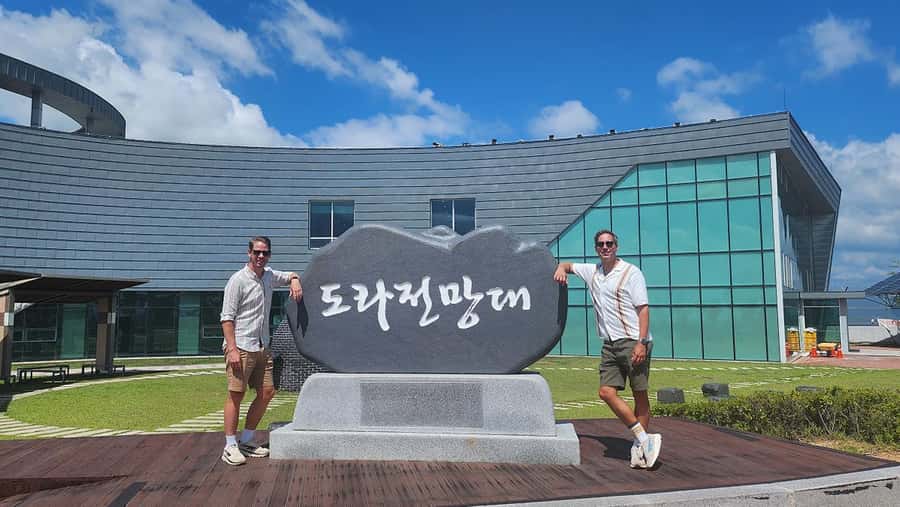
At Dora Observatory, you look toward North Korea from the South Korean side. The view is scenic, but its real force comes from the contrast between the calm countryside and the political reality behind it.
Do not expect a cinematic border scene every minute. From an observatory, you are looking across distance, and visibility can affect what you see. The attraction is the act of looking into a country that remains politically separate and difficult to visit freely. Your guide helps turn that view into something more meaningful.
This stop also shows why the DMZ is more than a line on a map. You can look across the boundary and see a broad rural setting rather than an obvious wall dividing two worlds. The quiet appearance can be misleading, which is precisely why the guide’s explanation matters.
I would give yourself time here instead of rushing through the photo opportunity. Take in the view, listen to the historical context, and notice how different this feels from the tight space of the Third Tunnel. Together, the two stops show the division from opposite angles: one underground and confined, the other open and distant.
Tongilchon adds another border-area perspective
Tongilchon is included among the tour’s DMZ-area stops. Its name is connected with unification, and its place on the route adds another look at life and meaning around the border region.
The available details do not specify exactly how long you spend there or which activities are included at this stop. I would therefore see it as part of the broader DMZ experience rather than book the tour for Tongilchon alone.
That is not a criticism. Border-area days often depend on security rules and operating conditions. The value of Tongilchon lies in the way it rounds out the itinerary, alongside Imjingak, the tunnel, and Dora Observatory. You get several angles on the region instead of one isolated attraction.
Jaein Waterfall changes the mood
Jaein Waterfall is the tour’s most refreshing surprise. Located in Hantan Geopark, part of a UNESCO Geopark area, it brings you into a setting of trees, trails, water, and open scenery after the controlled atmosphere of the DMZ.
The waterfall is a strong photo stop, especially in good weather. One outing had bright sunshine, which made the water and surrounding scenery especially striking. You can walk along scenic trails and enjoy a quieter side of Gyeonggi Province that feels far removed from Seoul.
The suspension bridge adds a little thrill. It is not just a viewpoint reached by bus, but part of an outdoor visit with movement and changing perspectives. You might find the bridge more exciting than expected if you are not fond of heights, though the supplied information does not give its exact length or height.
This is where the tour feels most balanced. The DMZ stops ask you to pay attention to history and politics. Jaein Waterfall lets you slow down and enjoy the setting itself. I like that the natural attraction is not a token photo stop squeezed into the schedule. It gives the day a second purpose.
The waterfall area also means you should plan for outdoor conditions. Trails may be wet or uneven, and comfortable shoes will make the visit easier. That is practical advice rather than a claim about a specific trail condition, since the detailed route surface is not provided.
How the guide affects the experience
The guide is central to this trip. The DMZ is not a place where a map and a few signs tell the whole story. You need explanations about the Korean War, the division, the tunnels, the observatory, and the meaning of the monuments at Imjingak.
Alex Kim and Apollo are two guide names connected with this experience. Alex has been praised for his zeal, personal attention, and ability to take visitors to places they knew little about. Apollo has been praised for handling the early start, explaining why the ticket line mattered, and making the history interesting throughout a small-group day.
Of course, guide assignments can vary. You should not book on the assumption that one specific person will lead your departure unless the booking option confirms it. Still, the standard of guiding is important enough to consider when comparing similar DMZ tours.
Languages offered are English, Chinese, and Korean. Choose carefully at booking so you receive the commentary in the language you need. Since much of the experience depends on interpretation, this detail matters more here than it would on a simple scenic transfer.
What the $125 price really covers
At $125 per person, the tour sits in the midrange for a full-day trip from Seoul. The included round-trip transport removes the hassle of arranging separate travel into Gyeonggi Province, and admission to the listed attractions is included.
You are also paying for coordination. DMZ access is not completely casual, and the 1,000-person limit can affect timing. Having a guide monitor the process and explain each stop gives the trip practical value.
Lunch is not included. Since this is a long day, plan for that expense and keep enough time in your schedule for a meal. The tour information does not specify a restaurant, menu, or meal stop, so do not assume food is covered.
Personal expenses are also separate. That includes anything you choose to buy along the route. The booking allows you to reserve now and pay later, which helps if your Seoul plans are still shifting. Cancellation is available up to 24 hours before departure for a full refund.
Passport details and other practical matters
DMZ entry requires passport information for every participant. You must provide each person’s name, passport number, date of birth, and gender. This is not optional paperwork to ignore until the morning of the tour, so have those details ready when booking.
Carry the same passport used for the booking process if the tour operator provides further instructions. The supplied information confirms that passport details are required, but it does not spell out every document check at each stop.
The itinerary ends where it begins, at the meeting point. Since the exact starting location depends on the selected option, verify it before setting out. A mistake here could be costly on a 6 a.m. departure.
You should also prepare for a long day that combines transport, history, an underground walk, viewpoints, and outdoor trails. I would bring water, food money, weather-appropriate clothing, and shoes suited to both the tunnel and the waterfall area.
Who should book this experience?
I would recommend this tour to you if you want the DMZ explained rather than simply photographed. It suits first-time visitors to the border region, people interested in modern Korean history, and anyone who likes mixing serious cultural sites with outdoor scenery.
It is also a good choice if you value a guide. Alex Kim and Apollo show how much a strong host can add to a day like this, especially when access rules and historical context are part of the experience.
I would hesitate if you dislike early mornings, long outings, enclosed spaces, or walking on natural trails. The DMZ itself may not look dramatic at every moment, and the day requires patience. The attraction is the meaning of the places, not a constant stream of spectacular sights.
Should you book the DMZ and Jaein Waterfall tour?
Book it if you want the full contrast: Imjingak’s peace message, the Third Tunnel’s stark military history, Dora Observatory’s view toward North Korea, and Jaein Waterfall’s open-air beauty. The $125 cost is justified by transport, admission, guiding, and the difficult logistics of reaching the DMZ.
Skip it if you want a short, easy outing with a late start and a guaranteed restaurant meal. For everyone else, this is a thoughtful, varied day that gives you both a clearer understanding of Korea’s division and a memorable piece of Gyeonggi Province’s natural scenery.
FAQ
What does this DMZ tour include?
The tour includes round-trip transportation, admission to the attractions, and a professional guide.
What places will I visit?
The route includes the DMZ, Imjingak, the Third Tunnel, Dora Observatory, Tongilchon, Hantan Geopark, and Jaein Waterfall.
Will I see North Korea?
Yes. At Dora Observatory, you can look toward North Korea and view the area from the South Korean side.
Do I need to provide passport information?
Yes. Every participant must provide a name, passport number, date of birth, and gender for DMZ entry.
Is lunch included?
No. Lunch expenses are not included in the tour price, so you should budget for your own meal.
What languages are available?
The tour is offered in English, Chinese, and Korean.
Can I cancel the booking for a refund?
Yes. You can cancel up to 24 hours in advance for a full refund.
Just added in Seoul
- Suwon: Baseball Game with Fortress and Local Food Tour★ 5.0 · 3 reviews
- Seoul: War Memorial of Korea Private Guided Museum Tour★ 4.9 · 29 reviews
- Seoul: Wine & Korean BBQ, Perfect Pairing Dinner in Sinchon★ 5.0 · 6 reviews
- Seoul : Your Personal Photographer in Gyeongbokung★ 5.0 · 7 reviews
- Seoul : Efoil Experience in Han River★ 5.0 · 5 reviews
- Seoul: Vivaldi Park Winter Ski with Eobi Ice Valley Day Tour★ 4.6 · 16 reviews
- Seoul: Vivaldi Park Winter Ski with Nami Island Day Tour★ 5.0 · 4 reviews
- Seoul: Sokcho beach, market, hot spring and Seorak Cable Car★ 4.8 · 5 reviews
DMZ & JSA Tours, compared.
Best DMZ Tour Korea from Seoul (Red Suspension Bridge Optional)
Read our review →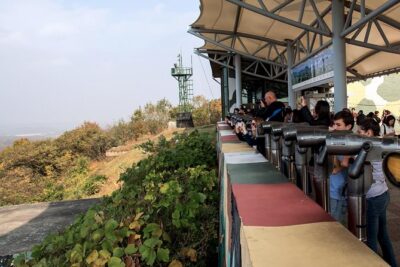
DMZ Tour: 3rd Tunnel, Option(Suspension Bridge, Boat) from Seoul
Read our review →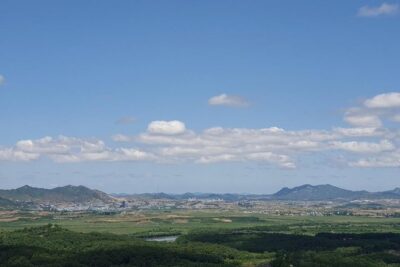
DMZ tour south Korea from Seoul (NK experience hall, defector)
Read our review →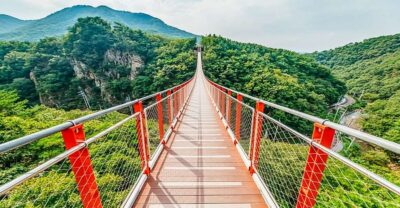
DMZ Insider Tour: 3rd Tunnel, NK Defector Meet & Red Bridge
Read our review →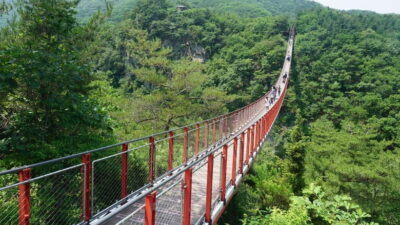
Signature DMZ Tour: Exclusive Defector Talk & Suspension Bridge
Read our review →
Thrilling Korean DMZ 3rd Tunnel Tour from Seoul + Red Bridge Rush
Read our review →
DMZ Past and Present: Korean Demilitarized Zone Tour from Seoul
Read our review →Browse the lists this tour appears in