
Reviewed · PALACE & GYEONGBOKGUNG TOURS
Seoul: Gyeongbokgung Palace Half day Tour
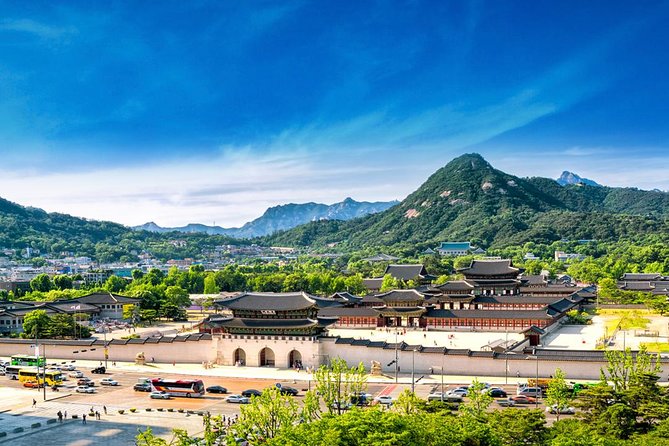
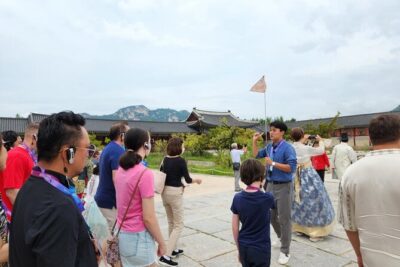
Gyeongbokgung Palace is the place to start if you want Seoul’s royal story explained rather than simply photographed. Built in 1394, it was the first and most important of Seoul’s five palaces, and this two-hour tour takes you from Gwanghwamun Gate through royal halls, offices, sleeping quarters, and the graceful Gyeonghoeru Pavilion.
I like the clear English explanations and the attention to small details, especially the animal statues placed around the palace. I also like that you can ask questions as you go. The main drawback is the strict meeting policy: arrive at the National Palace Museum of Korea on time, since late arrivals cannot join the group. The tour also needs at least four participants and does not operate at Gyeongbokgung on Tuesdays.
Key points to know before booking
- Gwanghwamun Gate is the starting point: Meet at the National Palace Museum of Korea, at 12 Hyoja-ro.
- The tour covers the palace’s main royal spaces: Expect the throne hall, king’s office, royal bed-chambers, queen’s bed-chamber, and Gyeonghoeru Pavilion.
- English explanations are the main reason to book: The guide connects architecture, Joseon kings, palace life, and animal figures.
- Admission is included: The listed price is $35 per person, with a mobile ticket.
- Small-group conditions matter: The maximum is 20 people, but the tour can be canceled if fewer than four book.
- Tuesday requires a different plan: Gyeongbokgung is closed that day, though a Deoksugung night tour may be available instead.
Why Gyeongbokgung is worth two focused hours
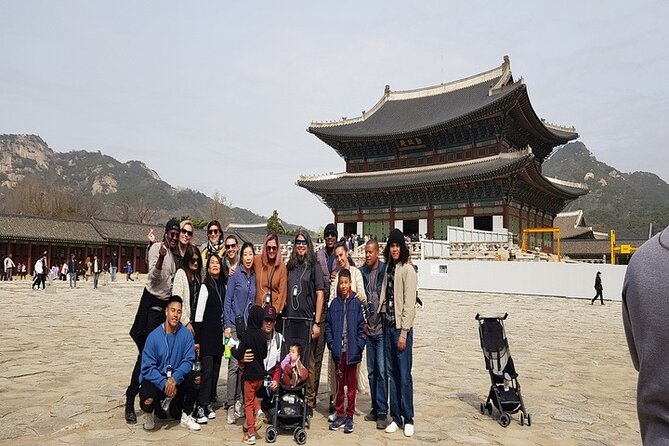
Seoul can make its past feel easy to miss. Glass towers, cafés, traffic, and shopping streets fill your day, while the city’s Joseon-era center sits behind broad gates and tiled roofs. Gyeongbokgung gives that earlier Seoul a clear setting.
The palace was built in 1394 and served as the main royal palace of the Joseon dynasty. It was damaged badly during the Japanese Colonial Period, but continuing restoration has helped preserve its major buildings and overall character.
That background matters because the palace is not just a collection of attractive courtyards. Each space had a job. Kings received officials in one building, worked in another, and slept in another. Queens had their own quarters. Ceremonial rooms needed a different design from private rooms.
I like a tour here because the buildings can look similar at first. An English-speaking guide helps you notice the differences. You hear why a hall mattered, how royal life was organized, and what the repeated animal figures mean. Without that context, you might walk through quickly, take a few pictures, and miss the palace’s best details.
The experience lasts about two hours. That is enough time for a focused introduction without taking over your whole Seoul day. You will not see every corner of the palace complex in depth, but you will cover its most important spaces.
More palace and old-quarter walks in Seoul:
- Seoul: Gyeongbok Palace, Bukchon Village, and Gwangjang Tour
★ 4.9 · 2,321 reviews - Best Seoul City Tour (Gyeongbokgung Palace,Insadong,Namsan Tower)
★ 5.0 · 1,647 reviews - Small-Group Royal Palace and Seoul City Tour (hotel pick-up)
★ 5.0 · 1,474 reviews
Meeting at the National Palace Museum of Korea
The meeting point is the National Palace Museum of Korea at 12 Hyoja-ro in Jongno District. The tour ends at 7-25 Tongui-dong, also in the palace area.
You receive confirmation at booking, and the operator sends the meeting place and time by email or WhatsApp. You must provide a name and a contact number that works in Korea, or an available messaging contact such as WeChat or LINE.
This is not the kind of tour where you can casually wander in and catch up later. The operator does not allow joining after the tour has started, because a late arrival can delay the group. I would save the meeting message, check the route ahead of time, and allow extra time to find the museum.
One useful detail comes from the experience of a participant named Gabriela. She helped a participant who had walked to the wrong meeting place and went out of her way to find them. That suggests a caring approach, but it should not replace careful planning. You should still confirm the location and arrive early.
The palace is near public transportation, so reaching the area is practical. The exact meeting time is provided through the operator rather than in the basic tour description, so keep an eye on your messages before the day of the tour.
Gwanghwamun Gate and the palace entrance
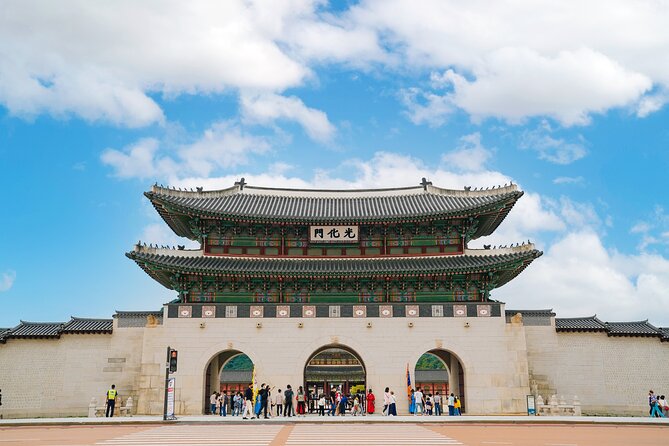
The first stop is Gwanghwamun Gate, the south gate of Gyeongbokgung. It is a fitting place to begin because it introduces both the scale and the formal design of the palace.
A guide can give this gate meaning beyond its size and appearance. You learn how the palace was arranged and why the entrance was such an important part of royal architecture. This is also where the story of Joseon begins to take shape.
I would pay attention to the roofline, the gate’s broad form, and the transition from Seoul’s modern streets into the palace grounds. The contrast is part of the appeal. You are in central Seoul, yet the first stage of the tour shifts your attention to a royal compound built more than six centuries ago.
The start can also be busy with other people visiting the palace. The tour’s value is not simply getting through the entrance. It is having someone explain what you are seeing before you move farther inside.
Geunjeongjeon, the throne hall
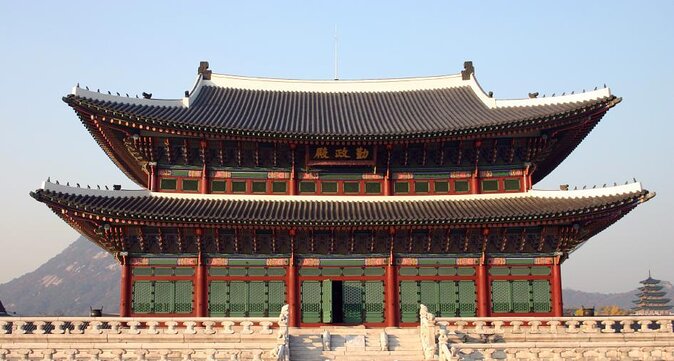
Geunjeongjeon is the main throne hall and one of the most important stops on the route. This is where the palace’s public and ceremonial side becomes clear.
The building’s role helps you understand the difference between a royal palace and a private residence. It was designed for formal occasions, official business, and the public image of the king. The guide explains the hall’s place in the Joseon court and points out architectural features that are easy to overlook.
I find this kind of explanation especially useful for first-time visitors. A grand hall can seem impressive but vague. Once you know it was used for major royal events, its scale and arrangement become easier to read.
The tour does not treat the palace as a backdrop for photos. It connects the building to the kings who used it and to the structure of Joseon government. If you are interested in Korean history or architecture, this is likely one of the strongest parts of the experience.
Same base, a different kind of day out:
- Best DMZ Tour Korea from Seoul (Red Suspension Bridge Optional)
★ 5.0 · 41,422 reviews - DMZ Tour: 3rd Tunnel, Option(Suspension Bridge, Boat) from Seoul
★ 5.0 · 21,373 reviews - DMZ tour south Korea from Seoul (NK experience hall, defector)
★ 5.0 · 20,599 reviews - Seoul: DMZ Tour with Optional Suspension Bridge
★ 4.8 · 5,277 reviews
Sajeongjeon and the working palace
Sajeongjeon was the king’s office space. It gives the tour a more practical turn, moving away from ceremony and toward the business of ruling.
This stop helps correct a common impression that palace life was all grand halls and formal appearances. Kings also spent long hours dealing with officials and decisions. The guide explains how the office space fit into the palace and how it relates to the stories of famous Joseon kings.
For me, this is where a short guided visit earns its price. You are not just moving from one photogenic building to another. You are following the working structure of the court, from public ceremony to daily administration.
The two-hour limit means the explanations need to remain focused. That is helpful if you want a strong introduction, but less ideal if you hope to study every architectural detail at length. You can ask questions, though, so prepare one or two topics in advance if a particular king or period interests you.
Gangnyeongjeon and Gyotaejeon, the royal living quarters
Gangnyeongjeon was the king’s bed-chamber, while Gyotaejeon served as the queen’s bed-chamber. These spaces show the more private side of the palace.
The contrast with Geunjeongjeon is important. The throne hall represents official power, while the bed-chambers point to the routines and separation of palace life. The guide uses these buildings to explain how the royal household was arranged.
I like having both the king’s and queen’s quarters included because it makes the palace feel less one-sided. A palace story can easily focus only on kings and ceremonies. These stops broaden the picture and give the queen’s role a visible place in the tour.
Do not expect a modern home tour or a long look at every interior detail. The visit is an overview of the spaces and their purpose. Still, the shift from public rooms to private quarters adds variety and keeps the route from becoming a series of similar formal halls.
The palace’s animal statues also fit well into this part of the visit. The guide discusses the animals placed throughout Gyeongbokgung and explains how these figures contribute to the palace’s design and symbolism. Look around as you walk. Some of the best details are not at eye level.
Gyeonghoeru Pavilion and the palace setting
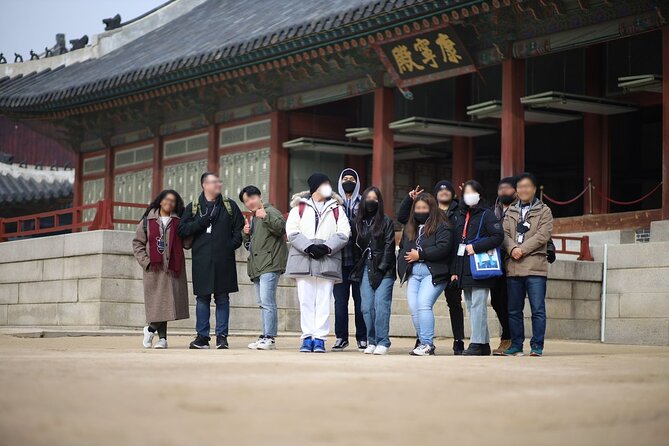
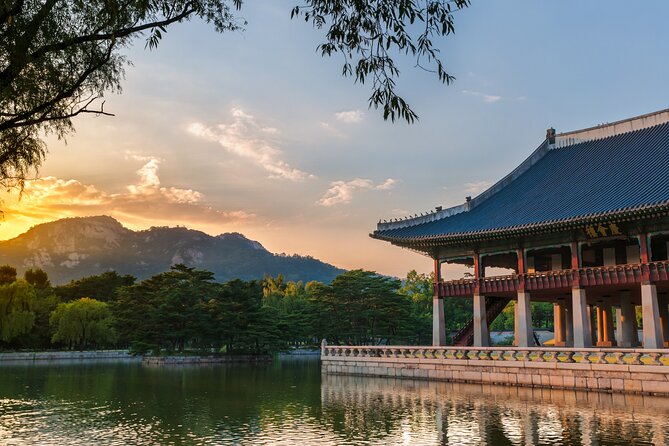
Gyeonghoeru Pavilion was used as an event hall and is one of the most memorable places on the route. Its open design gives the palace a different mood after the enclosed halls and working spaces.
This stop is useful for understanding how the royal compound accommodated events and formal gatherings. It also gives the tour a visual change, with a more open setting and a strong connection between architecture and surroundings.
The pavilion is not just a final photo stop. Its purpose helps complete the palace story. You have seen the entrance, the throne hall, the king’s office, and the royal sleeping quarters. Gyeonghoeru shows another side of court life, where the palace served as a setting for events.
The guide’s explanations about architecture are particularly helpful here. If you are interested in proportions, roof design, or the way buildings relate to one another, ask questions while you are at the pavilion. This is one of the places where a short explanation can make the design easier to appreciate.
What the English guide adds
The strongest reason to choose this experience is the English explanation. Gyeongbokgung is easy to visit independently, but the palace’s meaning is less obvious when you only follow signs and take photos.
The guide covers the Joseon dynasty, famous kings, palace architecture, and animal statues. You can ask questions throughout the visit, which makes the experience more flexible than listening to a fixed audio track.
Gabriela is specifically associated with a warm and helpful experience, including assistance when someone went to the wrong meeting point. If she leads your departure, you can expect a friendly presence based on that account, though guide assignments may vary.
The group can include up to 20 people. That is small enough to feel organized, but not necessarily intimate. If you want a private experience, the operator asks you to request a private-tour estimate by email.
Recording or filming the tour is not allowed. You should plan to listen and take brief personal notes or photographs where permitted, rather than trying to document the full explanation.
Is $35 a fair price?
At $35 per person, the tour is priced above a simple self-guided palace visit, but admission is included. The real question is how much you value a clear English explanation during your two hours inside the palace.
I think the price is reasonable for a first visit if Korean royal history is new to you. You are paying for structure, interpretation, and the chance to ask questions. That can save you from spending an hour looking at buildings without understanding their roles.
Independent visitors may prefer to pay only the admission cost and explore at their own pace. That option gives you more freedom to linger, leave, or return to a favorite building. This tour is better suited to someone who wants the main story delivered in a focused visit.
The value also depends on your schedule. Two hours is short enough to fit before or after other Jongno sights, but the fixed meeting time means you need to plan around it. If your Seoul schedule is already packed, avoid booking it too close to another appointment.
Weather, group size, and practical limits
The experience requires good weather. If poor weather causes cancellation, you are offered another date or a full refund.
A minimum of four participants is required. If fewer than four book, the operator can cancel and will send notice through WhatsApp. The maximum group size is 20 people, so the experience is not guaranteed to be a tiny group.
Gyeongbokgung is closed on Tuesdays. A Deoksugung night tour may be available instead, but you should confirm the alternative when booking.
Pets are not allowed, and there is no special place to leave them. Most people can participate, but the supplied information does not provide a detailed accessibility description, so ask the operator if you have specific mobility needs.
Free cancellation is available up to 24 hours before the start time for a full refund. Cancellations or schedule changes inside that 24-hour window are not accepted. If you fail to provide a working Korean contact number or usable messaging contact, the operator does not take responsibility for a missed tour.
Who should book this palace tour?
I would choose this tour if you are visiting Gyeongbokgung for the first time and want the palace explained in English. It also suits you if you like architecture, royal history, and small symbolic details, but do not want to spend half a day reading every sign.
Families and adults with limited time may appreciate the two-hour format. The route covers the palace’s central story without asking you to commit an entire morning or afternoon.
Independent history buffs may find the schedule too brief. You may prefer to explore alone if you want to linger in one building, take photographs at your own pace, or study the grounds without a group.
Before booking, check three things: the palace is open on your chosen day, you can arrive at the museum meeting point on time, and the minimum group requirement has been met. Those details matter more here than they do on a flexible hop-on, hop-off activity.
Should you book it?
Book this experience if the difference between seeing Gyeongbokgung and understanding it matters to you. The route covers the gate, throne hall, office, royal quarters, and pavilion, while the guide adds stories about Joseon kings, palace architecture, and animal figures.
Skip it if you prefer complete independence or want a long, unhurried visit. At $35, the value comes from the English explanations and questions you can ask, not from extra time inside the grounds.
For most first-time visitors with a free two-hour window, I would book it. Just confirm the meeting details, leave your working contact information, and avoid Tuesday.
FAQ
How long does the Gyeongbokgung Palace tour last?
The tour lasts approximately two hours.
What language is the tour conducted in?
The tour provides detailed explanations in English.
How much does the tour cost?
The listed price is $35 per person.
Is palace admission included?
Yes, the admission ticket is included in the tour price.
Where does the tour begin?
The tour begins at the National Palace Museum of Korea, 12 Hyoja-ro, Jongno District, Seoul.
Where does the tour end?
The tour ends at 7-25 Tongui-dong, Jongno District, Seoul.
What palace areas are visited?
The route includes Gwanghwamun Gate, Geunjeongjeon, Sajeongjeon, Gangnyeongjeon, Gyotaejeon, and Gyeonghoeru Pavilion.
Does the tour operate on Tuesdays?
No. Gyeongbokgung Palace is closed on Tuesdays. A Deoksugung night tour may be available instead.
How many people can join the tour?
The maximum group size is 20 people. The tour can be canceled if fewer than four people book.
Can I cancel for a full refund?
Yes. You can cancel at least 24 hours before the experience starts for a full refund. Cancellations or changes made less than 24 hours before the start time are not accepted.
Just added in Seoul
- Your Personal Seoul Photographer!★ 4.1 · 15 reviews
- You’re Invited to Our Home in Seoul: The Only Cooking Class!★ 5.0 · 8 reviews
- From Seoul: Yongpyong Ski Day Tour with Transportation★ 4.9 · 40 reviews
- Seoul: Korean & English Language Exchange Global Party★ 5.0 · 28 reviews
- From Seoul: Hwacheon Ice Fishing and Lighting Festival Tour★ 4.5 · 4 reviews
- Unique Native Experience : Han River Picnic, Board game, BBQ★ 5.0 · 3 reviews
- Seoul: Gangneung BTS K-Pop & K-Drama Filming Locations Tour★ 4.6 · 14 reviews
- K-Pop Making Class with a Producer!★ 5.0 · 3 reviews
Palace & Gyeongbokgung Tours, compared.
Gyeongbok Palace, Bukchon Village, and Gwangjang Tour
Read our review →
Best Seoul City Tour (Gyeongbokgung Palace,Insadong,Namsan Tower)
Read our review →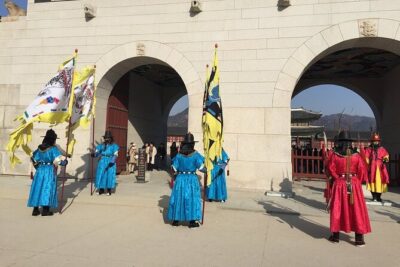
Small-Group Royal Palace and Seoul City Tour (hotel pick-up)
Read our review →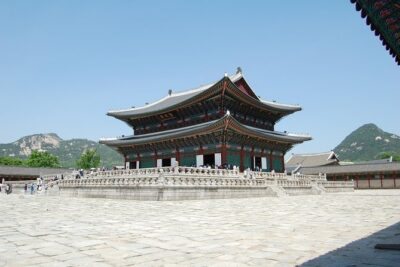
Seoul City Sightseeing Tour Including Gyeongbokgung Palace, N Seoul Tower, and Namsangol Hanok Village
Read our review →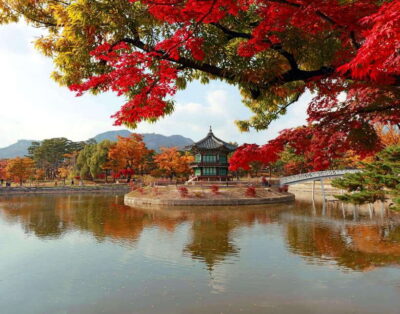
Seoul Highlights: Gyeongbok Palace, Insadong & N Seoul Tower
Read our review →
Seoul City Half Day Tour-Gyeongbok Palace Guard Changing Ceremony
Read our review →
Browse the lists this tour appears in