
Reviewed · PALACE & GYEONGBOKGUNG TOURS
Small-Group Seoul Tour with Gyeongbokgung Palace (hotel pick-up)
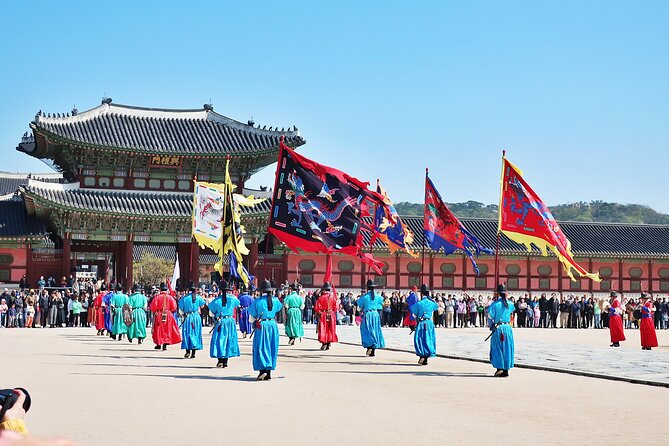
The best part of this Seoul morning tour is the royal guard-changing ceremony at Gwanghwamun Gate, followed by time inside Gyeongbokgung Palace. You get the colorful public ritual, grand palace courtyards, and a quick look at how Korea’s royal court worked, all before lunch.
I like the tight route and the small maximum of 15 people. I also like the mix of places: Jogyesa Temple adds a living religious site, while the National Folk Museum explains ordinary Korean life beyond palace walls.
The catch is the Korean ginseng center. It is included as a cultural stop, but it also has a clear sales purpose. You should also know that Tuesday’s itinerary changes, and weather or large crowds can affect the guard ceremony and palace time.
Key points to know before booking
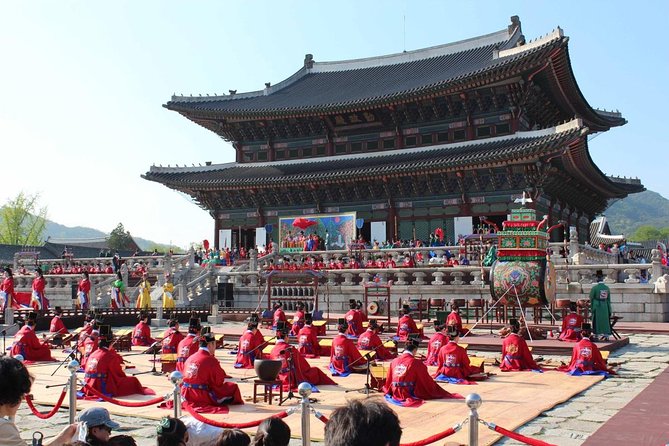
- Guard ceremony at Gwanghwamun: The tour aims to position you for the royal guard-changing performance before entering the palace.
- Three-hour route with strong historical range: You move from Korean Buddhism to royal court life and then to daily customs.
- Central Seoul hotel pickup: Pickup is offered from centrally located hotels, with drop-off in Insadong or at City Hall.
- Tuesday palace switch: Gyeongbokgung is closed on Tuesdays, so the route changes to Changdeokgung and its Secret Garden.
- Ginseng center stop: You can taste ginseng tea, but expect a product presentation and sales pitch.
- Good value at $39.73: Transport, guide, palace admission, museum admission, taxes, and bottled water are included.
A compact Seoul morning with a clear purpose
This is a practical introduction to Seoul’s old royal quarter. In about three and a half hours, you see a Buddhist temple, a palace gate, a royal residence, a museum, and the road outside the Presidential Blue House.
The tour begins at 9:00 a.m. and uses a climate-controlled vehicle between stops. That matters in Seoul, where summer heat, winter cold, rain, and long walks can make a sightseeing morning harder than it looks on a map.
The group can have up to 15 people. That is not a private tour, but it is small enough for a guide to answer questions and help with photos. Several guides are named in the experience details, including Sookhee, Young, Junie, Brian, Joo Ee, Lua, and Mr. Bk. The strongest pattern is clear: the quality of the morning depends heavily on the guide, and the best ones add plenty of historical context while adjusting the pace for heat, rain, children, or older family members.
You should have moderate physical fitness. The palace grounds involve walking over cobblestones, gravel, and uneven paths, with steps in places. The route is not a good fit if you have serious mobility limits, back problems, heart complaints, or another major medical condition.
More palace and old-quarter walks in Seoul:
- Seoul: Gyeongbok Palace, Bukchon Village, and Gwangjang Tour
★ 4.9 · 2,321 reviews - Best Seoul City Tour (Gyeongbokgung Palace,Insadong,Namsan Tower)
★ 5.0 · 1,647 reviews - Small-Group Royal Palace and Seoul City Tour (hotel pick-up)
★ 5.0 · 1,474 reviews
Jogyesa Temple brings Seoul’s faith into the route
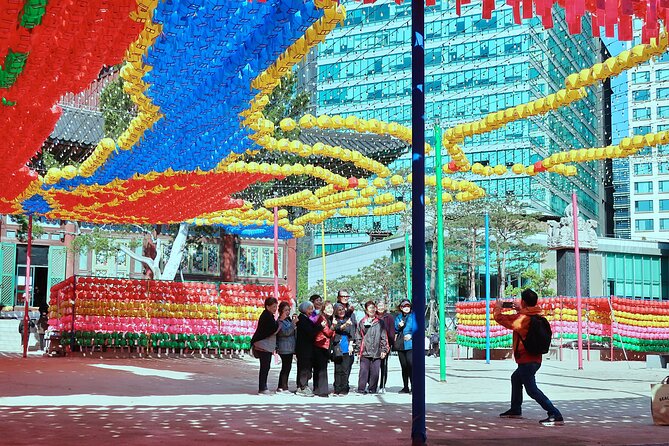
Jogyesa Temple is a useful first stop because it is not a royal reconstruction or a museum display. It is a functioning Buddhist temple in the middle of central Seoul, close to the busy streets of Jongno.
The visit lasts about 30 minutes. You walk through the colorful compound and hear about Zen Buddhism in Korea. The contrast is immediate: city traffic and office blocks sit close to a quiet religious site.
This stop can vary depending on worship activity. If a service is taking place, access inside the temple may be restricted, so you may spend more time viewing the grounds than entering the main building. The supplied tour details describe the temple visit as guided, but the level of explanation can depend on where the group is allowed to go and how much time remains.
I like Jogyesa because it gives the palace visit a wider setting. You are not only looking at old buildings. You are also seeing a religious tradition that remains part of modern Seoul.
Keep your expectations sensible. Thirty minutes is enough for an introduction, not a full study of Korean Buddhism. If you want a quiet, extended temple visit, this tour moves too quickly. If you want a short stop that helps you understand the city, it does its job.
Blue House Square offers a quick photo stop
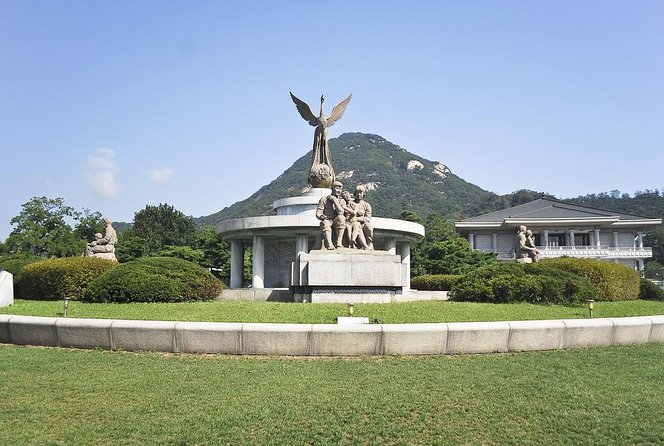
The route continues to Blue House Square for a look toward Cheong Wa Dae, known as the Blue House because of its blue-tiled roof. The site served as the official presidential office and residence.
You do not go inside. The vehicle passes along the front road, with Mt. Bukak visible in the background, and the stop is mainly for photographs and a short explanation.
This is a brief visual pause rather than a major sightseeing visit. It works well if you want to connect Seoul’s historic center with its modern government district. It is less satisfying if you expect a museum, interior tour, or a long walking stop.
The tour description places this stop between Jogyesa Temple and Gwanghwamun Gate. Exact timing can shift with traffic, weather, or the size of the group.
The guard ceremony is the morning’s visual highlight
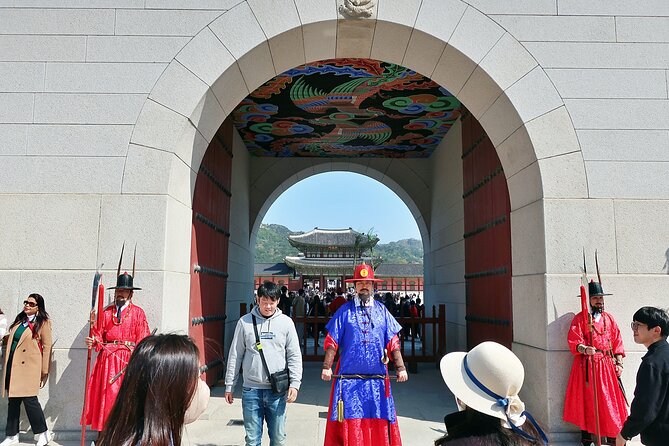
At Gwanghwamun Gate, keep your camera ready. The royal guard-changing ceremony is designed to recreate the formal announcement and changing of palace guards.
The ceremony is free to watch, and the stop lasts about 20 minutes. Your guide aims to place the group well for the performance, which is valuable because the gate area can draw a crowd.
The event is theatrical, colorful, and easy to photograph. It gives you a quick sense of royal ceremony before you walk through the palace grounds. It is also worth keeping in mind that it is a performance, not an uninterrupted historical ritual from the Joseon period.
Weather can interfere. Rain has caused the ceremony to be canceled, and heavy crowds during holidays can also affect the timing. If the guard ceremony is your main reason for booking, avoid assuming it is guaranteed under every condition.
The tour schedule also means you do not linger here for a long time. The goal is to see the ceremony and move into Gyeongbokgung Palace, not spend the entire morning around the gate.
Same base, a different kind of day out:
- Best DMZ Tour Korea from Seoul (Red Suspension Bridge Optional)
★ 5.0 · 41,422 reviews - DMZ Tour: 3rd Tunnel, Option(Suspension Bridge, Boat) from Seoul
★ 5.0 · 21,373 reviews - DMZ tour south Korea from Seoul (NK experience hall, defector)
★ 5.0 · 20,599 reviews - Seoul: DMZ Tour with Optional Suspension Bridge
★ 4.8 · 5,277 reviews
Gyeongbokgung Palace explains royal life
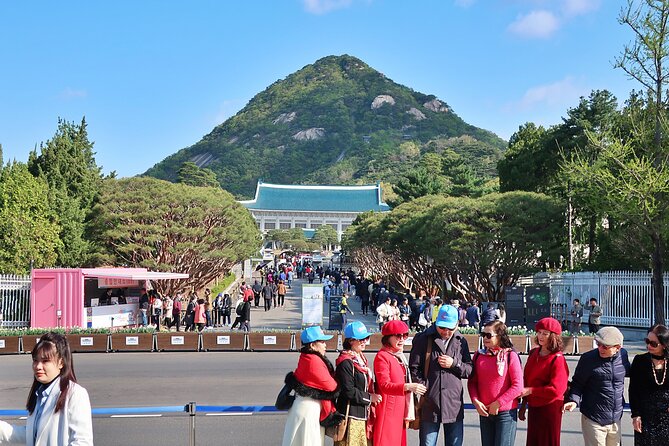
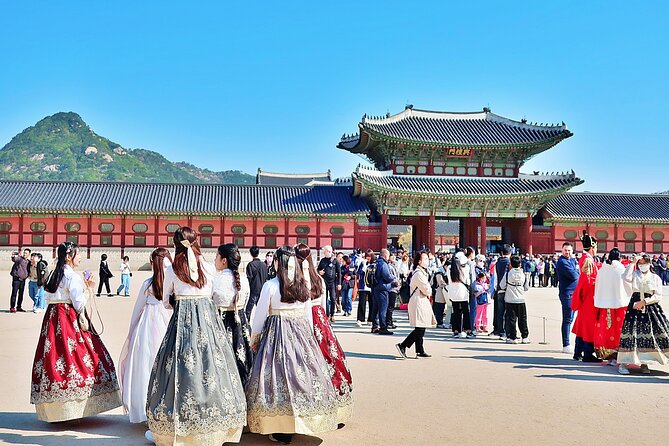
Gyeongbokgung, the northern palace, is the central stop and receives about an hour. The guide explains how royal family members, court attendants, and officials lived and worked within the palace compound.
That context makes the large courtyards and formal buildings easier to understand. Without explanation, Gyeongbokgung can become a sequence of impressive roofs and open stone spaces. With a good guide, you get a clearer sense of ceremony, rank, daily routines, and the division between public court business and private royal life.
The palace is large, so one hour gives you a useful introduction rather than a complete visit. You will walk between major areas, hear the main historical points, and have time for photographs. You will not explore every corner.
Bring comfortable shoes. The grounds can be tiring, especially under strong sun or after rain. One guide has been praised for finding shade and slowing the pace on a hot morning, while another departure reportedly moved quickly through the palace because of the heat. That makes the guide’s judgment important.
Crowds are another factor. Gyeongbokgung is a major Seoul sight, and the palace can feel very busy. The tour saves you from planning the route alone, but it cannot make the complex private or quiet.
The palace portion works best for first-time visitors who want a clear framework. If you already know Korean royal history or want hours to photograph architecture at your own pace, a longer independent visit may suit you better.
The National Folk Museum shifts the focus to daily life
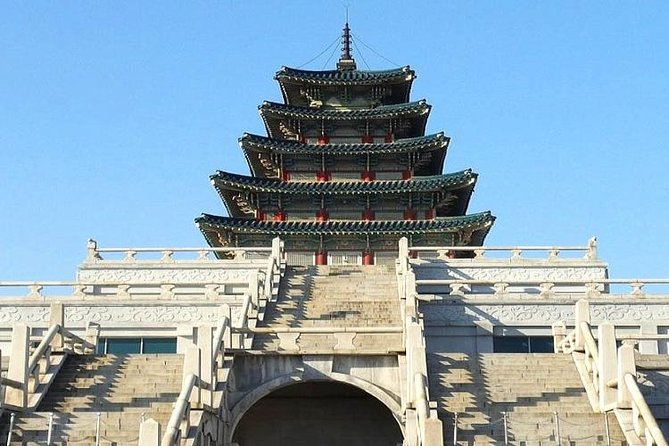
Inside the palace compound, the National Folk Museum of Korea adds a welcome change in subject. Instead of focusing only on kings and court ceremony, it looks at how people lived from the Goryeo dynasty, 918 to 1392, through the Joseon dynasty, 1392 to 1910, and beyond.
The scheduled visit is about 20 minutes. That is enough for a guided look at selected displays, but not enough for a full museum visit. You may find the museum particularly useful if you want household, clothing, farming, and social customs explained alongside the palace story.
This is one part of the tour where I would prefer more independent time. The palace itself can take a full morning, and the museum deserves attention if you enjoy displays about everyday life. Still, the short stop gives the route balance and prevents the experience from becoming palace architecture only.
Be prepared for a brisk visit. A guide may focus on a few key displays and then keep the group moving to stay on schedule.
The ginseng center is the tour’s main compromise
Before drop-off, the group stops at the Cheongha Korea Ginseng Museum, described as a government-approved Korean ginseng center. The scheduled stop is about 30 minutes and includes the chance to taste ginseng tea and see a range of products.
Ginseng is an important Korean product, so the stop can offer useful background on how it is presented and sold. But this is also a commercial visit. You may hear a sales pitch for expensive ginseng products, and you should not feel obliged to buy anything.
This stop divides the experience. Some people find it interesting, while others feel it takes time away from the palace and museum. If you want a strictly cultural tour with no shopping element, this is the biggest reason to choose another option.
My advice is simple: treat the ginseng center as optional education, not a required purchase stop. Taste the tea, ask questions if you are interested, and keep your spending decision separate from the guide’s schedule.
The stop is especially worth noting because it is easy to overlook when planning the morning. It is part of the route, not an accidental detour, so book this tour only if you can accept a short commercial presentation.
Tuesday changes the palace and removes the ceremony
Gyeongbokgung Palace is closed every Tuesday. On that day, the tour visits Changdeokgung Palace and the Secret Garden, also called Huwon, instead.
That is a major itinerary change, not a minor substitution. You will not see Gyeongbokgung or its guard-changing ceremony on Tuesday. The tour provider covers the higher admission cost for the alternate route, but you should still choose your date carefully.
Changdeokgung and Huwon offer a different royal experience, and the Secret Garden is a UNESCO World Heritage site. If you specifically want the classic Gyeongbokgung photographs and guard ceremony, book another day. If you are happy to see a different royal palace, Tuesday can still provide a strong morning of history and gardens.
The safest approach is to check the date before paying. A visitor who expects Gyeongbokgung on a Tuesday will understandably feel disappointed, even though the substitution is explained in the tour information.
Price and timing make sense for a first Seoul day
At $39.73 per person, the tour offers solid value if you want transport, a guide, and admission handled together. You receive hotel pickup in central Seoul, bottled water, taxes, Gyeongbokgung entry, and admission to the National Folk Museum.
The price is less attractive if you dislike group pacing or do not want the ginseng stop. You are paying for convenience and a prepared route, not unlimited time at each sight.
The morning officially lasts about three and a half hours. Some departures have finished closer to three hours, while delays, weather, crowds, or extra help for the group can shift the timing. The tour ends with drop-off at Insadong or City Hall rather than your hotel, so plan your afternoon from one of those locations.
Insadong is a useful end point for lunch, traditional shops, and further walking in central Seoul. City Hall gives you another central base. Food is not included, so you will need to make your own lunch plans.
Hotel pickup is offered only from centrally located Seoul hotels. Confirm your pickup details before the morning begins, since the advertised meeting information also gives a Jongno start point. The company has contacted some customers the night before to confirm pickup times, and punctual pickup is an important part of making this short tour work.
Who will get the most from this tour
I would choose this experience if you have only a short time in Seoul and want a guided introduction rather than a day spent navigating alone. It is especially useful for first-time visitors, solo visitors, families, and anyone who wants history explained in plain language.
It also suits people who appreciate a guide who can take family photos, adjust the pace, and answer questions. Guides such as Sookhee, Young, Junie, Brian, and Joo Ee have been praised for clear English, warmth, patience, and strong knowledge of Korean history and culture.
You should think twice if you want a slow palace visit, long museum time, or a shopping-free itinerary. You should also avoid booking on Tuesday if Gyeongbokgung and the guard ceremony are essential.
The tour is rated 4.8 out of 5, with 94 percent recommending it. That matches the main strength of the experience: the route is efficient, the historical explanation can be excellent, and the cost is reasonable. The weaker points are just as clear: rushed palace time on some departures, weather-related changes, and the ginseng sales stop.
Should you book this Seoul palace tour?
Book it if you want a well-priced half-day overview with central hotel pickup, a guide, palace admission, and several major sights in one morning. The combination of Jogyesa Temple, Gyeongbokgung, the guard ceremony, and the Folk Museum gives you a useful first picture of Seoul’s religious, royal, and everyday life.
Skip it if the ginseng center would annoy you or if you want to explore Gyeongbokgung at your own pace. Check the calendar before booking, too. A non-Tuesday departure gives you the best chance of seeing the advertised palace and guard ceremony, while Tuesday offers Changdeokgung and the Secret Garden instead.
FAQ
How long does the Seoul palace tour last?
The tour lasts approximately 3.5 hours, beginning at 9:00 a.m. Some departures may finish closer to three hours depending on timing and conditions.
Is hotel pickup included?
Yes. Pickup is offered from centrally located hotels in Seoul. The tour information also provides a Jongno meeting point, so confirm the exact pickup details when booking.
Where does the tour end?
The tour ends with drop-off at City Hall or Insadong. Hotel drop-off is not included.
Is Gyeongbokgung Palace open on Tuesdays?
No. Gyeongbokgung Palace is closed on Tuesdays. Tuesday departures visit Changdeokgung Palace and the Secret Garden instead.
Does the tour include the royal guard-changing ceremony?
The route includes a stop at Gwanghwamun Gate for the ceremony when it is operating. Rain or other conditions can cause the ceremony to be canceled, and it is not available on Tuesdays.
Are entrance fees included?
Yes. Entrance fees, taxes, a professional guide, bottled water, and central Seoul hotel pickup are included. Food is not included.
Is the ginseng center part of the tour?
Yes. The route includes a stop at the Cheongha Korea Ginseng Museum or ginseng center, where you can taste ginseng tea and see Korean ginseng products. The stop also includes a sales presentation.
Is the tour suitable for people with limited mobility?
The tour requires moderate physical fitness and includes walking over cobblestones, gravel, and steps at the palace. It is not recommended for people with back problems, heart complaints, or other serious medical conditions.
Just added in Seoul
- Suwon: Baseball Game with Fortress and Local Food Tour★ 5.0 · 3 reviews
- Seoul: War Memorial of Korea Private Guided Museum Tour★ 4.9 · 29 reviews
- Seoul: Wine & Korean BBQ, Perfect Pairing Dinner in Sinchon★ 5.0 · 6 reviews
- Seoul : Your Personal Photographer in Gyeongbokung★ 5.0 · 7 reviews
- Seoul : Efoil Experience in Han River★ 5.0 · 5 reviews
- Seoul: Vivaldi Park Winter Ski with Eobi Ice Valley Day Tour★ 4.6 · 16 reviews
- Seoul: Vivaldi Park Winter Ski with Nami Island Day Tour★ 5.0 · 4 reviews
- Seoul: SnowyLand in Vivaldi Park with Nami or Alpaca★ 4.8 · 11 reviews
Palace & Gyeongbokgung Tours, compared.
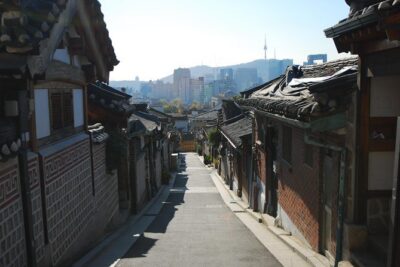
Gyeongbok Palace, Bukchon Village, and Gwangjang Tour
Read our review →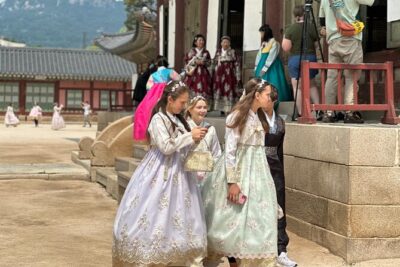
Best Seoul City Tour (Gyeongbokgung Palace,Insadong,Namsan Tower)
Read our review →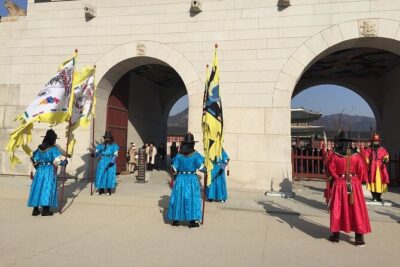
Small-Group Royal Palace and Seoul City Tour (hotel pick-up)
Read our review →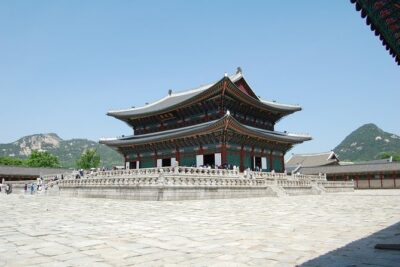
Seoul City Sightseeing Tour Including Gyeongbokgung Palace, N Seoul Tower, and Namsangol Hanok Village
Read our review →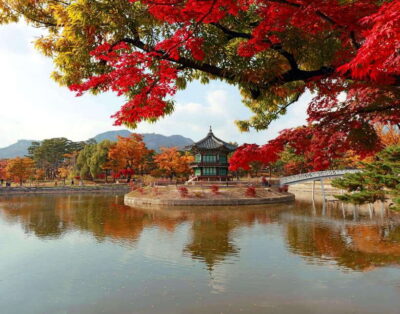
Seoul Highlights: Gyeongbok Palace, Insadong & N Seoul Tower
Read our review →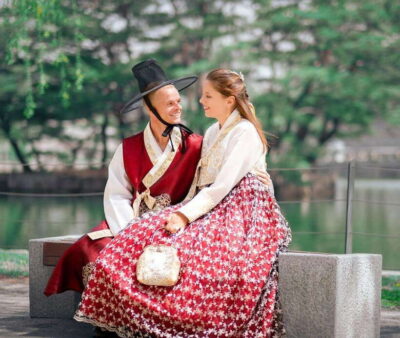
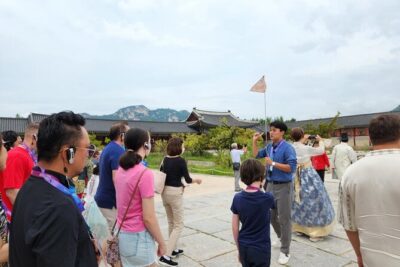
Seoul City Half Day Tour-Gyeongbok Palace Guard Changing Ceremony
Read our review →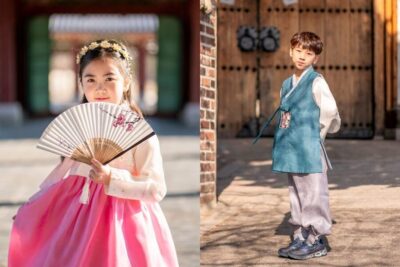
Browse the lists this tour appears in