
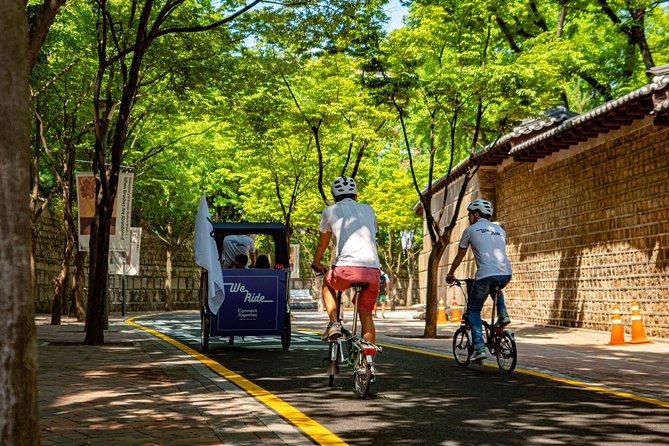
Reviewed · HISTORICAL TOURS
Morning Pedicab Heritage Tour
Seoul’s old center is easiest to appreciate at a gentle pace, and this tour gives you just that. You sit in a pedicab while a local guide takes you through Jong-no, linking Cheonggyecheon Stream, Gyeongbokgung Palace, and Bukchon Hanok Village without making you walk between every stop. I like the simple comfort of it, especially after a long flight, and I like that the route includes both major sights and a quick taste of Korean market food.
The small group is another plus. The tour is limited to three people, and the pedicab can hold two adults or three children. Guides also take photos, so you can pay attention to the streets and buildings instead of managing a camera at every stop. The main drawback is the price: at $220 per group, it makes the most sense for a small family or pair who values comfort and a private-feeling outing.
Key points at a glance
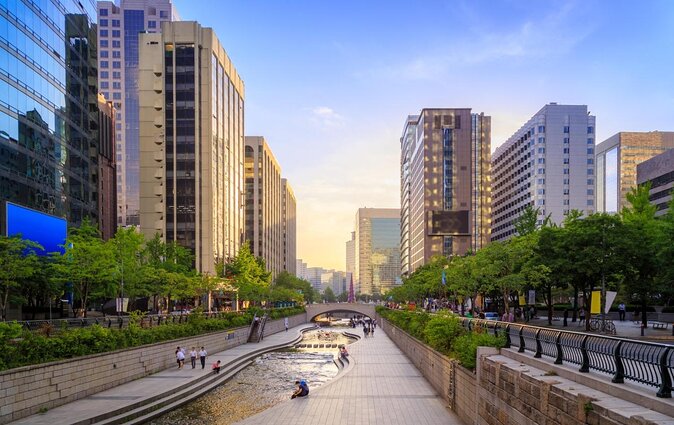
- Cheonggyecheon starts the morning quietly: Spend a short time beside Seoul’s former main waterway before the streets get busier.
- Gyeongbokgung brings the big royal landmark: The 15-minute stop focuses on the palace gate, so this is an outside highlight rather than a full palace visit.
- Tongin Market adds a local food break: Your guide provides Korean street-food tasting from the traditional market.
- The Blue House is part of the riding route: The tour passes the former presidential house area between the listed stops.
- Bukchon is made for photographs: You get a brief stop in the famous hanok neighborhood, with limited time for wandering.
- Jogyesa gives the morning a calm finish: The Buddhist temple is the final stop before returning to the starting point.
Why a pedicab works well in Jong-no
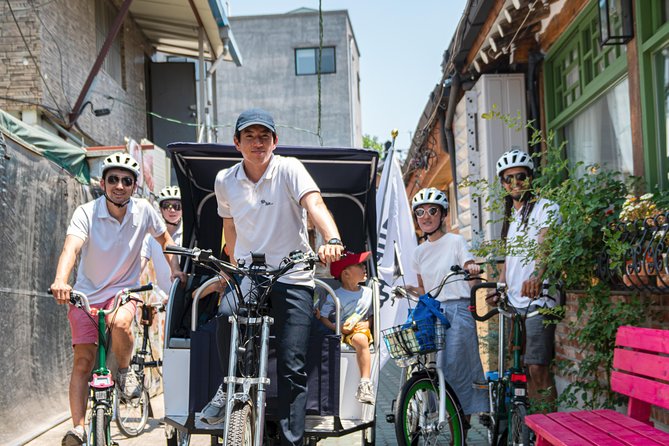
Jong-no packs a lot into a relatively small central area. Royal buildings, old neighborhoods, markets, streams, temples, and government sites sit close together, but moving among them on foot can take energy and time.
The pedicab solves that problem without putting you in a sealed vehicle. You remain outside, see the streets as you pass, and can sit back while the guide does the work. That matters if you are traveling with children, carrying tired legs from a long-haul flight, or simply want an easy first look at Seoul.
This is not a full museum tour or an all-day palace visit. It is better understood as a guided introduction to Jong-no. You get short stops, useful orientation, and a broad look at several important places in about three hours.
The small group size helps. With a maximum of three people, the guide can keep the experience personal and make the ride feel less like a group transfer. The arrangement is also flexible for families because one pedicab has room for two adults or three children. Confirm the exact seating setup when booking if your party includes a mix of adults and children.
A few more things to do in Seoul worth a look
- Seoul: Evening Dark History, Folklore & Ghost Story Walking Tour
★ 5.0 · 593 reviews - Hanbok Photoshoot and History Tour at Gyeongbokgung Palace
★ 5.0 · 276 reviews - From Seoul: Dae Jang Geum Park Historic K-Drama Set Tour
★ 4.9 · 143 reviews
Starting at 9:30 near Jong-ro
The tour begins at 9:30 a.m. at Le Meiller Jongno Town, 19 Jong-ro, in Seoul’s Jongno District. The activity ends back at the same meeting point, which makes it easier to plan the rest of your day.
A morning start is a smart choice here. You can cover the central sights before committing to lunch or a longer afternoon visit. It also gives you a useful sense of direction early in your stay. After the ride, you will know where Gyeongbokgung, Bukchon, the market area, and Jogyesa sit in relation to one another.
The meeting point is near public transportation, though the supplied information does not identify a specific subway exit or walking route. I would allow extra time to find Le Meiller Jongno Town and arrive ready at 9:30. Confirmation is sent within 48 hours of booking, subject to availability.
Bring a reusable water bottle or plan to buy one before the tour. Bottled water is mentioned among the tour features, but the practical instructions say customers must bring a reusable bottle or purchase one from the operator before the ride. That is worth sorting out in advance.
Cheonggyecheon Stream: a gentle first look
The first stop is Cheonggyecheon Stream, where you spend about 10 minutes. This waterway was once the main stream through the city, and today it offers a quieter break from Seoul’s roads and tall buildings.
Ten minutes is enough for a quick look and a few photos, not a long walk beside the water. I see this stop as an orientation point. It shows you one of the ways Seoul connects modern city life with older layers of the capital.
Because the stop is brief, listen closely to the guide’s explanation rather than expecting time to explore the whole stream. The value here is the setting and the context, not a long independent visit.
Gyeongbokgung Palace: the iconic gate
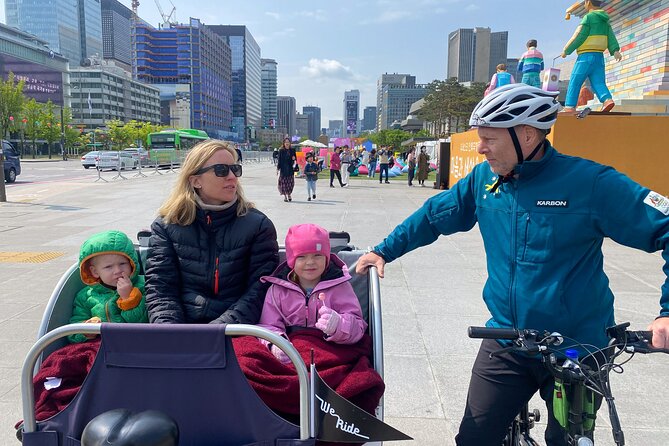
Next comes Gyeongbokgung Palace, Seoul’s oldest palace, with about 15 minutes at the gate. This is the visual centerpiece of the morning for many people. The palace entrance gives you the grand royal architecture that appears in so many first images of Seoul.
Keep your expectations clear. The stop is described around the gate, so you should not plan on a complete palace tour or extended interior visit during this pedicab outing. If Gyeongbokgung is high on your list, you may want to return later with more time.
Still, a short guided stop can be useful. You get the landmark, a photo opportunity, and a bit of background without spending the whole morning inside one complex. That balance is part of the tour’s appeal. It shows you several sides of central Seoul instead of placing all your time at one attraction.
Same base, a different kind of day out:
- Best DMZ Tour Korea from Seoul (Red Suspension Bridge Optional)
★ 5.0 · 41,422 reviews - DMZ Tour: 3rd Tunnel, Option(Suspension Bridge, Boat) from Seoul
★ 5.0 · 21,373 reviews - DMZ tour south Korea from Seoul (NK experience hall, defector)
★ 5.0 · 20,599 reviews - Seoul: DMZ Tour with Optional Suspension Bridge
★ 4.8 · 5,277 reviews
Tongin Market: the most flavorful stop
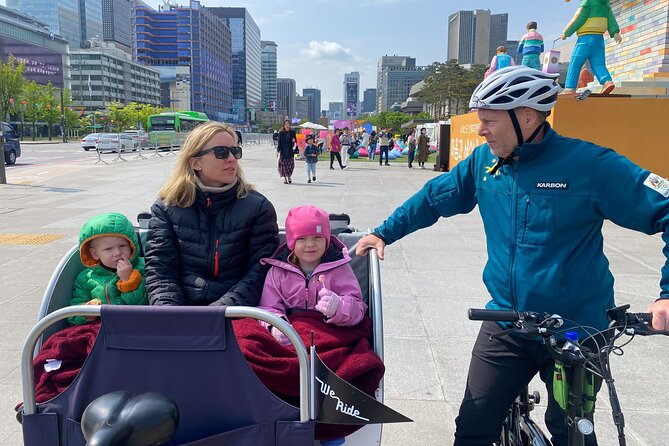
Tongin Market is where the tour shifts from monuments to everyday food culture. You spend about 15 minutes here and receive a Korean street-food tasting chosen with help from the local guides.
This is one of the strongest parts of the experience because food gives you a quick connection to ordinary Seoul life. You are not just looking at palace gates and old houses. You are also sampling something from a traditional market.
The tasting is included, but lunch is not. Fifteen minutes is enough for a snack, not a full meal, so plan to eat lunch afterward. The short stop also means you may need to follow the guide’s recommendations rather than browse every stall at length.
If you are unsure what to try, this is a useful place to let the guide steer you. The information promises local Korean food tasting, though it does not specify the exact dishes. That means you should keep an open mind and avoid planning around one particular snack.
The Blue House: a notable route detail
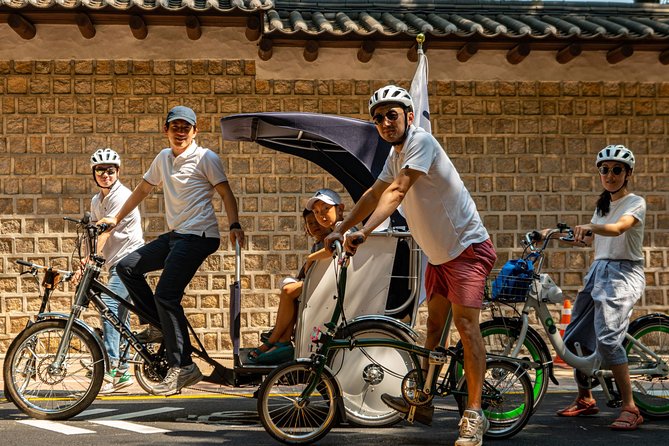
The route also takes you to the Blue House, the presidential house. This is included as part of the bike tour, but no separate stop duration is given in the schedule.
That distinction matters. You should expect to see the area as part of the ride rather than count on a long visit or interior access. The Blue House adds a modern political chapter to a route otherwise built around old waterways, royal buildings, markets, traditional homes, and a temple.
For first-time visitors, this mix is helpful. You are not seeing Seoul through only one lens. The ride connects royal Seoul with the city’s civic and contemporary identity.
Bukchon Hanok Village: a quick photo stop
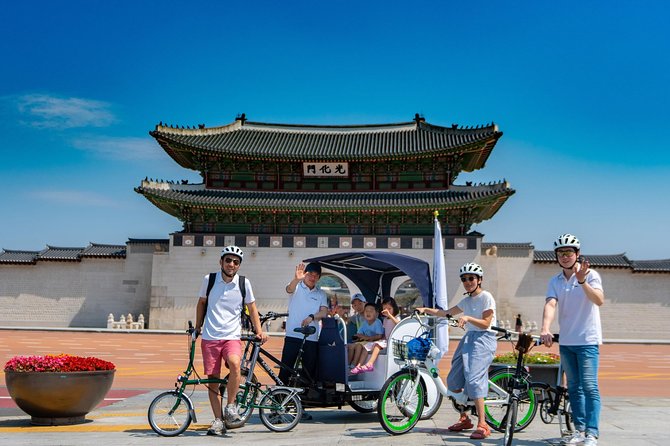
Bukchon Hanok Village receives about 10 minutes. Its traditional hanok homes and hilly lanes make it one of the most photogenic places in central Seoul.
The short timing is both useful and limiting. You can stop for a memorable picture and get a sense of the neighborhood, but you will not have much time to wander its lanes or examine the houses closely. Treat this as an introduction, not a full Bukchon visit.
That is also a good reason to follow the guide’s lead. Traditional residential areas can be sensitive places, and a quick, respectful stop is better than treating the neighborhood like a stage set. The supplied details do not give specific visitor rules, so keep your voice low and be considerate around homes.
If you want more time in Bukchon, return on your own later. The pedicab tour gives you the location and first impression, then lets you decide if the area deserves a longer visit.
Jogyesa Temple: a peaceful finish
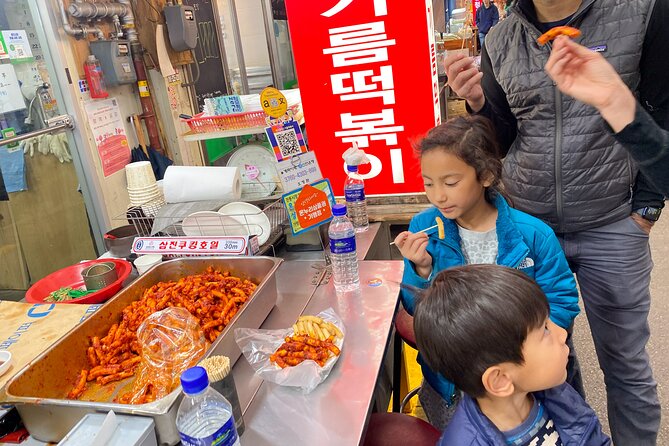
The final listed stop is Jogyesa Temple, with about 15 minutes to look around. After the movement of the streets and the quick market tasting, the temple provides a calmer close to the morning.
This is a good ending because it changes the mood. You move from a stream to a palace gate, then from food stalls to old homes, and finally to a place of worship. Fifteen minutes will not cover every detail, but it gives you time to pause and take in the temple setting.
As with the other stops, the schedule favors breadth over depth. You will see several places, but you will need another visit if you want extended time at the temple.
What the $220 price really buys you
The listed price is $220 per group, with the group size described as up to one in the pricing information, while the tour details say one pedicab can hold two adults or three children and the overall maximum is three people. Because those details do not line up perfectly, confirm the correct party pricing and seating arrangement before you pay.
At full use for two adults, the price works out to $110 per person. For a family using the child capacity, the value can look better because you are paying for the pedicab rather than buying separate seats for every person. The price includes a local guide and Korean food tasting, but not lunch.
You are paying for more than transportation. The useful part is the combination of route planning, local explanation, photo help, and reduced walking. One direct benefit noted in the experience is that guides take photos while you enjoy the ride and sights. That can be especially helpful for families who do not want to ask strangers to take group pictures.
I would not recommend this as the cheapest way to see Seoul. Public transportation and walking will cost far less. I would consider it when comfort, a private-feeling small group, and a gentle introduction matter more than keeping the day’s transport budget low.
Who will get the most from this ride
This tour fits you well if you want to get your bearings quickly. The route gives you several central reference points in one morning, which can make the rest of your Seoul stay easier to plan.
It is also a good match for families. Children can ride instead of walking between every stop, and the outing offers variety: water, a palace, food, traditional homes, a government site, and a temple. The supplied information says most people can participate, and a child under two must be accompanied by a guardian.
Tired arrivals may also appreciate the format. One direct account of the experience described it as easy and safe, with a guide who focused on safety and took pictures. Another praised the guide’s interesting facts and broad coverage of Seoul’s past. Those details point to the tour’s strongest quality: you can learn and look around without having to manage every part of the morning yourself.
You may want something else if you prefer long museum visits, serious architectural study, or lots of free time at each stop. The schedule is brisk, with most stops lasting 10 to 15 minutes. It is a sampler, not a deep visit to every site.
Practical details before you book
The tour lasts about three hours and uses mobile tickets. A local guide, bottled water and snacks are associated with the experience, while the detailed inclusions specifically confirm the guide and local Korean food tasting. Lunch is not included.
The tour ends where it begins, at Le Meiller Jongno Town. That makes it easy to continue into central Seoul afterward, but it also means you should not expect hotel drop-off.
Free cancellation is available if you cancel at least 24 hours before the 9:30 a.m. start time. Cancellations or changes made within 24 hours are not refunded or accepted. The cut-off follows Seoul local time.
The experience is booked around 13 days ahead on average. That is not a guarantee of availability, but it is a useful reason to avoid waiting until the last minute, especially if you need a particular morning.
Should you book the Morning Pedicab Heritage Tour?
Book it if you want an easy, compact introduction to old Seoul and you value a guide more than the lowest possible price. The mix of Jong-no landmarks, Korean market tasting, family-friendly seating, and photo help gives the morning real practical value.
I would choose it early in a Seoul stay, especially after a long flight. Use it to learn the layout, note which places deserve a second visit, and enjoy the city without wearing yourself out.
Skip it if your priority is a low-cost day, long time inside Gyeongbokgung, or unhurried exploration of Bukchon and Jogyesa. For everyone else, the pedicab offers a comfortable way to cover a lot of central Seoul in three hours, with enough local flavor to make it more than a simple sightseeing transfer.
FAQ
How long does the Morning Pedicab Heritage Tour last?
The tour lasts approximately three hours.
What time does the tour begin?
It starts at 9:30 a.m.
Where does the tour start?
The meeting point is Le Meiller Jongno Town, 19 Jong-ro, Jongno District, Seoul, South Korea.
Where does the tour end?
The activity ends back at the starting meeting point.
How many people can join the tour?
The activity has a maximum of three participants. One pedicab has space for two adults or three children.
Which places does the tour visit?
The route includes Cheonggyecheon Stream, Gyeongbokgung Palace, Tongin Market, the Blue House, Bukchon Hanok Village, and Jogyesa Temple.
Is food included?
Local Korean food tasting from the traditional market is included. Lunch is not included.
Do I need to bring a water bottle?
You must bring a reusable bottle or purchase one from the operator before the tour.
Can I cancel for a refund?
Yes. You can receive a full refund if you cancel at least 24 hours before the experience starts. Cancellations and changes within 24 hours are not accepted or refunded.
Just added in Seoul
- Your Personal Seoul Photographer!★ 4.1 · 15 reviews
- You’re Invited to Our Home in Seoul: The Only Cooking Class!★ 5.0 · 8 reviews
- From Seoul: Yongpyong Ski Day Tour with Transportation★ 4.9 · 40 reviews
- Seoul: Korean & English Language Exchange Global Party★ 5.0 · 28 reviews
- From Seoul: Hwacheon Ice Fishing and Lighting Festival Tour★ 4.5 · 4 reviews
- Unique Native Experience : Han River Picnic, Board game, BBQ★ 5.0 · 3 reviews
- Seoul: Gangneung BTS K-Pop & K-Drama Filming Locations Tour★ 4.6 · 14 reviews
- K-Pop Making Class with a Producer!★ 5.0 · 3 reviews
Historical Tours, compared.
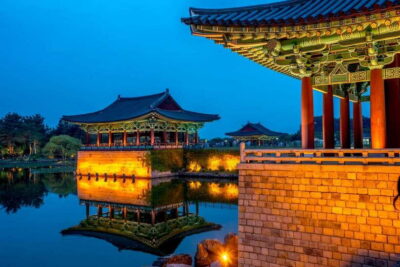
Gyeongju UNESCO World Heritage Guided Day Tour
Read our review →
Evening Dark History, Folklore & Ghost Story Walking Tour
Read our review →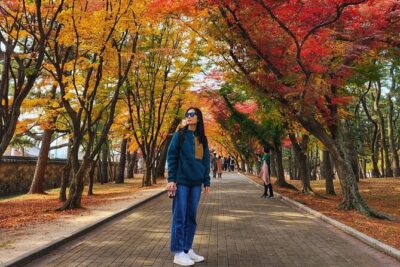
Old Korea Thousand History Tour of Gyeongju from Busan
Read our review →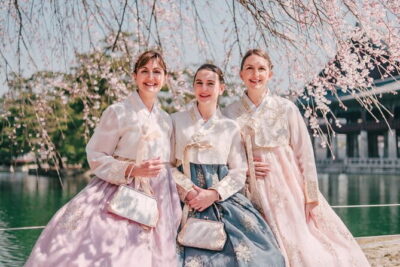
Hanbok Photoshoot and History Tour at Gyeongbokgung Palace
Read our review →
UNESCO Heritage Tour Including Bulguksa Temple
Read our review →
Gyeongju UNESCO World Heritage Sites and History Full-Day Tour with Lunch
Read our review →
City Highlights and Historical Experience No Shopping
Read our review →Browse the lists this tour appears in