
Reviewed · UNESCO WORLD HERITAGE TOURS
Gyeongju: UNESCO Heritage Tour Including Bulguksa Temple
Gyeongju is Korea’s ancient capital, and this full-day tour gives you the useful shortcut: instead of piecing together far-flung temples, tombs, and palace ruins, you move between the major sites in a comfortable van. The best parts are Bulguksa Temple, with its famous stone pagodas, and Seokguram Grotto, where a granite Buddha sits high on Tohamsan Mountain.
I like the easy pickup from Busan or Gyeongju, and I like the human touch from guides such as Sue and Steve, who explain the Silla period with stories rather than dates alone. Lunch, admission fees, water, and a driver are included. The catch is the pace: eight hours covers a lot, so a late start, holiday traffic, or a slow group can shorten time at the final stops.
Key points to know before booking
- Bulguksa and Seokguram come first: The two major Buddhist sites receive about an hour each and form the cultural heart of the day.
- You cover a wide area: Hotel pickup, a private or small-group van, and drop-off make this far easier than arranging each stop yourself.
- The tour mixes grand sites with ordinary streets: Gyochon Village and the Choi Clan house add a human scale to the royal tombs and temples.
- Lunch is part of the day: Traditional Korean food is included, and several people particularly enjoyed the bibimbap.
- Guides shape the experience: Sue, Steve, Jina, Chris, Jade, and other guides have led this tour, with Sue and Steve receiving especially warm praise for their clear explanations and care.
- Allow for a full, active day: Expect walking through temple grounds, tomb parks, villages, and palace gardens, plus some time on mountain roads.
Why Gyeongju makes such a good day trip
Gyeongju was the capital of the Silla Dynasty for nearly a thousand years. Its major sights are spread around the modern city, so the challenge is not finding things to see. The challenge is connecting them without losing hours to local transport and route planning.
That is where this tour earns its keep. You start with hotel pickup in Busan or Gyeongju, then travel in an air-conditioned van with an English-speaking guide. The route links religious monuments, royal burial mounds, scientific remains, a traditional village, and a palace garden. You get a broad picture of Silla Korea in one day rather than seeing one temple in isolation.
At $189 per person, this is not a budget sightseeing outing. You are paying for transport, a guide, lunch, admission fees, and the ability to cover several separated sites in eight hours. For a couple or family with limited time, that can be good value. If you are already staying in Gyeongju and are happy to use local buses or taxis, the price may feel high, especially since one person specifically found a similar departure from Gyeongju much cheaper.
More Silla-era sites from South Korea:
- Busan: Gyeongju Guided Day Trip to Three Kingdoms Capital
★ 4.8 · 1,925 reviews - From Busan: Gyeongju UNESCO World Heritage Guided Day Tour
★ 4.8 · 1,250 reviews - Gyeongju UNESCO World Heritage Guided Day Tour from Busan
★ 5.0 · 660 reviews
Bulguksa Temple sets the tone
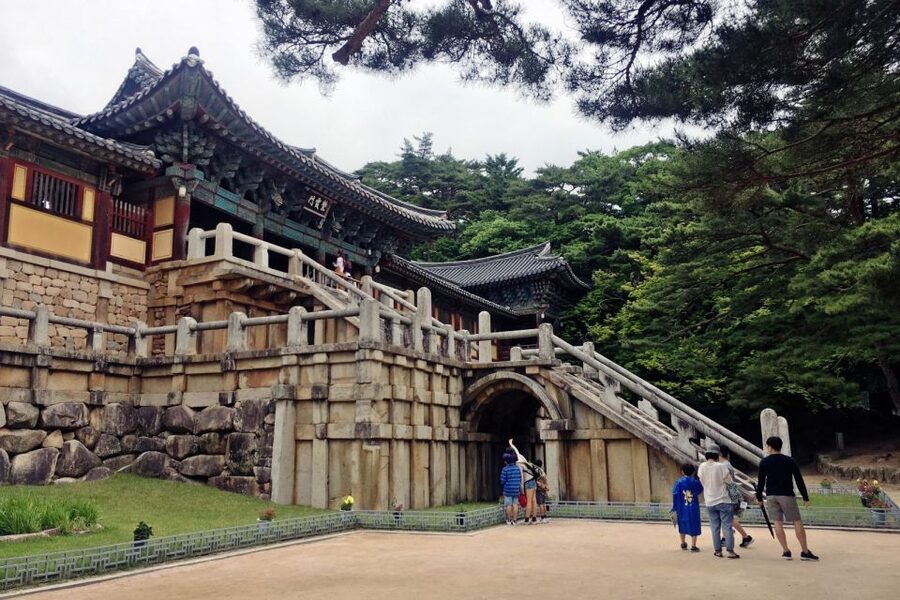
Bulguksa Temple is the tour’s main event for good reason. Built during the Silla period, the complex is known for its carefully arranged courtyards, stone bridges, and two celebrated pagodas, Dabotap and Seokgatap.
Your guided visit lasts about an hour. That is enough to see the main structures and understand how the temple’s layout connects Buddhist belief, royal support, and skilled stonework. I would pay close attention to the stone stairs and bridges. They are not simply useful ways to move through the complex; they help create the sense of moving from the ordinary world into a sacred one.
The setting adds to the experience. Bulguksa is surrounded by wooded hills, and the combination of stone, timber, and quiet courtyards gives the stop a calm rhythm. Your guide can point out details that are easy to miss when you are taking photos, including the differences between the two pagodas.
One hour is practical, but not luxurious. If you like architecture or Buddhist art, you may wish for more time. Still, the tour has several more stops ahead, and the guide helps you use the hour well.
Seokguram Grotto and its granite Buddha
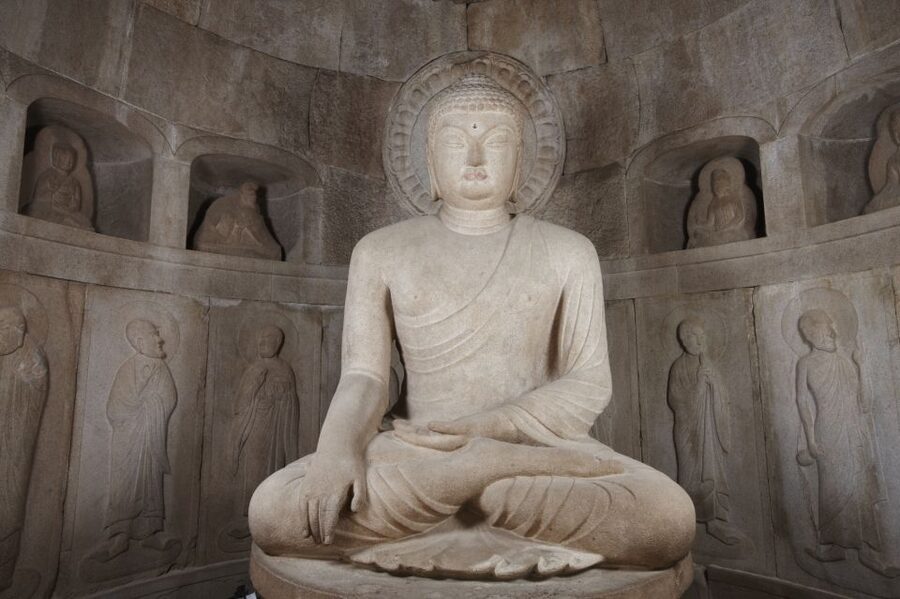
From Bulguksa, the van climbs Tohamsan Mountain to Seokguram Grotto. This is another UNESCO-listed site and one of Korea’s most important Buddhist monuments.
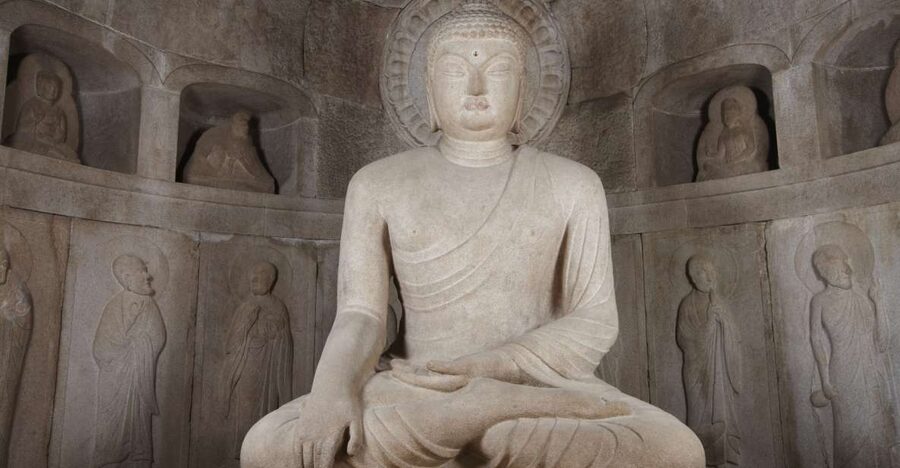
Inside the grotto, a large granite Buddha is surrounded by carved guardians and other figures. The setting is more enclosed and focused than Bulguksa, so the visit feels different. At the temple, you take in an entire complex. At Seokguram, you concentrate on one remarkable sculptural space and the engineering behind it.
The guided stop lasts about an hour. The grotto itself is the main reason to come, but the mountain setting also gives you a change of pace from the city and tomb park below. The road up can take time, yet the included van is a major help. You do not need to work out the mountain connection yourself.
A small detail can make the stop more fun. Sue and Joe sometimes bought local snacks from the women selling them outside the grotto, giving the visit a simple food moment alongside the monument. This is not a promised part of the package, so treat it as a possible extra rather than an inclusion.
Daereungwon’s grassy royal tombs
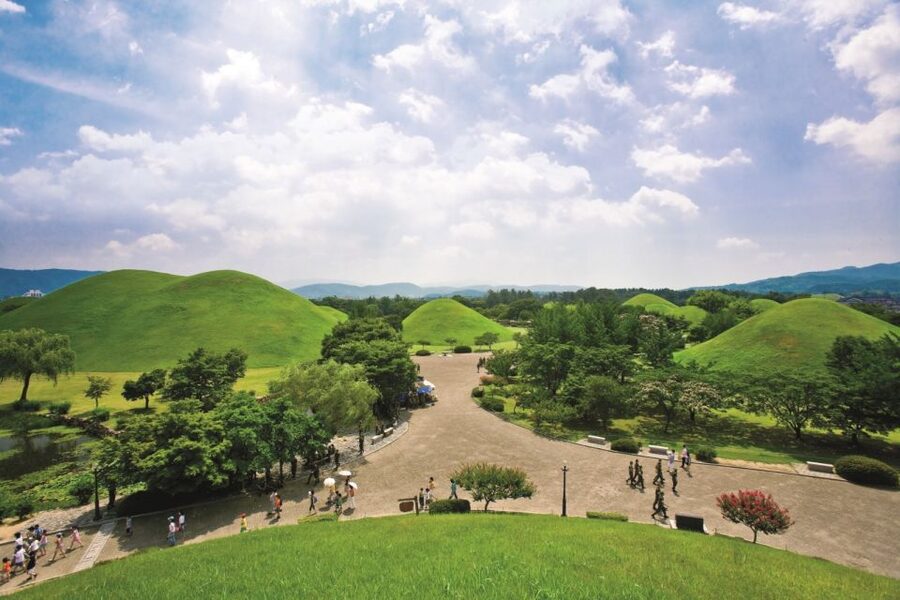
Back in the city, Daereungwon Tomb Complex shows how Silla rulers and aristocrats were buried. Large grassy mounds rise across an open park, and their smooth shapes can look surprisingly peaceful beside modern Gyeongju.
The tour gives you about an hour here. That is enough for a walk among the main burial mounds and a visit to Cheonmachong, the tomb associated with the famous ancient horse painting. Hwangnamdaechong, one of the largest tombs in the area, helps you understand the scale and status of Silla royal burials.
This stop is especially useful after the temples. Bulguksa and Seokguram show the spiritual side of Silla power. Daereungwon shows its royal side, including the wealth and ceremony surrounding the ruling class.
You will be outside on paths and grass, so comfortable shoes matter. The site is not a single dramatic building. Its appeal comes from seeing many tombs together and understanding that the quiet park was once a royal burial ground.
Other listed sites within reach of South Korea:
- Jeju: Eastern Jeju UNESCO Spots Day Tour
★ 4.9 · 1,148 reviews - Jeju: Southern Top UNESCO Spots Bus Tour
★ 4.9 · 648 reviews - Jeju Southern UNESCO Full Day Tour with Mt.Halla
★ 5.0 · 400 reviews - Private Gyeongju Tour – Explore Gyeongju UNESCO Sites
★ 5.0 · 272 reviews
Cheomseongdae shows Silla science
Cheomseongdae is a short stop, about 30 minutes, but it gives the day an important change of subject. This stone tower is widely identified as the oldest existing astronomical observatory in Asia and was built during the reign of Queen Seondeok.
The structure is modest in size compared with Bulguksa, but its shape is memorable. Your guide can explain how it fits into the Silla court’s interest in astronomy, calendars, and agriculture. That context matters. Gyeongju was not only a city of kings and temples; it was also a center where science served government and daily life.
You may have time to look around the open area and take photographs, but this is not a long museum visit. Think of Cheomseongdae as a compact history lesson between larger stops.
Gyochon Village brings history down to street level
Gyochon Village offers a gentler, more local-looking part of the route. Its hanok houses and narrow lanes preserve the appearance of a traditional Korean settlement, and the House of the Gyeongju Choi Clan gives the stop a link to an influential local family.
I like this part of the tour because it moves away from royal monuments. You see how architecture and family life shaped a historic neighborhood, not just how kings were honored after death. The peaceful lanes also offer a welcome change from the formal scale of temples and tombs.
The visit lasts about an hour. When available, you may be able to try Gyeongju Gyodong Beopju, a traditional liquor associated with the area. Availability is not guaranteed, and you should not expect a tasting-focused stop. The point is the village, its buildings, and the connection to Gyeongju’s living traditions.
Wolji Pond is the right final picture
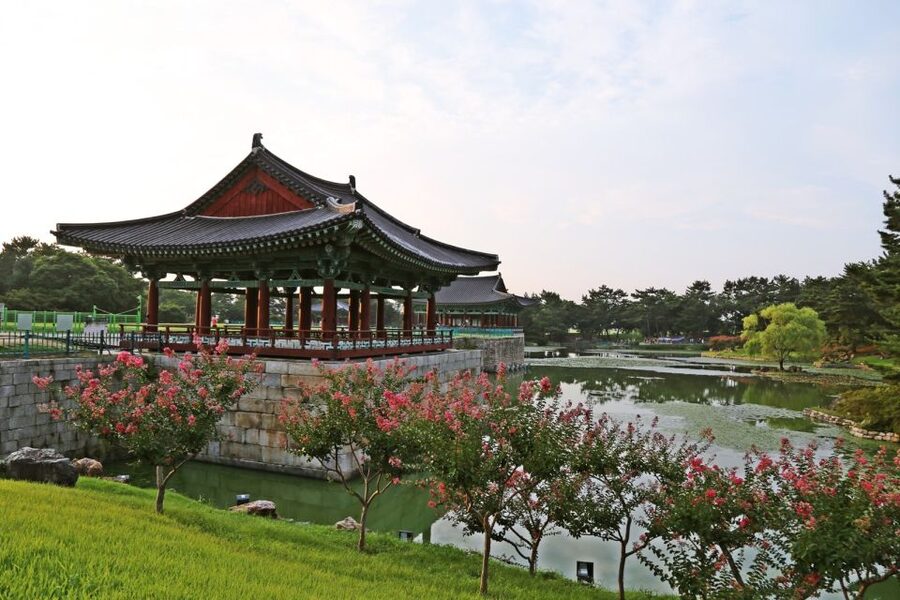
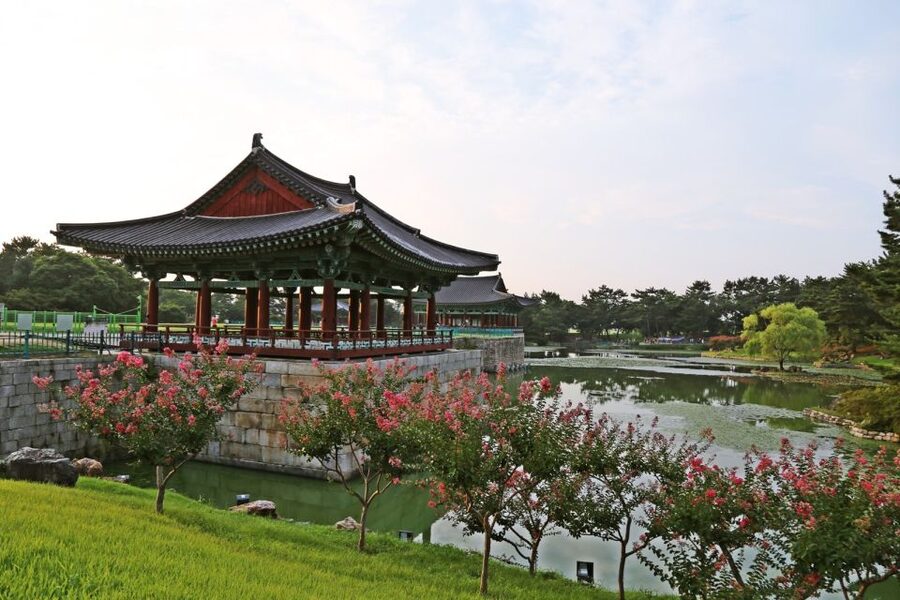
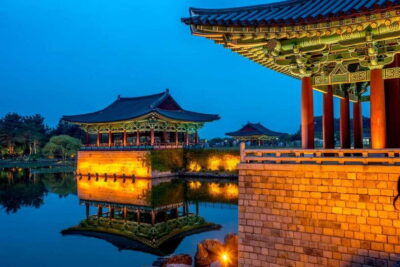
Donggung Palace and Wolji Pond, formerly known as Anapji, usually provide the most scenic ending. The palace site was developed during the reign of King Munmu, and the pond was designed so that pavilions and trees reflect in its calm water.
The setting is especially attractive toward dusk, when the light softens and the reflections become the focus. If the schedule allows, take a moment to look across the water rather than rushing straight into photographs. This is a place where the remains make sense through space and mood, not just through surviving walls.
The tour describes Wolji Pond as the final sightseeing stop, but timing can change. One group started late and did not reach the last listed site, choosing instead to visit a village that mattered more to them. Holiday traffic can also affect the order and length of stops. Your guide may need to adjust the plan to keep the day moving.
Lunch, transport, and the practical side
Lunch is included, which saves you from spending part of the day searching for a restaurant. Traditional Korean food is served, and bibimbap received particular praise. Some guides, including Sue and Joe, joined the group for lunch, creating a more social break rather than simply dropping people at a table.
The air-conditioned van is one of the tour’s strongest practical features. Gyeongju’s sites are spread out, and the ride between them gives your feet a break. The driver may also help with photos and directions. Joe was especially appreciated for taking pictures and keeping an eye on the group, though the driver’s name can vary by departure.
The tour is offered as a private or small-group experience. That matters here. A smaller group can move through temple grounds and village lanes more easily than a large coach party. It also gives you a better chance to ask questions. The pace still depends on the group, and a late start can leave less time at the end.
Summer heat is another consideration. Sue prepared iced water for one hot-weather group, and a bottle of water is included, but you should still dress for walking and outdoor exposure. In cooler months, Gyeongju’s open tomb park and mountain stop can feel quite different from the shaded temple courtyards.
Guides make the difference
The guide is central to this experience. Sue is frequently singled out for her warmth, humor, clear explanations, and care with small details. Steve is praised for bringing the Silla Dynasty to life and for adjusting the route around crowds and traffic. Jina, Chris, and Jade have also led departures.
You cannot select a particular guide from the information provided, so book this for the structure and route first, not for one named person. Still, the repeated pattern is useful: the strongest part of the tour is not only getting from one monument to the next. It is having someone explain why each site matters and answer questions along the way.
A guide can also make the day feel less mechanical. Stories about the Silla rulers, local food, and changes in Gyeongju from the late twentieth century to today give the historic sites a modern connection.
Who should book this Gyeongju tour?
I would choose this tour if you are staying in Busan and have only one day for Gyeongju. It removes the hardest parts of the trip: planning the route, arranging transport between distant sites, buying admissions, and finding lunch.
It also suits families, couples, and first-time visitors who want a clear introduction rather than a specialist study of one monument. The mixture of temples, tombs, science, village life, and palace gardens keeps the day varied.
You may prefer to explore independently if you are staying several nights in Gyeongju, want long visits at each site, or are watching your budget closely. The $189 price covers a lot, but it is still a premium for convenience. Independent sightseeing lets you slow down, though you will give up the guide’s explanations and the simple door-to-door transport.
The day involves walking and frequent changes of setting. If you want a relaxed schedule with long café breaks, this is not the right format. If you want the major Silla sights efficiently and with context, it is a strong choice.
FAQ
How long does the Gyeongju heritage tour last?
The tour lasts eight hours, including transportation, guided visits, lunch, and the return trip to your hotel or chosen drop-off point.
Where can pickup and drop-off take place?
Pickup and drop-off are available in Busan or Gyeongju. The service states that pickup is available from anywhere in Busan, with the exact meeting details provided when you book.
What language is the tour conducted in?
The live tour guide speaks English.
Which sites are included?
The route includes Bulguksa Temple, Seokguram Grotto, Daereungwon Tomb Complex, Donggung Palace and Wolji Pond, Cheomseongdae, and Gyeongju Gyochon Traditional Village.
Is lunch included?
Yes. Lunch, a bottle of water, and all entrance fees are included in the price.
Is this a private tour or a group tour?
Private and small-group options are available. The exact group format depends on the option selected when booking.
Can I cancel the tour?
You can cancel up to 24 hours in advance for a full refund. The tour also allows you to reserve now and pay later.
Should you book it?
Book this tour if you want to see Gyeongju’s main UNESCO and Silla-era sites in one well-organized day from Busan. The strongest reasons are the comfortable van, included lunch and admissions, and guides such as Sue and Steve who add useful stories to the monuments.
Think twice if $189 feels steep or if you want to linger at each stop. The schedule is full, and traffic or a late departure can shorten the final visit. For a first look at Gyeongju, though, this tour gives you an efficient route and a solid sense of why the ancient capital remains one of Korea’s most rewarding history stops.
More Historical Tours in South Korea
- Seoul: Evening Dark History, Folklore & Ghost Story Walking Tour
★ 5.0 · 593 reviews - Old Korea Thousand History Tour of Gyeongju from Busan
★ 5.0 · 518 reviews - Hanbok Photoshoot and History Tour at Gyeongbokgung Palace
★ 5.0 · 276 reviews - From Seoul: Dae Jang Geum Park Historic K-Drama Set Tour
★ 4.9 · 143 reviews
Just added in South Korea
- Seoul: Winter Day Tour in Pocheon (+Strawberry Picking)★ 4.1 · 5 reviews
- Suwon: Baseball Game with Fortress and Local Food Tour★ 5.0 · 3 reviews
- Seoul: War Memorial of Korea Private Guided Museum Tour★ 4.9 · 29 reviews
- Seoul: Private Tour to Nami Island, Garden, Petite France★ 5.0 · 4 reviews
- Seoul: Wine & Korean BBQ, Perfect Pairing Dinner in Sinchon★ 5.0 · 6 reviews
- Seoul : Your Personal Photographer in Gyeongbokung★ 5.0 · 7 reviews
- Seoul : Efoil Experience in Han River★ 5.0 · 5 reviews
- Seoul: Suwon Hwaseong & Waujeongsa & Starfield Heritage Tour★ 4.8 · 27 reviews
UNESCO World Heritage Tours, compared.
Gyeongju UNESCO World Heritage Guided Day Tour
Read our review →
Jeju Southern UNESCO Full Day Tour with Mt.Halla
Read our review →
Private Gyeongju Tour – Explore Gyeongju UNESCO Sites
Read our review →
Jeju island Southern UNESCO Day Tour With Hallasan MT
Read our review →
Gyeongju UNESCO Legacy Tour with National Museum
Read our review →Browse the lists this tour appears in