
Reviewed · GYEONGJU UNESCO DAY TOURS
Old Korea Thousand History Tour of Gyeongju from Busan
Gyeongju is Korea’s ancient capital, and this full-day trip packs its biggest historic sights into one long, well-organized circuit. You’ll move from the stone beauty of Bulguksa Temple to royal tombs, old hanok lanes, palace ruins, and a bridge glowing beside the water after dark.
I like the comfort of round-trip transport from Busan and the fact that entrance fees are included. I also like the guides’ personal touch. Bada, Erica, Kayla, Hyony, and Katrina are praised for clear explanations, humor, patience, and taking photos for solo visitors. The catch is the length: expect roughly 12 hours, plenty of walking, and a late return to Busan.
Key points to know before booking
- A full Silla-era history lesson: Bulguksa, Daereungwon, Donggung Palace, and Wolji Pond show different sides of Korea’s ancient capital.
- A very long day: Some departures run from about 10 a.m. until 10 p.m., so this suits you best if you have energy for an evening finish.
- Admissions are included: You pay $64 per person for transport, a guide, and entry to the main paid sights.
- Several pickup points: The route begins at Busan Station, with additional pickups at Seomyeon Station and Haeundae Station.
- A strong guide can make the difference: Bada, Erica, Kayla, Hyony, Eva, and Katrina have all been singled out for lively storytelling and practical help.
- Prepare for heat and walking: Gyeongju can feel warmer than Busan, especially in summer. Bring water, sunscreen, a hat or parasol, and good walking shoes.
Why Gyeongju makes a rewarding day from Busan
Gyeongju was the capital of the Silla Kingdom and later the Unified Silla period. You do not need a detailed grasp of Korean history before arriving. The route gives you a useful sequence: Buddhist art at Bulguksa, old village life at Gyochon, royal burial mounds at Daereungwon, modern food and shops along Hwangridan-gil, and palace remains beside Wolji Pond.
That variety is the real strength of the tour. Instead of spending the entire day at one temple or museum, you see how the city’s religious, royal, domestic, and commercial sides fit together.
The trip also solves a practical problem. Gyeongju’s major sights are spread out, and reaching them from Busan by local transport takes planning. Here, you board in Busan, listen to live commentary between stops, and let someone else manage the route.
The tradeoff is pace. Each stop has a set time, usually between 30 minutes and two hours. If you want long photography sessions, quiet temple visits, or a slow meal, this schedule may feel tight.
More Silla-era sites from Busan:
- Busan: Gyeongju Guided Day Trip to Three Kingdoms Capital
★ 4.8 · 1,925 reviews - From Busan: Gyeongju UNESCO World Heritage Guided Day Tour
★ 4.8 · 1,250 reviews - Gyeongju UNESCO World Heritage Guided Day Tour from Busan
★ 5.0 · 660 reviews
Busan pickup and the ride to Gyeongju
Pickup begins at Busan Station, with additional meeting points at Seomyeon Station and Haeundae Station. During the summer season, from April through September, the listed Busan Station departure is 10 a.m., followed by Seomyeon at 10:20 a.m. The Haeundae timing should be checked carefully on your booking details because the supplied schedule is cut off before showing the exact time.
This is not a hotel pickup service. You need to reach one of the designated stations yourself, so leave extra time for the Busan subway or taxi ride. A missed meeting point would be a poor start to a day with a fixed route and several scheduled stops.
The vehicle gives you a useful break between walks. One account describes the air-conditioned bus as a welcome relief on a hot and humid day. That matters here because the program continues into the evening, and Gyeongju may feel warmer than Busan.
The group can reach as many as 400 people, so you should not assume a small private outing. The English-speaking section may be smaller on some departures, but group size can vary. Stay close to your guide when moving between sites and pay attention to meeting times.
Bulguksa Temple: the strongest first stop
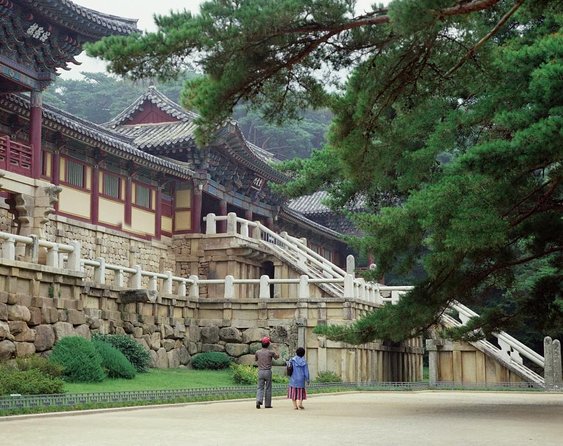
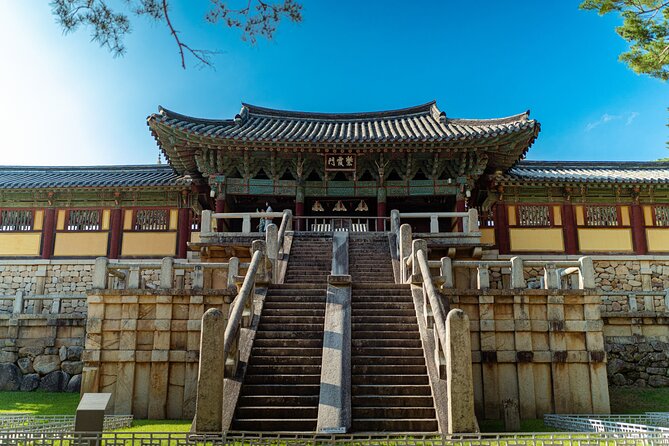
Bulguksa Temple is the day’s clearest introduction to Silla-era design. The temple sits among wooded scenery, and its stone terraces, stairways, and carefully balanced buildings show how religion and architecture worked together.
You have about one hour here, with admission included. That is enough to see the main areas and understand why Bulguksa is one of Korea’s best-known historic places. It is also a popular destination for Koreans, not just an attraction aimed at international visitors.
This is a place where a guide adds real value. Without context, you may notice the shapes, colors, and stonework but miss how the temple represents the Silla period. Listen to the explanation first, then use any free minutes for your own photos.
The one-hour limit can feel short if the grounds are busy or you want to examine every detail. Still, nearly every account treats Bulguksa as essential, and it is likely to be the stop you remember most for its setting and craftsmanship.
Gyochon Traditional Village and Woljeonggyo
The next stop shifts from temple architecture to traditional village life. Gyochon Village has hanok houses, stone walls, Gyeongju Hyanggyo, restaurants, and nearby Woljeonggyo Bridge. The old-style buildings give you a sense of how a Korean settlement looked and functioned beyond royal and religious sites.
You have about an hour here. The village is not presented as a large museum complex, so the experience is more about walking the lanes and seeing the preserved buildings. One limitation is that the guided visit may focus on only one house, leaving you wishing for more time to explore the wider area.
Woljeonggyo is especially attractive later in the day, when lights reflect on the water. At this point, you may see the bridge as part of the village area, then return for the dedicated evening visit near the end of the route. That gives the day a useful visual thread.
Bring shoes that can handle repeated walking. The route includes temple grounds, village lanes, open heritage areas, and city streets, not just flat indoor floors.
A few more things to do in Busan worth a look
- Busan history and market food tour with local chef
★ 5.0 · 58 reviews - From Busan: Echoes of Silla Gyeongju Historical Day Tour
★ 4.8 · 55 reviews - From Busan: Gyeongju Historical Day Tour with Sky Capsule
★ 4.7 · 17 reviews - From Busan: Gyeongju Full-Day Historical Tour
★ 4.1 · 6 reviews
Daereungwon Tomb Complex: understand the mounds before you go
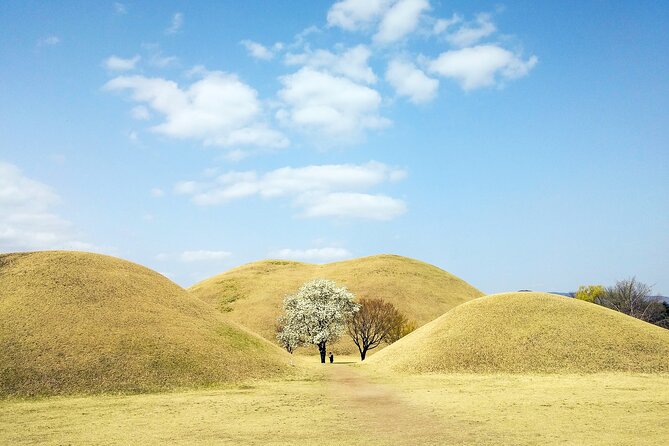
Daereungwon is a large area filled with burial mounds linked to Silla kings, queens, and aristocrats. The rounded grassy hills can look simple at first glance, especially if you expect visible tomb chambers or grand monuments.
That is precisely why the guide’s explanation matters. These are burial sites represented by earth-covered mounds, and the significance comes from their scale, age, and connection to the Silla ruling class. You are looking at a royal cemetery, not a conventional ruin with walls and rooms to enter.
The visit lasts about an hour. Some people may find the stop less exciting than Bulguksa because there is less architectural detail to inspect. If you prefer archaeology, ancient burial customs, and broad historic spaces, you will likely appreciate it more than someone seeking dramatic buildings.
Keep your expectations realistic. Daereungwon is about understanding the form of the tombs and the society behind them. It is not a palace interior or an excavation site filled with displays.
Hwangridan-gil: two hours for food and free time
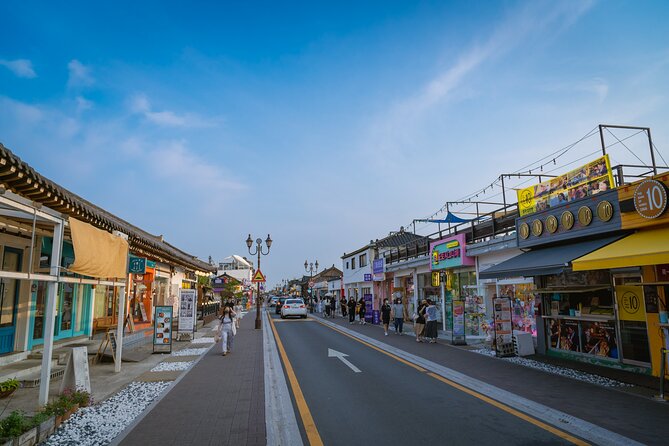
Hwangridan-gil gives the schedule a modern pause. The street preserves older buildings from the 1960s while filling them with shops and places to eat. It is a good contrast to the formal heritage sites and lets you see how Gyeongju’s older center has been adapted for current life.
You get about two hours here, and admission is free. This is the most flexible part of the day. You can look around, find food, browse shops, or simply rest before the evening sights.
Meals are not included. Food may be available at an additional cost, and one account describes the optional meal as tasty, but you should budget separately. Since the tour does not include hotel pickup, meals, or personal expenses, carry a payment method that works for your needs.
Hwangridan-gil is also where the tour can feel least focused if you prefer history at every moment. It is a street and shopping area, not a single grand monument. I see that as a useful break, but you may prefer more time at the temple or village if culture is your main reason for booking.
Donggung Palace and Wolji Pond after dark
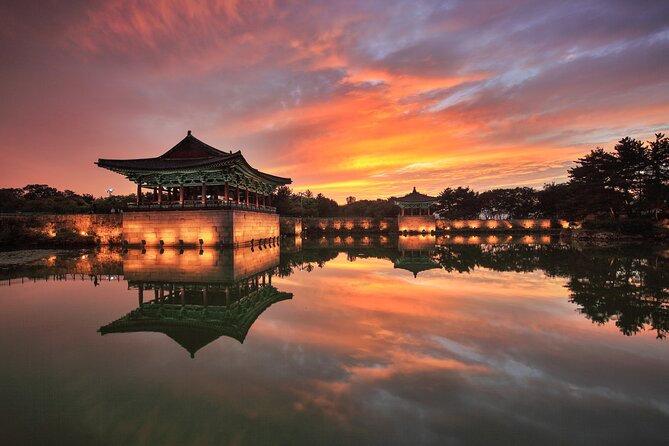
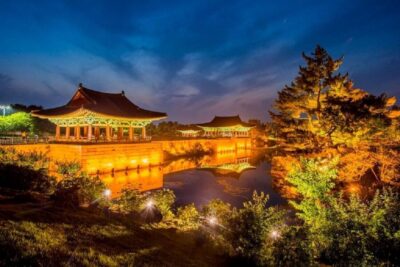
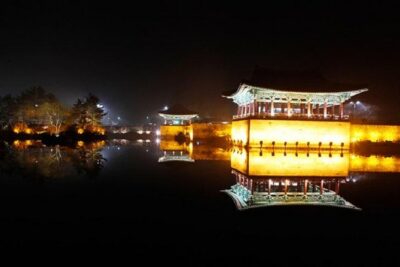
The evening visit to Donggung Palace and Wolji Pond is the emotional high point for many people. This was a palace site from the Unified Silla period, and the pond reflects the reconstructed structures and lights after dark.
The original palace does not survive as a complete building complex. A few structures have been reconstructed, so you should come for the setting, water, and remaining archaeological character rather than a fully intact palace.
You have about an hour here, and the timing is important. The pond looks different from a daytime heritage site, with the lit buildings reflected across the water. It is also one of the better places on the route for photography.
The stop can be especially memorable after a long day because it slows the pace. At the same time, evenings can be busy, and you will still need to follow the group schedule. If you want a picture from a particular angle, move efficiently and return to the meeting point on time.
Woljeonggyo Bridge and the ride home
The final dedicated stop is Woljeonggyo Bridge, with about 30 minutes to see it lit at night. Its traditional design and reflections make it a strong closing scene, especially after you have already seen the surrounding historic district in daylight.
Half an hour is enough for a look and a few photos, but not for a long walk around the area. Think of it as a final viewpoint rather than another full sightseeing session.
The bus then returns to Busan. Several accounts describe the day as running from about 10 a.m. to 10 p.m., although exact times can vary with traffic, weather, holidays, and the day’s operation. Do not schedule a late evening reservation in Busan unless you have a generous buffer.
Guides, group rhythm, and the human side of the tour
The guide can shape this experience more than any other feature. Bada is praised for clear speech, humor, historical detail, heat reminders, and taking good photos. Erica is noted for positive energy, helpful answers, and strong explanations. Kayla is described as funny, energetic, patient, and good at adding stories to the schedule.
Hyony is especially useful for solo visitors who want help with photos, while Katrina is praised for careful explanations and keeping the day moving. Eva is described as attentive and clear when explaining the Silla Kingdom.
These personal touches matter on a 12-hour outing. A dry lecture would make the bus rides and walking feel longer. A lively guide can turn the same fixed schedule into an easier day.
There is one caution. One account describes a guide rushing the group, talking too much, and asking for tips and five-star ratings. Tipping is optional in Korea, and you should never feel pressured to provide it or a particular review score. Most importantly, confirm your meeting times carefully because one booking voucher reportedly showed different timing from the actual departure information.
Is $64 a fair price?
At $64 per person, the value is solid if you want to see several major Gyeongju sights in one day. The cost covers round-trip transportation from Busan, professional guiding, and admission to the paid attractions. You avoid separate transport fares and the work of building a route between spread-out locations.
The price is less attractive if you want a slow, private-style visit. The maximum group size is large, and the fixed schedule limits how long you can linger. Meals and personal expenses are extra, so the final daily cost will be higher than the advertised rate.
I would compare this tour with the price and effort of arranging Busan to Gyeongju transport, local rides, and individual admissions. For a first visit with limited time, the convenience is the main value.
Practical preparation for a long day
Wear comfortable walking shoes. One person recorded more than 18,000 steps, and the route includes temple grounds, village streets, open tomb areas, shopping lanes, and evening viewpoints.
Summer heat and humidity can be serious. Pack plenty of water, sunscreen, and a hat or parasol. The air-conditioned bus offers recovery time, but it cannot replace sensible protection outdoors.
The tour requires a moderate level of physical fitness. Service animals are allowed, and the pickup points are near public transportation. Admission is included at the listed sights, but food and personal purchases are not.
Free cancellation is available if you cancel at least 24 hours before the local start time. Changes made inside that window are not accepted, and poor weather may lead to a different date or a full refund.
Should you book this Gyeongju day trip?
Book it if you have limited time in Busan, want the major Gyeongju sights in one organized day, and prefer a guide to explain what you are seeing. It is especially useful for first-time visitors, solo visitors who appreciate help with photos, and anyone who does not want to plan several transfers.
Skip it if you dislike long group outings, need a leisurely lunch, or want to spend half a day at Bulguksa alone. The tomb complex and reconstructed palace site may also feel modest if you expect intact royal buildings.
For most people, the strongest case is the combination of convenience, admissions, evening scenery, and lively guides such as Bada, Erica, Kayla, Hyony, and Katrina. Just treat the day as a full expedition, not a casual side trip, and arrive prepared for heat, walking, and a late return.
FAQ
How long is the Gyeongju tour from Busan?
The tour lasts approximately 12 hours. Some departures run from about 10 a.m. until around 10 p.m., including the return to Busan.
Where does the tour pick up in Busan?
Pickup is available at Busan Station, Seomyeon Station, and Haeundae Station. The tour does not include hotel pickup or drop-off.
What attractions are included?
The route includes Bulguksa Temple, Gyeongju Gyochon Traditional Village, Daereungwon Tomb Complex, Hwangridan-gil, Donggung Palace and Wolji Pond, and Woljeonggyo Bridge.
Are entrance fees included?
Admission is included for the listed paid attractions. Hwangridan-gil and Woljeonggyo Bridge are free areas.
Are meals included in the price?
No. Meals are not included. Food may be available at an additional cost during the free time at Hwangridan-gil.
How much walking should I expect?
You should expect a moderate amount of walking across temple grounds, village lanes, tomb areas, streets, and viewing areas. Good walking shoes are recommended, and one account recorded more than 18,000 steps.
Is the tour suitable in hot weather?
The tour operates in hot and humid conditions, but Gyeongju may feel warmer than Busan. Bring water, sunscreen, and a hat or parasol. The bus provides air-conditioned breaks between stops.
What is the cancellation policy?
You can cancel at least 24 hours before the local start time for a full refund. Cancellations or changes made less than 24 hours before the start are not accepted, and poor weather may result in a different date or a full refund.
Just added in Busan
- From Busan: Gyeongju Historical Day Tour with Sky Capsule★ 4.7 · 17 reviews
- From Busan: Gyeongju Full-Day Historical Tour★ 4.1 · 6 reviews
- Busan: Winter Healing Park and (Gyeongju/Daegu) One Day Tour★ 5.0 · 5 reviews
- Busan: Private Chartered Car Tour★ 4.1 · 7 reviews
- Busan’s Best: Sea Temples, Yacht Tour & Sky Capsule Day Tour★ 4.8 · 24 reviews
- Busan: Sky Capsule+ Huinnyeoul+ Gamcheon+ Songdo+ Night View★ 4.9 · 10 reviews
- Busan: Jagalchi Market & Gamcheon village Walking Tour★ 5.0 · 7 reviews
- Busan: Night Small Group Photo Tour (Max 7)★ 5.0 · 33 reviews
Gyeongju UNESCO Day Tours, compared.
Gyeongju Guided Day Trip to Three Kingdoms Capital
Read our review →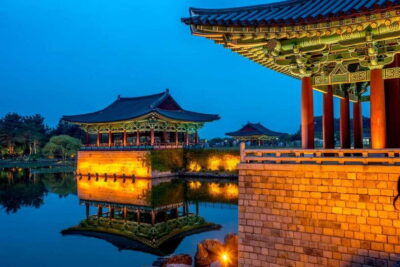
Gyeongju UNESCO World Heritage Guided Day Tour
Read our review →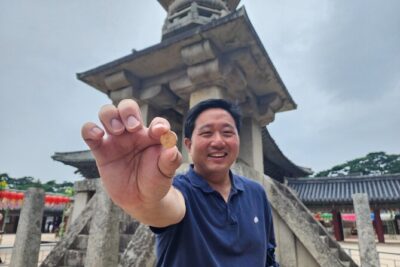
Private Gyeongju Tour – Explore Gyeongju UNESCO Sites
Read our review →
Gyeongju UNESCO Legacy Tour with National Museum
Read our review →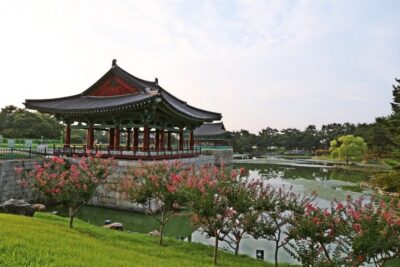
UNESCO Heritage Tour Including Bulguksa Temple
Read our review →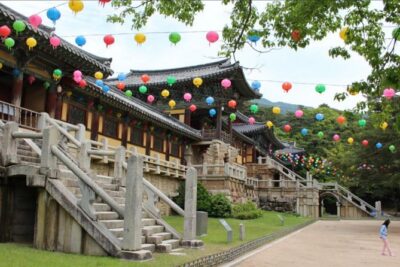
Gyeongju UNESCO World Heritage Sites and History Full-Day Tour with Lunch
Read our review →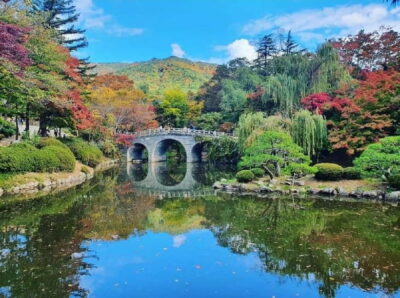
Full day Private Gyeongju UNESCO Heritage Tour : a glimpse into Silla
Read our review →Browse the lists this tour appears in