
Reviewed · HISTORICAL TOURS
Discover Seoul: Local Life and History
Seoul’s old and new sides meet on this walk, from the modern civic heart at City Hall to Gyeongbokgung Palace, royal gates, Confucian-era stories, tea houses, and the narrow lanes of Bukchon. I like that the route gives you a useful first look at central Seoul rather than parking you at one famous sight.
I especially like the clear historical thread, linking King Sejong, Admiral Yi Sun-sin, the Joseon dynasty, and the palace district. I also like the practical local angle: guides such as Moises and Gemma add food suggestions, including Korean fried chicken and beer, along with tea-house and neighborhood tips. The main drawback is pace. Three and a half hours covers a lot of ground, and this is a walking tour with hills and outdoor time, not a slow palace visit.
Key things to know before booking
- The route connects six major stops: Seoul City Hall, Gwanghwamun Square, the King Sejong and Admiral Yi Sun-sin displays, Gyeongbokgung Palace, Insadong, and Bukchon Hanok Village.
- The tour runs about 3 hours 30 minutes: Expect a steady walking circuit rather than long, detailed visits inside each site.
- Moises and Gemma are named guides: The strongest praise focuses on their English, history explanations, and useful food advice.
- The walk ends in Bukchon: You finish near Cafe Onion Anguk, in a good area for continuing around Jongno and the hanok lanes.
- The group may reach 20 people: That is small enough for a personal feel in many cases, but it is not a private tour.
- The price is $96.75 per person: Its value rests mainly in the guide, context, and orientation, since the listed stops have no separate admission charge.
Why this walk works as a first look at Seoul
Seoul can feel hard to read at first. Glass towers, broad avenues, palace roofs, mountain slopes, food alleys, and carefully preserved homes all sit within the same central districts. This route helps you make sense of that mix on foot.
You begin at Seoul Plaza, then move toward Gwanghwamun and Jongno-gu. These are not random stops. Together, they show how Seoul’s civic center grew around royal power, public memory, religion, scholarship, trade, and neighborhood life.
I would book this early in a Seoul stay if you want a framework for the city. One guide, Moises, is praised for offering enough history to make the culture and sights easier to understand, while also pointing out places to eat. That combination matters. A guide who only recites dates may leave you informed but still unsure where to go for dinner.
The walk is also useful if you have limited time. One person used it during a layover from Incheon and found the experience strong enough to inspire a return trip to Seoul. A long airport connection still requires careful timing, of course, but the route does give you a concentrated introduction to central Seoul.
A few more things to do in Seoul worth a look
- Seoul: Evening Dark History, Folklore & Ghost Story Walking Tour
★ 5.0 · 593 reviews - Hanbok Photoshoot and History Tour at Gyeongbokgung Palace
★ 5.0 · 276 reviews - From Seoul: Dae Jang Geum Park Historic K-Drama Set Tour
★ 4.9 · 143 reviews
Seoul City Hall sets the modern scene
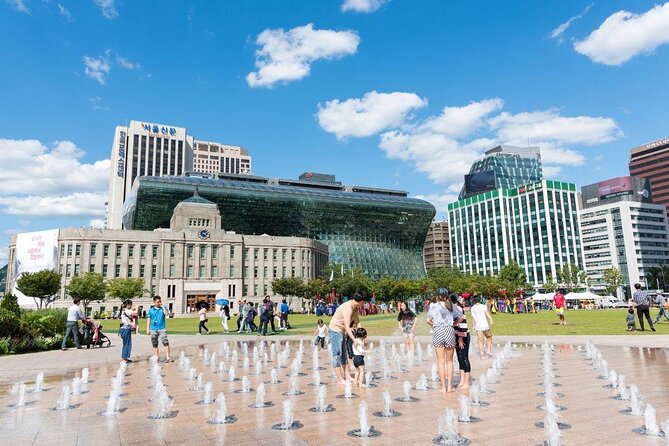
The meeting point is Seoul Plaza, outside Seoul City Hall at 110 Sejong-daero. The first stop lasts about 30 minutes and is intended as an introduction to Seoul’s history.
That opening is useful because it places the older sights in a modern civic setting. You are not beginning in an isolated palace compound. You start in the city’s working center, where public buildings and broad urban space frame the story of Seoul today.
City Hall may be closed on some Tuesdays, so you should not assume the interior will always be available. The tour data lists the experience as operating Monday through Friday, from 10:00 a.m. to 5:00 p.m., but the City Hall note suggests that access can vary.
The visit is listed with no admission charge. That does not mean you should expect a long interior tour. Think of this stop as orientation and context, with the guide explaining why the area matters before you head toward the palace district.
Gwanghwamun Square and Seoul’s public memory
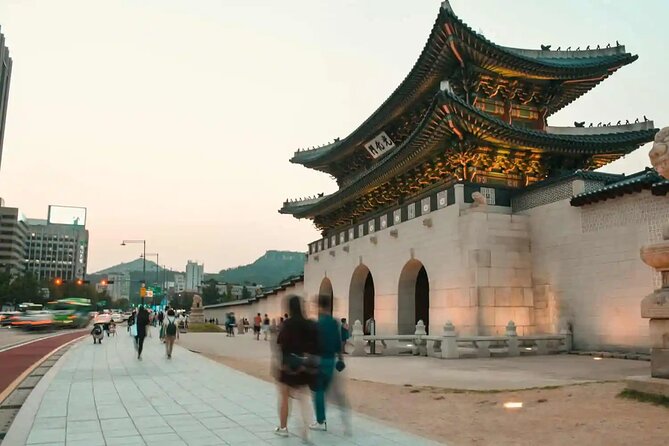
The next stop is Gwanghwamun Square, reached along the main avenue for roughly 35 minutes. This is one of the longer sections of the walk, and rightly so. The avenue links the modern capital with the principal gate of the old royal center.
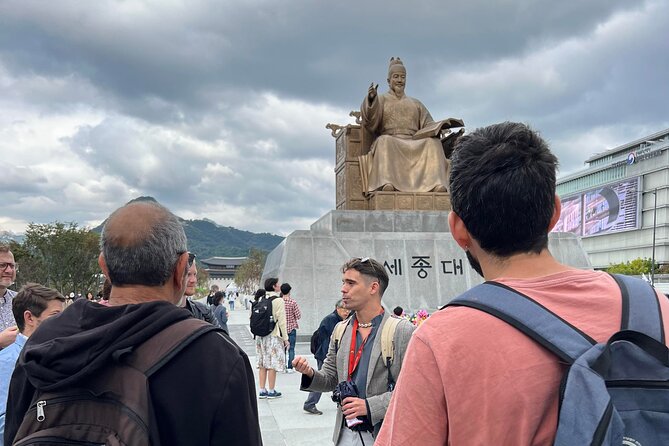
The square also gives the guide room to explain two figures who remain central to Korean public memory: King Sejong the Great and Admiral Yi Sun-sin. You spend about 10 minutes at the displays and statues dedicated to them.
King Sejong is associated with the Joseon dynasty and is especially important to Korean language and culture. Admiral Yi Sun-sin is remembered for his military leadership. You do not need a lecture packed with names to benefit from this stop. The value is in learning why these figures appear so prominently in the capital’s civic heart.
This open-air section can be exposed to rain, heat, or cold. One guide, Moises, received praise for keeping the visit interesting even in rainy conditions, but you should still dress for the forecast. The weather policy allows a different date or a full refund if the experience itself is canceled because conditions are poor.
Gyeongbokgung Palace and the guard change
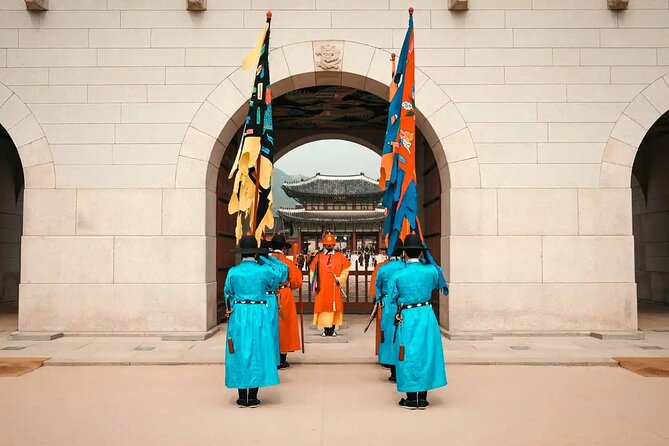
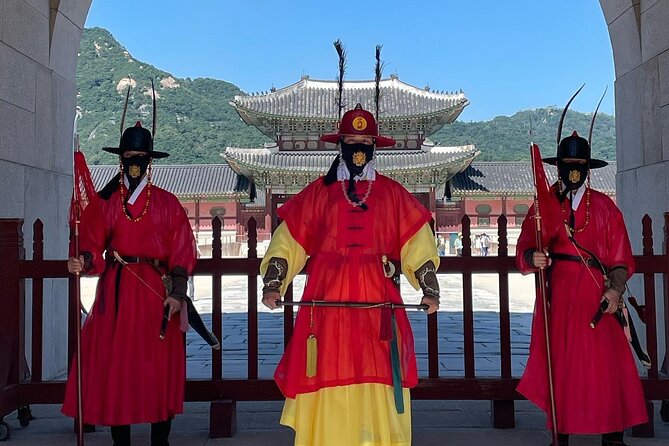
Gyeongbokgung is the central sight on the route. The tour allows about 30 minutes for an introduction to Seoul’s main palace and the changing of the guards.
That timing is enough to help you understand the palace district and see the ceremonial activity, but it is not enough for an unhurried exploration of every courtyard, hall, and museum. If Gyeongbokgung is your main reason for coming to Seoul, plan a separate visit so you can return with more time.
The guide’s role here is interpretation. Palace grounds can look impressive even when you do not know what you are seeing, but the visit gains much more meaning when someone explains the royal setting and the Joseon period. This is where the tour’s historical approach pays off.
The listing shows this stop as having no admission ticket charge within the activity. You should confirm the current arrangements when booking, since palace access and ceremony schedules can change. The important point for value is that you are paying for the guided route and explanation, not simply for a palace ticket.
The guard change also gives the stop a visual moment. It breaks up the historical talk with a public ceremony and helps connect Seoul’s past with the way the city presents its heritage today.
Same base, a different kind of day out:
- Best DMZ Tour Korea from Seoul (Red Suspension Bridge Optional)
★ 5.0 · 41,422 reviews - DMZ Tour: 3rd Tunnel, Option(Suspension Bridge, Boat) from Seoul
★ 5.0 · 21,373 reviews - DMZ tour south Korea from Seoul (NK experience hall, defector)
★ 5.0 · 20,599 reviews - Seoul: DMZ Tour with Optional Suspension Bridge
★ 4.8 · 5,277 reviews
Insadong brings history down to street level
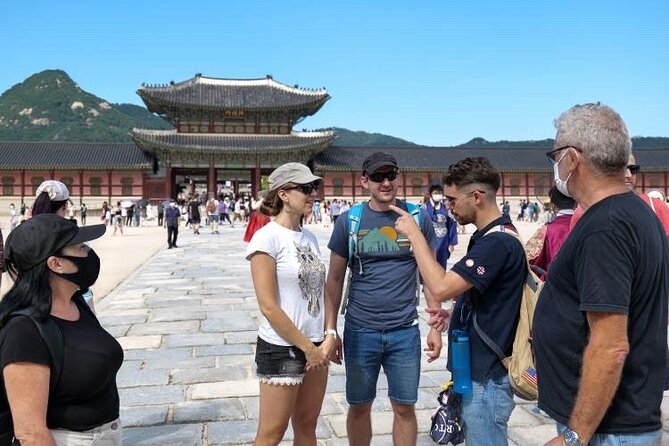
After the palace area, the route moves into Insadong for about 30 minutes. Here, the focus shifts from royal institutions to everyday culture, shops, food, and older urban patterns.
The neighborhood is known for traditional tea houses, galleries, bars, and craft shops. You also pass through streets with hanok buildings, the traditional Korean-style homes that give this part of central Seoul a distinct feel.
This is one of my favorite parts of the route because it makes the history practical. You are not only hearing about an earlier Korea. You are seeing how traditional design, crafts, drinks, and small businesses fit into a modern neighborhood.
The guide can also help you decide where to eat and drink later. The food advice is a repeated strength of this experience, with suggestions that include Korean beer chicken. That kind of tip is useful because you can ask follow-up questions in the moment and get advice suited to your interests.
Insadong is also where the walk may feel less controlled. Shops, side streets, and stopping points can invite you to linger, but the schedule continues toward Bukchon. If you want time for browsing, tea, or shopping, save a return visit rather than trying to fit everything into the 30-minute stop.
Bukchon Hanok Village finishes the walk uphill
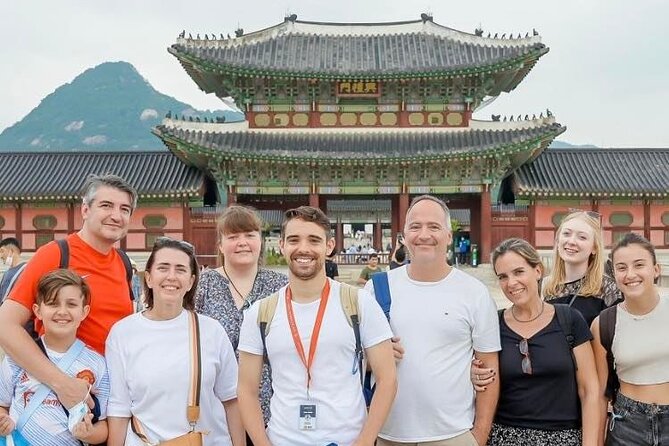
The final major stop is Bukchon Hanok Village, with about 30 minutes allocated. Bukchon sits on a hill between Gyeongbokgung Palace and other historic parts of central Seoul. Its traditional alleys and hanok homes preserve a sense of the city before modern high-rises reshaped it.
The hillside is important to note. This is not a flat stroll from one indoor attraction to another. You should expect an uphill finish and uneven urban walking, even though the supplied information does not give a precise distance or accessibility rating.
The village is preserved to show a 600-year-old neighborhood tradition. That makes it a strong ending because the route moves from civic Seoul, to royal Seoul, to lived-in historic Seoul.
The finish is near Cafe Onion Anguk, at 5 Gyedong-gil. That gives you a clear place to stop, rest, or continue exploring. The experience says it finishes at Bukchon Hanok Village, so Cafe Onion Anguk is best understood as the end-area landmark rather than a separate attraction included in the tour.
Keep your voice down in residential lanes. The material supplied for this experience does not spell out a full visitor code, but Bukchon’s value comes from its homes and streets, not just from taking photographs. Treating it as a neighborhood will make the visit more pleasant for everyone.
What the guides add to the walk
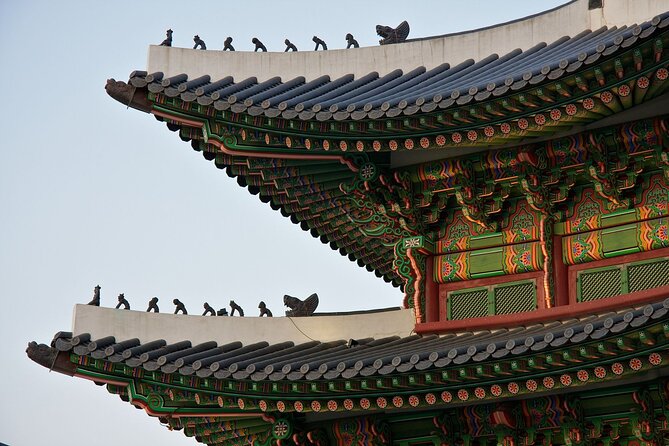
Two guide names appear in the feedback: Moises and Gemma. Moises is praised for strong English, useful explanations of Korean culture, and practical food suggestions. Gemma is praised for bringing the city’s history to life while explaining the sights and modern Seoul.
That distinction tells you what to expect. This is not presented as a silent transfer between landmarks. The guide is meant to connect places with stories and offer advice you can use after the walk.
The English level is an important consideration if you are booking for an English-speaking group. The available information specifically praises Moises’s English, and the comments about both guides focus on clear historical explanation. Guide assignments can change, so you should not assume a particular person will lead every departure.
The tone also appears flexible. One French-speaking participant found the experience worthwhile despite rain, and the guide offered useful advice for the rest of the stay. If you enjoy asking questions, this walk should give you more value than a simple recorded route.
The $96.75 price: what are you paying for?
At $96.75 per person, this is not a bargain-priced orientation walk. The price makes the most sense if you value a live guide, historical background, food recommendations, and a route that links several central districts without your having to plan the order yourself.
The listed stops have no admission charge, so you are not paying for a bundle of expensive tickets. You are paying mainly for the guide’s time and for the structure of the experience.
That can be worthwhile on a first Seoul visit, especially if you want help understanding the relationship between Gwanghwamun, the palace district, Insadong, and Bukchon. It is less compelling if you already know these neighborhoods and prefer to explore independently.
A group of up to 20 people keeps the tour from being fully private. It may still feel manageable, but personal attention can vary. If you want a private guide or a slower photographic visit, this is probably not the right format.
Timing, walking, and practical details
The experience lasts about 3 hours and 30 minutes. The listed stops add up to less time than that, which leaves room for walking between locations, explanations, the guard change, and pauses.
The meeting point is Seoul Plaza outside City Hall. The end is in the Bukchon and Anguk area, so you do not return to the starting point. That one-way design is efficient for sightseeing, but plan your next destination from the north-central part of the city.
A mobile ticket is provided, and confirmation is received at booking. The meeting area is near public transportation. Service animals are allowed, and the information says most people can participate.
Wear shoes suited to several hours on foot. The route includes open squares, palace grounds, neighborhood streets, and a hill near Bukchon. Rain is possible, and the experience may be canceled in poor weather. You can then choose a different date or receive a full refund.
Free cancellation is available until 24 hours before the start time. If you cancel later or make changes inside that period, the amount paid is not refunded. The experience also requires a minimum number of participants, so a cancellation for that reason leads to a new date, another experience, or a full refund.
Who should book this Seoul walking tour?
I would choose this tour for a first visit, a short stay, or a layover when you want the main central sights connected by a single clear story. It suits you if you like history in moderate portions, neighborhood wandering, and practical suggestions for food and drinks.
It is also a good fit if you want to learn where to return later. The 30-minute Insadong and Bukchon sections introduce places that deserve more time, rather than pretending you can fully see them in one pass.
I would hesitate if your priority is a detailed palace interior visit, private attention, or a slow shopping afternoon. The group may reach 20 people, the schedule is full, and the final section is uphill.
Should you book Discover Seoul: Local Life and History?
Book it if you want a well-shaped first walk through central Seoul, with Joseon-era landmarks and modern city life in the same morning or afternoon. The guides’ history explanations, English communication, and food advice are the strongest reasons to pay the $96.75 fee.
Skip it if you already know Gwanghwamun, Gyeongbokgung, Insadong, and Bukchon, or if you prefer to set your own pace. For everyone else, especially first-time visitors who want useful context before exploring alone, this is a solid orientation with a satisfying finish among Bukchon’s hanok lanes.
FAQ
Where does the tour start?
It starts at Seoul Plaza, outside Seoul City Hall, at 110 Sejong-daero in Seoul’s Jung District.
Where does the tour finish?
The route finishes in Bukchon Hanok Village, near Cafe Onion Anguk at 5 Gyedong-gil in Jongno District.
How long does the experience last?
The tour lasts approximately 3 hours and 30 minutes.
What places are visited?
The route includes Seoul City Hall, Gwanghwamun Square, the King Sejong and Admiral Yi Sun-sin displays, Gyeongbokgung Palace, Insadong, and Bukchon Hanok Village.
Does the tour include the changing of the guards?
The Gyeongbokgung Palace portion includes an introduction to the palace and the changing of the guards.
How large can the group be?
The maximum group size is 20 people.
Can I cancel for a full refund?
Yes. You can cancel at least 24 hours before the experience start time for a full refund. Cancellations or changes made less than 24 hours before the start time are not refunded.
Just added in Seoul
- Suwon: Baseball Game with Fortress and Local Food Tour★ 5.0 · 3 reviews
- Seoul: War Memorial of Korea Private Guided Museum Tour★ 4.9 · 29 reviews
- Seoul: Wine & Korean BBQ, Perfect Pairing Dinner in Sinchon★ 5.0 · 6 reviews
- Seoul : Your Personal Photographer in Gyeongbokung★ 5.0 · 7 reviews
- Seoul : Efoil Experience in Han River★ 5.0 · 5 reviews
- Seoul: Vivaldi Park Winter Ski with Eobi Ice Valley Day Tour★ 4.6 · 16 reviews
- Seoul: Vivaldi Park Winter Ski with Nami Island Day Tour★ 5.0 · 4 reviews
- Seoul: SnowyLand in Vivaldi Park with Nami or Alpaca★ 4.8 · 11 reviews
Historical Tours, compared.
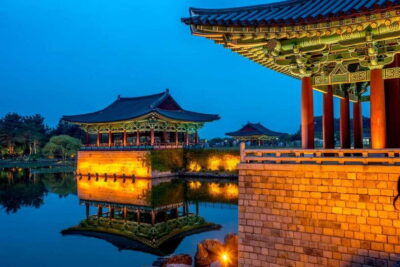
Gyeongju UNESCO World Heritage Guided Day Tour
Read our review →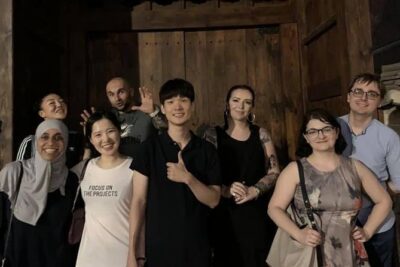
Evening Dark History, Folklore & Ghost Story Walking Tour
Read our review →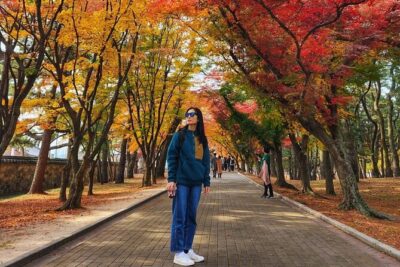
Old Korea Thousand History Tour of Gyeongju from Busan
Read our review →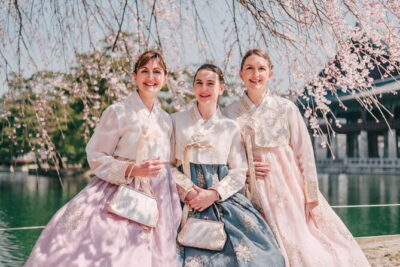
Hanbok Photoshoot and History Tour at Gyeongbokgung Palace
Read our review →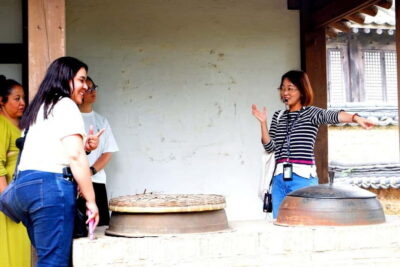
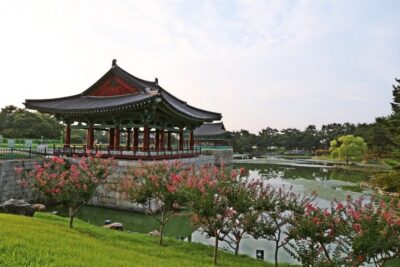
UNESCO Heritage Tour Including Bulguksa Temple
Read our review →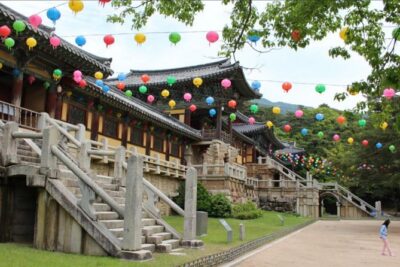
Gyeongju UNESCO World Heritage Sites and History Full-Day Tour with Lunch
Read our review →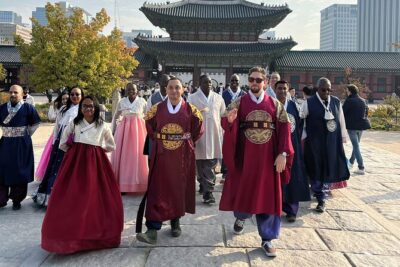
City Highlights and Historical Experience No Shopping
Read our review →Browse the lists this tour appears in