
Reviewed · WALKING TOURS
Gangnam Walking Tour on Youth and Society in Seoul Korea
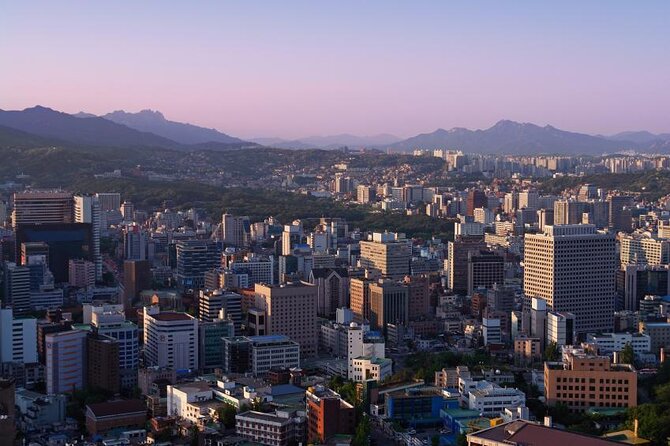
Gangnam is more than glossy shops, K-pop references, and expensive coffee. This 2.5-hour walking tour uses ordinary streets, a love-hotel district, a famous cram school, plastic-surgery clinics, and the Han River to explain the pressures facing young South Koreans.
I like the honest subject matter and the way June and Jessica connect big social issues to places you can actually see. I also like the small group, capped at 15 people, which leaves room for questions and personal comparisons. The main drawback is that this is a discussion-led walk, not a sightseeing tour packed with monuments, and the amount of walking may be tiring for older participants.
Key points at a glance
- Gangnam Station sets the scene: Learn how rapid economic growth shaped housing costs, status, and daily life.
- Love hotels reveal changing relationships: The tour explains Korean dating and marriage customs in a setting most visitors would pass without a second look.
- A cram school stop tackles education pressure: See how private education connects with competition, family expectations, and South Korea’s low birth rate.
- Sinsa-dong examines beauty culture: Plastic surgery and lookism are discussed through the streets of one of Seoul’s leading cosmetic districts.
- The Han River brings a darker topic: Development, public space, and suicide are linked at the final stop.
- Small-group format adds value: With a maximum of 15 people, you can ask direct questions and compare Korean life with your own culture.
Gangnam beyond the polished postcard
This tour asks you to look at Gangnam with fresh eyes. The district is one of South Korea’s richest and most developed areas, but its polished image also shows the strain created by that success.
You’ll walk through places connected to housing, education, dating, marriage, beauty, and mental health. None of these subjects is treated as a simple stereotype. The guide’s job is to explain how modern Korean life developed, then let you ask where the system works, where it hurts, and why it remains so competitive.
I especially like the tour’s use of real locations. You are not sitting in a classroom hearing abstract facts about Korean society. You are standing near a cram school while discussing education, or walking through a plastic-surgery district while talking about appearance and status.
The tone is serious, but the format remains conversational. Guides June and Jessica are praised for clear English, friendly delivery, historical context, and willingness to answer questions. Your guide may vary, but the experience is built around a local perspective rather than a memorized list of sights.
A few more things to do in Seoul worth a look
- Seoul moonlight walking tour with local historian
★ 5.0 · 940 reviews - Seoul: Nighttime Hidden Gems Walking Tour
★ 5.0 · 775 reviews - Seoul: Evening Dark History, Folklore & Ghost Story Walking Tour
★ 5.0 · 593 reviews
Starting near Gangnam Station: wealth, housing, and rapid growth
The walk begins at 820-10 Yeoksam-dong, near Gangnam Station, at 10:30 in the morning. The opening stop is Gangnam Station Intersection, a useful place to understand why this district carries so much symbolic weight in South Korea.
The discussion starts with housing and the development of modern Korea. Gangnam’s wealth did not appear by accident. Its growth reflects decades of intense national development, urban expansion, and investment in education and business.
For you, this opening gives the rest of the tour a useful frame. A discussion about plastic surgery or private schooling makes more sense when you understand the social rewards attached to property, education, income, and status.
The stop itself is free, but do not expect a formal attraction or entry into a museum. You are looking at the city around you while your guide explains what it represents. That is the strength of the tour, but also its limitation. If you want famous buildings, grand views, or a long list of photo stops, this opening may feel light on sightseeing.
Love hotels and the practical side of dating
The next stop is Hotel Seattle, in a district associated with love hotels. You will spend about 10 minutes discussing love culture in South Korea, including the way dating and private relationships fit into a dense, highly urban society.
This is one of the tour’s most unusual stops. Love hotels are easy to miss because they often blend into commercial streets, yet they can say a great deal about privacy, housing, dating, and social expectations.
The guide presents this topic as part of wider Korean culture, not as a cheap joke. You may hear about the gap between traditional expectations and modern relationships, along with the pressures surrounding dating, marriage, and family life.
This part may feel awkward for some people, especially if you expect a conventional city tour. I see that as part of its value. The tour is designed to show subjects that are visible in daily life but rarely explained to visitors.
Gangnam Daeseong Cram School and the cost of success
At Gangnam Daeseong Cram School, the tour turns to education. This is one of the best-known private institutes in the area, and the visit lasts about 20 minutes.
Private institutes, often called hagwons, are central to the conversation about competition in South Korea. The guide explains how students may spend additional time and money preparing for exams, and how educational achievement can affect future opportunities, family plans, and social standing.
You will also discuss birth rates. That connection matters. Long study hours, high expectations, expensive education, and pressure to provide the best possible future for children all shape decisions about marriage and family size.
The stop is not a school tour. You will not enter a classroom or watch a lesson. Instead, the building and surrounding streets provide a setting for the explanation. One advantage is that you can see how education is part of the commercial fabric of Gangnam. One drawback is that the experience depends heavily on the guide’s ability to explain the subject clearly.
June is particularly appreciated for adding historical context about South Korea’s rapid development over the past seven decades. That background helps prevent the education discussion from becoming a simple claim that Korean students are just unusually hardworking. The larger story is about a country that moved quickly from poverty to global economic power, while keeping intense competition at the center of advancement.
Same base, a different kind of day out:
- Best DMZ Tour Korea from Seoul (Red Suspension Bridge Optional)
★ 5.0 · 41,422 reviews - DMZ Tour: 3rd Tunnel, Option(Suspension Bridge, Boat) from Seoul
★ 5.0 · 21,373 reviews - DMZ tour south Korea from Seoul (NK experience hall, defector)
★ 5.0 · 20,599 reviews - Seoul: DMZ Tour with Optional Suspension Bridge
★ 4.8 · 5,277 reviews
Sinsa-dong and the pressure to look right
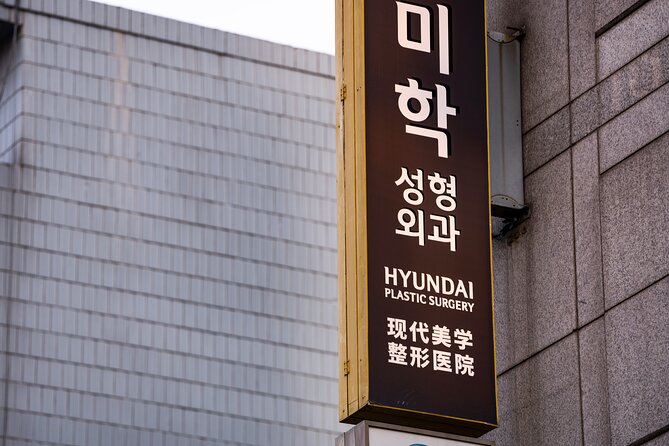
The route continues to Sinsa-dong, described as Seoul’s leading area for plastic surgery. You will spend roughly 20 minutes discussing cosmetic procedures, appearance, and lookism, the idea that a person’s appearance can affect how they are treated or judged.
This is another location where the physical setting does much of the teaching. Clinics, advertisements, and the polished commercial environment make the topic visible without requiring a special exhibit.
The guide may connect beauty culture with employment, dating, social expectations, media, and personal choice. The point is not that every Korean person supports plastic surgery, or that appearance concerns are unique to South Korea. Rather, you are encouraged to consider why beauty can carry such weight in a highly competitive society.
This stop may be especially interesting if your image of Seoul comes mainly from dramas, music, or Korean beauty products. The tour adds a harder question: what happens when looking a certain way feels less like a choice and more like an obligation?
The subject can be uncomfortable, but the setting makes it concrete. You are not just hearing that beauty standards exist. You are seeing the commercial system built around them.
The Han River: development and a serious final discussion

The final major stop is a playground in Hangang Park, beside the Han River. The group spends about 20 minutes discussing the river’s role in South Korea’s development and the difficult subject of suicide.
The Han River often represents Seoul’s success. Its parks offer open space in a dense city, and the river is tied to the capital’s dramatic economic growth. Here, the tour adds a more troubling layer by discussing mental health and suicide in relation to social pressure.
This is the most serious part of the walk. You should come prepared for frank conversation rather than a light finish beside the water. The subject is handled as part of the wider story of youth pressure, education, work, relationships, and the demand to succeed.
Weather can affect this section more than the others. Rain may change how long the group stays outdoors or where the guide speaks, though Jessica has adjusted the route and discussion in poor weather. The experience requires good weather, so a cancellation may result in another date or a full refund.
The tour ends near Apgujeong Station, Exit 4. The information lists the finish as Han River Park, so you should expect to walk from the riverside toward the station after the final discussion.
How much walking should you expect?
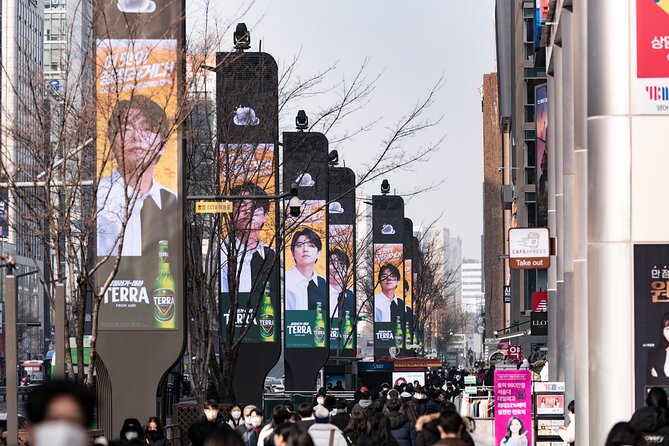
The listed duration is about two hours and 30 minutes. You also take the subway once, with a transportation fee of 1,800 won not included in the tour price.
The route moves through several parts of Gangnam and finishes at the Han River. You should wear comfortable shoes and expect a steady amount of walking, with discussion at each stop. A past participant specifically found the route demanding for senior citizens, so this is worth considering if you have limited mobility or dislike long urban walks.
There is no indication of entry fees at the stops. The included gratuities keep the advertised price simple, but you should bring money or a transit card for the subway ride. Since the route uses public streets and outdoor locations, the walking pace and weather will affect your comfort.
A small group makes the serious topics work
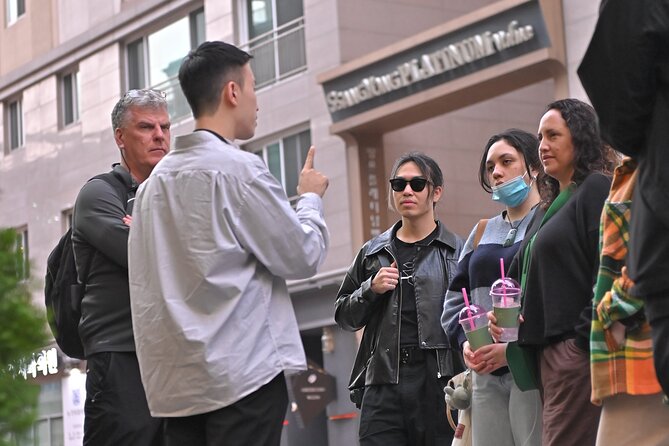
The maximum group size is 15 people. That is large enough to create a social setting, but small enough for direct questions.
This matters more here than it would on a basic sightseeing loop. You may want to ask how a social issue compares with your own country, clarify a term, or follow up on something the guide says. June and Jessica are repeatedly praised for clear English, patience, strong storytelling, and personal perspective.
The guide’s identity can change by departure, so you should not book with the assumption that you will receive a particular person. If you do meet June, expect extra historical context and a focus on youth, education, dating, marriage, birth rates, plastic surgery, and lookism. If Jessica leads the walk, you can expect an open, relatable style and thoughtful comparisons with American culture, based on the information provided about her guiding approach.
Is $31.98 a fair price?
At $31.98 per person, this is a good value if you want interpretation rather than admission tickets or major attractions.
You are paying for a local guide, a small group, roughly two and a half hours of discussion, and a route that connects several difficult topics. Gratuities are included, which removes one extra cost. The only listed transport charge is the 1,800-won subway ride.
The value drops if you judge tours by the number of sights visited. Much of the route involves ordinary streets, commercial buildings, sidewalks, and a park. One section may include sitting at a café or pausing in a simple public place rather than entering a special attraction.
I would compare this with the cost of trying to research these subjects alone. A guide can explain the links between housing, education, beauty, relationships, and mental health in one morning. That makes the price reasonable for travelers who want context and conversation.
Who will get the most from this walk?
I would choose this tour if you want to understand South Korea beyond food, shopping, palaces, and pop culture. It suits curious visitors who enjoy social history, current affairs, and asking questions.
It is also a strong choice for repeat visitors to Seoul. If you have already seen the main sights, a walk through Gangnam’s ordinary commercial areas can show you a side of the city that a palace visit cannot.
K-drama and K-pop fans may find it useful because it places familiar images of Korean life beside real pressures involving school, appearance, dating, and status. Families with older teenagers may also find the topics worth discussing, though the material about love hotels and suicide is serious.
I would skip it if you mainly want photo stops, historic architecture, shopping time, or a relaxed stroll. The tour is discussion-heavy, and the content can be uncomfortable. It also asks you to walk for much of the morning.
Practical booking advice and cancellation terms
Book with the expectation of an outdoor walking experience beginning at 10:30 a.m. near Gangnam Station and ending near Apgujeong Station. Confirmation is provided when you book, and the meeting point is close to public transportation.
The tour requires a minimum number of participants. If that minimum is not reached, you can be offered another date or experience, or receive a full refund. If poor weather cancels the walk, you receive the same choice.
For your own cancellation, you need to cancel at least 24 hours before the start time for a full refund. Changes or cancellations made inside that 24-hour window are not accepted for a refund.
Should you book the Gangnam Youth and Society Tour?
Book this walk if your main question is not What should I see in Seoul? but What is it like to grow up here?
The strongest parts are the specific locations, the candid subjects, and the chance to question a local guide in a group of no more than 15. June and Jessica bring different strengths, but both are associated with clear explanations and a direct look at modern Korean life.
Do not book it expecting a classic sightseeing route. You will see Gangnam, but the real destination is the social story behind its streets. For visitors who want a more honest picture of Seoul’s pressures as well as its success, $31.98 is a sensible price for two and a half hours of useful context.
FAQ
How long does the Gangnam Youth and Society Tour last?
The tour lasts approximately two hours and 30 minutes.
What time does the tour start?
The tour starts at 10:30 a.m.
Where does the tour begin?
The meeting point is 820-10 Yeoksam-dong in Gangnam District, Seoul, near Gangnam Station.
Where does the tour finish?
The walk finishes at Han River Park, with Apgujeong Station Exit 4 listed as the closest station.
Is transportation included in the price?
The tour includes one subway ride, but the 1,800-won transportation fee is not included.
What is the maximum group size?
The tour accepts a maximum of 15 participants.
Just added in Seoul
- Suwon: Baseball Game with Fortress and Local Food Tour★ 5.0 · 3 reviews
- Seoul: War Memorial of Korea Private Guided Museum Tour★ 4.9 · 29 reviews
- Seoul: Wine & Korean BBQ, Perfect Pairing Dinner in Sinchon★ 5.0 · 6 reviews
- Seoul : Your Personal Photographer in Gyeongbokung★ 5.0 · 7 reviews
- Seoul : Efoil Experience in Han River★ 5.0 · 5 reviews
- Seoul: Vivaldi Park Winter Ski with Eobi Ice Valley Day Tour★ 4.6 · 16 reviews
- Seoul: Vivaldi Park Winter Ski with Nami Island Day Tour★ 5.0 · 4 reviews
- Seoul: SnowyLand in Vivaldi Park with Nami or Alpaca★ 4.8 · 11 reviews
Walking Tours, compared.
Seoul moonlight walking tour with local historian
Read our review →
Evening Dark History, Folklore & Ghost Story Walking Tour
Read our review →
Dark Side of the City and Ghost Stories Walking Tour
Read our review →
Gyeongbok Palace and Bukchon Hanok Walking Tour
Read our review →
Highlights & Hidden Gems With Locals: Best of Seoul Private Walking Tour
Read our review →
Street photoshoot and Seoul Hidden gem History Walking Tour
Read our review →
Browse the lists this tour appears in