
Reviewed · PALACE & GYEONGBOKGUNG TOURS
Seoul: Gyeongbok Palace and Bukchon Hanok Walking Tour
Gyeongbokgung Palace and Bukchon Hanok Village give you two very different looks at Seoul in one morning: royal Seoul inside the palace walls, then neighborhood Seoul in the lanes of Bukchon. The guide-led walk also helps you understand how to use Korean public transport and how old buildings fit into a modern capital.
I especially like the small groups of no more than eight and the way the tour links history with daily life. Guides such as Stella, Joe, Jack, and Jay Kim are praised for clear storytelling, photo help, food suggestions, and practical advice. The main drawback is the pace: three hours covers a lot, but you will walk, stand, and climb in Bukchon, with limited time to inspect every room or museum display.
- Watch the royal guard-changing ceremony at Gyeongbokgung Palace.
- Visit the National Folk Museum for a look at ordinary Joseon-era life.
- Walk Samcheongdong Alley and Bukchon’s traditional hanok streets.
- Learn Seoul transport basics from a local guide, including practical subway and bus advice.
- Finish near Insadong, a handy area for souvenirs, food, and further exploring.
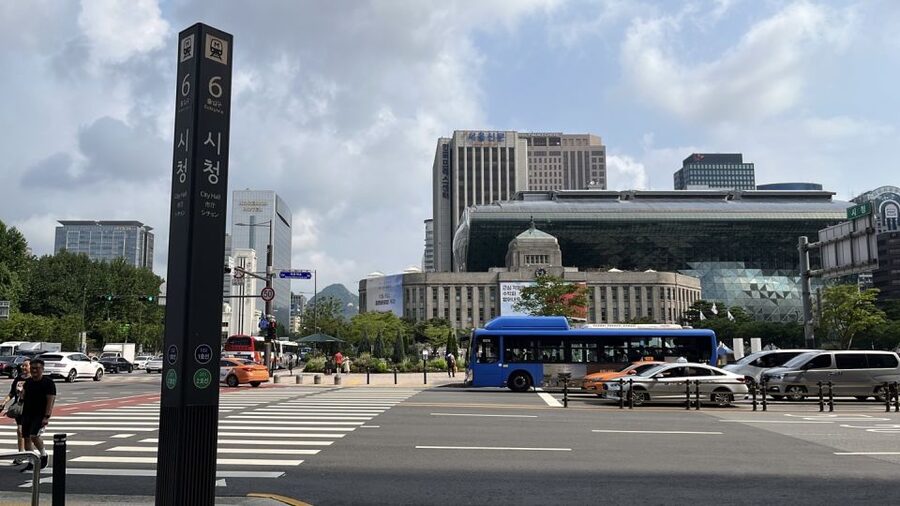
Starting at City Hall Station
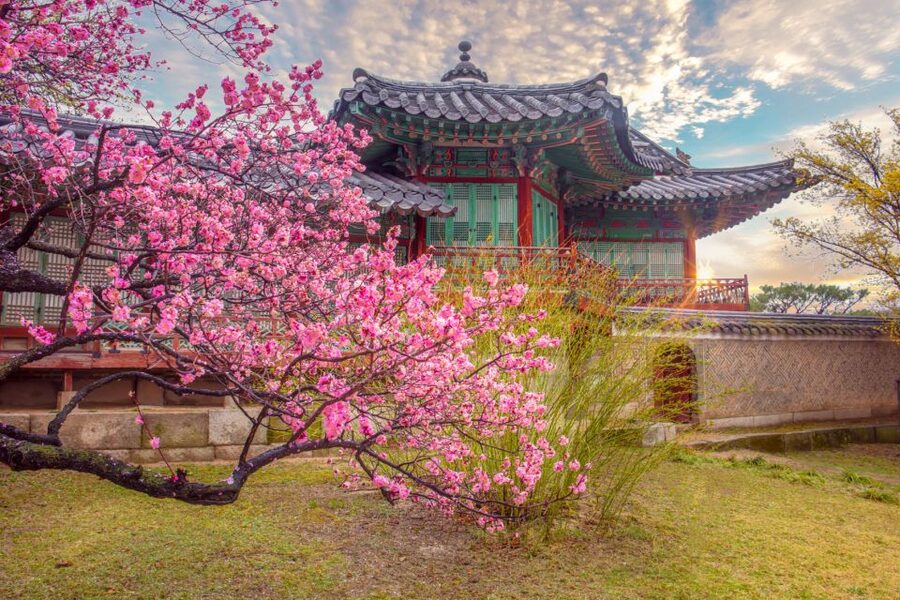
The tour begins outside City Hall Station Exit 6, beside The Plaza hotel. This is a central, easy-to-find meeting point, though you should allow time to locate the correct exit in Seoul’s large underground station system.
From there, you walk toward Gyeongbokgung Palace. That opening walk matters because it gives your guide room to orient you. Instead of appearing at a palace gate with no sense of place, you begin to see how the ceremonial center of old Seoul connects with the working city around it.
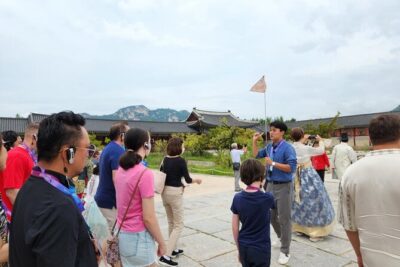
The group is limited to eight people, although several bookings have ended up as one-on-one or very small private-style walks. That is a major advantage if you want to ask questions, stop for photos, or adjust the conversation to your interests. It also means the exact feel can depend on the group size on your date.
This is an English-language tour, and the guides have different personalities. Stella is often described as warm, patient, and lively. Joe has a background as a teacher, while Jay Kim is praised for conversations that range from Korean history and politics to food and current social issues. Jack, Ben, Kay, and Jae have also led tours with a mix of history, local advice, and photo help.
Gyeongbokgung Palace and the royal guard ceremony
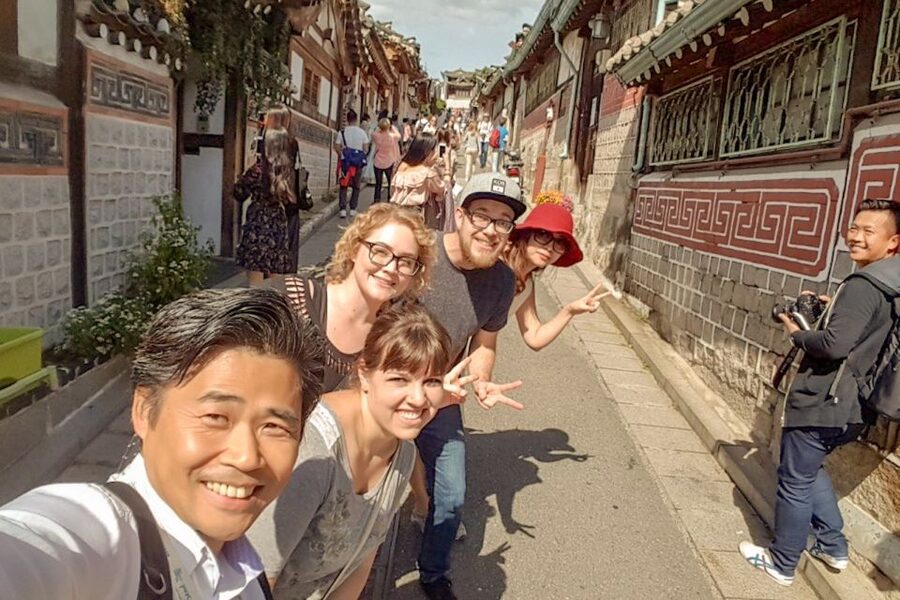
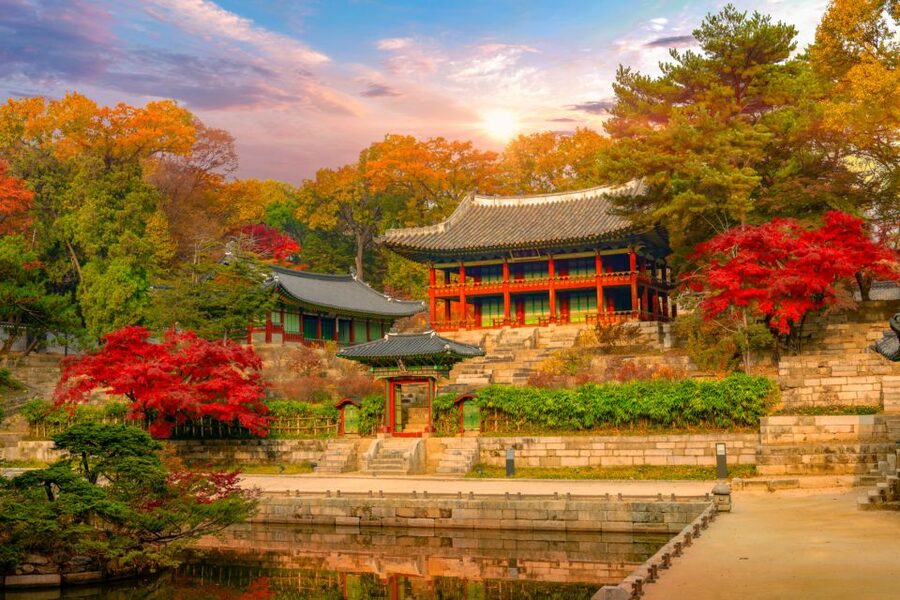
Gyeongbokgung is the visual centerpiece of the morning. Its large gates, courtyards, halls, and ceremonial spaces make it easy to see the power of the Joseon court, which ruled Korea for roughly 500 years.
The tour includes your palace entrance ticket, so there is no separate admission decision to make at the gate. Your guide supplies the context that turns painted beams, stone platforms, and formal courtyards into more than attractive backdrops.
The changing ceremony of the royal guards is one of the morning’s key moments. Period uniforms and formal movements make for good photographs, but the ceremony is also useful as an introduction to the palace’s role as a center of royal authority. Timing can matter, so the exact sequence may shift with the morning schedule, weather, or traffic conditions.
You should expect to spend time standing during explanations and ceremony viewing. Comfortable shoes are not a polite suggestion here. The palace grounds involve walking across broad open spaces, and the morning can feel cold in winter, hot in summer, or uncomfortable in rain.
The guides are particularly useful for questions that arise on the spot. A good guide can explain why a particular building mattered, point out architectural details, and connect the Joseon period to modern Korea. That connection is one reason this tour works better than simply wandering through the palace with a phone guide.
Still, keep your expectations realistic. This is not an all-day palace study visit. You will see the important areas and receive a clear introduction, but you may not have time to linger at every courtyard or photograph each angle at your own pace.
Other traditional-house quarters near Seoul:
- Seoul City Sightseeing Tour Including Gyeongbokgung Palace, N Seoul Tower, and Namsangol Hanok Village
★ 5.0 · 1,423 reviews - Best Walking Tour to Gyeongbok Palace Bukchon Hanok Village
★ 5.0 · 138 reviews - Royal Seoul Cooking Class in a 100-Year-Old Hanok
★ 5.0 · 81 reviews
The National Folk Museum and everyday Joseon life
Inside the palace grounds, the next stop is the National Folk Museum of Korea. The museum holds more than 98,000 artifacts and focuses on the daily life, customs, and traditions of Korean people.
This stop gives the tour needed balance. Gyeongbokgung shows you the royal court, while the folk museum shifts attention toward homes, work, clothing, ceremonies, and ordinary routines. It helps answer a useful question: what did life look like beyond the palace gates?
A guide makes a real difference here. Museum displays can be hard to read quickly, especially if you are unfamiliar with Korean history or the social structure of the Joseon era. Your guide can point out objects worth your attention and explain why they mattered.
The museum visit is not a full museum tour. The three-hour schedule has to cover the palace, museum, Bukchon, and the walk between them. If you are passionate about Korean folk art or material culture, you may want to return later with more time. On this tour, the museum functions as a focused introduction rather than a complete survey.
I like this middle section because it prevents the morning from becoming a parade of royal buildings. It gives you a better feel for the people who lived in the society represented by the palace.
Walking through Bukchon Hanok Village
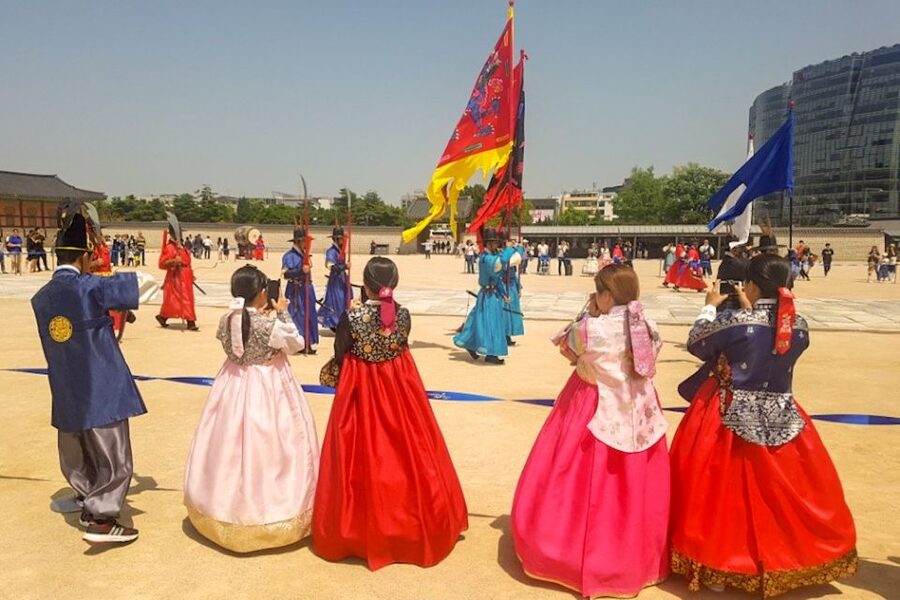
After Gyeongbokgung, the tour heads toward Bukchon Hanok Village, including a walk through Samcheongdong Alley. This is where the morning becomes more intimate and less ceremonial.
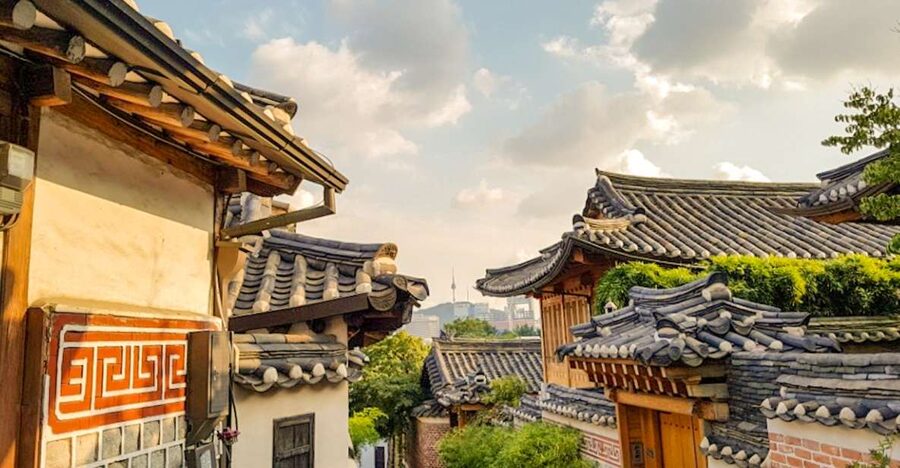
Bukchon is known for its traditional hanok houses, narrow lanes, slopes, and views across tiled rooftops. The appeal comes from the contrast: historic homes sit close to cafes, shops, galleries, and modern Seoul streets. You get a sense of old and new sharing the same tight urban space.
The walk is not flat. Several people who took this route specifically noted the uphill sections and climbing. You should be prepared for a fair amount of walking, standing, and some steep streets. Comfortable clothing and shoes will make a noticeable difference.
Your guide helps you avoid treating Bukchon as a collection of photo stops. The best explanations cover how the neighborhood functions today, why the houses look different from palace buildings, and how traditional architecture fits into a modern city. The guide may also lead you through smaller lanes and short paths that are easy to miss when exploring alone.
There is a practical point to remember: Bukchon is a lived-in neighborhood, not simply an open-air museum. Keep your voice low, respect residents, and avoid blocking narrow lanes while taking pictures. The tour’s small size helps, but good behavior still matters.
The village is often the highlight for people who want a closer look at Seoul’s traditional side. It is also the part most likely to tire you out. The morning itinerary covers a lot of ground in a short time, so you may not have long to linger at every house or viewpoint.
Learning to move around Seoul
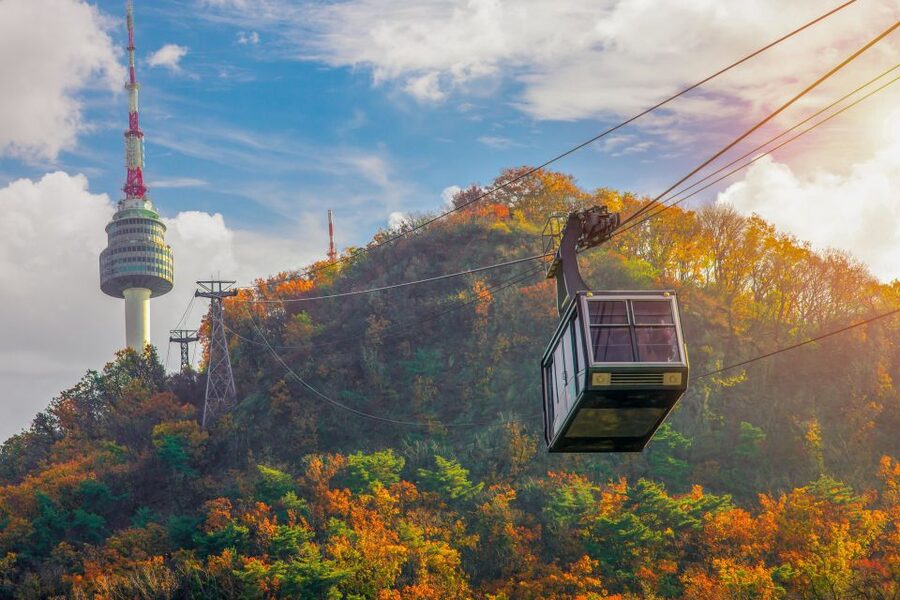
One useful feature is the attention to public transport. Your guide can explain how to get around Korea, offer subway or bus pointers, and discuss local transport etiquette. This may sound like a small extra, but it can save you time and confusion for the rest of your trip.
Several tour experiences have included help with transport cards and instructions for reaching other parts of Seoul. That is especially useful on your first morning in the city, when subway signs, station exits, and transfer routes can feel like a puzzle.
You also get a chance to ask practical questions about food, shopping, skincare, neighborhoods, and places to visit later. One guide took time to help with Korean pronunciation, while others suggested vegetarian street food, photo spots, tea, restaurants, and skincare shops.
This is where the experience becomes more than a history walk. You can shape the conversation around your own plans. If you want a strictly academic tour, tell the guide at the start. If you want help planning the rest of your Seoul stay, bring a short list of questions.
More palace and old-quarter walks in Seoul:
- Seoul: Gyeongbok Palace, Bukchon Village, and Gwangjang Tour
★ 4.9 · 2,321 reviews - Best Seoul City Tour (Gyeongbokgung Palace,Insadong,Namsan Tower)
★ 5.0 · 1,647 reviews - Small-Group Royal Palace and Seoul City Tour (hotel pick-up)
★ 5.0 · 1,474 reviews - Seoul: Gyeongbok Palace, Bukchon Village, and Gwangjang Tour
★ 5.0 · 1,044 reviews
Finishing near Insadong
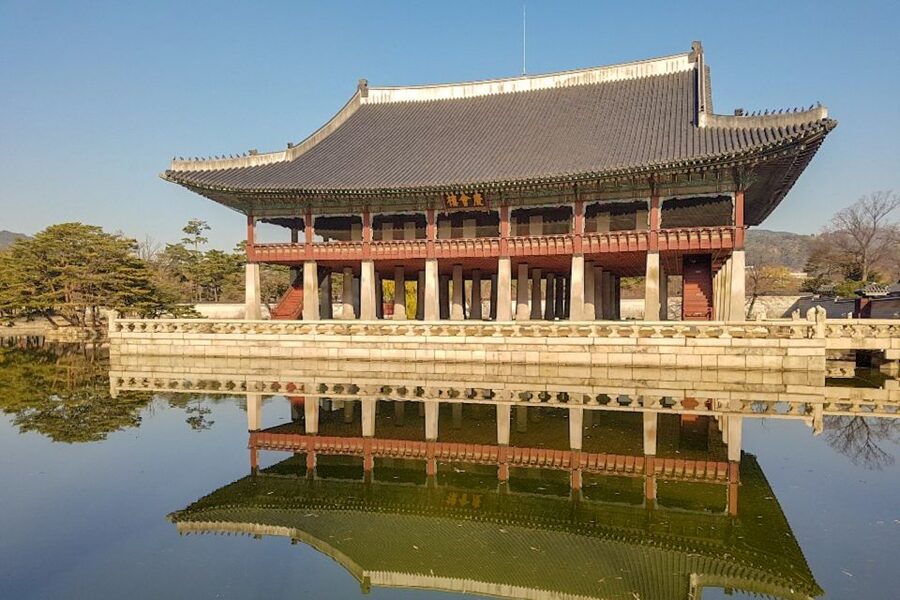
The morning ends in the Insadong area, a sensible finish for a first Seoul walk. It is known for souvenirs and traditional-style shopping, and you can ask your guide where to browse or eat next.
Ending here gives you freedom. You can continue exploring on your own, stop for lunch, or use the transport advice you have just received to reach another district. The tour does not include hotel drop-off, so you should plan your next move before the walk ends.
Insadong also makes the tour easy to extend. If you are still interested in traditional culture, you can spend more time in the area. If you have had enough history for one morning, it is simple to switch to shopping or food.
Is $88 good value for three hours?
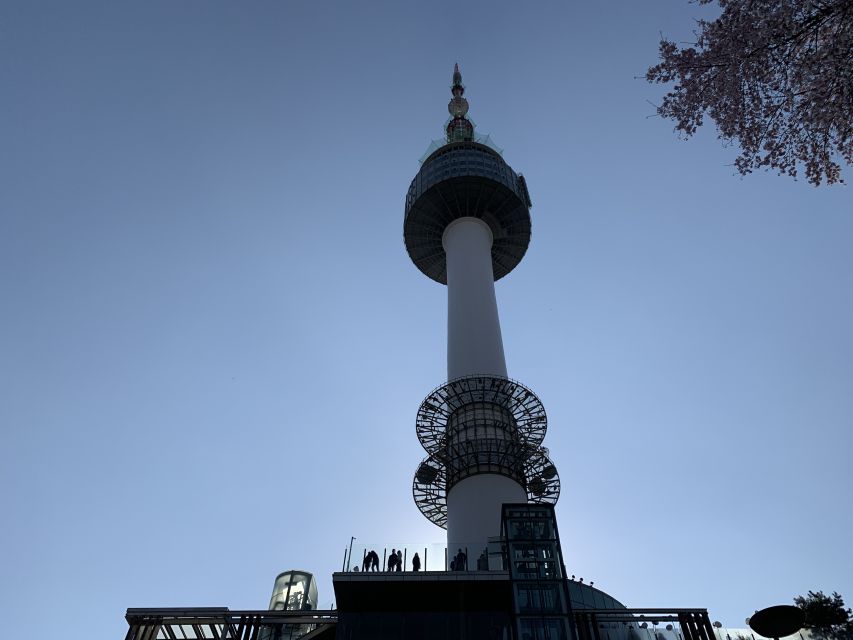
At $88 per person, this is not the cheapest way to see Gyeongbokgung and Bukchon. You could visit the palace independently for less, walk through the village without a guide, and use a map or app for background.
The price makes more sense if you value explanation, small-group attention, and help getting oriented. You receive the palace admission ticket, an English-speaking guide, and a carefully connected route through several major sights. The practical transport advice can also help you avoid wasting part of your first day.
A private-style experience is possible when few people book the date. Several tours have had only one or two participants, which gives you more time to ask questions and move at a comfortable pace. You should not assume a private tour, however, since the advertised format is a small group of up to eight.
I would consider the price fair for a first morning in Seoul if you want cultural context and personal guidance. I would look elsewhere if you are comfortable researching the palace yourself, want long museum visits, or prefer to stop frequently for your own photography.
Weather, timing, and comfort
The itinerary can change with weather and traffic. The palace ceremony, walking route, and timing may not unfold exactly as planned, so keep your schedule flexible after the tour.
Winter can be very cold, as one guide continued leading the walk through snow and intense cold. Summer heat, rain, and slick streets can also affect your comfort. Dress for the forecast and wear shoes with good support.
You should also allow for the physical demands of the route. The walk includes palace grounds, city streets, museum time, narrow alleys, and uphill sections in Bukchon. It is manageable for many people, but it is not a sit-down sightseeing trip.
The three-hour duration is a strength and a limit. It fits neatly into a morning and leaves the afternoon open, but the schedule does not allow unlimited time at each stop. If you want a broad introduction, the timing works well. If you prefer slow, detailed exploration, plan to revisit one or more sites later.
Who will get the most from this tour?
I would recommend this experience to a first-time Seoul visitor who wants a clear introduction before exploring alone. It is also a good fit for solo visitors, couples, and small groups who prefer questions and conversation over a large coach tour.
History fans will enjoy the Joseon background, while photographers will appreciate the palace uniforms, courtyards, tiled roofs, alleys, and guide-suggested picture spots. Food-focused visitors can also ask for local dishes and restaurant ideas, including vegetarian suggestions.
Families and older visitors should consider the walking and uphill sections carefully. The guide can help set the pace in a small group, but there is no promise that every part of the route will be easy or flat.
This is less suitable for you if you want to spend half a day inside the museum, shop without interruption, or explore Bukchon entirely on your own. The route is structured and efficient, not leisurely in every section.
Should you book the Gyeongbokgung and Bukchon walk?
Book it if you want history, orientation, and local advice in one morning. The strongest part is the guide-led connection between royal architecture, everyday Joseon life, traditional homes, and present-day Seoul.
The guide quality is important, and names such as Stella, Joe, Jay Kim, Jack, Ben, and Jae have been associated with friendly, detailed tours. Your guide will vary, so book this for the format and route rather than expecting a particular person.
At $88, you are paying for interpretation and a small group, not just admission. For a first day in Seoul, that can be worthwhile. Bring comfortable shoes, arrive at City Hall Station Exit 6 on time, and leave room in your plans for the tour to finish near Insadong.
FAQ
How long is the Seoul palace and Bukchon tour?
The tour lasts three hours and takes place in the morning.
Where does the tour meet?
Meet outside City Hall Station at Exit 6, right next to The Plaza hotel.
Where does the tour finish?
The morning tour ends in the Insadong area.
What sights are included?
The route includes Gyeongbokgung Palace, the changing ceremony of the royal guards, the National Folk Museum of Korea, Bukchon Hanok Village, and Samcheongdong Alley.
Is the palace entrance included?
Yes. The Gyeongbokgung entrance ticket is included in the price.
Is hotel pickup included?
No. Hotel pickup and drop-off are not included.
What language is the tour offered in?
The tour is offered in English with a live guide.
How large is the group?
The tour is limited to eight participants.
What should I bring?
Bring comfortable shoes and comfortable clothing. You should also dress for the weather, since the itinerary includes substantial outdoor walking.
Can I cancel the booking?
You can cancel up to 24 hours in advance for a full refund. The reserve-now, pay-later option lets you hold a place without paying immediately.
More Walking Tours in Seoul
- Seoul moonlight walking tour with local historian
★ 5.0 · 940 reviews - Seoul: Nighttime Hidden Gems Walking Tour
★ 5.0 · 775 reviews - Seoul: Evening Dark History, Folklore & Ghost Story Walking Tour
★ 5.0 · 593 reviews - Seoul: Dark Side of the City and Ghost Stories Walking Tour
★ 4.8 · 484 reviews
Just added in Seoul
- Suwon: Baseball Game with Fortress and Local Food Tour★ 5.0 · 3 reviews
- Seoul: War Memorial of Korea Private Guided Museum Tour★ 4.9 · 29 reviews
- Seoul: Wine & Korean BBQ, Perfect Pairing Dinner in Sinchon★ 5.0 · 6 reviews
- Seoul : Your Personal Photographer in Gyeongbokung★ 5.0 · 7 reviews
- Seoul : Efoil Experience in Han River★ 5.0 · 5 reviews
- Seoul: Vivaldi Park Winter Ski with Eobi Ice Valley Day Tour★ 4.6 · 16 reviews
- Seoul: Vivaldi Park Winter Ski with Nami Island Day Tour★ 5.0 · 4 reviews
- Seoul: SnowyLand in Vivaldi Park with Nami or Alpaca★ 4.8 · 11 reviews
Palace & Gyeongbokgung Tours, compared.
Gyeongbok Palace, Bukchon Village, and Gwangjang Tour
Read our review →
Best Seoul City Tour (Gyeongbokgung Palace,Insadong,Namsan Tower)
Read our review →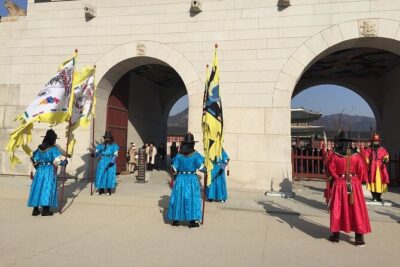
Small-Group Royal Palace and Seoul City Tour (hotel pick-up)
Read our review →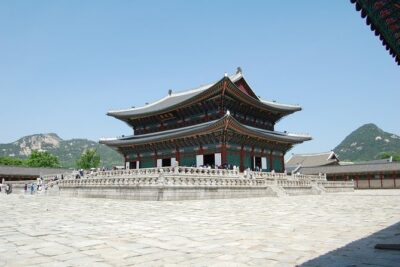
Seoul City Sightseeing Tour Including Gyeongbokgung Palace, N Seoul Tower, and Namsangol Hanok Village
Read our review →
Seoul Highlights: Gyeongbok Palace, Insadong & N Seoul Tower
Read our review →
Seoul City Half Day Tour-Gyeongbok Palace Guard Changing Ceremony
Read our review →
Browse the lists this tour appears in