
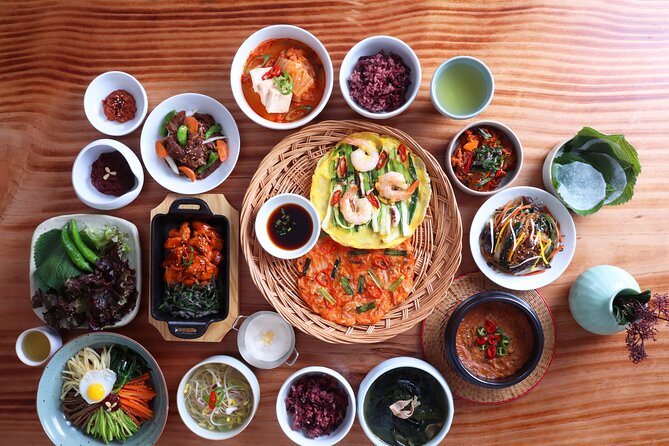
Reviewed · COOKING CLASSES
Master Korean traditional cooking with a Kimchi chef
Seoul’s Gyeongdong Market is the star of this experience. You do not simply arrive at a cooking studio and follow a demonstration. You walk through a huge food and traditional medicine market, learn about Korean ingredients, buy what you need, then cook a full meal in a Korean-style home.
I like the small-group format, which keeps the class personal and gives you a real chance to handle the ingredients. I also like the day-by-day menus, since you can choose samgyetang, kimchi, bulgogi, japchae, doenjang jjigae, bibimbap, or Korean desserts.
The main thing to watch is the schedule. The class does not make the same dishes every day, and the meeting point at Jegidong Station requires you to find your own way there. The experience is also listed as a small private activity, so confirm the final group arrangement when you book.
Key points to know before booking
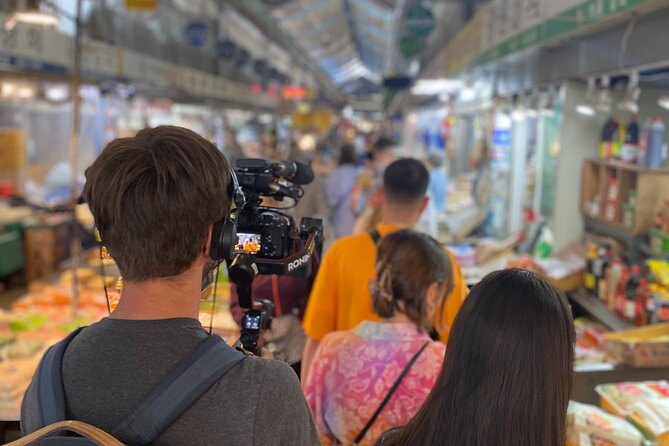
- Gyeongdong Market visit: Shop for ingredients in one of Seoul’s largest food and traditional medicine markets.
- Hands-on cooking: You prepare portions of the menu yourself rather than simply watching a chef work.
- Different menu by day: Monday is samgyetang, Thursday is kimchi, Tuesday and Saturday feature bulgogi, japchae, and doenjang jjigae, Friday is bibimbap, and Sunday focuses on Korean desserts.
- Small class size: The experience is designed for a small group, with the main description listing a limit of seven people.
- Dietary choices: Vegan and halal options are available if arranged for the class.
- Useful location: Jegidong Station on Line 1 is the start and end point, making this easy to pair with other Seoul sightseeing.
Starting at Jegidong Station at 10 a.m.
You meet your guide at Exit 2 of Jegidong Station a little before 10 a.m. This is not a hotel pickup, so allow enough time to reach the station and find the correct exit. The activity ends at the same meeting point after lunch or dessert.
The location is a good fit for the experience. Jegidong is near Gyeongdong Market, Seoul’s Oriental Medicine Market, and the market streets that supply much of the food used in the class. You begin in a working part of the city rather than in a cooking school built only for tourists.
The guide becomes your cooking instructor for the day. Chef Minseon is named in several class descriptions and has been praised for clear explanations, patience, and friendly communication. Other instructors may lead your session, but the teaching style is intended to be practical and supportive, including for people who rarely cook.
The class runs about three and a half hours. That includes the market walk, shopping, cooking, and sitting down to eat. You will want a light breakfast, but do not arrive hungry enough to feel rushed. Morning tea is included, and the meal or dessert comes later in the session.
More Cooking Classes in Seoul
- Local Home Korean Cooking Class & Market Adventure in Seoul
★ 5.0 · 1,024 reviews - Seoul: Korean Cooking Class at a Local Home and Market Tour
★ 5.0 · 348 reviews - Seoul: Korean Cooking at Seoul Cooking Club!
★ 5.0 · 311 reviews
Gyeongdong Market: ingredients with a side of Seoul
The first stop is Gyeongdong Market. Your guide leads you through the market while explaining the ingredients needed for the day’s recipes. This is more than a quick stop for groceries. The market sells vegetables, spices, food products, and traditional medicinal ingredients, so it gives you a useful look at the connection between Korean cooking, seasonal produce, and everyday health traditions.
You may see ingredients that are familiar in name but less familiar in their Korean form. The guide can explain what they are used for and how they fit into the dishes you will prepare. This is especially useful for anyone who has eaten Korean food in restaurants but has never cooked with gochujang, kimchi, doenjang, or the many vegetables used in Korean home meals.
The market is also the most local-feeling part of the morning. Several past class descriptions note that the group walks through areas where few foreign visitors stop. That does not mean the market is staged or polished for sightseeing. It is a busy food market, and you should expect a practical walk rather than a quiet guided tour.
The pace can be lively, and the market may feel large. That is part of its appeal, but it also means you should wear comfortable shoes and stay close to your guide. The shopping portion is short enough to keep the class moving, yet long enough to give you context before you start cooking.
A small extra may appear along the way. Some class sessions have included a taste of traditional Korean donuts or other market snacks. These details can vary, so treat them as a possible bonus rather than a guaranteed part of the program.
Choose your cooking day carefully
The menu changes by day, and this is one of the most important details when booking. The experience is not a single fixed recipe class.
- Monday: Samgyetang, a Korean ginseng chicken soup.
- Tuesday and Saturday: Bulgogi, japchae, and doenjang jjigae.
- Thursday: Kimchi.
- Friday: Bibimbap.
- Sunday: A selection of Korean desserts.
Each class is planned around three menu items, though some class sessions have prepared four dishes or included extra tasting and practice. The exact amount of food can vary with the day and group.
If you specifically want to learn kimchi, choose Thursday. The title of the experience may suggest that kimchi is always the focus, but it is only the scheduled Thursday menu. If you want a complete savory meal, Tuesday or Saturday gives you a broad introduction to Korean cooking: grilled or marinated meat, noodles and vegetables, plus fermented soybean stew.
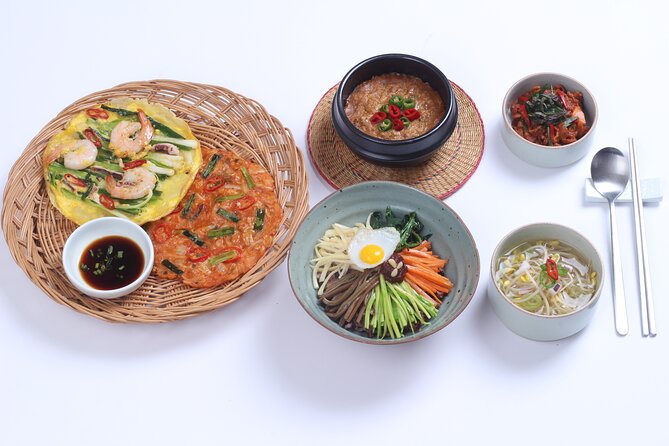
Friday’s bibimbap class is a good pick if you want to understand how one bowl can bring together rice, vegetables, seasoning, and texture. Sunday’s dessert class is better for anyone who wants something less familiar than the usual Korean barbecue and stew combination.
The menu choice also affects the value of the class. A kimchi session teaches a central Korean food tradition, but it may not provide the same full meal as the bulgogi, japchae, and doenjang jjigae day. Read the daily menu before paying, especially if you have a particular dish in mind.
Cooking in a Korean-style home
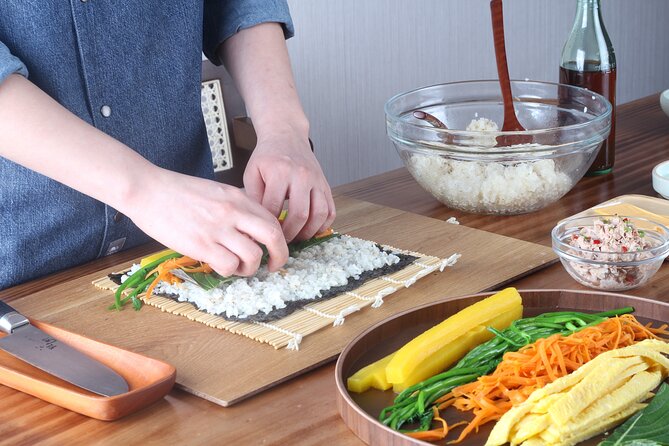
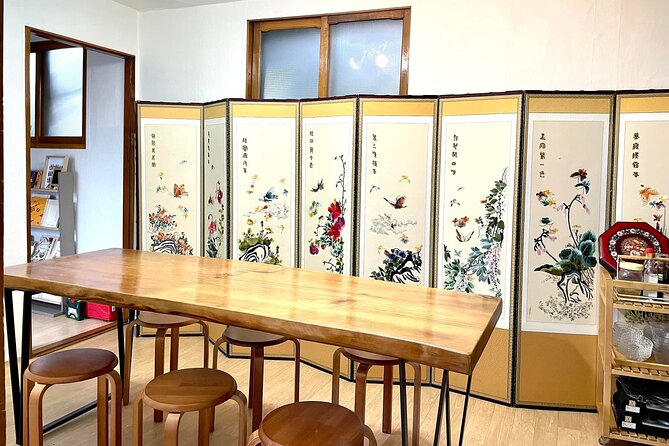
After the market, your guide takes you to a Korean-style house in a nearby neighborhood. The class has also been described as taking place in a well-equipped cooking studio, so the exact setting may combine the warmth of a home with the practical layout of a teaching kitchen.
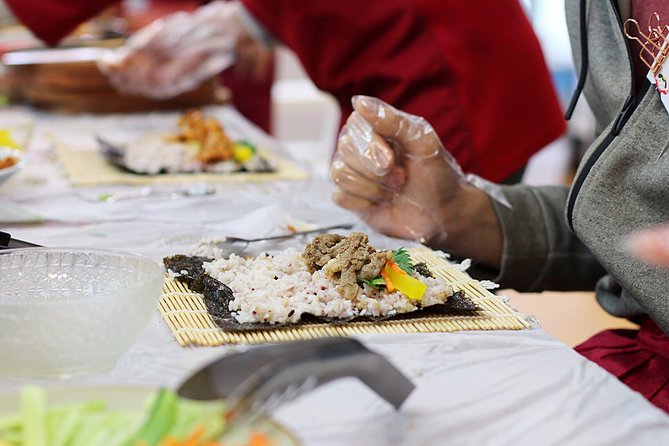
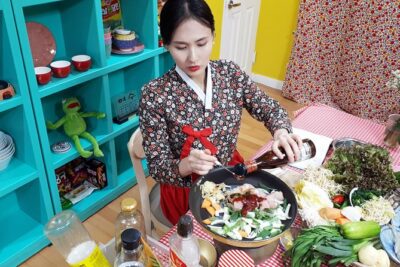
You are not there only to watch. This is a hands-on class. Each person helps prepare small portions of the full menu, then the group sits down to eat the completed dishes. That setup gives you a better feel for Korean cooking than a demonstration where the chef handles every knife, pan, and seasoning bowl.
The instructor explains the ingredients, techniques, and order of preparation. The recipes are intended to be manageable at home, which matters if you want to recreate the dishes after returning from Seoul. The food is traditional in style, but the class is not presented as professional culinary training. You are learning useful home cooking, not preparing for a restaurant kitchen.
The small class size helps here. The main description limits the group to seven, while the booking information also mentions a maximum of 10 people and says the activity is private to your group. Because those numbers do not match perfectly, ask for the expected class size if personal attention is important to you.
The teaching has earned particular praise for patience and clarity. Beginners should not feel embarrassed if they need help with chopping, seasoning, or timing. Chef Minseon has been singled out for helping people who got lost on the way to the meeting point and for making the kitchen feel easy to follow.
Other classes where you cook in Seoul:
- Korean Cooking at Seoul Cooking Club
★ 5.0 · 220 reviews - Korean Cooking Class with Grocery Shopping at Seoul Local Market
★ 5.0 · 107 reviews - Korean Kimchi Making Day Experience with a Local Market Tour
★ 5.0 · 99 reviews - Royal Seoul Cooking Class in a 100-Year-Old Hanok
★ 5.0 · 81 reviews
Eating what you prepared
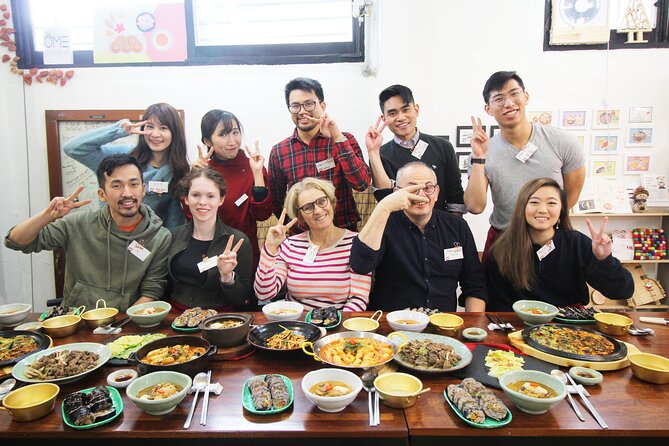
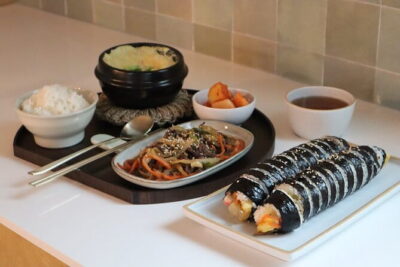
Once the dishes are ready, you sit down with your group and share the meal. This is a simple but important part of the class. You can taste the food while the preparation is still fresh in your mind, rather than eating an unrelated lunch after the lesson.
The meal gives you a chance to compare the flavors you created. Korean cooking often depends on balance: salty and fermented notes, sweetness, heat, freshness, and texture. You may begin to understand why a dish tastes different when you make it yourself, even if you have eaten it many times in Seoul restaurants.
Portions have sometimes been generous enough for people to take food away, though takeaway packaging is not listed as a standard inclusion. The official inclusions are lunch or dinner, or dessert depending on the selected class and time, morning tea, a local guide, and the group cooking activity.
Some past classes have also provided a recipe book. That is useful if you want to cook Korean food at home, but it is not listed as a guaranteed inclusion. Ask if written recipes matter to your decision.
How much value do you get for $85?
At $85 per person, this is not the cheapest way to eat lunch in Seoul. It is also not simply a meal. The price covers a guided market visit, ingredient shopping, instruction, a hands-on cooking session, and the food you prepare.
I see the value in the combination. A market tour on its own might show you the ingredients without teaching you how to use them. A cooking class in a studio might teach recipes without showing you where Korean households buy their food. This experience links the two parts.
The class also saves you from buying unfamiliar ingredients in large quantities. You taste the dishes, learn the basic process, and can decide later which ingredients are worth seeking out at home. For people who regularly take cooking classes while abroad, the three-and-a-half-hour length makes the price easier to justify.
The value is weaker if you only want a quick lunch or a polished food demonstration. You spend part of the morning walking, shopping, and preparing food. That is the point of the experience, but it requires more effort than sitting down at a restaurant.
The 100 percent recommendation rate and 5.0 rating suggest very strong satisfaction, but you should still choose the right menu. A person hoping to make kimchi on a Tuesday may be disappointed if they do not notice the day-specific schedule.
Dietary needs, children, and timing
Vegan and halal options are available. Tell the operator about your dietary needs when booking rather than waiting until the class begins, since the market shopping and recipes are planned for the selected day.
The experience accepts one child per class, but children under six are not allowed for safety reasons. Anyone over 14 is charged the adult price. This makes the class more suitable for older children and teenagers who can take part in kitchen tasks without constant supervision.
The activity starts at 10 a.m. and ends back at Jegidong Station. The mobile ticket is convenient, but it does not replace the need to check the exact meeting instructions. The meeting point is at Jegi-dong Station, Exit 2, near the Oriental Medicine Market. The activity does not include subway pickup or drop-off, so transportation to and from the station is your responsibility.
Free cancellation is available if you cancel at least 24 hours before the local start time. Changes or cancellations inside that window are not accepted for a refund. The class also requires a minimum number of participants, and if the operator cancels for that reason, you are offered another date or activity, or a full refund.
Who will enjoy this class most?
I would choose this for you if food is one of the main reasons you visit Seoul. It suits curious eaters, first-time Korean cooks, and people who want more context than a restaurant meal can provide.
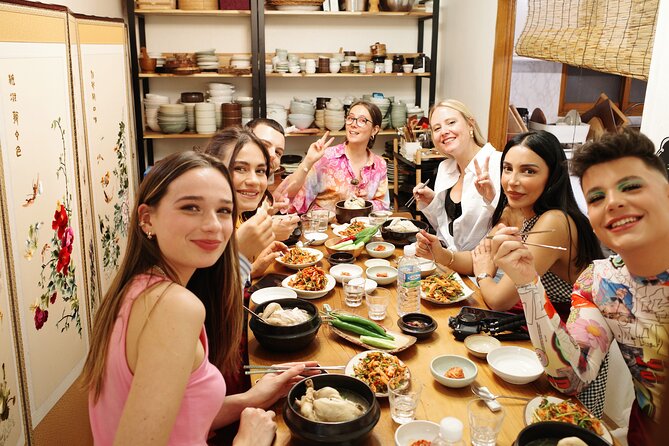
It is also a strong choice for solo visitors. The small format makes it easier to meet people, and the shared meal gives the class a natural social finish. Couples, families with older children, and small groups of friends should also find the format comfortable.
You may want a different activity if you dislike markets, walking, or group cooking. The class is practical rather than luxurious. You will handle ingredients, follow instructions, and share the kitchen. That is rewarding, but it is not a passive sightseeing stop.
Should you book this Korean cooking class?
Book it if you want to connect Seoul’s food culture with an actual meal you help prepare. The combination of Gyeongdong Market, a Korean-style cooking space, patient instruction, and a shared lunch gives you something more useful than a standard food tasting.
Choose your day first. Thursday is the clear pick for kimchi. Tuesday or Saturday offers the broadest savory menu, while Friday suits bibimbap fans and Sunday is best for Korean sweets.
At $85, the experience earns its price through the market visit and hands-on teaching. If you want a quick meal, skip it. If you want to leave Seoul knowing how to make several Korean dishes and recognizing the ingredients that go into them, this is a smart half-day choice.
FAQ
Where does the Korean cooking class meet?
You meet at Jegi-dong Station Exit 2 in Seoul, near the Oriental Medicine Market. The experience ends back at the same meeting point.
What time does the class start?
The class starts at 10 a.m. You should arrive a little before the start time.
How long does the activity last?
The experience lasts approximately three hours and 30 minutes, including the market walk, shopping, cooking, and meal or dessert.
Is the menu the same every day?
No. Monday features samgyetang, Thursday features kimchi, Tuesday and Saturday feature bulgogi, japchae, and doenjang jjigae, Friday features bibimbap, and Sunday focuses on Korean desserts.
Is the cooking class hands-on?
Yes. You prepare small portions of the menu rather than only watching a demonstration, then sit down to eat what you have made.
Are vegan or halal options available?
Yes. Vegan and halal options are available. Arrange this when booking so the class can plan the ingredients.
Can I cancel for a refund?
You can cancel for a full refund up to 24 hours before the experience start time. Cancellations or changes made less than 24 hours before the start are not accepted for a refund.
Just added in Seoul
- Suwon: Baseball Game with Fortress and Local Food Tour★ 5.0 · 3 reviews
- Seoul: War Memorial of Korea Private Guided Museum Tour★ 4.9 · 29 reviews
- Seoul: Wine & Korean BBQ, Perfect Pairing Dinner in Sinchon★ 5.0 · 6 reviews
- Seoul : Your Personal Photographer in Gyeongbokung★ 5.0 · 7 reviews
- Seoul : Efoil Experience in Han River★ 5.0 · 5 reviews
- Seoul: Vivaldi Park Winter Ski with Eobi Ice Valley Day Tour★ 4.6 · 16 reviews
- Seoul: Vivaldi Park Winter Ski with Nami Island Day Tour★ 5.0 · 4 reviews
- Seoul: SnowyLand in Vivaldi Park with Nami or Alpaca★ 4.8 · 11 reviews
Cooking Classes, compared.
Local Home Korean Cooking Class & Market Adventure in Seoul
Read our review →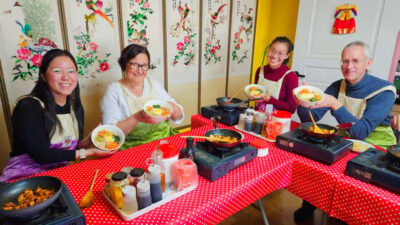
Korean Cooking Class at a Local Home and Market Tour
Read our review →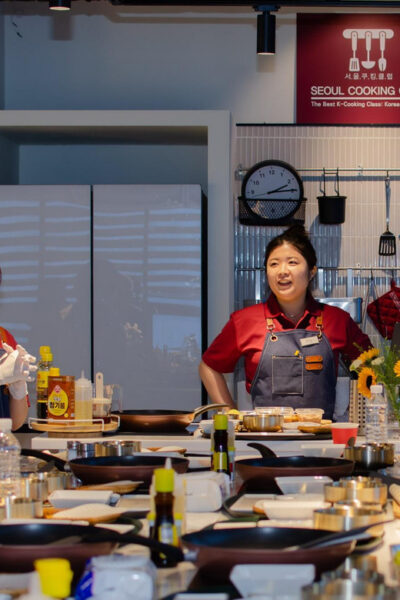
Korean Cooking Class with Grocery Shopping at Seoul Local Market
Read our review →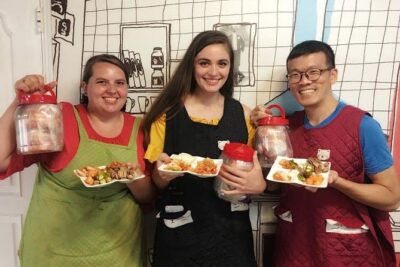
Korean Kimchi Making Day Experience with a Local Market Tour
Read our review →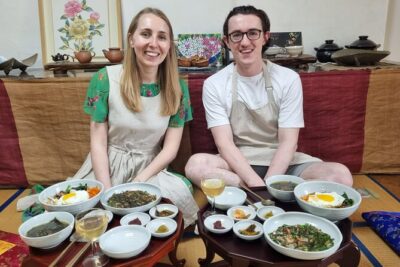
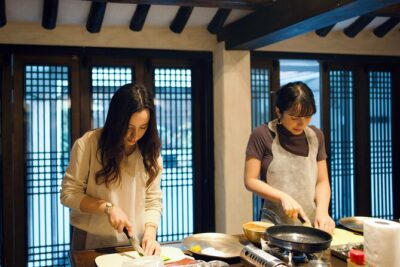
Royal Seoul Cooking Class in a 100-Year-Old Hanok
Read our review →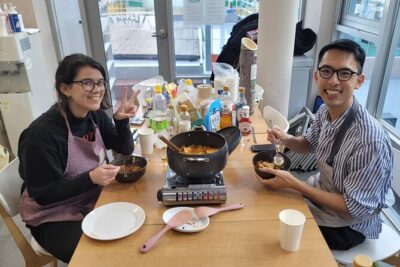
Busan Tailored Korean cooking class (Vegan OK)with market tour
Read our review →Browse the lists this tour appears in