
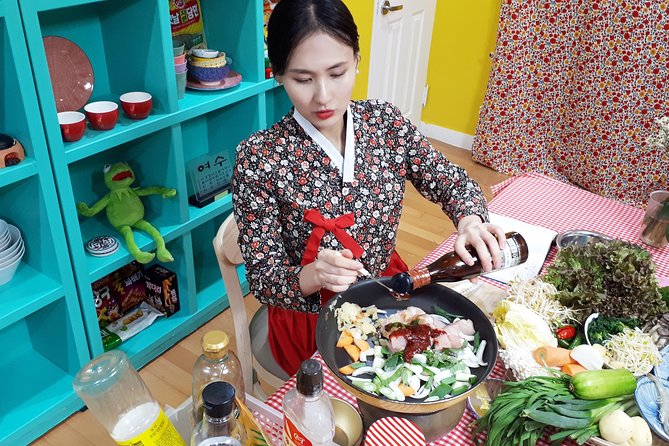
Reviewed · COOKING CLASSES
Local Home Korean Cooking Class & Market Adventure in Seoul
Mangwon Market is the real beginning of this experience. You walk through a working Seoul food market, learn what the herbs and vegetables are used for, try street snacks such as kwabaeggi, and then carry that market knowledge into a local home kitchen. I like that the class connects shopping, cooking, and eating instead of treating Korean food as a detached demonstration.
I especially like the small group limit of 10 and the chance to cook four dishes yourself. Hosts Sarah and Junghee are praised for clear English, humor, Korean language tips, and practical advice you can use for the rest of your trip. The main consideration is time: three and a half hours is a sizable afternoon commitment, and this is a hands-on class rather than a quick tasting stop.
What makes this Seoul cooking class special
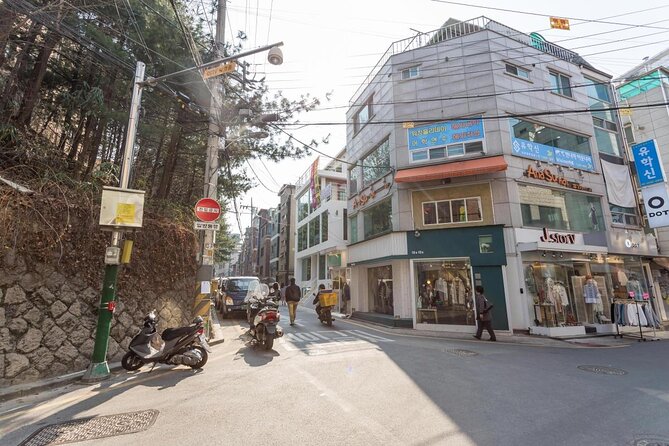
- Mangwon Market comes first: Learn the names, uses, and seasonal qualities of Korean ingredients before cooking them.
- Four dishes are prepared by you: Possible dishes include bibimbap rice and dakgalbi, with practical tips you can repeat at home.
- A real home kitchen replaces a formal studio: The setting gives the class a personal feel and lets the host share stories about Korean food and life.
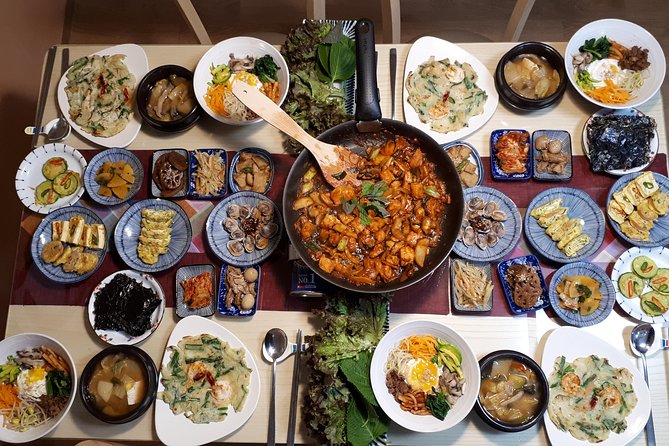
- Hanjeongsik makes the meal feel generous: Your homemade food arrives with more than 10 additional side dishes, dessert, and a glass of makgeolli.
- The teaching style is lively and relaxed: Sarah and Junghee are known for humor, patient instruction, and useful Korean phrases.
- It works well for families and mixed cooking abilities: Teenagers, adults, couples, and first-time cooks can all take part.
Starting at Mangwon Station and meeting your host
You meet at Mangwon Station Entrance 2, at 377-20 Mangwon-dong in Mapo-gu. The experience ends back at the meeting point, so you do not need to arrange a separate ride home from an unfamiliar neighborhood.
That simple transport plan matters in Seoul. You can reach the start by public transportation, and the meeting point gives you a clear place to begin before heading into Mangwon Market. Confirmation is provided when you book, so check the exact meeting instructions and arrive ready for a walk.
The group can include up to 10 people. That is large enough to meet other people from different parts of the world, but small enough for the host to watch what you are doing and answer questions. Some sessions may be smaller, and a booking can occasionally turn into a private class if no one else joins. You should not count on that, but the limited size is still a useful feature.
The two host names appearing in the experience are Sarah and Junghee. Both are praised for excellent English and a warm, funny teaching style. The name of your host may depend on the date, so think of the personality of the class as part of the appeal, not as a guarantee that one particular instructor will lead every session.
More Cooking Classes in Seoul
- Master Korean traditional cooking with a Kimchi chef
★ 5.0 · 385 reviews - Seoul: Korean Cooking Class at a Local Home and Market Tour
★ 5.0 · 348 reviews - Seoul: Korean Cooking at Seoul Cooking Club!
★ 5.0 · 311 reviews
Mangwon Market: your ingredient lesson begins on foot
The market walk is more than a route to the kitchen. Your host introduces local produce, herbs, spices, prepared foods, and street snacks while explaining how they fit into everyday Korean cooking.
This is useful because Korean food can look familiar and mysterious at the same time. You may recognize spring onions, rice, cabbage, or meat, but not know how they are used, what to call them, or which versions are common in Korea. The market visit gives you that missing context before you start chopping and seasoning.
The pace also leaves room for small discoveries. One host explains that Korean cooking often uses spring onions where you might expect chives. You may learn some Korean words along the way and practice ordering a snack in Korean. Kwabaeggi, a twisted Korean doughnut, is one of the foods specifically mentioned as part of the market experience, and a honeydew-flavored popsicle has also provided a welcome break on a hot day.
These details make the walk feel personal rather than scripted. The host can explain how ingredients are used, what is in season, and how food differs across Korean regions. You also get a look at the everyday buying side of Korean cuisine, including how to identify food and ask for it.
There is one practical limit. A market is an active food-shopping place, not a quiet museum. You should expect to walk, pause often, and pay attention to the group. If you want a long, independent chance to browse every stall, this guided visit will feel more focused. Its strength is explanation, not free time.
Four Korean dishes with your hands on the work
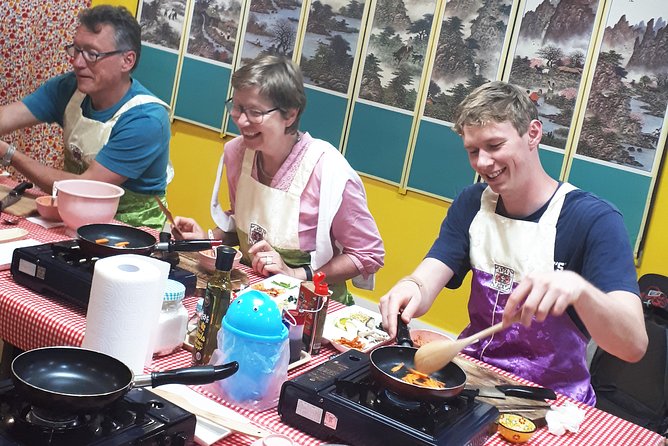
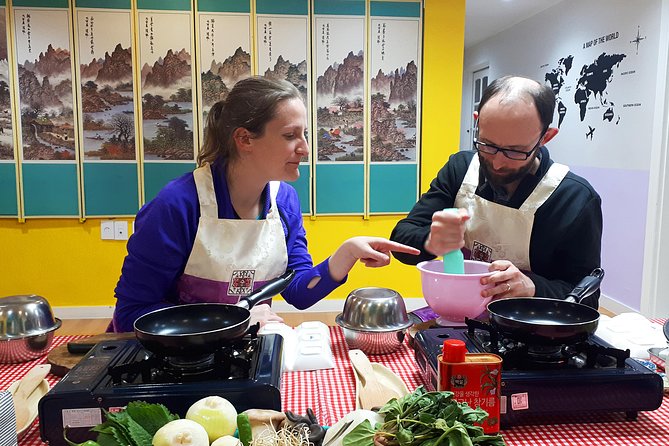
Once you reach the host’s home, the cooking begins. The format is fully hands-on, so you are not simply watching a chef prepare a meal while sitting at a counter.
The exact dishes can include popular choices such as bibimbap rice or dakgalbi, and the class covers four Korean dishes in total. That mix gives you a useful spread of techniques and flavors. Bibimbap introduces the balance of rice, vegetables, and toppings, while dakgalbi offers a different kind of Korean comfort food. The supplied information does not promise the same four dishes at every session, so you should be prepared for the menu to vary.
The best part is the practical instruction. You learn how ingredients are handled, how Korean flavors are built, and how to keep the cooking approachable. Several participants specifically appreciated small tips they could use later, along with recipes to recreate the dishes at home.
That makes this a good choice for people who enjoy cooking but do not want a demanding professional lesson. The class is designed to be fun and accessible, and first-time cooks can take part. You still need to stay involved, though. Expect to chop, mix, assemble, and follow directions rather than sit back with a camera.
The host’s personality is important here. Sarah is described as friendly, charismatic, and welcoming. Junghee is praised for making the cooking feel easy, teaching Korean phrases, and mixing instruction with jokes and stories. One description compares the class to cooking combined with a comedy show. That gives you a good sense of the tone: social, informal, and energetic rather than stiff.
The English instruction is another strong point. Sarah and Junghee are both described as speaking excellent English, which helps when you need to understand a cooking step or ask about an ingredient. The class also becomes a chance to ask broader questions about Seoul, Korean customs, and places to eat during the rest of your visit.
The Hanjeongsik meal is the payoff
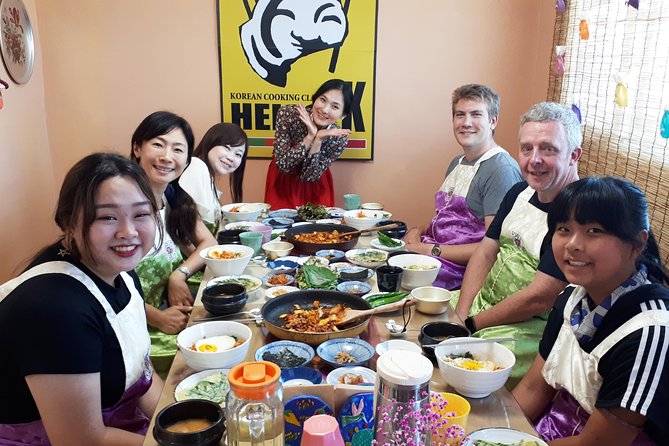
After the cooking, you sit down to eat what you made. The meal follows the Korean Hanjeongsik tradition, with your four dishes joined by more than 10 additional side dishes, dessert, and a glass of makgeolli, Korean rice wine.
This is where the experience becomes more than a cooking lesson. Korean meals often depend on the relationship between a main dish and its banchan, or small side dishes. A table filled with different colors, textures, and seasonings helps you understand how a Korean meal is meant to work. You get to compare your own dishes with the extra foods prepared by the host.
The generous spread also improves the value of the $91 price. You are paying for about three and a half hours, a guided market visit, street-food tasting, ingredient instruction, a four-dish cooking class, and a full meal. Add the intimate home setting, recipes, cultural conversation, and drink, and the price is reasonable for a substantial half-day activity.
It is not the cheapest way to eat in Seoul. You can buy a fine meal for much less, and a short market tour will cost less than this class. The value comes from the combination of food and participation. You leave with a better sense of what you ate, how it was made, and how to prepare some of it yourself.
Makgeolli is included as a glass with the meal. If you do not drink alcohol, the provided details do not state what replacement is available, so ask the host when booking or at the start. The food is the main event, but the drink adds a traditional touch to the table.
Other classes where you cook in Seoul:
- Korean Cooking at Seoul Cooking Club
★ 5.0 · 220 reviews - Korean Cooking Class with Grocery Shopping at Seoul Local Market
★ 5.0 · 107 reviews - Korean Kimchi Making Day Experience with a Local Market Tour
★ 5.0 · 99 reviews - Royal Seoul Cooking Class in a 100-Year-Old Hanok
★ 5.0 · 81 reviews
The home setting keeps the culture personal
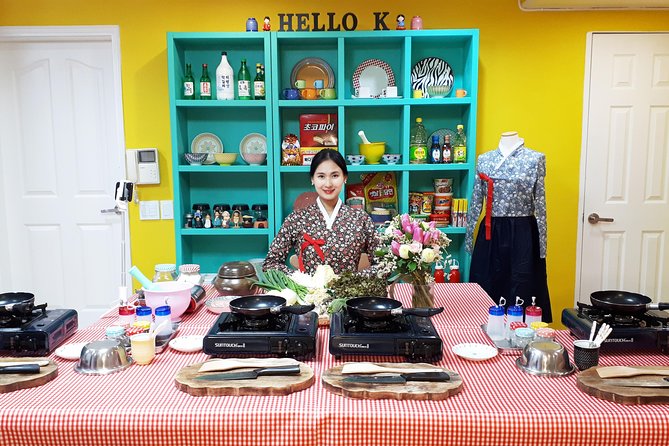
Cooking in a local home changes the tone. You are not just moving through a commercial kitchen built for quick demonstrations. You enter the host’s own space, eat at her table, and hear personal stories connected to Korean food and daily life.
That setting is especially useful if you want more than a checklist of dishes. The host can explain why certain ingredients are used, how regional cooking styles differ, and how food fits into Korean culture. You may also pick up restaurant recommendations and neighborhood tips for the rest of your stay.
The home environment does call for a little flexibility. It is a personal setting, not a large cooking school with separate workstations for every person. The information provided does not specify kitchen layout, seating arrangements, or accessibility details, so ask ahead if you have mobility, dietary, or other practical needs.
The class has also worked well for families. Parents have brought children ranging from teenagers to adults, and the shared tasks give everyone a role. Couples and friends can cook together, while solo visitors can meet a small group over the meal.
Who will get the most from this experience
I would choose this class if you want a cultural activity that combines food, conversation, and useful skills. It suits you especially well if you enjoy markets, want to understand Korean ingredients, or like the idea of recreating dishes after returning home.
It is also a strong pick for families with older children. The market adds movement and variety, while the kitchen gives teenagers and adults something practical to do. The relaxed teaching style helps if not everyone in your group is an experienced cook.
Food-focused visitors should find plenty to enjoy, but you do not need to be a serious cook. The class is built around popular Korean dishes and simple explanations. You can take part at your own level and ask questions as you go.
I would be more cautious if you want a quiet, private meal, a short activity, or a highly technical chef’s course. The class is social and talkative. You will spend a good part of the time walking, listening, and working with others.
The menu may also matter to you. Four dishes are included, but the exact selection can vary, and the available information does not describe vegetarian, vegan, allergy-friendly, or halal options. Ask before booking if your diet requires changes.
Timing, price, and booking advice
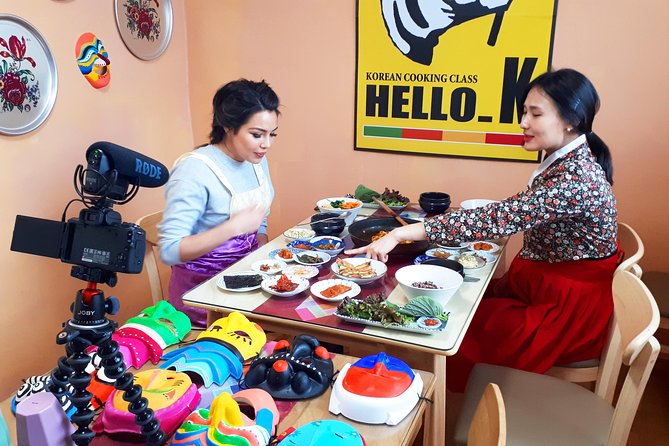
The experience lasts approximately three hours and 30 minutes. That is long enough to make the market feel worthwhile and to enjoy a complete meal without rushing through every step.
Plan it as a main part of your day, not as a small stop between major sights. Begin at Mangwon Station, explore the market, cook at the home, and return to the meeting point. The schedule creates a natural afternoon or evening plan, depending on the departure time offered for your date.
The price is $91 per person. I see the strongest value for visitors who would otherwise book a market walk, a cooking lesson, and a Korean dinner separately. Here, those pieces are joined in one experience, with the added benefit of direct contact with a local host.
Free cancellation is available if you cancel at least 24 hours before the start time. Cancellations made less than 24 hours ahead are not refunded, and changes inside that window are not accepted. Cutoff times follow local Seoul time, so check the clock carefully if your plans are uncertain.
The mobile ticket is convenient, and the activity is near public transportation. The maximum group size is 10, which helps preserve the personal feel without promising a private lesson.
Should you book this Seoul cooking class?
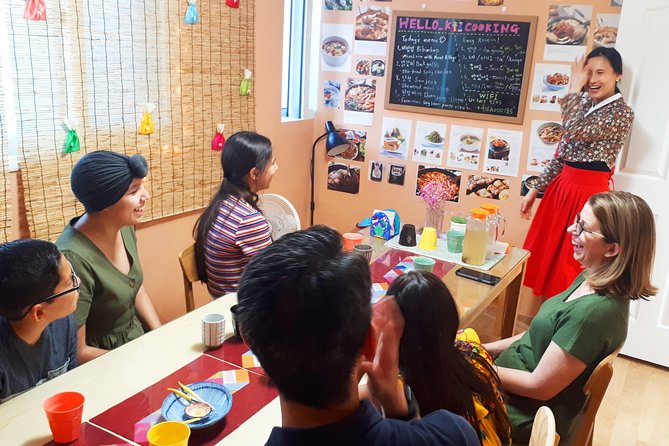
Book it if you want to understand Korean food from market stall to dining table. The strongest parts are the guided Mangwon Market walk, the four-dish cooking session, and the generous Hanjeongsik meal with side dishes and dessert.
I would place this high on your Seoul list if you enjoy personal contact, practical instruction, and a lively host. Sarah and Junghee bring humor, clear English, Korean language tips, and useful restaurant advice to the class. You may even leave with recipes, new food vocabulary, and the confidence to order or shop more easily.
Skip it if your schedule is tight, you dislike group activities, or you need a guaranteed menu that meets a specific diet. For most food-curious visitors, though, $91 buys much more than dinner. It buys a guided look at how Korean food is chosen, prepared, shared, and enjoyed at home.
FAQ
Where does the cooking class begin?
The experience begins at Mangwon Station Entrance 2, at 377-20 Mangwon-dong, Mapo-gu, Seoul, South Korea.
Where does the experience end?
The activity ends back at the meeting point.
How long does the experience last?
The cooking class and market adventure last approximately three hours and 30 minutes.
How many people can join the class?
The activity has a maximum of 10 travelers.
What food activities are included?
You visit a local market, sample street food, learn about Korean ingredients, prepare four Korean dishes, and eat the finished food with additional side dishes and dessert.
Is a drink included with the meal?
Yes. The meal includes a glass of makgeolli, Korean rice wine.
What is the cancellation policy?
You can cancel for a full refund up to 24 hours before the experience starts. Cancellations or changes made less than 24 hours before the start time are not accepted for a refund.
More Shopping Tours in Seoul
- Private DMZ Tour (No Shopping): 3rd Tunnel & Suspension Bridge
★ 5.0 · 607 reviews - Cook 3 Authentic Korean Dishes with Local Market Tour
★ 5.0 · 231 reviews - Korean Palace and Market Tour in Seoul Including Insadong and Gyeongbokgung Palace
★ 4.0 · 174 reviews - Seoul: Nighttime Tour of Palace, Market, Naksan Park & More
★ 4.9 · 143 reviews
More Market Tours in Seoul
- Seoul Street Food Market Tour
★ 5.0 · 1,226 reviews - Seoul: Night Market Food Tour with Local Guide
★ 4.9 · 943 reviews - Downtown Seoul Guided Food & Market Tour with 8+ Local Tastings
★ 5.0 · 580 reviews - Seoul Night Palace & Market Food Tour with Vehicle
★ 5.0 · 275 reviews
Just added in Seoul
- Suwon: Baseball Game with Fortress and Local Food Tour★ 5.0 · 3 reviews
- Seoul: War Memorial of Korea Private Guided Museum Tour★ 4.9 · 29 reviews
- Seoul: Wine & Korean BBQ, Perfect Pairing Dinner in Sinchon★ 5.0 · 6 reviews
- Seoul : Your Personal Photographer in Gyeongbokung★ 5.0 · 7 reviews
- Seoul : Efoil Experience in Han River★ 5.0 · 5 reviews
- Seoul: Vivaldi Park Winter Ski with Eobi Ice Valley Day Tour★ 4.6 · 16 reviews
- Seoul: Vivaldi Park Winter Ski with Nami Island Day Tour★ 5.0 · 4 reviews
- Seoul: SnowyLand in Vivaldi Park with Nami or Alpaca★ 4.8 · 11 reviews
Cooking Classes, compared.
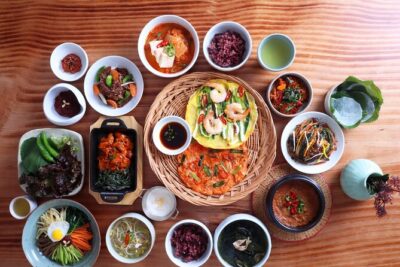
Master Korean traditional cooking with a Kimchi chef
Read our review →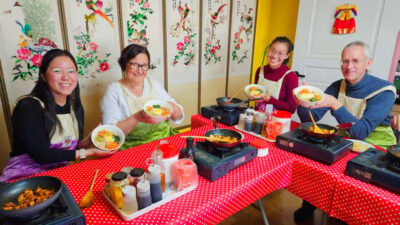
Korean Cooking Class at a Local Home and Market Tour
Read our review →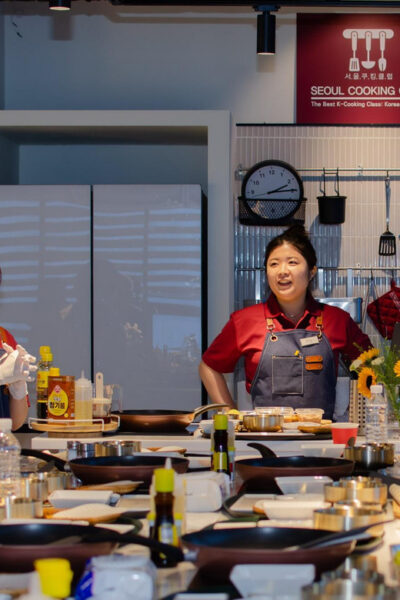
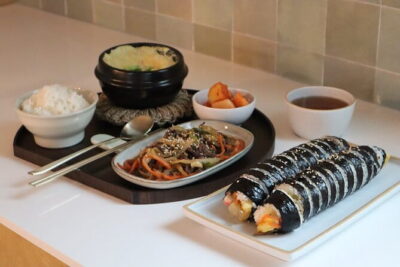
Korean Cooking Class with Grocery Shopping at Seoul Local Market
Read our review →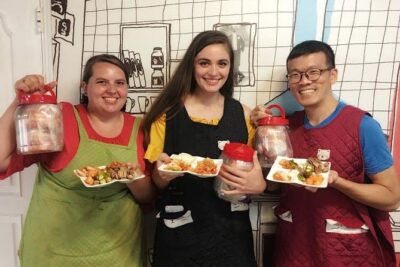
Korean Kimchi Making Day Experience with a Local Market Tour
Read our review →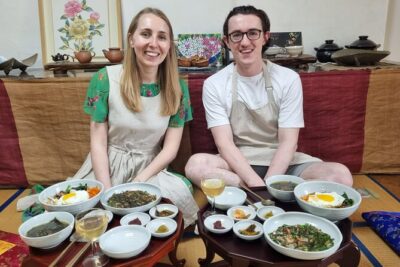
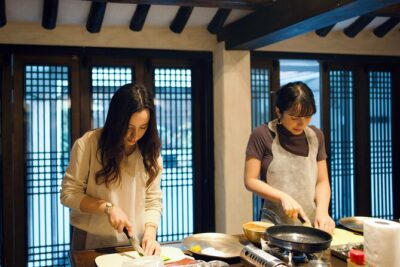
Royal Seoul Cooking Class in a 100-Year-Old Hanok
Read our review →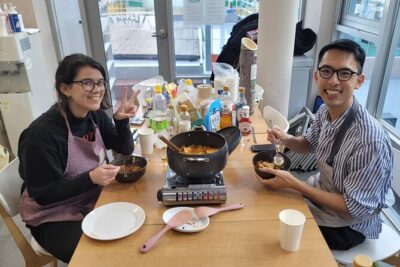
Busan Tailored Korean cooking class (Vegan OK)with market tour
Read our review →Browse the lists this tour appears in