
Reviewed · COOKING CLASSES
Royal Seoul Cooking Class in a 100-Year-Old Hanok
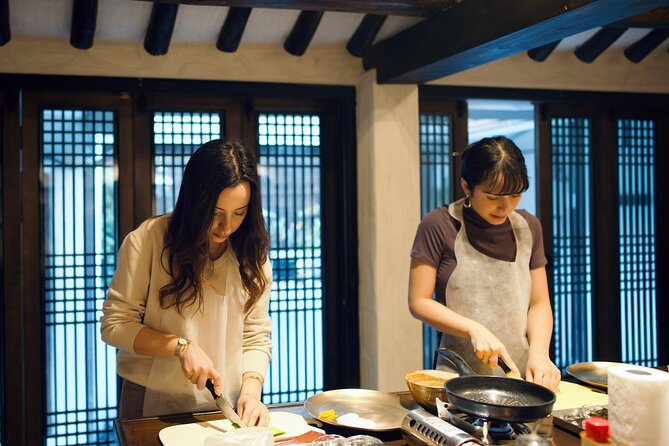
The special part here is the setting: you cook inside a carefully restored 100-year-old hanok, a traditional Korean home in central Seoul. Chef Park, often called Ricky, leads the class with clear instructions, food stories, and plenty of humor.
I like the small maximum of six, which gives you real help at the counter, and I like that you sit down afterward to eat from handmade bangjja bronzeware. The main consideration is the $98.98 price for about two hours and 15 minutes. It is fair for a private-style class and full meal, but not a bargain if you only want a quick cooking lesson.
Key points at a glance
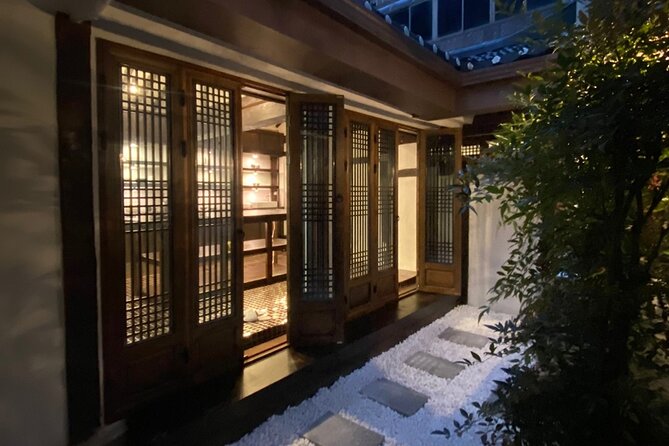
- A restored 100-year-old hanok: You cook and dine in a traditional residential home, not a plain studio kitchen.
- A six-person maximum: Chef Park can give individual help, making the class workable for beginners and mixed-age families.
- Four substantial Korean dishes: The menu includes LA galbi, fresh kimchi, haemul pajeon, and tangpyeongchae.
- Food with a story: The class connects each dish with Korean culture, regional cooking, and history.
- A complete sit-down meal: You eat what you prepare with makgeolli and traditional desserts.
- A useful central location: The meeting point is on Samil-daero 32ga-gil in Jongno, close to several major Seoul sights and lively areas for after-class exploring.
Cooking Korean food inside a century-old home
Many Seoul cooking classes take place in bright commercial kitchens. This one takes you into a residence with old beams, traditional rooms, and the warm, close feeling of a Korean home. That changes the tone from a standard lesson to an evening spent around a family-style table.
The hanok was lovingly restored, and Chef Park himself is described as having remodeled the house. The space is part of the experience, not just a backdrop for photographs. Classical music, careful preparation, and a cozy dining room help give the session a calm rhythm.
You should expect to remove yourself from the rush of central Seoul for a couple of hours. The class is still in the middle of the city, but the traditional house creates a sharper break from modern streets, cafés, and traffic.
The class is limited to six people. That matters. You are not watching a chef work from the back of a large room. You take part, ask questions, and receive help when a step feels unfamiliar. Several people have found the recipes approachable even with little cooking experience.
More Cooking Classes in Seoul
- Local Home Korean Cooking Class & Market Adventure in Seoul
★ 5.0 · 1,024 reviews - Master Korean traditional cooking with a Kimchi chef
★ 5.0 · 385 reviews - Seoul: Korean Cooking Class at a Local Home and Market Tour
★ 5.0 · 348 reviews
Chef Park keeps the lesson friendly and clear
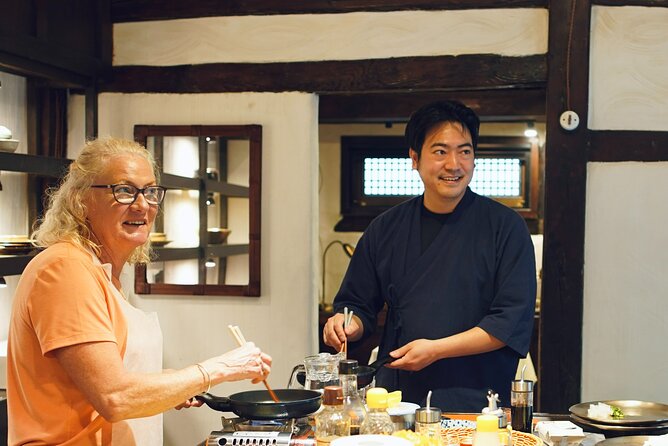
Chef Park is the heart of the experience. His teaching style combines practical cooking guidance with stories about food, Korean culture, and the country’s colonial past. He is also known for humor, which helps solo participants and mixed groups relax quickly.
The instructions are designed for beginners. Ingredients are prepared in advance, so you spend your time learning techniques and assembling dishes rather than washing, chopping, and waiting through long preparation periods. That is a benefit if you want a smooth class, though serious home cooks may prefer a lesson that covers more from-scratch work.
The flow is easy to follow. Chef Park explains the dish, guides you through the main steps, and keeps the group moving toward the meal. You are still hands-on, but the preparation keeps the evening from becoming slow or messy.
The class also works well for different ages. One family brought children aged 11 and 13 along with older relatives, and the instruction was adjusted for people working at different speeds. A participant with leg trouble was provided with a stool on request. If you need a particular arrangement, ask before arriving rather than assuming it will be available.
Four dishes with different Korean stories
The menu gives you a good spread of Korean flavors and cooking styles. You do not spend two hours making variations of one dish. Instead, you work through meat, seafood, vegetables, fermentation, and a traditional mung-bean jelly salad.
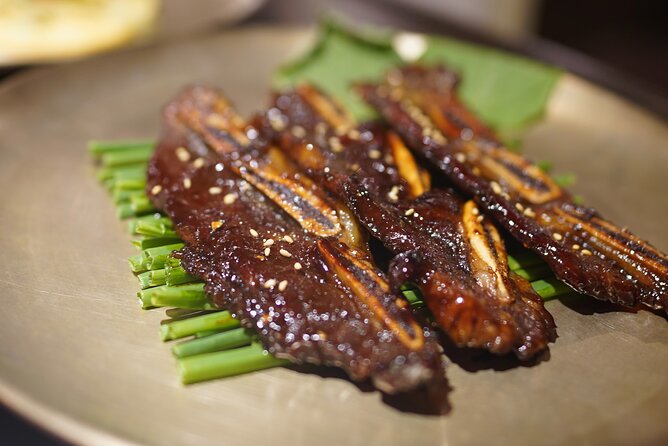
LA galbi
LA galbi is Korean-style short ribs cut across the bone into thin strips. The name refers to the Los Angeles style of slicing, which became popular in Korean communities abroad. It is a useful example of how Korean food changes as it moves between countries.
The dish gives the class a savory, substantial centerpiece. You learn how a familiar Korean restaurant favorite fits into a wider food story, rather than treating it as just grilled meat.
Other traditional-house quarters near Seoul:
- Seoul City Sightseeing Tour Including Gyeongbokgung Palace, N Seoul Tower, and Namsangol Hanok Village
★ 5.0 · 1,423 reviews - Seoul: Gyeongbok Palace and Bukchon Hanok Walking Tour
★ 4.8 · 157 reviews - Best Walking Tour to Gyeongbok Palace Bukchon Hanok Village
★ 5.0 · 138 reviews - Seoul: Gyeongbokgung / Hanok Village / N Seoul Tower
★ 5.0 · 6 reviews
Fresh kimchi
Fresh kimchi provides a contrast to the fermented versions you may already know from Korean restaurants. It has a crisp, immediate character and helps you understand how seasoning, texture, and fermentation affect Korean side dishes.
This is one of the most practical recipes to take home. The steps are approachable, and you can adapt the amount of seasoning to suit your own kitchen. The class makes Korean cooking feel possible rather than mysterious.
Haemul pajeon
Haemul pajeon is a seafood and green onion pancake. It is a hands-on dish, since the batter, ingredients, and cooking temperature all affect the final texture.
You get a chance to see how a simple combination becomes a shared dish for the table. It is also a good class recipe because the idea is easy to repeat at home, even if your first pancake is not perfectly shaped.
Tangpyeongchae
Tangpyeongchae is a traditional dish made with mung-bean jelly and vegetables. It is lighter than the galbi and pajeon, with a cleaner texture and a more delicate presentation.
This dish adds depth to the class. You are not only preparing the most famous Korean foods seen on restaurant menus. You are also introduced to an older style of Korean cuisine associated with royal cooking.
What royal cuisine means here
The title points toward Korean royal cuisine, but you should not expect a formal palace banquet or a costume performance. The royal connection comes through the recipes, the presentation, and the discussion of Korean food traditions.
Tangpyeongchae is especially useful in this context. The menu brings together dishes from different parts of Korea and different periods of Korean cooking. Chef Park explains the background as you work, so the food becomes a way to understand culture rather than a list of recipes.
That cultural detail is one of the strongest reasons to choose this class over a basic market cooking lesson. You learn why dishes matter, how they fit into Korean life, and how old traditions sit beside more modern food forms such as LA galbi.
Dining on bangjja bronzeware
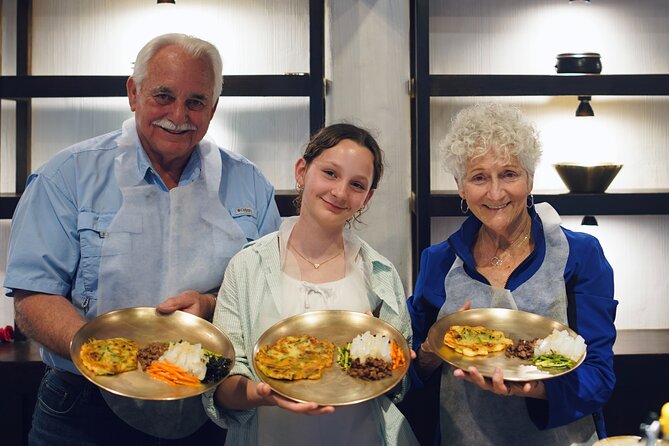
After cooking, you sit down to eat your work in a traditional Korean dining space. The food is served on handmade bangjja, a Korean bronze tableware style associated with careful craftsmanship and formal dining.
The plates are not a small decorative touch. They make the meal feel finished and give you a better sense of how presentation shapes Korean dining. You are not simply eating at the counter while the next class begins.
A glass of freshly brewed makgeolli accompanies the meal, followed by traditional Korean desserts. Makgeolli is a milky rice wine with a gentle sweetness and light tang. If you do not drink alcohol, confirm what alternatives are available before booking, since the supplied information specifically mentions makgeolli but does not list a nonalcoholic option.
The meal is also a practical value point. At $98.98 per person, you are paying for instruction, ingredients, a prepared dinner, drinks, dessert, and the setting. That price looks more reasonable if you want a full evening activity rather than a short demonstration.
Jongno gives you plenty to do before and after
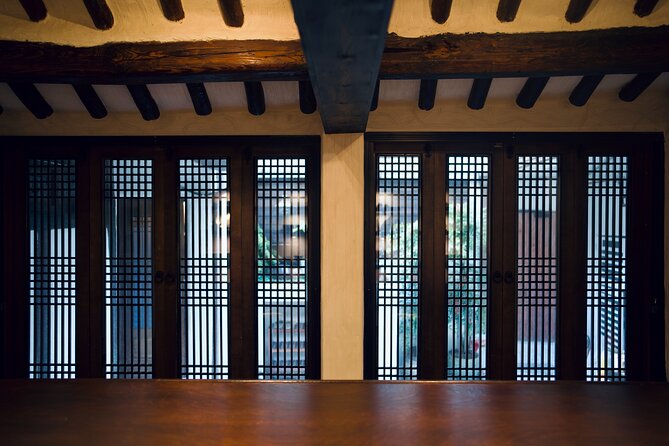
The meeting point is 25 Samil-daero 32ga-gil in Jongno District. The class begins and ends there, and it is near public transportation. The location puts you close to some of Seoul’s most useful sightseeing areas.
Gyeongbokgung Palace is one of the nearby landmarks associated with the area. Its broad grounds and formal gates offer a strong introduction to the Joseon-era capital. Changdeokgung Palace gives you a different palace experience, with a more intimate layout and a close connection to Seoul’s old neighborhoods.
Kwangjang Market is another nearby point of interest. It is a good place for street food and snacks, though it offers a very different food experience from the quiet sit-down meal at the hanok. You could visit the market earlier in the day, but avoid filling up on food if you want to enjoy the cooking class dinner.
Ikseon-dong Hanok Street is especially convenient for pairing with this activity. Its renovated hanok lanes are filled with cafés, restaurants, and small shops. The area can be busy, and its old-house appearance is mixed with modern commercial use, but it is an easy place to continue the evening after class.
Gwanghwamun Square is also listed among the nearby Seoul sights. It gives you a broad civic space and a useful route between palace areas and central Seoul. The class does not need to be treated as a sightseeing bus tour, so plan your palace and market visits separately around the cooking time.
Is two hours and 15 minutes enough?
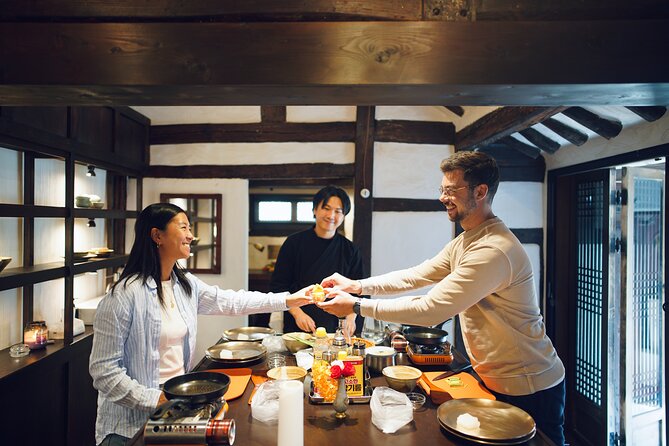
The stated duration is approximately two hours and 15 minutes. That is long enough for a full menu, dining, conversation, and cultural explanation, but short enough to fit into a busy Seoul schedule.
The time passes quickly because the lesson moves from one dish to the next and ends with a shared meal. You will not spend the entire period cooking at high speed. The table setting, stories, and conversation are part of the value.
If you prefer a detailed technical course that teaches knife skills, stock making, fermentation, and every stage of ingredient preparation, this may feel light. Much of the work is prepared in advance so the class stays accessible. If you want to learn several recipes and eat well in a beautiful home, the pace is better suited.
The $98.98 question
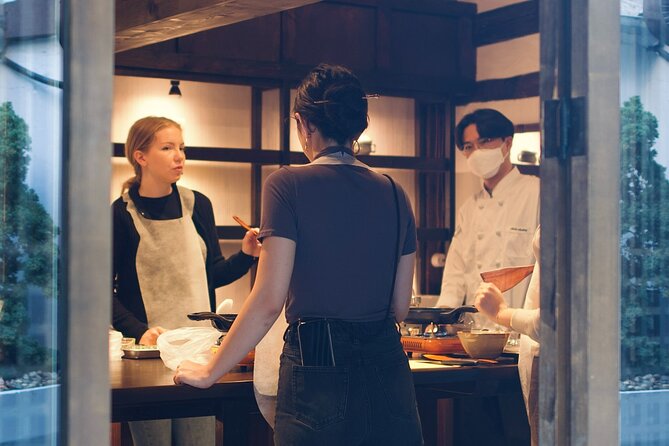
At $98.98, this is a premium cooking activity by Seoul standards. The price makes the most sense for couples, families, solo visitors, and small groups who value personal attention and atmosphere.
You receive more than a recipe sheet. The cost covers a small-group setting, a certified culinary instructor, ingredients for four dishes, a substantial meal, bangjja tableware, makgeolli, dessert, and access to a restored hanok. Chef Park also provides Seoul food and restaurant suggestions, and photos may be sent after the class.
For a group of six, the experience should feel close to a private class without the cost of booking one outright. For a solo visitor, the small size gives you a natural way to meet people without committing to a large organized group.
I would not choose it solely because it is the cheapest way to learn kimchi or pajeon. I would choose it because the food lesson, home setting, cultural conversation, and dinner come together in one compact evening.
Who will enjoy this class most?
This is a strong choice if you want a personal introduction to Korean food and do not already know where to begin. Beginners receive enough guidance to participate with confidence, and experienced home cooks still get useful context about the dishes.
It suits families particularly well. The class has worked for three generations and for children in their early teens. Couples can treat it as an evening activity, while solo visitors can meet a small group and still get direct help from the instructor.
It is also useful early in a Seoul visit. Chef Park gives restaurant recommendations and broader food advice, so the class can help you decide what to order during the rest of your stay.
The main mismatch is for anyone seeking a large-scale palace tour, a market crawl, or an advanced professional cooking course. This is a seated, intimate food lesson in one location. The listed palaces, market, hanok street, and square are nearby points of interest, not a substitute for separate sightseeing time.
Practical details before you book
You receive confirmation at booking, and the activity is near public transportation. It starts and ends at 25 Samil-daero 32ga-gil in Jongno District, so allow time to find the residential hanok rather than treating the address like a large commercial venue.
The provider offers free cancellation if you cancel at least 24 hours before the local start time. Cancellations or changes inside that window are not refunded or accepted.
The class has a maximum of six people, though the exact group can be smaller. That is worth checking if you care about the most private possible format. Wear something comfortable for cooking, and tell the provider about mobility needs or seating requests ahead of time.
Should you book Royal Seoul Cooking Class?
Book it if you want Korean food explained by a warm local chef, prepared in a small group, and eaten in a traditional home. The hanok setting, approachable menu, cultural stories, and complete meal give it more substance than a quick recipe workshop.
The price is not low, but the format explains it. You are buying a two-hour-plus evening with food, teaching, drinks, dessert, tableware, and a place that feels connected to Seoul’s past. If that combination appeals to you, this is one of the better ways to make a meal part of your sightseeing rather than just another stop at a restaurant.
FAQ
Where does the cooking class begin and end?
It begins and ends at 25 Samil-daero 32ga-gil in Jongno District, Seoul, South Korea.
How long does the class last?
The experience lasts approximately two hours and 15 minutes.
How many people can join?
The class has a maximum of six travelers.
Which dishes will I prepare?
The menu includes LA galbi, fresh kimchi, haemul pajeon, and tangpyeongchae.
Is food and drink included?
You eat the dishes you prepare, and the experience also includes freshly brewed makgeolli and traditional Korean desserts.
Can I cancel for a full refund?
Yes. You can cancel for a full refund if you cancel at least 24 hours before the experience start time. Changes or cancellations made less than 24 hours before the start are not accepted or refunded.
More Workshops & Classes in Seoul
- Yongpyong Ski Resort from Seoul with Optional Lesson and Packages
★ 5.0 · 217 reviews - Korean Cooking Class with Grocery Shopping at Seoul Local Market
★ 5.0 · 107 reviews - Seoul : Taste of Korea, Authentic Home-Style Cooking Class
★ 5.0 · 64 reviews - K-pop Dance Class in Seoul (Incl. video shooting & editing)
★ 5.0 · 52 reviews
Just added in Seoul
- Suwon: Baseball Game with Fortress and Local Food Tour★ 5.0 · 3 reviews
- Seoul: War Memorial of Korea Private Guided Museum Tour★ 4.9 · 29 reviews
- Seoul: Wine & Korean BBQ, Perfect Pairing Dinner in Sinchon★ 5.0 · 6 reviews
- Seoul : Your Personal Photographer in Gyeongbokung★ 5.0 · 7 reviews
- Seoul : Efoil Experience in Han River★ 5.0 · 5 reviews
- Seoul: Vivaldi Park Winter Ski with Eobi Ice Valley Day Tour★ 4.6 · 16 reviews
- Seoul: Vivaldi Park Winter Ski with Nami Island Day Tour★ 5.0 · 4 reviews
- Seoul: SnowyLand in Vivaldi Park with Nami or Alpaca★ 4.8 · 11 reviews
Cooking Classes, compared.
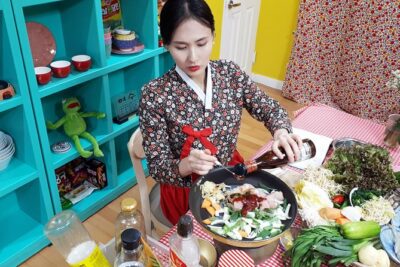
Local Home Korean Cooking Class & Market Adventure in Seoul
Read our review →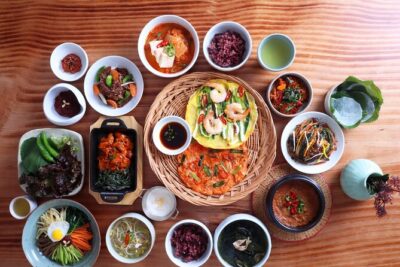
Master Korean traditional cooking with a Kimchi chef
Read our review →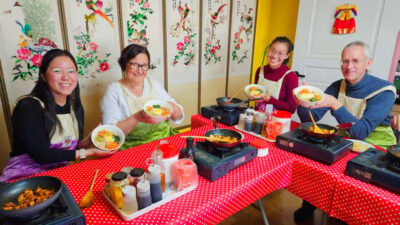
Korean Cooking Class at a Local Home and Market Tour
Read our review →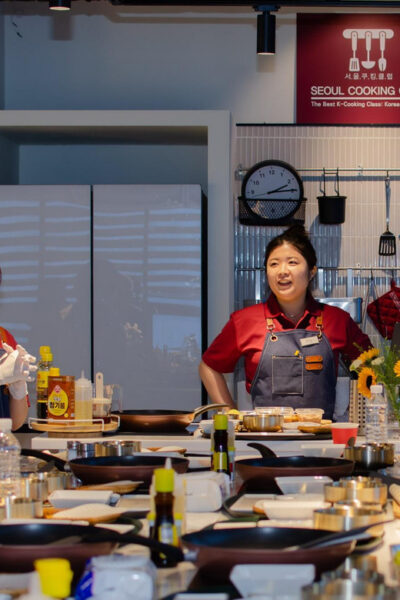
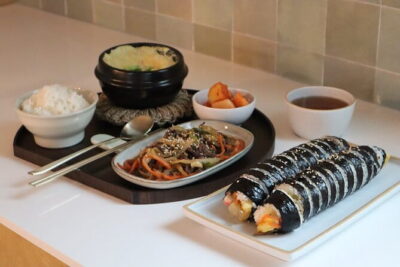
Korean Cooking Class with Grocery Shopping at Seoul Local Market
Read our review →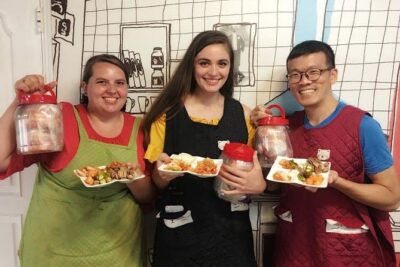
Korean Kimchi Making Day Experience with a Local Market Tour
Read our review →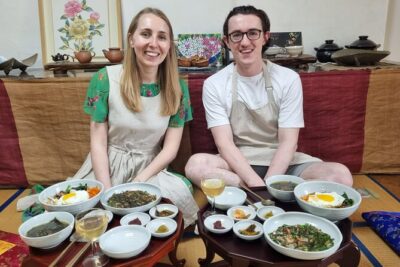
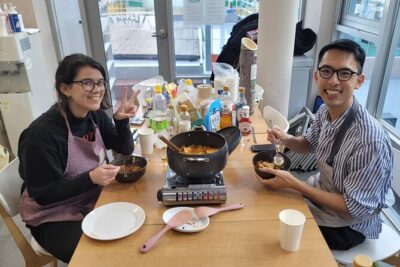
Busan Tailored Korean cooking class (Vegan OK)with market tour
Read our review →Browse the lists this tour appears in