
Reviewed · HISTORICAL TOURS
Seoul’s Hidden Dark History Guided Tour of Seodaemun Prison
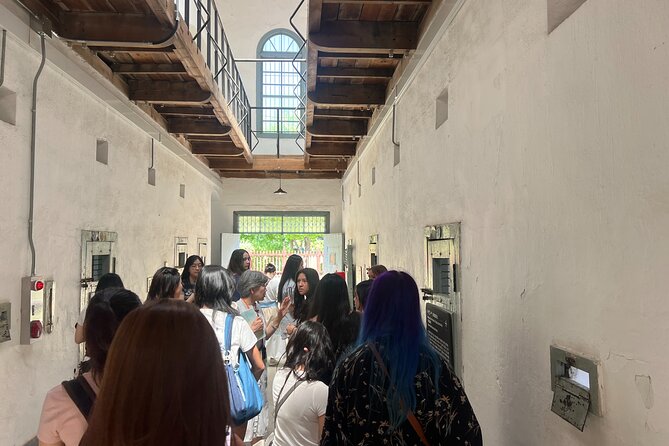
Seodaemun Prison is not a cheerful sightseeing stop, and that is precisely why it matters. Inside its original cells, interrogation rooms, and execution grounds, Seoul’s past feels close and physical. This walking tour connects those spaces to Korea’s fight for independence, rather than leaving you to read the story from display panels alone.
I like the small group of no more than 10 people, which should make it easier to hear the guide and ask questions. I also like the clear route from Dongnimmun Gate to Seodaemun Prison History Hall, since it gives the visit a useful historical frame instead of treating the prison as an isolated attraction.
The subject matter is grim, and some visitors may find the execution grounds and accounts of imprisonment upsetting. You will also need a moderate level of physical fitness for the walking portion, so this is not a light stroll between photo stops.
Key points at a glance
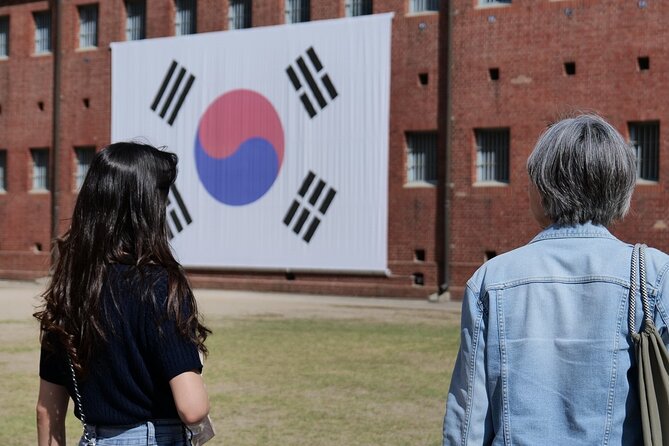
- The story begins at Dongnimmun Gate, a symbol of Korean independence built by Korea in 1890.
- Seodaemun Prison dates from 1908, during Japanese colonial rule.
- Original prison areas remain part of the visit, including solitary cells, interrogation rooms, and the execution yard.
- Yu Gwan-sun’s story gives the tour a human focus, linking a young student to the March 1st Movement.
- A professional history guide leads the experience, with more than 10 years of experience in Korean history.
- The two-hour tour costs $31.54, includes admission to the prison history hall, and limits the group to 10 people.
Why Seodaemun Prison belongs on a serious Seoul itinerary
Seoul offers plenty of easy pleasures: grand palaces, food markets, shopping streets, and bright city views. Seodaemun Prison asks more of you. It brings you into the part of Korean history shaped by colonial rule, imprisonment, torture, execution, and resistance.
The prison was built in 1908 during Japanese occupation. Korean independence activists were detained there, and some were executed there. Today, the site functions as a memorial and history museum, but the preserved spaces give it a weight that a standard museum gallery cannot quite match.
I find the value of this experience in the connection between place and story. You are not only learning that activists were imprisoned. You are walking through the cells where prisoners were held and the rooms where interrogations took place. That physical setting can make the independence movement easier to understand, even when the subject is painful.
The tour lasts about two hours. That is enough time to cover the two main stops without turning the visit into an all-day history lesson. It also leaves room in your Seoul schedule for nearby districts or another afternoon activity.
A few more things to do in Seoul worth a look
- Seoul: Evening Dark History, Folklore & Ghost Story Walking Tour
★ 5.0 · 593 reviews - Hanbok Photoshoot and History Tour at Gyeongbokgung Palace
★ 5.0 · 276 reviews - From Seoul: Dae Jang Geum Park Historic K-Drama Set Tour
★ 4.9 · 143 reviews
Starting at Dongnimmun Gate in Seodaemun
The tour begins at 102-6 Hyeonjeo-dong in Seodaemun-gu at 2:00 pm. The first stop is Dongnimmun Gate, also known as Independence Gate. The visit here lasts about 20 minutes, and admission is free.
The gate gives you a useful starting point because it represents Korean independence before you enter the prison site. The tour explains the gate Korea built in 1890, allowing you to consider the country’s push for self-rule before the prison becomes the main focus.
I like this opening because it prevents the afternoon from feeling like a simple museum visit. The gate introduces the broader political idea of independence, while the prison later shows the human cost of resistance.
Do not expect a long stop here. Twenty minutes is enough for an introduction and orientation, not a full architectural study. If you want extensive time for photographs or independent reading, you may feel this part moves quickly. Its purpose is to set the scene.
The meeting point is near public transportation, which makes the start practical for an afternoon activity. You should still check your route and allow time to arrive before 2:00 pm, since the experience begins with the group at the gate rather than at the museum entrance.
Entering Seodaemun Prison History Hall
From Dongnimmun Gate, the main portion takes place at Seodaemun Prison History Hall. This section lasts about one hour and 40 minutes, and admission is included in the tour price.
The prison was constructed in 1908 under Japanese colonial rule. It later became associated with the detention and execution of people involved in Korea’s independence movement. The buildings and rooms now serve as reminders of that period, and the guide helps explain how each space fits into the larger story.
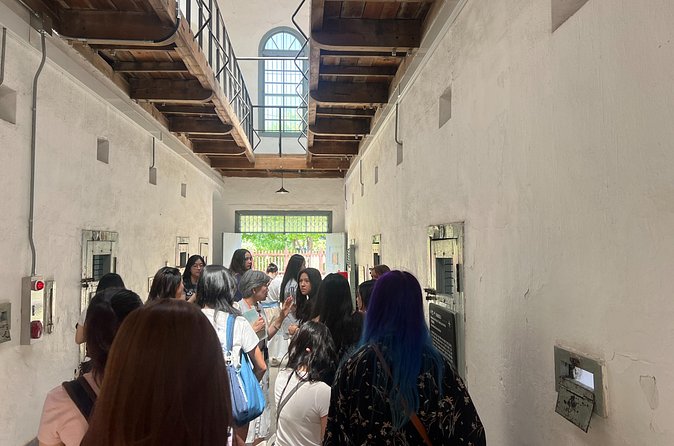
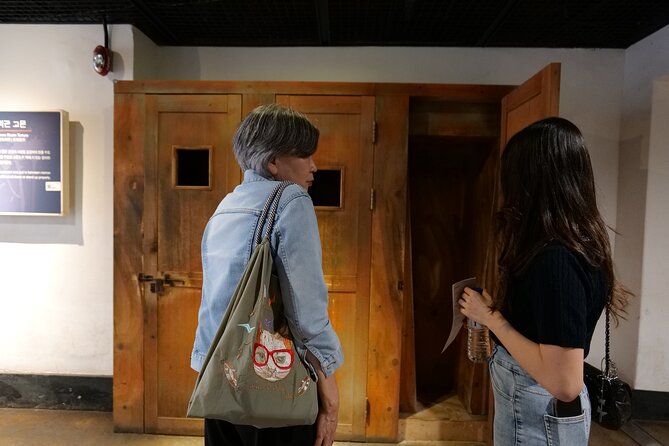
You can expect to walk through solitary cells, interrogation chambers, and the execution yard. These are not abstract historical references. They are the physical rooms that make the prison’s purpose clear.
The original cells are likely to be one of the most affecting parts of the visit. A cell tells you something about confinement through its size and plainness, even before the guide explains what happened there. You may find that the close quarters make the experience more personal than a timeline or textbook account.
The interrogation rooms carry a different weight. Here, the focus shifts from confinement to the methods used against people suspected of resisting colonial rule. The experience is not presented as a collection of detached facts. It connects the rooms to the lives and sacrifices of the people held there.
The execution grounds are the most difficult stop for many people. The purpose is not shock for its own sake. The site helps you understand that the independence movement involved real danger and loss, not only speeches, flags, or political dates.
Yu Gwan-sun and the March 1st Movement
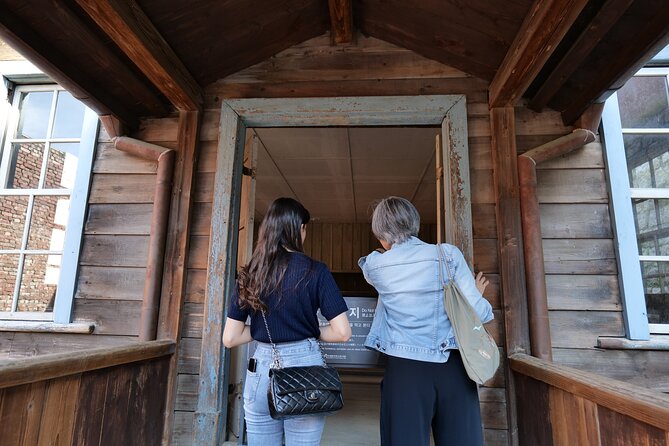
The story of Yu Gwan-sun gives the tour a clear human center. She was a 17-year-old student whose courage during the March 1st Movement made her a national symbol.
That detail matters because large historical movements can feel distant. A young student helps you picture the age and personal circumstances of some of the people involved. Her story shows that resistance was not limited to military leaders or older political figures.
The guide uses Yu Gwan-sun’s experience to connect the prison to the wider independence struggle. You will hear about her courage and the role she came to play in Korea’s national memory.
I appreciate this kind of focus because it keeps the tour from becoming a list of dates. The prison’s rooms explain the setting, while Yu Gwan-sun’s story gives the setting a face and a personal scale.
The March 1st Movement is central to understanding modern Korean identity. The tour does not simply tell you that it happened. It places the movement against the backdrop of detention and punishment, helping you see why courage during that period carried such a high cost.
Same base, a different kind of day out:
- Best DMZ Tour Korea from Seoul (Red Suspension Bridge Optional)
★ 5.0 · 41,422 reviews - DMZ Tour: 3rd Tunnel, Option(Suspension Bridge, Boat) from Seoul
★ 5.0 · 21,373 reviews - DMZ tour south Korea from Seoul (NK experience hall, defector)
★ 5.0 · 20,599 reviews - Seoul: DMZ Tour with Optional Suspension Bridge
★ 4.8 · 5,277 reviews
What the guide adds to the visit
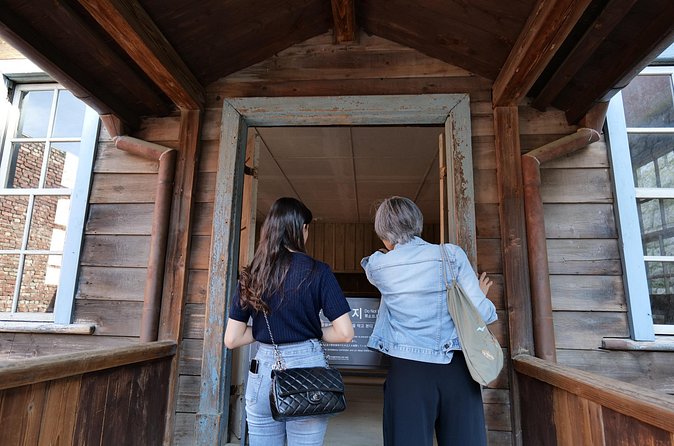
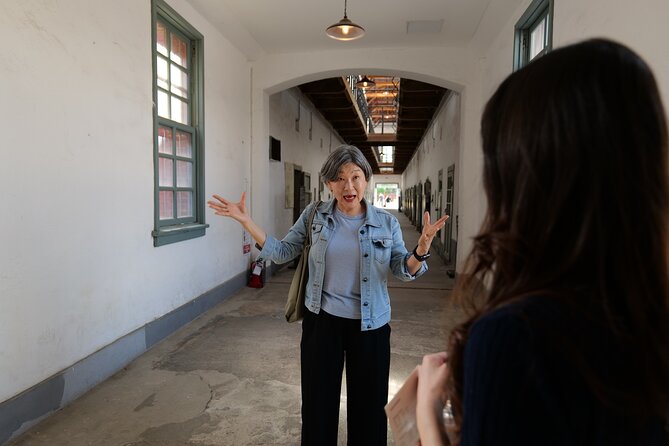
The experience is led by a professional guide with more than 10 years of experience in Korean history. No guide name is provided, so you should not book expecting a particular named host. The important practical point is that the tour is built around guided explanation rather than independent museum viewing.
That matters at Seodaemun Prison. The rooms can speak for themselves to a point, but context is essential. A guide can explain why Dongnimmun Gate matters, how the prison was used, and how individual stories fit into the independence movement.
The strongest praise connected with this experience centers on the detailed walk through Korea’s independence movement and the clear explanation of how the prison was used. That is a useful clue about what you are paying for. This is not mainly an orientation walk around a building. The value lies in the historical interpretation.
With a group capped at 10 people, you should have a better chance of hearing the guide in enclosed rooms than you would in a large tour group. A small group can also make it easier to ask about a specific display, room, or person.
Still, the group size does not guarantee a private tour. You will be sharing the guide’s attention with other people, and the pace will follow the group. If you prefer to read every panel slowly or spend long periods alone in each room, an independent visit may suit you better.
How much value do you get for $31.54?
At $31.54 per person, the price is reasonable for a two-hour guided history experience that includes admission to Seodaemun Prison History Hall. You are paying for the guide’s time, the structured route, and the historical explanation, not simply access to the site.
The included admission is useful because it keeps the basic cost clear. You do not need to buy a separate museum ticket as part of the planned visit. Dongnimmun Gate is free, so the paid portion is tied mainly to the guided prison experience.
I would consider this good value if you want historical context and prefer learning through conversation. The price is less compelling if you only want to wander through the museum quickly, since independent entry may offer more control over your pace.
The tour is booked an average of 31 days ahead, so planning early is sensible if your Seoul dates are fixed. That does not guarantee that every date sells out, but it suggests the experience is commonly arranged well before arrival.
Free cancellation is available if you cancel at least 24 hours before the 2:00 pm start time. Changes or cancellations made less than 24 hours before the start are not accepted for a refund. Keep the local cut-off time in mind when making changes.
Timing, walking, and the shape of the afternoon
The full experience takes about two hours, with roughly 20 minutes at Dongnimmun Gate and one hour 40 minutes at the prison history hall. Since the start time is 2:00 pm, you should have most of the morning free for another part of Seoul.
This is described as a walking tour, and a moderate level of physical fitness is recommended. The information does not specify the exact distance, number of stairs, or surface conditions, so anyone with mobility concerns should ask the provider before booking.
Wear shoes suitable for walking and allow yourself time to arrive at the meeting point. The prison portion includes several rooms and outdoor areas, including the execution grounds, so the experience is not limited to sitting in a gallery.
The afternoon schedule may work well after a morning at a palace or market. The subject matter is serious, though, and you may want some quiet time afterward rather than planning another demanding attraction immediately.
Who will get the most from this experience?
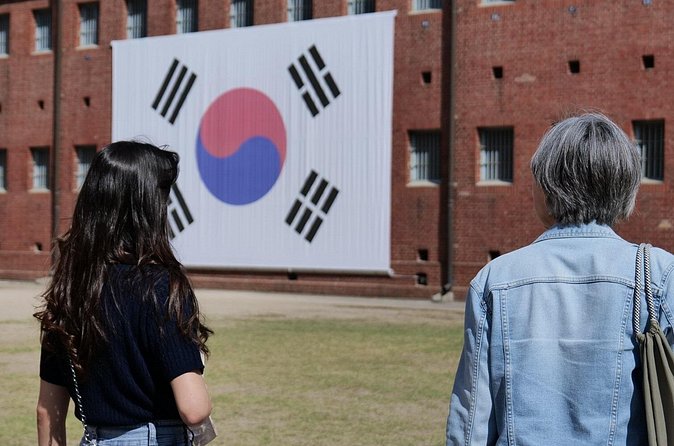
I would recommend this tour to anyone who wants to understand Seoul beyond its modern shopping districts and famous palaces. It is especially useful if Korean history is unfamiliar to you, since the guide can connect the site, the independence movement, and individual activists in one short visit.
It also suits people who prefer a focused activity with a clear beginning and end. The route is compact, the group is small, and the two-hour length is easy to fit into a busy itinerary.
History students, teachers, and visitors interested in Korea’s colonial period may find the site especially meaningful. The combination of original prison spaces and guided explanation gives you more than a general city walk.
Families with older children or teenagers may also consider it, provided everyone is ready for difficult material. The story of Yu Gwan-sun can help younger visitors connect with the history, but the execution grounds and accounts of suffering may not suit every child.
I would hesitate to recommend it to anyone looking only for light entertainment or attractive city views. Seodaemun Prison is a place for reflection. The experience can be rewarding, but it is not designed to be comfortable.
Practical details before you book
The starting address is 102-6 Hyeonjeo-dong, Seodaemun-gu, Seoul, and the tour ends at Seodaemun Prison History Hall, 251 Tongil-ro, Seodaemun-gu. The end point is therefore different from the start, which is helpful to know if you are arranging a pickup or planning your next stop.
The tour is near public transportation. The supplied information does not identify a specific subway exit or bus route, so you should confirm the final route before leaving your hotel.
Confirmation is provided when you book. The group maximum is 10 people, and the activity begins at 2:00 pm.
The price is $31.54 per person. Admission to Seodaemun Prison History Hall is included, while Dongnimmun Gate has no admission charge.
Because the subject involves imprisonment, interrogation, execution, and colonial violence, prepare yourself emotionally as well as physically. A calm, respectful approach will help you get more from the site.
Should you book the Seodaemun Prison tour?
Book it if you want a serious, well-focused look at Korea’s independence movement and prefer a guide to explain what you are seeing. The combination of Dongnimmun Gate, original prison spaces, the execution grounds, and Yu Gwan-sun’s story gives the two-hour route a clear purpose.
The price is fair for a small-group tour with museum admission included. I especially like that the experience does not stop at general historical commentary. It takes you into the rooms where the history happened, then explains the people and events connected to them.
Skip it if you are seeking a relaxed sightseeing walk or if difficult historical sites are not right for your trip. For the right audience, though, Seodaemun Prison can become one of the most meaningful stops in Seoul, precisely because it asks you to look beyond the city’s polished surface.
FAQ
How long is the Seodaemun Prison tour?
The experience lasts approximately two hours. About 20 minutes is allocated to Dongnimmun Gate, followed by about one hour and 40 minutes at Seodaemun Prison History Hall.
What time does the tour begin?
The tour begins at 2:00 pm.
Where does the tour start?
The meeting point is 102-6 Hyeonjeo-dong, Seodaemun-gu, Seoul, South Korea.
Where does the tour end?
The tour ends at Seodaemun Prison History Hall, 251 Tongil-ro, Seodaemun-gu, Seoul, South Korea.
Is admission to Seodaemun Prison History Hall included?
Yes. Admission to Seodaemun Prison History Hall is included in the tour price. Dongnimmun Gate has free admission.
How many people can join the tour?
The activity has a maximum group size of 10 people.
Can I cancel for a full refund?
Yes, if you cancel at least 24 hours before the experience start time. Cancellations or changes made less than 24 hours before the start are not accepted for a refund.
Just added in Seoul
- Your Personal Seoul Photographer!★ 4.1 · 15 reviews
- You’re Invited to Our Home in Seoul: The Only Cooking Class!★ 5.0 · 8 reviews
- From Seoul: Yongpyong Ski Day Tour with Transportation★ 4.9 · 40 reviews
- Seoul: Korean & English Language Exchange Global Party★ 5.0 · 28 reviews
- From Seoul: Hwacheon Ice Fishing and Lighting Festival Tour★ 4.5 · 4 reviews
- Unique Native Experience : Han River Picnic, Board game, BBQ★ 5.0 · 3 reviews
- Seoul: Gangneung BTS K-Pop & K-Drama Filming Locations Tour★ 4.6 · 14 reviews
- K-Pop Making Class with a Producer!★ 5.0 · 3 reviews
Historical Tours, compared.
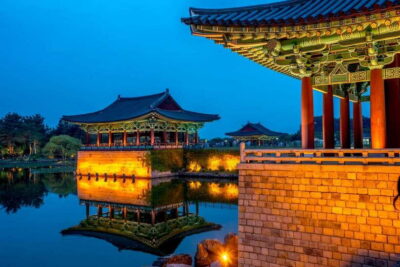
Gyeongju UNESCO World Heritage Guided Day Tour
Read our review →
Evening Dark History, Folklore & Ghost Story Walking Tour
Read our review →
Old Korea Thousand History Tour of Gyeongju from Busan
Read our review →
Hanbok Photoshoot and History Tour at Gyeongbokgung Palace
Read our review →
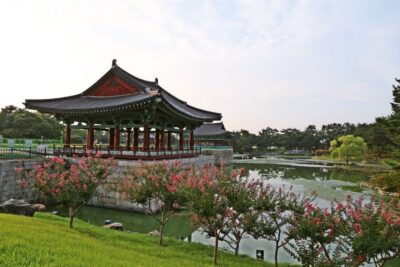
UNESCO Heritage Tour Including Bulguksa Temple
Read our review →
Gyeongju UNESCO World Heritage Sites and History Full-Day Tour with Lunch
Read our review →
City Highlights and Historical Experience No Shopping
Read our review →Browse the lists this tour appears in