
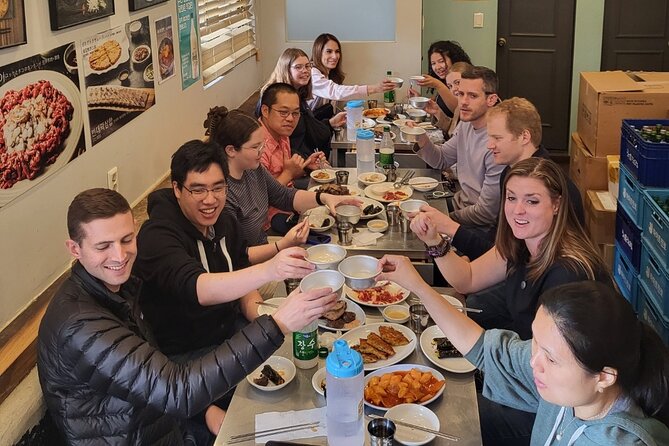
Reviewed · KOREAN FOOD & STREET FOOD TOURS
Gwangjang market Netflix Food Walking Tour with Insadong
The best part of this Seoul walk is the way food and neighborhood history meet. You begin at Anguk Station in Insadong, pass through the narrow lanes of Ikseon-dong, and finish at Gwangjang Market, where Korean street food is the main event. I like the small group size, capped at 10, and the fact that the tastings are included rather than added one by one at the market stall.
I also like the human touch. Guide Alan Han is singled out for taking time with questions, while another guide calmly handled a scorching day and explained the history well. The main drawback is the three-hour walk at 3 p.m., which can feel hot or soggy in Seoul weather, and the tour may be less appealing if you prefer to choose every dish yourself.
Key points to know before booking
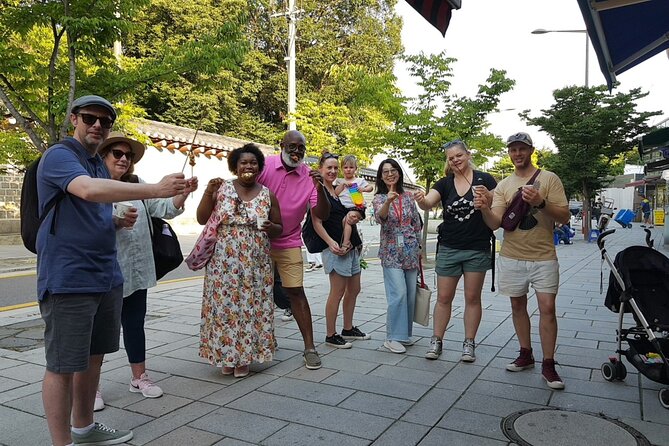
- Three connected Seoul neighborhoods: Walk from traditional Insadong through restored hanok lanes in Ikseon-dong and onward to Gwangjang Market.
- Food is included: Expect three to five street-food tastings, including mung-bean pancake, fish-cake, honey dessert, and Korean rice wine.
- A small group format: The maximum is 10 people, useful for questions and for moving through tight market lanes.
- A history-led walk: The guide covers Insadong’s cultural role, Ikseon-dong’s change, and local life in Gwangjang Market during the 1990s.
- A practical afternoon start: Meet at Anguk Station at 3 p.m. and finish at Gwangjang Market, not back at the starting point.
- Good flexibility, with weather limits: Cancellation is free up to 24 hours before the start, but poor weather or too few bookings can cancel the outing.
Why this route works for a first look at Seoul
This tour gives you a useful slice of central Seoul without trying to cover the whole city. In three hours, you see craft shops, art spaces, old-style houses, cafes, and a major food market. The route also has a natural rhythm: culture first, neighborhood stories next, then food.
I find that order smart. Insadong gives you a little context before you reach Gwangjang Market. By the time you arrive at the food stalls, you have spent time learning how these central districts changed, rather than simply being dropped into a market and told what to eat.
The walk begins at Anguk Station at 3 p.m. That timing places the market portion later in the afternoon, when the food stop becomes the high point of the experience. It also means you should plan for weather. One outing took place during heavy rain, and another on a very hot day. The walk continued, but comfortable shoes, water, and a small umbrella are sensible additions.
The group limit of 10 matters here. Insadong has narrow shopping streets, and Ikseon-dong is made up of tight alleys. A large group would make it harder to hear the guide or stay together. A small group also gives you a better chance to ask about a shop, dish, or neighborhood detail as you go.
More eating your way around Seoul:
- Seoul: Gyeongbok Palace, Bukchon Village, and Gwangjang Tour
★ 4.9 · 2,321 reviews - Seoul Street Food Market Tour
★ 5.0 · 1,226 reviews - Seoul: Gyeongbok Palace, Bukchon Village, and Gwangjang Tour
★ 5.0 · 1,044 reviews
Starting in Insadong, Seoul’s traditional arts quarter
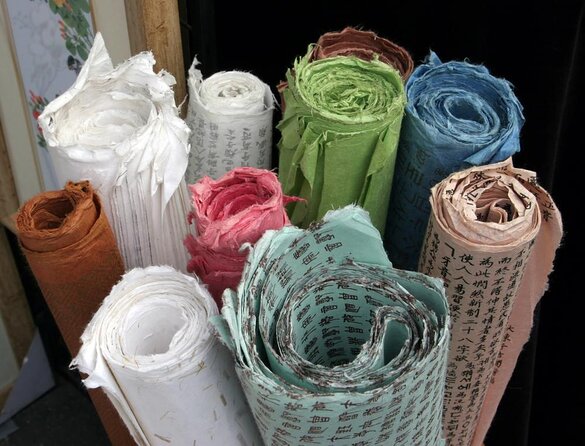
Insadong is the calmest and most gallery-focused part of the route. The area is known for art galleries, craft shops, tea houses, traditional restaurants, and Korean handmade goods. You might see pottery, calligraphy brushes, and traditional Korean paper among the items for sale.
The value here is not simply shopping. Insadong helps you understand why this part of Seoul is associated with Korean culture and art. The guide explains its role as a cultural center, so the displays and storefronts have more meaning than they would on a quick independent walk.
I would keep your expectations realistic. Insadong is a popular stop, not a quiet village preserved only for local life. Some shops and galleries are aimed at sightseers. That does not make the area worthless, but it does mean the experience is strongest when you pay attention to the contrast between traditional objects and modern Seoul around them.
The first section lasts about 90 minutes. That is a generous amount of time for the cultural portion of a three-hour tour. You are not simply walking past the neighborhood on the way to food. The guide has room to discuss why the district matters and to answer questions.
If you are interested in Korean arts, this may be the part that shapes your view of the city. If food is your only goal, the first hour and a half may feel slow. The tour is best for people who want both the setting and the meal, not just a list of famous snacks.
Ikseon-dong, where old houses meet new cafes
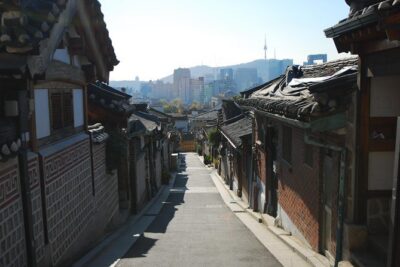
Ikseon-dong adds a different mood. Its narrow alleys contain traditional hanok houses alongside trendy cafes and small businesses. The important story here is change: an older neighborhood became a fashionable cultural area while retaining much of its traditional form.
The guide talks about the district’s past and its revival. That context is useful because Ikseon-dong can otherwise look like a collection of photogenic lanes. You see old rooflines and wooden structures, then modern signs and cafe doors. The interest is in that overlap.
I like this stop because it shows that Seoul’s past is not kept in one sealed historic zone. Old buildings can become part of current city life, sometimes in ways that are stylish and commercial. The tour gives you a way to think about that change instead of treating the area as a backdrop for photographs.
The available information does not specify exactly how long the group remains in Ikseon-dong within the 90-minute Insadong section. Treat it as part of the opening neighborhood walk rather than a separate timed attraction. Your guide controls the pace and may spend more or less time explaining particular lanes.
That lack of a fixed stop-by-stop schedule is worth noting. You get a guided route rather than a formal entrance to a museum or site. For some people, that feels personal and flexible. For others, especially those who want exact timings, it may feel less predictable.
Arriving at Gwangjang Market for the main food stop
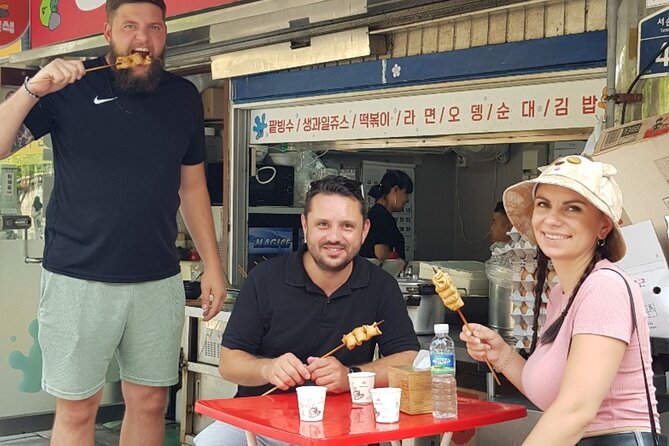
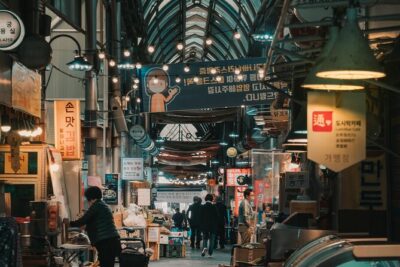
Gwangjang Market is the final destination and the tour’s main reward for anyone who likes to eat while walking. It has operated since 1905 and is known for Korean food, textiles, and handmade goods. The food area is associated with dishes such as mung-bean pancakes, spicy rice cakes, and bibimbap.
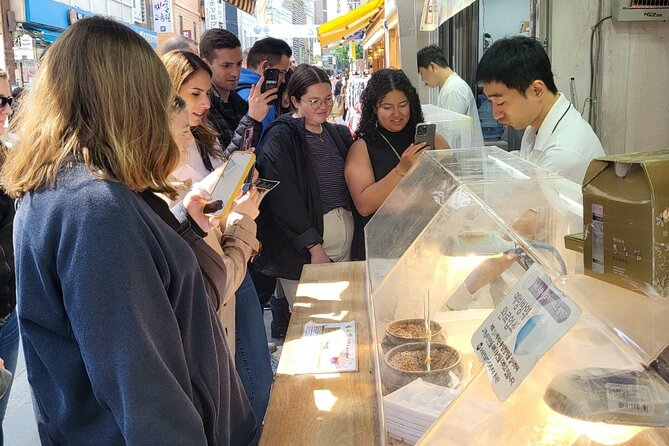
Your included tastings cover three to five kinds of street food. The named items are mung-bean pancake, fish-cake, honey dessert, and Korean rice wine. Other personal consumption is not included, so you can buy more if something catches your attention, but you do not have to pay extra for the planned samples.
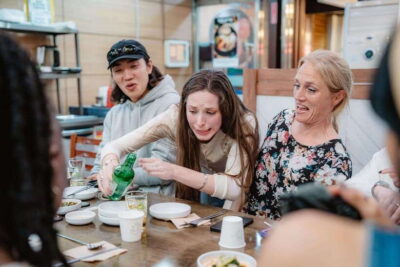
The mung-bean pancake is a particularly useful introduction to the market’s food culture. It is a substantial snack rather than a tiny decorative bite. Fish-cake offers a different texture and style, while the honey dessert gives the tasting a sweet finish. Korean rice wine adds a local drink to the food portion.
Because the exact selection can vary, do not assume the tasting is a full meal or that every named item will appear on every departure. The description promises three to five kinds and lists the included foods. If you have allergies, strong dislikes, or dietary restrictions, ask the provider before booking, since no dietary arrangements are given.
The market portion lasts about 90 minutes. That gives you time to taste, listen, and look around the stalls instead of rushing through one quick sample. It also lets the guide explain how the market connects with local life and 1990s Korean history.
That historical angle is an unusual strength. Gwangjang Market is not presented only as a place for famous food. You hear about everyday life in Seoul during the 1990s and see a market that has served the city for more than a century. The textiles and handmade goods matter too, even if the food gets most of your attention.
A few more things to do in Seoul worth a look
- Seoul: Night Market Food Tour with Local Guide
★ 4.9 · 943 reviews - Downtown Seoul Guided Food & Market Tour with 8+ Local Tastings
★ 5.0 · 580 reviews - Seoul Night Palace & Market Food Tour with Vehicle
★ 5.0 · 275 reviews - Seoul Fun Food Tour: 12 different food tastings
★ 5.0 · 266 reviews
What the guide adds to the experience
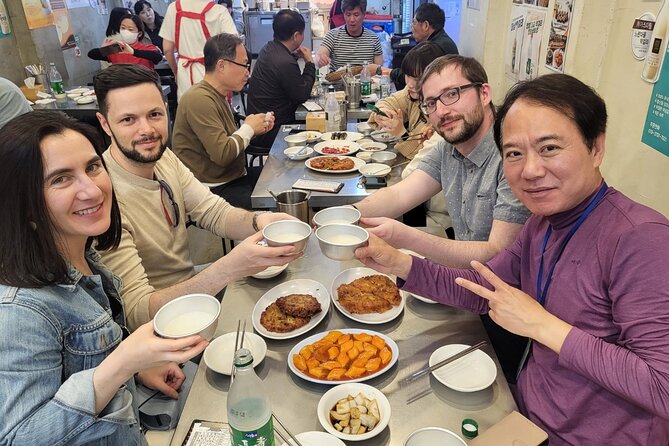
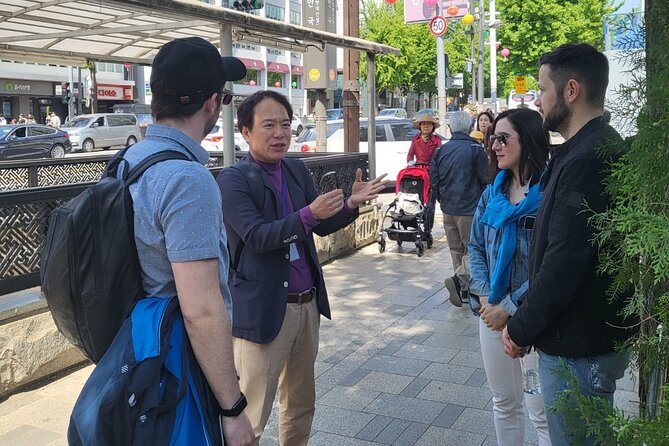
The quality of this outing depends heavily on the guide. The strongest details available point to patient, friendly guidance. Alan Han is noted for being personable, taking time with questions, and allowing the group to set aside time for browsing.
Another guide handled very hot weather while continuing to explain the neighborhood history clearly. That suggests the walk is not just a sequence of food handoffs. The guide is expected to explain what you are seeing and respond to questions along the way.
A small group makes this style possible. With no more than 10 people, you can ask why a district changed, what a dish contains, or how a traditional shop fits into modern Seoul. If you are shy about speaking in a group, the limited size is less intimidating than a large coach-style tour.
Still, this is not a private tour. The guide must keep the group moving and make choices that suit different tastes. If you want to spend 20 minutes in one gallery or order several extra market dishes, you may need to do that before or after the scheduled walk.
Is $48.60 a fair price?
The price is $48.60 per person. Its value rests on three things: the English-speaking guide, the small group, and the included food.
You are paying for more than four snacks. The route links two well-known food and culture areas with Ikseon-dong, and the guide supplies history that would be easy to miss while walking alone. The tastings also reduce the need to guess what to order at a busy market stall.
I would call the price reasonable for a first visit if you want an organized introduction and would otherwise feel uncertain about navigating the food scene. It is less attractive if you already know Seoul’s markets, speak Korean, or prefer to spend your money on a larger meal of your own choosing.
Remember that the price does not cover other personal purchases. If you want extra food, drinks, souvenirs, or textiles, budget for those separately. The included rice wine also means this is not purely a food-only outing, so consider your own preferences before booking.
Timing, walking, and weather
The meeting point is Anguk Station, and the tour ends at Gwangjang Market, 88 Changgyeonggung-ro. That one-way design is useful. You finish at a place where you can continue eating, shopping, or exploring rather than retracing the route to the start.
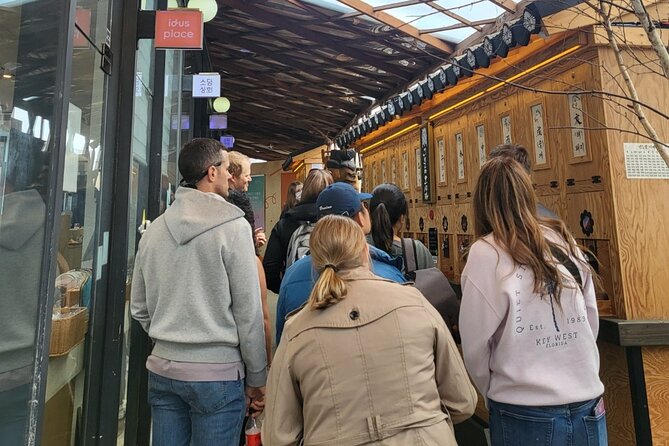
The experience lasts about three hours and begins at 3 p.m. You should be comfortable walking for that period, standing at food stalls, and moving through crowded market passages. The tour is near public transportation, and most people can participate.
Weather deserves more attention than the short duration might suggest. A hot day can make the walk tiring, while rain can make the lanes slippery and less comfortable. The activity requires good weather, so poor conditions may lead to a different date or a full refund.
The booking terms are simple: cancel at least 24 hours before the local start time for a full refund. Changes or cancellations inside that window are not accepted for a refund. The provider may also cancel if too few people book, with a new date or refund offered.
Who should book this Seoul food walk?
I would choose this tour if you are visiting Seoul for the first time, want help ordering street food, and enjoy hearing how neighborhoods changed. It suits couples, solo visitors, and small groups who prefer conversation over a large guided crowd.
It is also a good fit if you want an afternoon activity with a clear endpoint. Finishing at Gwangjang Market lets you continue your evening on your own, and the market gives you a natural place to buy more food after the included tastings.
Families and older visitors should consider the walking and weather. The activity is open to most people, but the route includes narrow lanes and market standing. Anyone with food allergies should contact the provider before committing, because the available details do not promise substitutions.
I would skip it if you mainly want a long, sit-down meal, a private guide, or a carefully timed visit to individual shops. The experience is a shared neighborhood walk, and the guide decides the pace.
Should you book it?
Book this tour if you want a compact introduction to Seoul’s culture and food, with enough history to connect the places you see. The strongest reasons are the maximum group size of 10, the included three to five tastings, and the route from Insadong to Ikseon-dong and Gwangjang Market.
The main caution is practical rather than serious: expect a walk in changing weather, a one-way route, and food choices set by the tour rather than by you. For a first afternoon in central Seoul, $48.60 is a fair price for guidance, context, and a chance to taste market food without having to figure out every stall alone.
FAQ
How long does the Gwangjang Market and Insadong tour last?
The tour lasts approximately three hours.
What time does the tour start?
The tour starts at 3 p.m.
Where does the tour begin?
The meeting point is Anguk Station in Seoul, South Korea.
Where does the tour finish?
The tour ends at Gwangjang Market, at 88 Changgyeonggung-ro, Jongno District, Seoul.
How many people can join the tour?
The maximum group size is 10 people.
What food is included?
The tour includes three to five street-food tastings. Included items are honey dessert, fish-cake, mung-bean pancake, and Korean rice wine.
Is the guide English-speaking?
Yes. A professional English-speaking guide is included.
Are extra food and personal purchases included?
No. Other personal consumption is not included.
Can I cancel for a full refund?
Yes. You can cancel at least 24 hours before the experience start time for a full refund. Poor weather or too few bookings may also lead to a different date or a full refund.
More Shopping Tours in Seoul
- Private DMZ Tour (No Shopping): 3rd Tunnel & Suspension Bridge
★ 5.0 · 607 reviews - Seoul: Nighttime Tour of Palace, Market, Naksan Park & More
★ 4.9 · 143 reviews - Fortress Night Hike & Snack at a Local Market
★ 5.0 · 112 reviews - Korean Cooking Class with Grocery Shopping at Seoul Local Market
★ 5.0 · 107 reviews
More Market Tours in Seoul
- Local Home Korean Cooking Class & Market Adventure in Seoul
★ 5.0 · 1,024 reviews - Seoul: Korean Cooking Class at a Local Home and Market Tour
★ 5.0 · 348 reviews - Cook 3 Authentic Korean Dishes with Local Market Tour
★ 5.0 · 231 reviews - Korean Palace and Market Tour in Seoul Including Insadong and Gyeongbokgung Palace
★ 4.0 · 174 reviews
Just added in Seoul
- Your Personal Seoul Photographer!★ 4.1 · 15 reviews
- You’re Invited to Our Home in Seoul: The Only Cooking Class!★ 5.0 · 8 reviews
- From Seoul: Yongpyong Ski Day Tour with Transportation★ 4.9 · 40 reviews
- Seoul: Korean & English Language Exchange Global Party★ 5.0 · 28 reviews
- From Seoul: Hwacheon Ice Fishing and Lighting Festival Tour★ 4.5 · 4 reviews
- Unique Native Experience : Han River Picnic, Board game, BBQ★ 5.0 · 3 reviews
- Seoul: Gangneung BTS K-Pop & K-Drama Filming Locations Tour★ 4.6 · 14 reviews
- K-Pop Making Class with a Producer!★ 5.0 · 3 reviews
Korean Food & Street Food Tours, compared.
Gyeongbok Palace, Bukchon Village, and Gwangjang Tour
Read our review →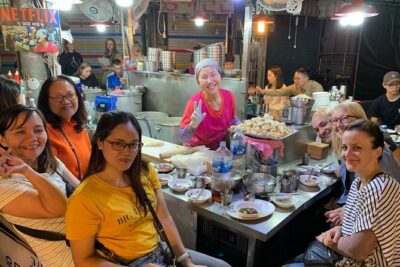
Seoul Night Palace & Market Food Tour with Vehicle
Read our review →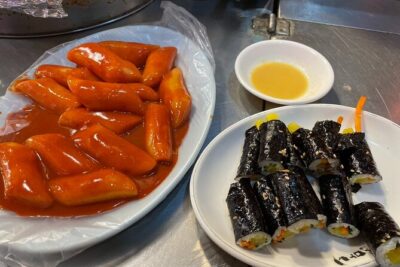
Seoul Fun Food Tour: 12 different food tastings
Read our review →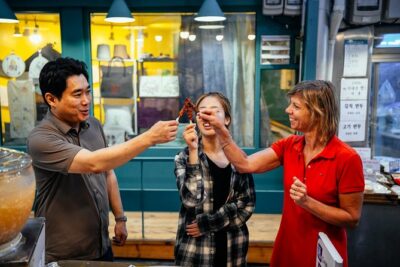
The Award-Winning PRIVATE Food Tour of Seoul: The 10 Tastings
Read our review →
Seoul Night Tour (Gwangjang Market, Royal Palace and Naksan Park)
Read our review →
Busan history and market food tour with local chef
Read our review →Browse the lists this tour appears in