
Reviewed · MARKETS
Flavors of Seoul: Grandma’s Handmade Noodles to Night Market Tour
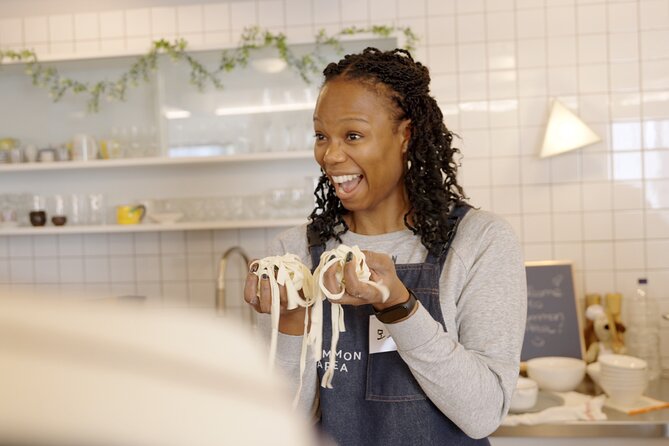
Seoul is at its best when food opens the door to people and place. This day begins with a retired Korean grandma teaching you to knead and hand-pull noodles, then moves through royal food traditions at Changdeokgung Palace before ending among the stalls of Gwangjang Market.
I like the personal cooking class and the small maximum of 10 people. I also like the way the route links old Seoul with present-day food culture, from palace kitchens to Euljiro pubs and long-running market vendors. The main drawback is the $280 price, which is a serious outlay for one day, especially since the exact dishes included are not fully listed.
Key points at a glance
- Hand-pulled noodles with a retired Korean grandma: The day starts with conversation, cooking, and a direct link to home-style Korean food.
- Changdeokgung and royal cuisine: A 90-minute palace visit adds cultural context to the meals rather than treating food as a stand-alone activity.
- Euljiro after dark: You’ll see an area where old eateries and newer pubs share the same streets.
- Gwangjang Market finale: The final two hours focus on vendors, stories, and local delicacies.
- Small group format: The tour accepts no more than 10 people, which should make the cooking lesson and walking portions easier to manage.
- A long, food-centered day: The tour runs about nine hours, beginning at 11:00 a.m. in Mapo-gu and ending at Gwangjang Market.
Why this Seoul food tour feels different
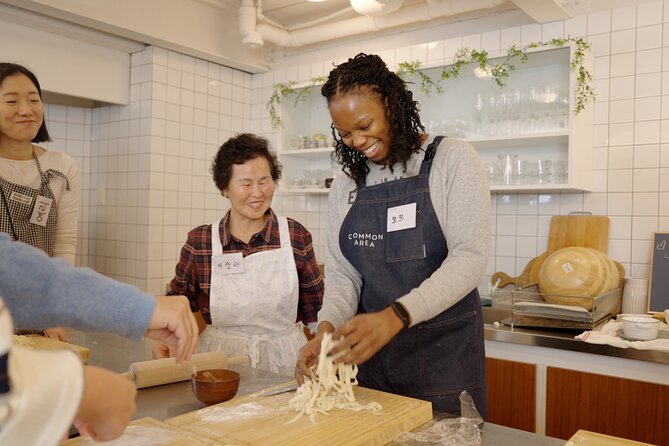
Many food tours are built around a list of dishes. This one is built around a sequence of people and places. You start in a home-style setting with an older local teacher, learn how noodles are made by hand, then connect that everyday cooking with palace food and market eating.
That structure matters. You are not simply tasting something and moving on. You get a glimpse of how Korean food can relate to family life, court traditions, neighborhood businesses, and market trade.
The day also has a useful rhythm. The three-hour cooking class gives you time to settle in. The palace visit changes the pace. Euljiro brings you into Seoul’s current dining scene, and Gwangjang Market provides a lively finish.
I especially appreciate the human element. A retired grandma is not the same as a professional restaurant instructor. The focus is likely to be on making, sharing, and talking rather than on polished culinary technique. If you want a formal cooking school, this may feel informal. If you want a personal introduction to Korean food, that informality is part of the appeal.
A few more things to do in Seoul worth a look
- Seoul Street Food Market Tour
★ 5.0 · 1,226 reviews - Local Home Korean Cooking Class & Market Adventure in Seoul
★ 5.0 · 1,024 reviews - Seoul: Night Market Food Tour with Local Guide
★ 4.9 · 943 reviews
Starting at 11:00 a.m. in Mapo-gu
The tour begins at 53-9 Tojeong-ro in Mapo-gu at 11:00 a.m. You should plan to arrive with enough time to find the meeting point, since the address is given as a common area rather than a named hotel or major landmark.
The start time is practical for a full day. You do not need to rush out early, and the cooking session begins before the evening food stops. Since the tour ends at Gwangjang Market, you also finish in a useful central Seoul area rather than returning to the starting point.
The route is not a simple loop. You start west of central Seoul and finish in Jongno District. That means the day functions as both a food tour and a guided move through different parts of the city. Public transportation is nearby, but the supplied details do not specify which transfers are included or whether transportation costs are covered.
The group limit is 10 people. That is small enough to make conversation possible and should help during the noodle lesson. It also keeps the palace walk and market stops from becoming a large procession. The tour requires at least two participants to operate, so a booking is subject to that minimum.
Learning noodles from a Korean grandma
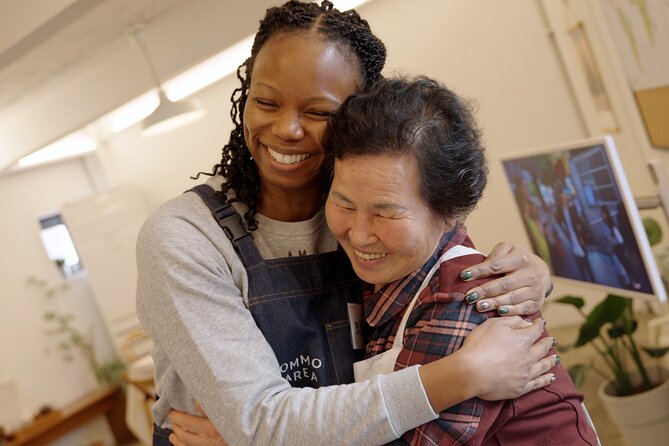
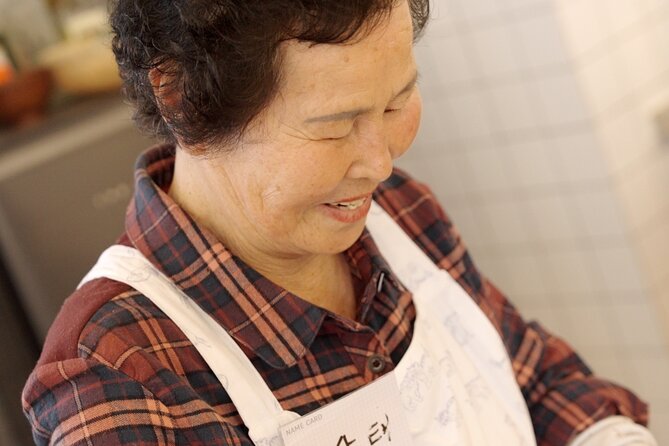
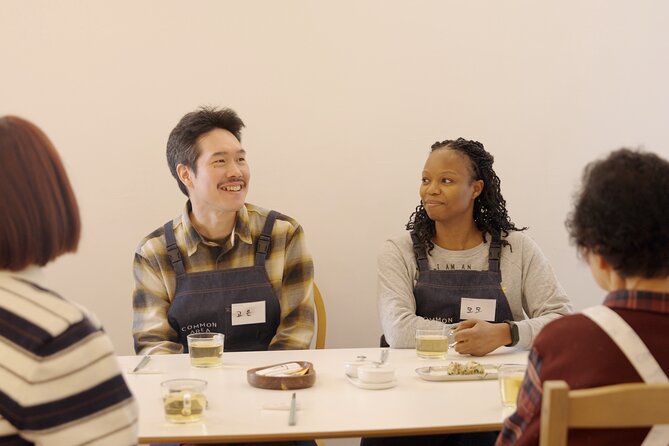
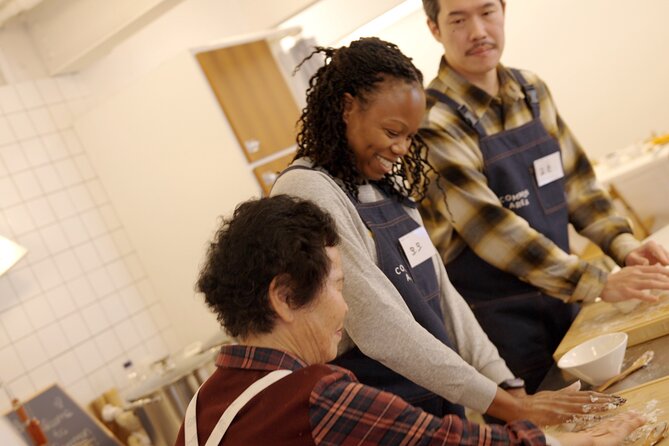
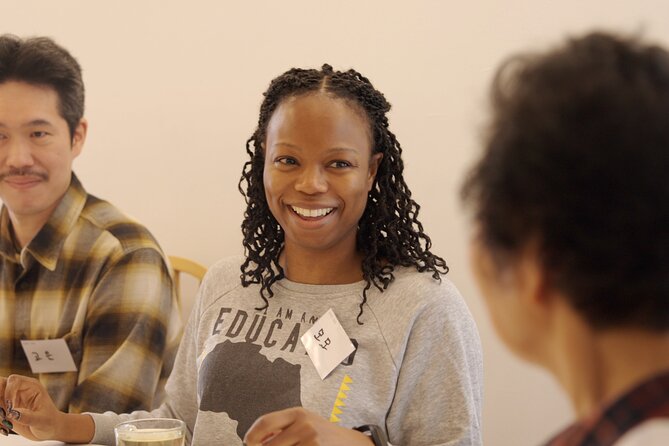
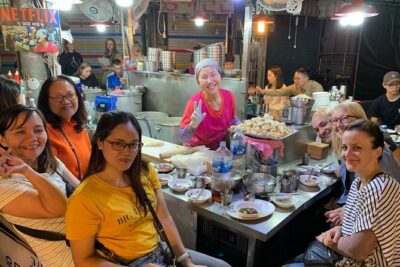
The first stop lasts about three hours at 53-9. Here, a retired local grandma introduces you to Korean cooking, shares personal stories, and teaches you how to prepare hand-pulled noodles.
The appeal is clear. Hand-making noodles gives you something to do with your hands, not just something to photograph or eat. You will work through the process from kneading dough toward pulling the noodles, with the cooking lesson providing the day’s most direct personal contact.
I would expect this portion to be the emotional center of the tour. Food traditions often make more sense when you see how they fit into ordinary life, and a retired local teacher can offer a different perspective from a guide delivering a prepared talk. The supplied details do not identify the grandma by name, so you should think of this as a personal home-style lesson rather than a celebrity cooking class.
The three-hour length is generous. It allows room for instruction, stories, preparation, and eating without making every step feel rushed. It also means the class takes up one-third of the day. If you are mainly interested in landmarks and only want a quick food sample, this tour may feel too focused on the kitchen.
The tour does not list the exact noodle dish or a full menu. Contact the operator ahead of time if you have allergies or dietary restrictions. This is especially important for a hands-on class, where ingredients may be prepared as part of the lesson.
Changdeokgung and the food of Korea’s royal court
After the cooking class, you spend about 90 minutes at Changdeokgung Palace. Admission is included, and the visit focuses on the palace as well as Korea’s royal culinary traditions.
Changdeokgung is a UNESCO World Heritage site, but the important point here is the food connection. The palace visit gives you a reason to think about how meals changed according to status, ceremony, season, and setting. It adds a historical frame to the noodles and market dishes you encounter elsewhere in the day.
A 90-minute stop is enough for a focused walk and explanation, though not enough for every corner of the palace complex. That is a fair trade for a tour that also includes two food districts. You should see this portion as a selected introduction rather than a full palace study.
The tour works best if you enjoy connections between sights. Changdeokgung is not being treated as a separate landmark to tick off. Its royal food traditions help explain why Korean cuisine has both humble everyday dishes and highly formal culinary customs.
The details do not state whether the palace’s Secret Garden is included, nor do they specify the exact route inside the grounds. Do not book this day expecting a complete palace tour. Book it for a guided look at Changdeokgung with food as the main theme.
Same base, a different kind of day out:
- Best DMZ Tour Korea from Seoul (Red Suspension Bridge Optional)
★ 5.0 · 41,422 reviews - DMZ Tour: 3rd Tunnel, Option(Suspension Bridge, Boat) from Seoul
★ 5.0 · 21,373 reviews - DMZ tour south Korea from Seoul (NK experience hall, defector)
★ 5.0 · 20,599 reviews - Seoul: DMZ Tour with Optional Suspension Bridge
★ 4.8 · 5,277 reviews
Euljiro, where old eateries meet newer pubs
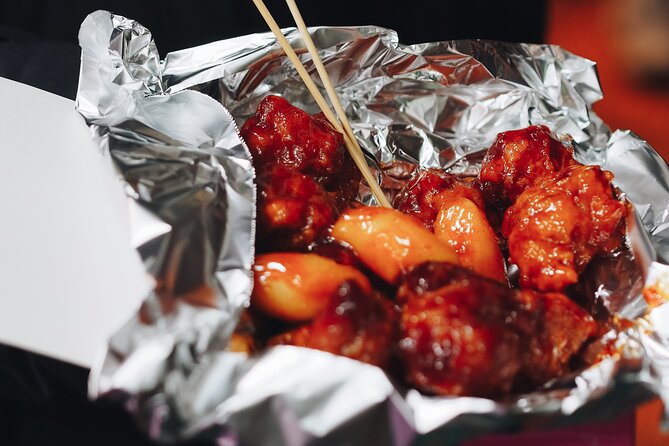
The next stop is a two-hour food walk in Euljiro-dong. The tour presents Euljiro as a place where eateries with more than 50 years of operation sit alongside newer pubs and current dining trends.
This is a useful counterpoint to Changdeokgung. The palace represents formal tradition. Euljiro shows how Seoul’s food culture keeps changing while older businesses remain in place. You may find the most interesting part is not a single dish, but the contrast between long-running local restaurants and newer places aimed at a younger crowd.
The supplied information does not name the individual restaurants or state how many tastings are included. That makes the value of this segment depend partly on the guide and the day’s route. A guide such as Kevin, who was praised for explaining both food and culture, can make a major difference here. His strength appears to be adding context rather than simply pointing out what is on the plate.
Two hours gives you enough time to walk and stop for food without turning the neighborhood visit into a rushed march. Since the tour lasts into the evening, Euljiro also helps shift the mood from daytime sightseeing to night eating.
You should expect a neighborhood food walk, not a sit-down meal in one restaurant. Come ready for movement, conversation, and changing stops. Exact food and drink inclusions are not fully detailed, so ask the operator if you need to know how many tastings are covered by the price.
Gwangjang Market makes a fitting finale
The final stop is Gwangjang Market, where you spend about two hours meeting established vendors and trying local delicacies. Admission is included, and the tour ends here at 88 Changgyeonggung-ro in Jongno District.
Gwangjang is a strong ending because it brings the day back to direct, everyday eating. The cooking class showed you how food is made. Changdeokgung provided royal context. Euljiro showed old and new neighborhood dining. At the market, those ideas come together among vendors serving food to people in a working market setting.
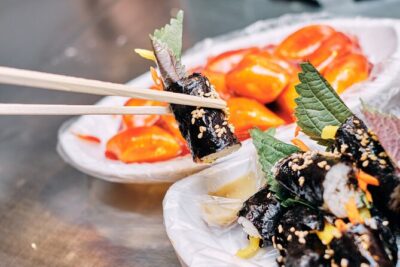
The tour has long-standing relationships with certain vendors, which should make the stop more organized than wandering in alone and choosing at random. You can hear vendor stories firsthand and taste several local specialties. One example named in the details is gimbap, though the full list of foods is not provided.
This is also the part of the day most likely to feel crowded and energetic. Markets can be noisy and close-quartered, and a group of 10 still needs to stay together around food stalls. That is not a flaw, but you should know the atmosphere will be less calm than the morning lesson.
Since the tour ends at Gwangjang Market, you have the option of continuing your own evening nearby after the official program. The tour details do not promise extra time or onward assistance, so treat the stated two hours as the planned end of the activity.
What the $280 price buys you
At $280 per person, this is not a budget food walk. The price needs to be judged against the full nine-hour schedule, the cooking instruction, palace admission, guided neighborhood walks, market tastings, and the small group limit.
The strongest value comes from combining several experiences that could otherwise require separate planning. You would need to arrange a cooking class, a palace visit, a food walk in Euljiro, and a market outing on your own. This tour puts them in one day and supplies a guide to connect them.
Still, the exact food inclusions are not fully stated. That is the main point to clarify before booking. A high price is easier to justify if the class meal and several market tastings are included. It is harder to justify if you are paying mainly for guiding and buying most food separately.
I would recommend the tour more readily to someone with limited time in Seoul than to a visitor staying for several weeks. With only one or two days in the city, the schedule gives you a broad introduction. With a longer stay, you may prefer to split these activities across separate days and choose less expensive meals as you go.
The group discount may improve the price for parties, but no discount amount is provided. Ask for the current terms if you are booking for several people.
Who will get the most from this day
This tour suits you if food is one of your main reasons for visiting Seoul and you want more than a restaurant list. It is particularly well matched to people who enjoy meeting local hosts, hearing cultural explanations, and moving between historic and modern parts of a city.
It also suits first-time visitors who want a planned day. The route covers Mapo-gu, Changdeokgung, Euljiro, and Gwangjang Market without requiring you to build the connections yourself.
The day may be less suitable if you dislike long outings, group schedules, or uncertain menus. Nine hours is a substantial commitment, and the tour stays focused on food for much of that time. Exact dietary options are not listed, so anyone with food allergies or restrictions should contact Goodmate Travel in advance.
The activity is near public transportation, and most people can participate according to the supplied information. However, the tour description does not provide detailed mobility information for palace paths, neighborhood walking, or market conditions. If you have specific mobility needs, ask before booking.
Booking, cancellation, and practical details
You receive confirmation when you book, and the activity is offered with a mobile ticket. Free cancellation is available up to 24 hours before the local start time for a full refund. Changes or cancellations made within 24 hours are not accepted for a refund.
The experience runs with a minimum of two participants. If that minimum is not reached and the tour is canceled, you are offered another date or experience, or a full refund.
The tour is booked, on average, 12 days ahead. That is not a formal booking deadline, but it suggests you should reserve early if the date matters, especially because the group is capped at 10 people.
Wear comfortable clothing for the cooking session and walking portions. The supplied information does not state whether ingredients can stain clothing or how much walking is required, so practical clothes are the sensible choice.
Should you book Flavors of Seoul?
I would book this tour if you want a people-centered introduction to Seoul’s food culture and have one full day to give it. The hand-pulled noodle lesson, Changdeokgung’s royal food context, Euljiro’s mix of old and new dining, and Gwangjang Market create a thoughtful route rather than four unrelated stops.
I would pause if $280 feels high or if you need a clearly defined menu. Before paying, confirm the food and drink inclusions and explain any dietary restrictions. If the answer fits your needs, the small group and long schedule make this a strong choice for a first Seoul visit, especially when you want local stories along with your meals.
FAQ
How long does the tour last?
The tour lasts approximately nine hours.
What time does the tour start?
It starts at 11:00 a.m.
Where does the tour begin?
The meeting point is the common area at 53-9 Tojeong-ro, Mapo-gu, Seoul, South Korea.
Where does the tour end?
The tour ends at Gwangjang Market, 88 Changgyeonggung-ro, Jongno District, Seoul, South Korea.
What is the maximum group size?
The tour has a maximum of 10 participants.
Is there a minimum number of participants?
Yes. At least two participants are required for the tour to operate.
Is admission to Changdeokgung included?
Yes. Admission to Changdeokgung Palace is included.
Do I need to report food allergies or dietary restrictions?
Yes. You should notify the operator in advance about any food allergies or dietary restrictions.
Can I cancel for a full refund?
Yes. You can cancel at least 24 hours before the local start time for a full refund. Cancellations or changes made less than 24 hours before the start are not refunded.
Just added in Seoul
- Your Personal Seoul Photographer!★ 4.1 · 15 reviews
- You’re Invited to Our Home in Seoul: The Only Cooking Class!★ 5.0 · 8 reviews
- From Seoul: Yongpyong Ski Day Tour with Transportation★ 4.9 · 40 reviews
- Seoul: Korean & English Language Exchange Global Party★ 5.0 · 28 reviews
- From Seoul: Hwacheon Ice Fishing and Lighting Festival Tour★ 4.5 · 4 reviews
- Unique Native Experience : Han River Picnic, Board game, BBQ★ 5.0 · 3 reviews
- Seoul: Gangneung BTS K-Pop & K-Drama Filming Locations Tour★ 4.6 · 14 reviews
- K-Pop Making Class with a Producer!★ 5.0 · 3 reviews
Markets, compared.
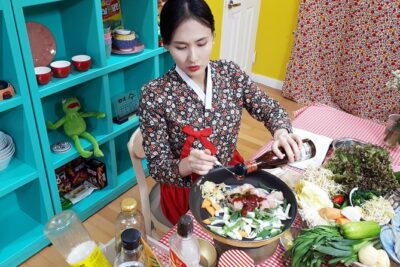
Local Home Korean Cooking Class & Market Adventure in Seoul
Read our review →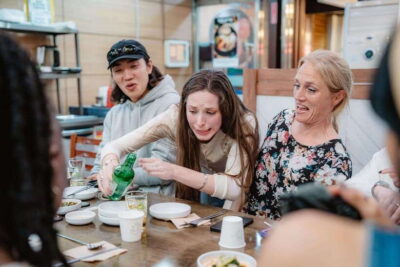
Downtown Seoul Guided Food & Market Tour with 8+ Local Tastings
Read our review →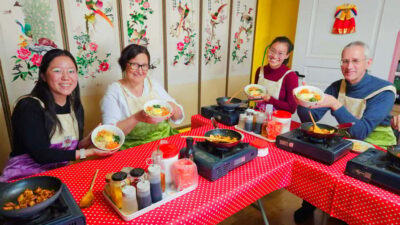
Korean Cooking Class at a Local Home and Market Tour
Read our review →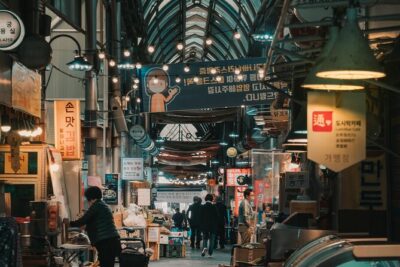
Seoul Night Palace & Market Food Tour with Vehicle
Read our review →
Cook 3 Authentic Korean Dishes with Local Market Tour
Read our review →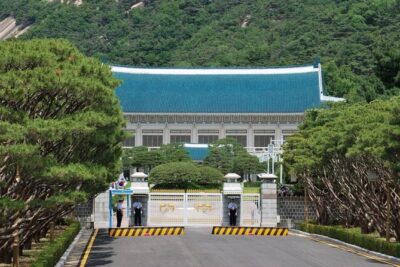
Korean Palace and Market Tour in Seoul Including Insadong and Gyeongbokgung Palace
Read our review →Browse the lists this tour appears in