
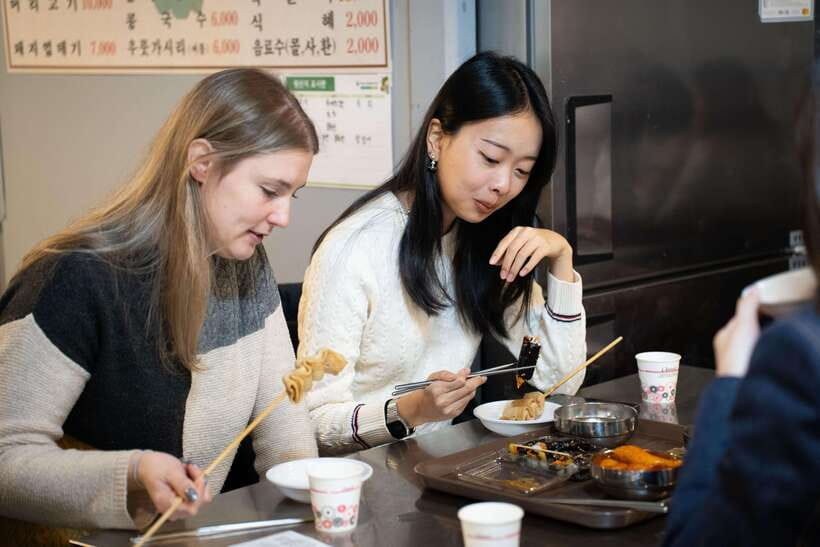
Reviewed · KOREAN FOOD & STREET FOOD TOURS
Hidden Stories & Flavors: Traditional Market Food Tour
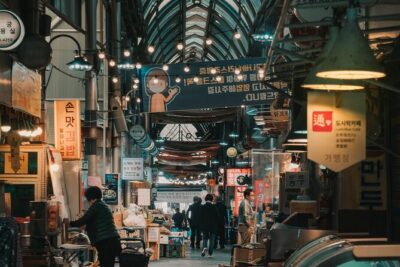
Gwangjang Market gives you Korea in quick, tasty bites, but this tour adds something unusual: food comes with a clear look at modern Korean life and the realities of a divided peninsula. You move from stall to stall at a useful pace, with an English-speaking guide explaining what is on your plate and why it matters.
I like the eight food samples, which make this a practical way to try familiar Korean street foods without guessing at a menu. I also like the personal angle on Korea’s military and reserve forces, a subject that adds weight to the usual market stroll. The main drawback is simple: $100 is a lot for two hours of food, and the portions may be large enough that breakfast is a bad idea.
Key points at a glance
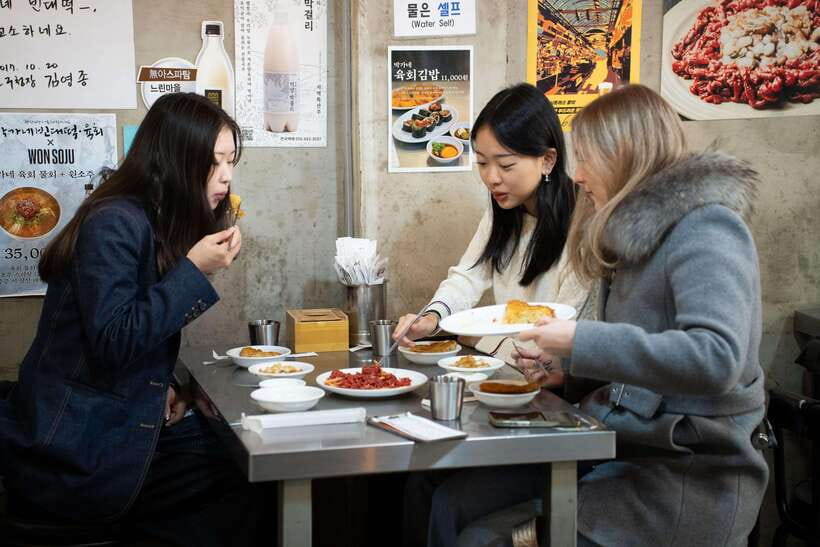
- Eight Korean market foods: Expect dumplings, meatballs, Korean hotdog, rice roll, spicy rice cake, fish cake, sweet Korean pancake, and fish-shaped bun.
- Gwangjang Market setting: The tour takes place inside one of Seoul’s best-known traditional markets, with food stalls as the main stage.
- More than a tasting: Your guide discusses Korean culture, Seoul sights, modern history, and the division of the Korean peninsula.
- Personal military perspective: The guide brings experience from South Korea’s reserve forces into the conversation.
- Small English-speaking group: The group is limited to 10 people, which should make questions easier.
- Bring a light appetite: Large portions can make it hard to finish every sample if you eat a full breakfast first.
Start at Jongno 5-ga Station Exit 8
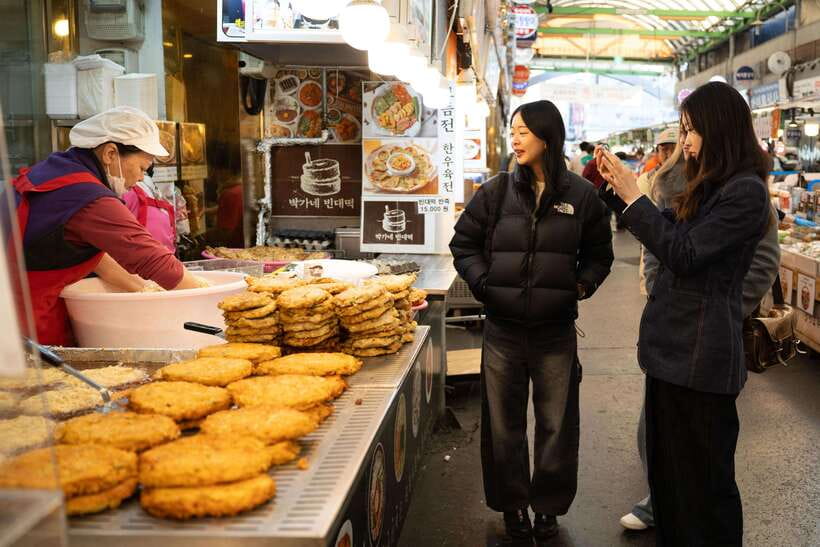
Your meeting point is Jongno 5-ga Station Exit 8. That makes the subway a practical way to reach the tour, though the supplied details do not provide a more precise street-side landmark beyond the station exit and a starting location labeled 407.
Plan to arrive with enough time to find Exit 8 without rushing. This is a walking and eating tour, not a sit-down meal, so wearing comfortable shoes will help. You will spend the full two hours moving through the market rather than settling into one restaurant.
The group size is capped at 10 people. That is small enough for the guide to keep the group together among the stalls and for you to ask about unfamiliar foods. It also means the experience depends on the guide’s pace and the group’s willingness to share the food stops.
More eating your way around Seoul:
- Seoul: Gyeongbok Palace, Bukchon Village, and Gwangjang Tour
★ 4.9 · 2,321 reviews - Seoul Street Food Market Tour
★ 5.0 · 1,226 reviews - Seoul: Gyeongbok Palace, Bukchon Village, and Gwangjang Tour
★ 5.0 · 1,044 reviews
Gwangjang Market, one stall at a time
The heart of the experience is Gwangjang Market. Instead of giving you a long formal lecture, the guide connects the setting, the food, and modern Korea as you walk.
Market tours work best when you want help making choices. A traditional market can be exciting, but it can also feel like a maze of signs, aromas, and unfamiliar dishes. Here, you can focus on tasting while the guide handles the explanations and points out what to try.
The route includes several classic Korean street foods. You should expect the menu to change when market conditions require it, so treat the list as a strong guide rather than a locked promise. The exact order is not provided, and the tour description does not name each stall.
That flexibility is normal for a market experience. Availability, stall activity, and portion sizes can affect what appears on the table. If a particular dish is important to you, ask the guide early, but do not book this expecting a fixed restaurant menu.
What you will eat during the two hours
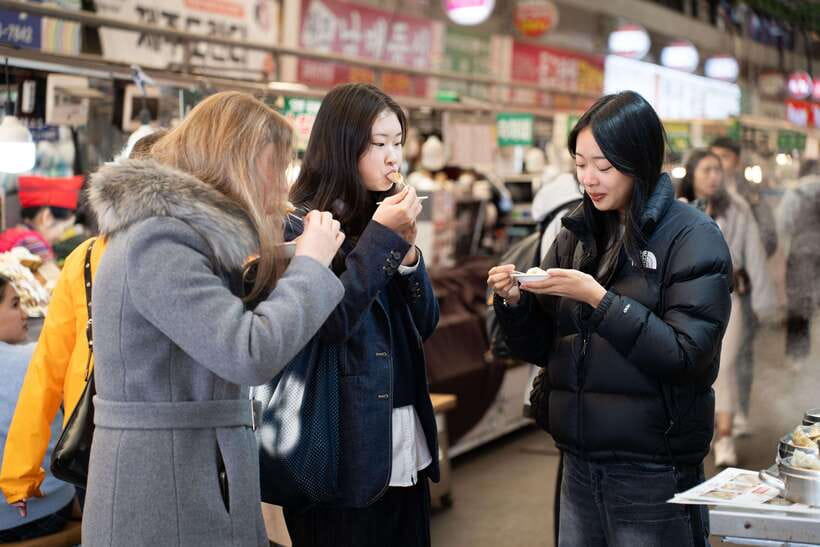
The food list is broad enough to give you a useful first taste of Korean market cooking. It includes savory snacks, rice-based foods, fried or grilled items, and sweet treats.
Dumpling and meatball: These are familiar entry points if you are cautious about new food. The guide can explain the dish and help you compare textures and seasoning with foods you already know.
Korean hotdog: This is a street-food favorite rather than a plain Western-style hotdog. The name can cover several Korean variations, and the exact version may depend on the stall and the day.
Rice roll: Rice rolls give the tasting a more filling, substantial element. They are useful for understanding how rice works as an everyday part of Korean food, not just as a side dish.
Spicy rice cake: Often known by the Korean name tteokbokki, this is one of the key dishes on the route. Expect a chewy rice cake with a spicy sauce. If you are sensitive to heat, ask about the level before taking a large bite.
Fish cake: This is a common market snack with a soft, savory texture. It may be less familiar to first-time visitors, making the guide’s explanation useful.
Sweet Korean pancake: The sweet pancake provides a welcome change after the savory samples. It helps keep the tasting from becoming one long run of spicy or salty food.
Fish-shaped bun: The final sweet item has a distinctive shape and makes a fun contrast to the earlier dishes. The tour details do not specify the filling, so ask the guide before you bite if you need to know.
Water is included. That matters on a food walk with spicy dishes and several stops, though you may want to carry any other drink you prefer.
Why the food matters beyond the plate
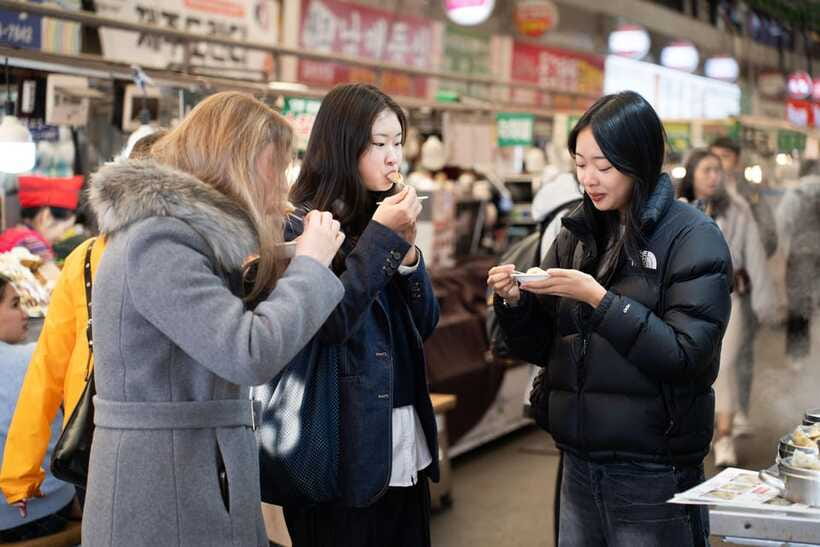
The food is the easy part of the tour. The more unusual feature is the conversation around it.
Your guide discusses Korean culture and the stories behind Seoul’s sights, while also explaining the food itself. That combination gives you more context than a simple list of tastings. You are not just learning what a dish is called. You are hearing how food fits into a modern Korean city.
The experience is not presented as a formal historical tour. That distinction is important. You should expect history and cultural context in conversation, but not a chronological lecture with monuments, dates, and a specialist route.
The most distinctive topic is the division of the Korean peninsula. South Korea’s relationship with North Korea is part of everyday national life, yet it can be difficult for a visitor to understand through sightseeing alone. A guide with personal experience as a member of the reserve forces can offer a direct perspective on military service and the practical realities of living in South Korea.
That does not make the tour a political briefing. It makes the food walk more grounded in present-day Korea. You can ask questions, listen to the guide’s viewpoint, and gain context that a standard market visit may not provide.
A few more things to do in Seoul worth a look
- Seoul: Night Market Food Tour with Local Guide
★ 4.9 · 943 reviews - Downtown Seoul Guided Food & Market Tour with 8+ Local Tastings
★ 5.0 · 580 reviews - Seoul Night Palace & Market Food Tour with Vehicle
★ 5.0 · 275 reviews - Seoul Fun Food Tour: 12 different food tastings
★ 5.0 · 266 reviews
Taeseong and the value of a good guide
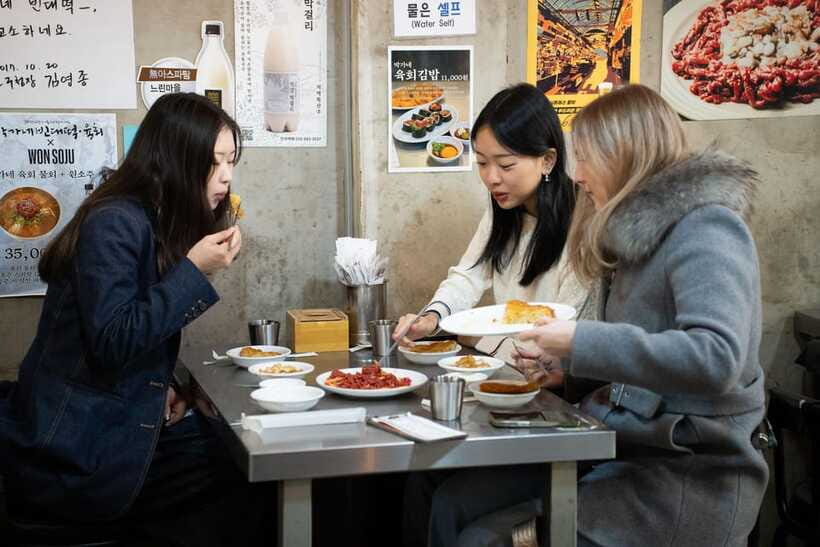
Some booking information identifies the guide as Taeseong, though the guide assigned to your date is not guaranteed in the details provided. If Taeseong leads your group, you can expect an enthusiastic and sociable style, with clear explanations of dishes and everyday life in South Korea.
The guide is the main reason this tour costs more than simply eating at Gwangjang Market on your own. You are paying for translation, food selection, pacing, and conversation. You are also paying for the chance to ask questions in English rather than trying to work out every dish from a sign or a picture.
The strongest praise centers on the guide’s explanations, English, food knowledge, and willingness to talk. That is important because a market food tour can be uneven if the leader only points at dishes and says their names. Here, the intended experience is more conversational.
Still, I would judge the value according to your interests. If you want the cheapest way to eat at Gwangjang Market, $100 is not the best deal. If you want a hosted introduction to Korean food with modern cultural discussion, the price becomes easier to justify.
The portion problem is real
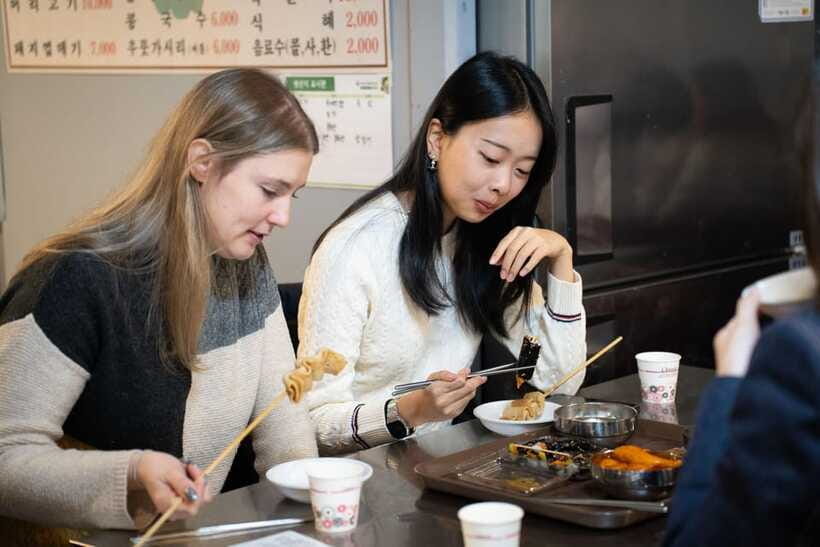
The main practical warning is the amount of food. The list includes eight different items plus water, and the portions can be large. If you arrive after a full breakfast, you may have trouble trying everything.
I would keep your earlier meal very small, or skip it if you normally handle a morning food tour well. Do not force yourself to finish every portion. The point is to sample and learn, not to turn the outing into an eating contest.
This also affects the tour’s suitability for children or anyone with a small appetite. The menu may change, and the description does not provide vegetarian, vegan, allergy, or gluten-free arrangements. If you have dietary restrictions, ask the provider before booking rather than assuming substitutions are available.
Spice is another point to consider. Spicy rice cake is included, but the information does not state how hot the serving will be. You can ask the guide about spice levels and portion size when you reach that stop.
Is two hours enough?
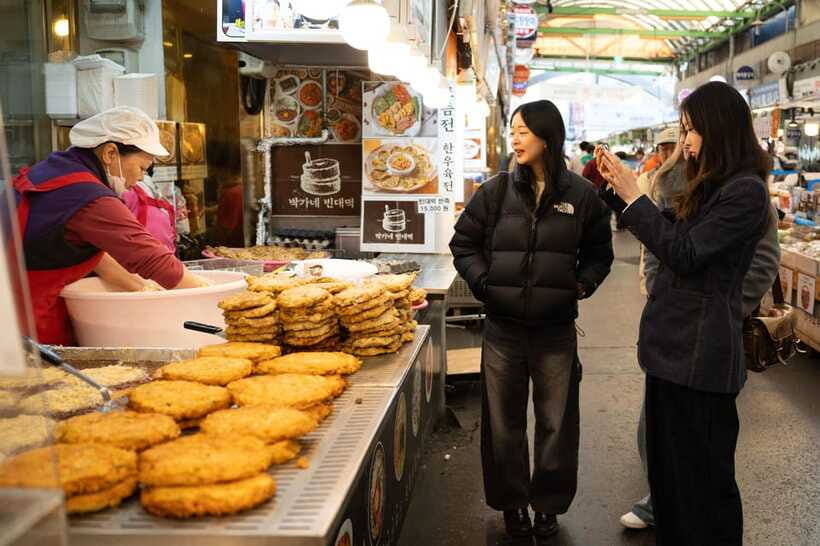
Two hours is a good length for a first visit to Gwangjang Market. You get enough time to taste a range of foods and talk with the guide without committing half a day to one neighborhood.
The short format also keeps the focus sharp. This is not a full Seoul sightseeing program, and it does not try to cover every part of the market. You will not come away with a complete tour of Korean cuisine, but you should leave with a practical list of foods to recognize and order later.
The pace may feel quick if you want to linger at each stall, take many photographs, or eat every portion slowly. The group must keep moving, and market crowds can affect the timing. If you prefer a relaxed meal with long pauses, a private restaurant experience may suit you better.
For most visitors, the compact schedule is useful. You can fit the tour into a morning or afternoon and still have the rest of the day for palaces, museums, or other Seoul neighborhoods.
Who will enjoy this market tour most?
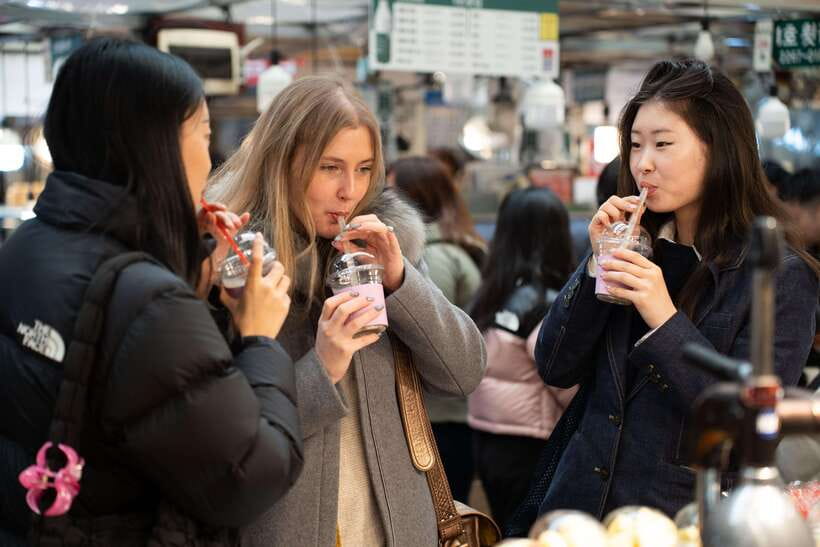
I would recommend this experience to you if you:
- Want to try several Korean street foods in one sitting
- Prefer a guide to explain unfamiliar dishes
- Enjoy asking questions about modern Korean life
- Are interested in the peninsula’s division and South Korea’s military experience
- Like small groups rather than large guided crowds
- Have a flexible attitude toward the exact food menu
It is especially useful early in a Seoul visit. The guide can give you food names and cultural context that make later market visits less intimidating.
You may want to skip it if you already know Gwangjang Market well, dislike eating several large portions, or only want a formal history tour. The warning that this is not a historical tour should be taken seriously. Cultural and historical topics are part of the discussion, but the food remains the center of the outing.
Booking details worth knowing
The tour costs $100 per person and lasts two hours. The group is limited to 10 participants, and the live guide speaks English.
You can cancel up to 24 hours before the start time for a full refund. You can also reserve now and pay later, which is useful if your Seoul plans are still shifting. Starting times vary, so check availability for your date.
The provider is listed as 전T. The meeting point is Jongno 5-ga Station Exit 8, with Gwangjang Market as the tour location.
Because the food menu can change with circumstances, book this for the overall experience rather than one guaranteed item. The guide, market setting, and cultural conversation are the dependable reasons to go.
Should you book it?
Book this tour if you want more than a snack stop and value a guide who can connect Korean food with daily life, military service, and the divided peninsula. The small group, English-language format, and wide tasting list make it a convenient introduction to Gwangjang Market.
I would hesitate only if $100 feels high for two hours or if you have dietary restrictions that require a confirmed menu. Go hungry, keep your expectations flexible, and arrive ready for a conversation as well as a meal. For a first-time visitor who wants food with context, this is a strong choice.
FAQ
Where does the tour meet?
The meeting point is Jongno 5-ga Station Exit 8.
Where does the food tour take place?
The guided food tour takes place at Gwangjang Market in South Korea.
How long does the experience last?
The tour lasts two hours.
What language does the guide speak?
The live tour guide speaks English.
How many people can join the group?
The group is limited to 10 participants.
What foods are included?
The listed foods are dumpling, meatball, Korean hotdog, rice roll, spicy rice cake, fish cake, sweet Korean pancake, and fish-shaped bun. Water is also included.
Will the exact menu stay the same?
Not necessarily. Menu items may change depending on circumstances at the market.
Is this a formal historical tour?
No. The experience includes discussion of Korean culture, Seoul’s sights, modern history, the peninsula’s division, and military life, but it is not presented as a historical tour.
Does the guide discuss military service?
Yes. The guide discusses perspectives on Korea’s military, drawing from personal experience as a member of the reserve forces.
Can I cancel for a full refund?
Yes. You can cancel up to 24 hours in advance for a full refund.
Do I have to pay when I reserve?
No. The reserve now and pay later option lets you book without paying immediately.
More Shopping Tours in Seoul
- Private DMZ Tour (No Shopping): 3rd Tunnel & Suspension Bridge
★ 5.0 · 607 reviews - Seoul: Nighttime Tour of Palace, Market, Naksan Park & More
★ 4.9 · 143 reviews - Fortress Night Hike & Snack at a Local Market
★ 5.0 · 112 reviews - Korean Cooking Class with Grocery Shopping at Seoul Local Market
★ 5.0 · 107 reviews
More Market Tours in Seoul
- Local Home Korean Cooking Class & Market Adventure in Seoul
★ 5.0 · 1,024 reviews - Seoul: Korean Cooking Class at a Local Home and Market Tour
★ 5.0 · 348 reviews - Cook 3 Authentic Korean Dishes with Local Market Tour
★ 5.0 · 231 reviews - Korean Palace and Market Tour in Seoul Including Insadong and Gyeongbokgung Palace
★ 4.0 · 174 reviews
Just added in Seoul
- Suwon: Baseball Game with Fortress and Local Food Tour★ 5.0 · 3 reviews
- Seoul: War Memorial of Korea Private Guided Museum Tour★ 4.9 · 29 reviews
- Seoul: Wine & Korean BBQ, Perfect Pairing Dinner in Sinchon★ 5.0 · 6 reviews
- Seoul : Your Personal Photographer in Gyeongbokung★ 5.0 · 7 reviews
- Seoul : Efoil Experience in Han River★ 5.0 · 5 reviews
- Seoul: Vivaldi Park Winter Ski with Eobi Ice Valley Day Tour★ 4.6 · 16 reviews
- Seoul: Vivaldi Park Winter Ski with Nami Island Day Tour★ 5.0 · 4 reviews
- Seoul: SnowyLand in Vivaldi Park with Nami or Alpaca★ 4.8 · 11 reviews
Korean Food & Street Food Tours, compared.
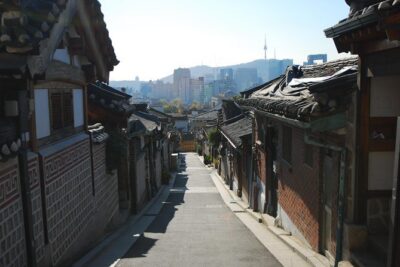
Gyeongbok Palace, Bukchon Village, and Gwangjang Tour
Read our review →
Seoul Night Palace & Market Food Tour with Vehicle
Read our review →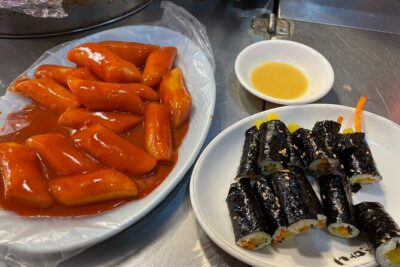
Seoul Fun Food Tour: 12 different food tastings
Read our review →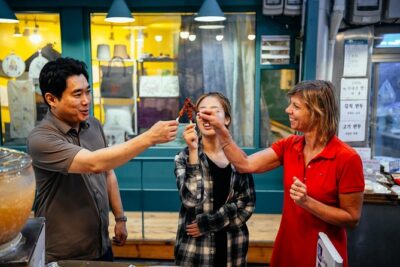
The Award-Winning PRIVATE Food Tour of Seoul: The 10 Tastings
Read our review →
Seoul Night Tour (Gwangjang Market, Royal Palace and Naksan Park)
Read our review →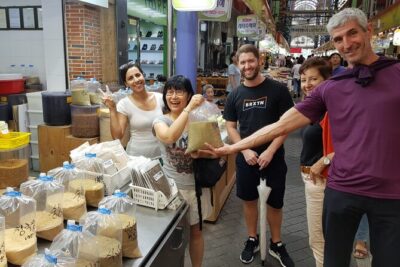
Busan history and market food tour with local chef
Read our review →Browse the lists this tour appears in