
Reviewed · COOKING CLASSES
Korean Cooking Class Full Meal with BBQ on an All in One Table
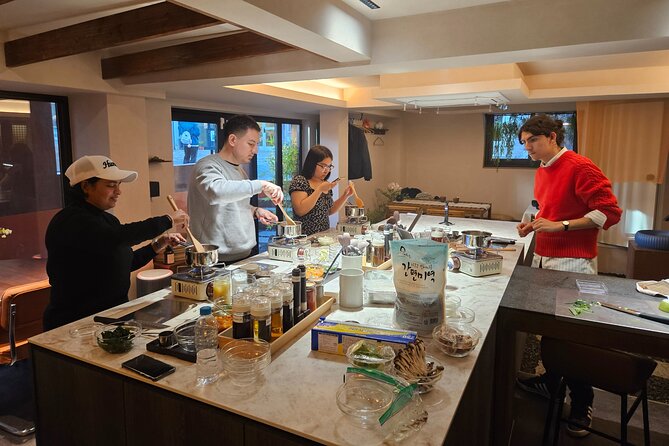
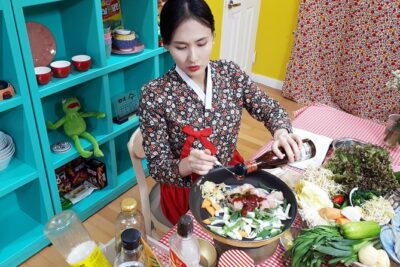
Korean meals are built for sharing, but this class lets you make nearly every part of the table yourself. In a calm, Hanok-inspired kitchen, you’ll prepare four banchan, bibimbap, soup or stew, a main dish, and dessert before sitting down to eat.
I like the small maximum of eight people, which gives the class a more personal feel, and I like that the chef uses seasonal vegetables and fermented pastes such as doenjang and gochujang. The main drawback is simple: this is a cooking class, not a market visit or food tour, so it may feel too hands-on for anyone hoping to spend the afternoon sampling prepared food.
Key points to know before booking
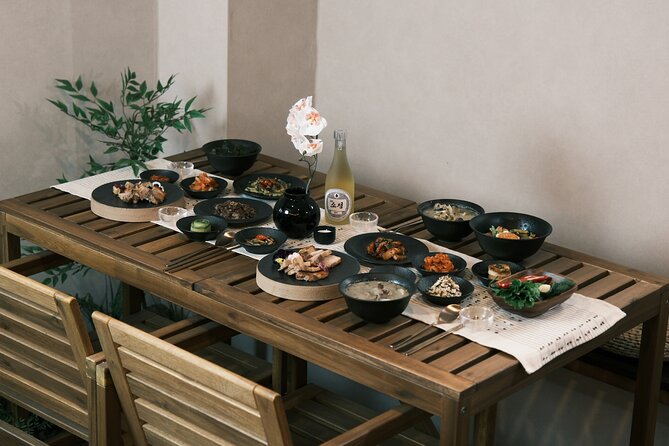
- You cook a full Korean table: Make four side dishes, bibimbap, a main dish, soup or stew, and a dessert.
- The chef handles the BBQ: Pork belly is grilled and served by the chef while you work on the other dishes.
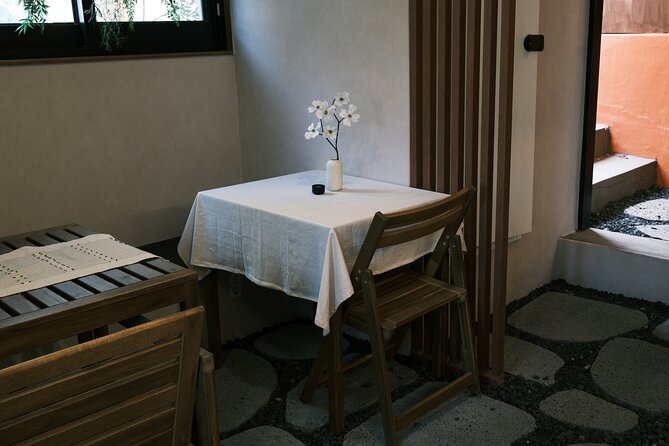
- The setting has Hanok character: The kitchen includes traditional design touches, including a lava and slate walkway mentioned by chef Woody’s past participants.
- You choose part of the menu: Your taste helps determine the main dish and soup or stew you prepare.
- The meal follows Korean dining style: Side dishes, soup, and the main dish are served together rather than in separate Western-style courses.
- The class stays small: A maximum of eight people makes it easier to follow instructions and get help.
What makes this Seoul cooking class different
Many cooking classes teach one famous dish and call it a day. This one takes a wider view. You prepare the parts of a Korean meal that normally arrive together at the table, from small vegetable dishes to a bowl of soup, a main dish, and a carefully arranged serving of bibimbap.
That difference matters. Korean food is not only about a recipe. It is also about balance, color, texture, fermentation, and the way several dishes share the table. You get a clearer sense of that system here because you are not simply making a single dish and leaving. You are building an entire meal.
The experience takes place at Soop Table: The Hansik Atelier in Mapo-gu, at 34 Donggyo-ro 46-gil. The studio is inspired by traditional Hanok architecture rather than designed like a standard classroom. That gives the three-hour session a calmer, more considered setting.
The space itself is part of the experience. A lava and slate walkway adds an unusual detail before you even start cooking. You should not expect a grand historic house, but the design helps connect the class to Korean materials and traditional forms.
More Cooking Classes in Seoul
- Local Home Korean Cooking Class & Market Adventure in Seoul
★ 5.0 · 1,024 reviews - Master Korean traditional cooking with a Kimchi chef
★ 5.0 · 385 reviews - Seoul: Korean Cooking Class at a Local Home and Market Tour
★ 5.0 · 348 reviews
The first cup of tea sets the pace
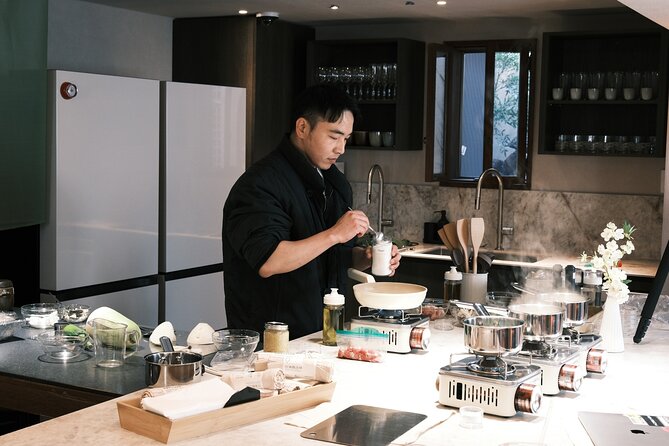
The class begins with a seasonal Korean welcome tea. This is a small start, but it gives the session a clear rhythm. Instead of rushing straight to chopping boards and instructions, you have a moment to settle in and hear about the ingredients ahead.
Seasonality matters here. The menu uses fresh vegetables and traditional Korean pastes, including doenjang and gochujang. Some of those pastes come from the chef’s hometown, adding a personal link to the food rather than treating Korean ingredients as anonymous items from a supermarket shelf.
You will learn how sauces and ingredients connect to nature and the season. The class does not appear to focus on advanced culinary technique. Its value is more practical: you learn how familiar ingredients work together and how a Korean meal gains depth from fermented flavors, fresh vegetables, soup, and side dishes.
If you have never used doenjang or gochujang, pay close attention at this stage. These pastes do much of the flavor work in Korean cooking, but they are not interchangeable. The class is a useful place to understand their role in a finished meal.
Four banchan give you a taste of everyday Korean cooking
The first major cooking section covers four kinds of Korean side dishes. These small plates, known as banchan, are not merely decoration. They provide contrast across the table, with different colors, textures, and levels of seasoning.
Making four banchan also helps explain why a Korean meal can feel generous without relying on one oversized main course. You are preparing several modest dishes that work together. The vegetables change with the season, so the exact experience can reflect what is available rather than following a fixed set of ingredients all year.
This part requires attention. Four side dishes mean more tasks than a one-recipe class, and you will need to keep track of several preparations. The benefit is that you finish with a better idea of how Korean home cooking is organized.
The class is designed so that you cook each dish yourself. That is important if you want practical skills to take home. You are not watching the chef perform while you stir one pot at the end. You take part in preparing the meal from the start.
The smaller group size helps here. With no more than eight people, it should be easier to follow the chef’s demonstrations and ask for help when a step is unclear. Chef Woody’s instructions have been described as easy to follow, which is reassuring for anyone who does not usually cook Korean food.
Choose your main dish and soup or stew
The menu includes one main dish and one soup or stew, with the choice based on your taste. That flexibility is a useful touch. Some people want a gentler introduction to Korean flavors, while others will be keen to try something stronger and more traditional.
The supplied details do not name the exact choices, so you should confirm the options when you book or when the chef contacts you. Chef Woody has reached out before the class to confirm dinner choices and timing, which suggests that the menu planning is handled personally rather than left until the last minute.
Soup or stew gives the table another layer. Korean dining often pairs solid food with a warm liquid dish, and this class lets you see how that fits with banchan and a main course. The important lesson is not just how to cook the soup, but how it functions as part of the whole meal.
This is one of the class’s strongest features for a first-time visitor. You learn that Korean food is not a string of separate courses. It arrives as a complete table, with several dishes ready to eat together.
Other classes where you cook in Seoul:
- Seoul: Korean Cooking at Seoul Cooking Club!
★ 5.0 · 311 reviews - Korean Cooking at Seoul Cooking Club
★ 5.0 · 220 reviews - Korean Cooking Class with Grocery Shopping at Seoul Local Market
★ 5.0 · 107 reviews - Korean Kimchi Making Day Experience with a Local Market Tour
★ 5.0 · 99 reviews
Plating bibimbap turns lunch into a visual lesson
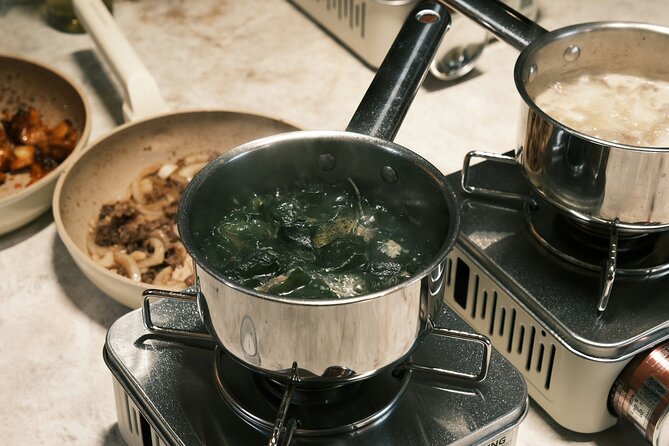
You also prepare and plate your own bibimbap. This is where presentation gets special attention. The class allows you to arrange your dish in your own style, so the final bowl is not just a meal. It is a lesson in color and balance.
Bibimbap is a good choice for teaching presentation because its ingredients are usually arranged so each part can be seen before everything is mixed. The visual arrangement matters, even though the dish will eventually be combined for eating.
I like this feature because it gives you a clear result to work toward. You can see how separate vegetables and other ingredients become one finished bowl. It also helps you understand why Korean food often looks so carefully placed, even when the meal itself is relaxed and communal.
Do not expect a professional food-styling workshop. The point is to make a beautiful bowl using the food you prepared, not to create a restaurant photograph. Still, the attention to plating adds something many basic cooking classes leave out.
Pork belly BBQ is the one dish you do not cook
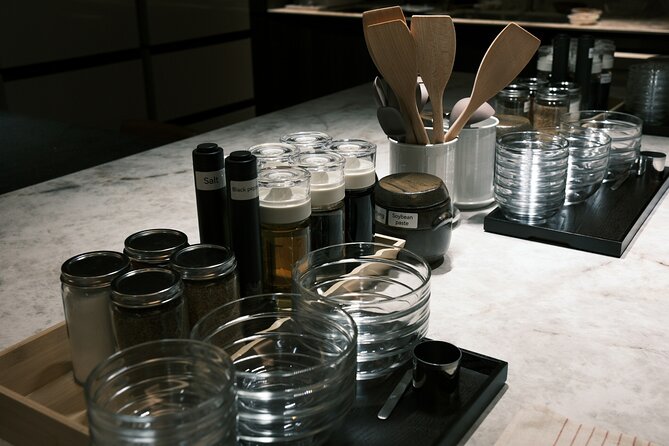
During the meal, the chef serves grilled pork belly BBQ. This is the only part of the menu prepared for you rather than by you. That division makes sense. BBQ is often best served hot and at the right moment, and the chef can focus on cooking it while you finish the rest of the table.
The pork belly adds a rich, savory center to a meal otherwise built around vegetables, fermented pastes, soup, and side dishes. It also gives you a taste of the social side of Korean dining, where grilled meat is shared at the table.
You should understand the format before booking. If you want to grill your own meat, this class may not meet that particular goal. If you prefer to focus on cooking the broader meal while someone else handles the BBQ, it is a practical arrangement.
The chef also serves a taste of traditional liquor during the meal. This is a small cultural detail, not a separate tasting session. Since alcohol is included, tell the host in advance if you do not drink or would prefer to skip it.
Dessert closes the meal with another hands-on task
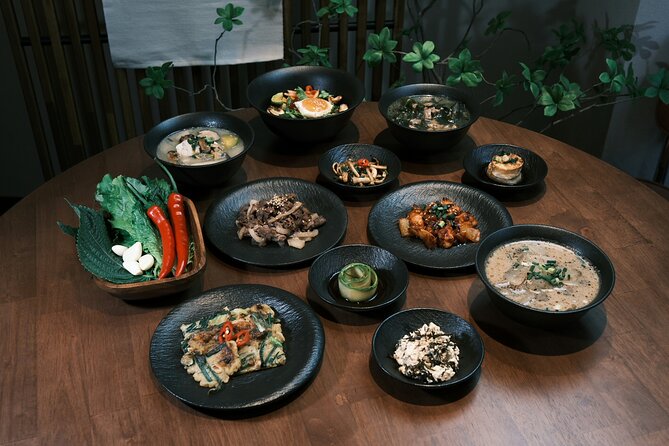
After eating, you make a popular Korean dessert together. The exact dessert is not specified, so the surprise remains part of the experience. What is clear is that the class does not end as soon as the savory dishes hit the table.
This final shared activity keeps the atmosphere social and gives the three hours a proper finish. You have cooked the meal, eaten it together, and then made one more item instead of simply walking away after the main course.
For many people, dessert will be less important than the banchan and bibimbap. Still, it rounds out the meal and shows that Korean cooking extends beyond savory dishes. It also gives you another chance to work alongside the chef and the small group.
A calm alternative to a Seoul food tour
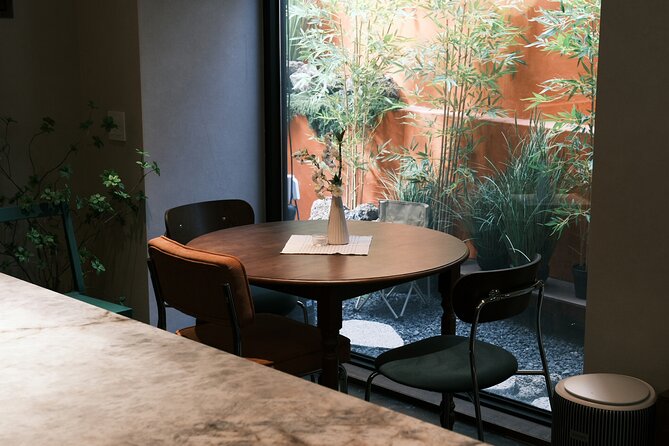
This experience does not include a commercial market visit. That is not an omission to overlook. It is a deliberate choice to spend the available time cooking.
If you want to walk through a market, compare street food, and eat small portions from several stalls, choose a separate food tour. The host can share suggestions for trusted local markets, but visiting one is not part of this activity.
I see the decision as a fair trade. A three-hour class that includes four banchan, bibimbap, soup or stew, a main dish, BBQ, liquor, and dessert already has a full schedule. Adding a market stop would likely reduce the time available for hands-on work.
The tradeoff is especially important if you are comparing several Seoul food experiences. This is not a sightseeing activity with cooking added on. It is a focused food lesson in a studio, with the meal as the main event.
How the three hours are likely to feel
The class lasts about three hours, and the schedule is built around cooking and eating rather than moving between locations. You meet at Soop Table and finish at the same place, so there is no need to plan transport between stops.
The session should feel active but not rushed. You start with tea, move through the side dishes and selected main and soup or stew, plate bibimbap, eat the meal with chef-served BBQ and traditional liquor, and finish with dessert.
Because the exact menu can vary by season and taste, the timing of each task may change. A class with several dishes naturally involves more preparation than a short dumpling or noodle lesson. Come ready to work with your hands and pay attention to instructions.
The studio is near public transportation in Seoul’s Mapo-gu. Use the full address, 34 Donggyo-ro 46-gil, when planning your route, and allow enough time to arrive without hurrying. The mobile ticket makes entry simple, but you still need to check the meeting location carefully.
Is $89 a fair price?
At $89 per person, this is not the cheapest way to eat Korean food in Seoul. You can spend far less on a restaurant meal, market snacks, or a single cooking demonstration.
The value comes from the scope. You are paying for about three hours of instruction, the use of a cooking studio, ingredients for a full meal, four banchan, bibimbap, a main dish, soup or stew, chef-served pork belly BBQ, traditional liquor, and dessert. You also get the cultural context that ties these dishes together.
The price makes the most sense if you want to learn rather than simply eat. If you plan to cook Korean food at home, the chance to work with doenjang, gochujang, seasonal vegetables, and Korean meal structure may justify the cost.
It is also a better value for couples, families with older children, or small groups who enjoy doing an activity together. Someone who dislikes cooking may find the price harder to defend, since much of the experience involves preparation rather than being served.
Who should book this experience?
I would point this class toward you if you want a direct connection to Korean food and do not mind spending a substantial part of your day in a kitchen. It suits curious home cooks, food-focused visitors, and anyone who wants more than a restaurant meal.
It is also a good fit if you care about presentation. The bibimbap plating and full-table arrangement give the class a visual side, not just a list of recipes.
The small group limit is helpful for beginners. You should have more room to ask questions than in a large demonstration class, and chef Woody’s personal contact before the session can help clarify timing and food choices.
I would choose something else if your main goal is street food, market browsing, or a quick introduction to one Korean dish. This class asks for three hours and active participation. It rewards that commitment, but it is not designed for a casual drop-in meal.
Booking, weather, and cancellation details
You receive confirmation when you book, and the activity ends back at the starting point. It is near public transportation, and the maximum group size is eight.
Free cancellation is available if you cancel at least 24 hours before the local start time. Cancellations or changes made within 24 hours are not refunded or accepted.
The experience requires good weather and a minimum number of participants. If poor weather or low enrollment causes cancellation, you can choose another date or experience, or receive a full refund. That policy is worth noting even though the activity takes place indoors, since the operator lists weather as a condition.
Should you book Soop Table’s Korean cooking class?
Book it if you want to understand how a Korean meal is assembled, not just taste one dish. The combination of four banchan, bibimbap, soup or stew, a chosen main dish, BBQ, liquor, and dessert gives you a broad look at Korean dining in one sitting.
The strongest reasons to choose it are the hands-on format, the small group size, the Hanok-inspired studio, and the attention to seasonal vegetables and fermented pastes. The main caution is that you will spend the full session cooking, and the class does not include a market tour.
At $89, I consider it a worthwhile splurge for food-focused visitors who will use what they learn after returning home. If you want an easy meal with little effort, spend the money at a restaurant instead. If you want to make the meal, arrange the table, and understand why Korean food is served all at once, this class earns its place in a Seoul itinerary.
FAQ
Where does the Korean cooking class take place?
The class takes place at Soop Table: The Hansik Atelier, at South Korea, Seoul, Mapo-gu, Donggyo-ro 46-gil, 34 1층.
How long does the experience last?
The activity lasts approximately three hours.
What do I make during the class?
You make four Korean side dishes, bibimbap, one main dish, one soup or stew, and a popular Korean dessert.
Do I cook the BBQ myself?
No. The chef serves grilled pork belly BBQ during the meal. You prepare the other dishes yourself.
Can I choose part of the menu?
Yes. You choose one main dish and one soup or stew based on your taste.
Is the class a food tour or market tour?
No. It is a cooking class focused on preparing and enjoying a full Korean meal. The host can suggest trusted local markets, but market visits are not included.
How many people can join the class?
The activity has a maximum of eight participants.
Is public transportation available nearby?
Yes. The meeting point is near public transportation.
What is the cancellation policy?
You can cancel at least 24 hours before the local start time for a full refund. Cancellations or changes made less than 24 hours before the start are not refunded or accepted. If the activity is canceled because of poor weather or insufficient enrollment, you can choose another date or experience, or receive a full refund.
More Workshops & Classes in Seoul
- Yongpyong Ski Resort from Seoul with Optional Lesson and Packages
★ 5.0 · 217 reviews - Royal Seoul Cooking Class in a 100-Year-Old Hanok
★ 5.0 · 81 reviews - Seoul : Taste of Korea, Authentic Home-Style Cooking Class
★ 5.0 · 64 reviews - K-pop Dance Class in Seoul (Incl. video shooting & editing)
★ 5.0 · 52 reviews
Just added in Seoul
- Your Personal Seoul Photographer!★ 4.1 · 15 reviews
- You’re Invited to Our Home in Seoul: The Only Cooking Class!★ 5.0 · 8 reviews
- From Seoul: Yongpyong Ski Day Tour with Transportation★ 4.9 · 40 reviews
- Seoul: Korean & English Language Exchange Global Party★ 5.0 · 28 reviews
- From Seoul: Hwacheon Ice Fishing and Lighting Festival Tour★ 4.5 · 4 reviews
- Unique Native Experience : Han River Picnic, Board game, BBQ★ 5.0 · 3 reviews
- Seoul: Gangneung BTS K-Pop & K-Drama Filming Locations Tour★ 4.6 · 14 reviews
- K-Pop Making Class with a Producer!★ 5.0 · 3 reviews
Cooking Classes, compared.
Local Home Korean Cooking Class & Market Adventure in Seoul
Read our review →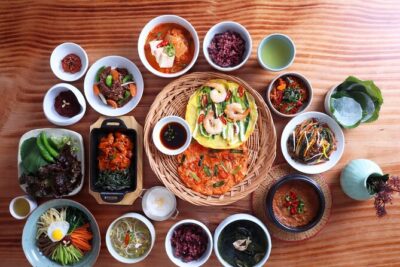
Master Korean traditional cooking with a Kimchi chef
Read our review →
Korean Cooking Class at a Local Home and Market Tour
Read our review →
Korean Cooking Class with Grocery Shopping at Seoul Local Market
Read our review →
Korean Kimchi Making Day Experience with a Local Market Tour
Read our review →
Royal Seoul Cooking Class in a 100-Year-Old Hanok
Read our review →Browse the lists this tour appears in