
Reviewed · COOKING CLASSES
Seoul : Taste of Korea, Authentic Home-Style Cooking Class
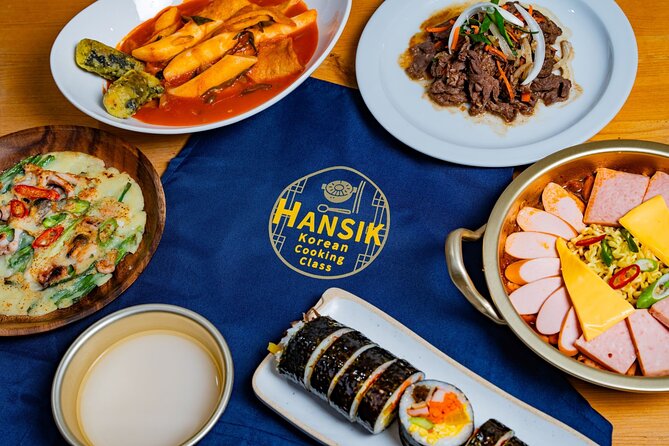
The best part of this Seoul cooking class is that you do not simply watch a chef prepare Korean food. You make four familiar home-style dishes yourself, from rolling gimbap to seasoning budae jjigae, then sit down to eat the results. Jennifer leads the class with help from her team, adding food history and a little Korean language along the way.
I like the hands-on format and the generous meal that follows. You also get Korean tea, snacks, side dishes, sikhye, dessert, and makgeolli for adults, with leftovers often packed for later. The main consideration is the sheer amount of food. Arrive hungry, and do not plan a large meal before class.
Key points to know before booking
- Four Korean dishes in about three hours: You prepare gimbap, tteokbokki, haemulpajeon, and budae jjigae from start to finish.
- Jennifer teaches rather than simply demonstrates: She explains techniques, dishes, food traditions, and some Korean language while giving you room to work.
- A full meal is included: Expect snacks, tea, side dishes, sikhye, dessert, and makgeolli for those aged 21 and over.
- Dietary needs can be discussed: Alternative recipes and adjustments are offered for some dietary restrictions and preferences.
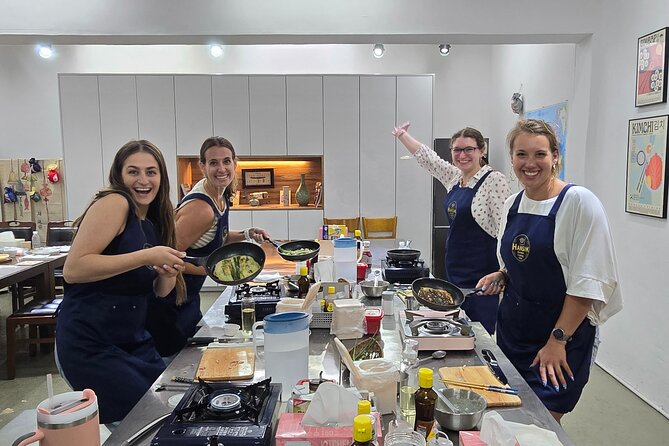
- Small group setting: The class has a maximum of 10 people, with dedicated cooking stations in a clean teaching kitchen.
- Useful for families: Children aged 10 and 12 have taken part successfully, with the instructor adjusting help to suit their skill levels.
What this Seoul cooking class is really about
Hansik means Korean food, but the class aims to show more than a list of recipes. It gives you a practical look at the food Koreans cook and share at home, using dishes that range from quick street food to a hearty one-pot stew.
You meet at 31-5 Jahamun-ro in Seoul’s Jongno District, a central area with public transportation nearby. The cooking session lasts about three hours and ends where it begins, so you do not need to arrange a separate ride from a distant restaurant or dining room.
The setting is a dedicated teaching kitchen rather than a private home. That matters in a good way: each person has a place to work, the preparation is organized, and the kitchen is described as clean and hygienic. With no more than 10 people, Jennifer and her team can move around the room and help when a technique needs correcting.
The class is offered in morning and evening sessions. A morning booking can leave the rest of your day free for palaces, markets, or museums. The evening option works well after sightseeing, though you should leave room in your schedule for a long, filling meal afterward.
More Cooking Classes in Seoul
- Local Home Korean Cooking Class & Market Adventure in Seoul
★ 5.0 · 1,024 reviews - Master Korean traditional cooking with a Kimchi chef
★ 5.0 · 385 reviews - Seoul: Korean Cooking Class at a Local Home and Market Tour
★ 5.0 · 348 reviews
Gimbap, tteokbokki, haemulpajeon, and budae jjigae
The menu gives you a useful cross-section of Korean cooking.
Gimbap is a rice roll wrapped in seaweed and filled with prepared ingredients. The rolling stage is one of the more practical skills to take home, since neat slicing and a firm roll require a little care. This is not just food to taste at a restaurant. You learn how the pieces come together and how to assemble the roll yourself.
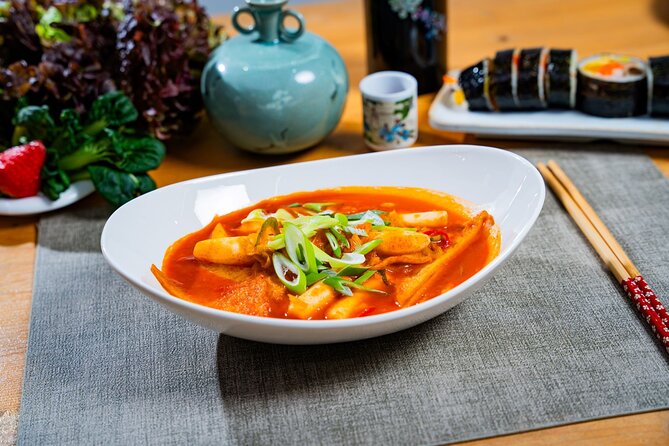
Tteokbokki uses chewy rice cakes with gochujang, the red chili paste that gives the dish its familiar heat and color. The dish is often associated with casual Korean street food, but preparing it in class helps you understand the sauce rather than treating it as a mystery ordered from a menu.
Haemulpajeon is a seafood and green onion pancake. You get a different cooking lesson here, working with a batter, seafood, and a hot pan. Pancakes can be simple in concept but tricky in practice, especially when you want a crisp outside without losing the soft center.
Budae jjigae, or Korean army stew, brings the four dishes together with something warm and substantial. The class presents it as a home-style dish, and its generous portion helps explain why the meal can leave you completely full.
Jennifer takes you through the recipes step by step. You are not expected to know Korean cooking techniques in advance, and the pace is designed to let you keep up while preparing several dishes. The class also includes explanations of the food and its cultural background, so the cooking has context without turning into a formal lecture.
A teacher who keeps the class personal
Jennifer is central to the experience. Her teaching style comes across as friendly, patient, and talkative, with time for questions and one-to-one help. She lets you try techniques yourself, including the occasional mistake, while stepping in when you need a correction.
That balance is important. A cooking class can become frustrating if the instructor takes over every task. Here, you get the chance to cut, mix, roll, stir, and cook rather than watching the entire meal appear in front of you.
Jennifer is also joined by Ms. Lee or other team members, depending on the session. The class has been described as well organized from the opening setup through the final meal, with ingredients, drinks, and snacks ready to go.
You also receive the recipes digitally afterward. That is a small but useful feature. Korean ingredients can seem easy to recognize in Seoul and much harder to remember once you are back home, so written instructions give you a better chance of repeating the dishes.
The meal is bigger than a tasting
Do not book this expecting four tiny sample plates. The portions are generous, and the food prepared during the class becomes a substantial meal.
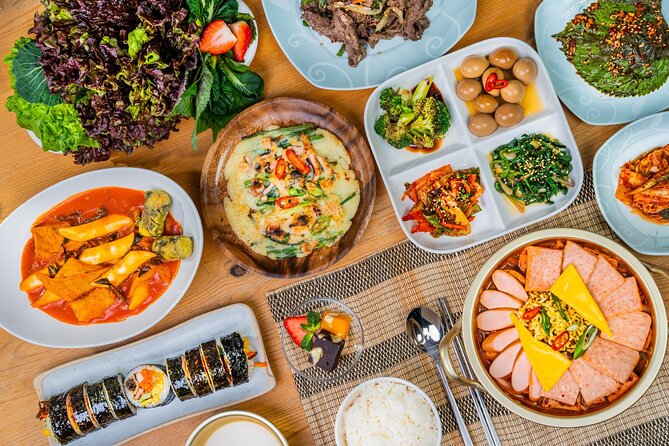
Alongside the four main dishes, you are served Korean tea, snacks, side dishes, sikhye, makgeolli, and dessert. Sikhye is a sweet Korean rice punch, while makgeolli is a traditional Korean rice wine. Alcohol is served only to people aged 21 and over. Younger participants receive non-alcoholic drinks.
The food is served after the cooking work, giving you time to sit down and eat together. This shared meal is one of the strongest parts of the class because it turns a lesson into a social Korean dining experience. You can see how the dishes fit together instead of tasting each item in isolation.
Several people have found the portions large enough to take leftovers away. That can be useful if you are staying in Seoul for a few days, though you should check how you will store them before counting on a second meal. The practical advice is simple: eat lightly beforehand.
Other classes where you cook in Seoul:
- Seoul: Korean Cooking at Seoul Cooking Club!
★ 5.0 · 311 reviews - Korean Cooking at Seoul Cooking Club
★ 5.0 · 220 reviews - Korean Cooking Class with Grocery Shopping at Seoul Local Market
★ 5.0 · 107 reviews - Korean Kimchi Making Day Experience with a Local Market Tour
★ 5.0 · 99 reviews
A good choice for families and mixed skill levels
The class can suit a family better than a formal restaurant meal. Children aged 10 and 12 have taken part, and Jennifer has adjusted her assistance to match their abilities. Younger cooks get a clear task and support without needing to perform at an adult level.
It also works for couples, solo visitors, and small groups who want an activity that produces something tangible. You do not need prior cooking experience. The recipes are explained carefully, and the pace allows time to follow along.
The maximum group size of 10 keeps the class from feeling like a large demonstration. That said, a cooking class still requires active participation. If you prefer to sit back and let someone else handle the preparation, a food tour or restaurant meal may suit you better.
The menu also includes spicy tteokbokki, so this is worth considering if you have a low tolerance for chili. The information provided indicates that dishes can be adjusted to personal preferences, and alternative recipes may be offered for dietary restrictions. Still, tell the provider about your needs when booking rather than waiting until the class begins.
Why the cultural details matter
Korean food can be easy to reduce to barbecue, kimchi, and street snacks. This class gives you a broader view, showing how rice, seafood, vegetables, sauces, pancakes, and stew work together in a Korean meal.
The food history and language notes add another layer. You learn not only what to do with an ingredient, but also why a dish belongs in Korean cooking. That makes the class more useful after your holiday, especially if you want to recognize dishes on future menus or explain them to friends at home.
The home-style focus is also valuable. Restaurant dishes are often polished for presentation, while a cooking class lets you see the work behind everyday food. You prepare dishes that are familiar enough to find around Seoul but practical enough to attempt in your own kitchen.
This is not an advanced chef course. It is better viewed as a friendly introduction to Korean cooking, with enough technique to keep it interesting and enough guidance to avoid feeling lost.
Price and what you receive for $89
At $89 per person, the class is not the cheapest way to eat in Seoul. You could order Korean food for far less, especially if you choose a simple market meal.
The value comes from what is included beyond the food itself. For the price, you receive about three hours of instruction, ingredients, use of a cooking station, four prepared dishes, drinks, snacks, dessert, a shared meal, and digital recipes. You also receive direct help from an instructor rather than a passive meal served at a table.
The quantity matters too. Large portions and possible leftovers make the cost easier to justify, particularly if you have compared the price with other cooking classes in major cities. You are paying for an activity and dinner in one booking.
I would consider the class good value for someone who wants a structured cultural activity. It is less compelling if your main goal is simply to eat the cheapest Korean meal or if you already cook these dishes confidently.
The class is booked an average of 34 days in advance, which suggests that planning ahead is sensible. The maximum of 10 participants also limits how many spaces are available in each session.
Finding the meeting point and planning your day
The meeting point is 31-5 Jahamun-ro in Jongno District. It is near public transportation, but you should still allow enough time to find the exact address, especially if you are unfamiliar with Seoul’s street layout.
The activity returns to the same meeting point. That makes it easier to combine with nearby sightseeing, and you do not need to work out an unfamiliar end point after eating a large meal.
Choose the morning or evening time based on your wider plans. The morning session may be best if you want a relaxed dinner later, while the evening session can turn the class into your main night out. Either way, avoid stacking it between tight appointments. Cooking four dishes, eating, and packing leftovers deserves more breathing room than a quick 90-minute activity.
Free cancellation is available up to 24 hours before the start time. Changes or cancellations made inside that period are not refunded. The class also requires a minimum number of participants and may be changed or refunded if that number is not reached. Poor weather can also lead to a new date or a full refund, although weather is less central to an indoor cooking class than to an outdoor tour.
The main strengths and limitations
The strongest feature is the teaching. Jennifer gives clear instructions, remains patient when people need help, and lets you do the work yourself. That combination is what turns a meal into a skill-based experience.
The second strength is the generosity of the meal. You receive much more than a taste of each dish, and the added tea, snacks, side dishes, sikhye, makgeolli, and dessert make the class feel like a full Korean food occasion.
The clean setup and dedicated stations are also important. Cooking is more enjoyable when you can work without crowding, and the 10-person limit supports a personal feel.
The main limitation is that the menu is set around four specific dishes. If you want a class focused on barbecue, kimchi fermentation, temple cuisine, or advanced knife skills, this is not that course. The content is broad and approachable rather than specialized.
Dietary flexibility is another point to clarify in advance. Adjustments are available, but the supplied details do not promise that every restriction can be handled. Contact the provider before booking if you have a serious allergy or strict dietary requirement.
Who should book this class?
I would recommend it to first-time visitors who want a meaningful Korean food activity, families with school-age children, couples, and anyone who likes leaving a class with recipes to try at home.
It is especially useful during a longer Seoul stay because it gives you context for dishes you may encounter elsewhere. The morning and evening choices make it easy to fit around sightseeing, and the central Jongno location is practical for a day built around cultural attractions.
You should think twice if you dislike spicy food, do not want to cook, or have a very restricted diet that may require more certainty than the available information provides. You should also skip lunch before arriving. The portions are part of the appeal, but they are not small.
Should you book the Hansik Korean Cooking Class?
Book it if you want to do more than order Korean food. The combination of four dishes, a patient instructor, cultural explanations, digital recipes, and a full meal gives you a useful taste of everyday Korean cooking.
The best reason to choose this class is the balance between guidance and participation. Jennifer shows you what to do, then lets you take over. Add the generous portions, family-friendly approach, and small group size, and the $89 price is reasonable for a three-hour Seoul activity.
I would place it high on the list for food-focused visitors, particularly if you have room in your luggage and appetite for leftovers. Just confirm any dietary needs ahead of time and arrive ready to cook, eat, and learn.
FAQ
Where does the Korean cooking class meet?
The class meets at 31-5 Jahamun-ro in Seoul’s Jongno District. The activity ends back at the same meeting point.
How long does the cooking class last?
The class lasts approximately three hours.
Which Korean dishes will I prepare?
You will prepare gimbap, tteokbokki, haemulpajeon, and budae jjigae.
Are drinks and dessert included?
Yes. The experience includes Korean tea, snacks, sikhye, makgeolli, side dishes, and desserts. Alcoholic drinks are served only to people aged 21 and over. Younger participants receive non-alcoholic drinks.
Can the class accommodate dietary restrictions?
Alternative recipes and adjustments may be offered for dietary restrictions and preferences. Contact the provider before the class if you need a specific accommodation.
What is the cancellation policy?
You can cancel up to 24 hours before the start time for a full refund. Cancellations or changes made less than 24 hours before the start time are not refunded. If the class is canceled because of weather or because the minimum number of participants is not met, you will be offered another date or a full refund.
More Workshops & Classes in Seoul
- Yongpyong Ski Resort from Seoul with Optional Lesson and Packages
★ 5.0 · 217 reviews - Royal Seoul Cooking Class in a 100-Year-Old Hanok
★ 5.0 · 81 reviews - K-pop Dance Class in Seoul (Incl. video shooting & editing)
★ 5.0 · 52 reviews - Seoul: Jisan Forest Winter Ski Day Tour with Basic Lesson
★ 4.4 · 6 reviews
Just added in Seoul
- Suwon: Baseball Game with Fortress and Local Food Tour★ 5.0 · 3 reviews
- Seoul: War Memorial of Korea Private Guided Museum Tour★ 4.9 · 29 reviews
- Seoul: Wine & Korean BBQ, Perfect Pairing Dinner in Sinchon★ 5.0 · 6 reviews
- Seoul : Your Personal Photographer in Gyeongbokung★ 5.0 · 7 reviews
- Seoul : Efoil Experience in Han River★ 5.0 · 5 reviews
- Seoul: Vivaldi Park Winter Ski with Eobi Ice Valley Day Tour★ 4.6 · 16 reviews
- Seoul: Vivaldi Park Winter Ski with Nami Island Day Tour★ 5.0 · 4 reviews
- Seoul: SnowyLand in Vivaldi Park with Nami or Alpaca★ 4.8 · 11 reviews
Cooking Classes, compared.
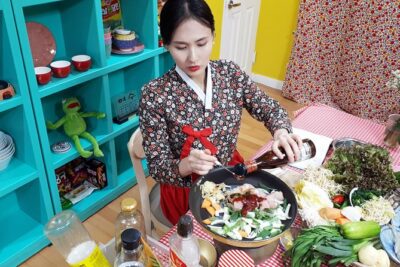
Local Home Korean Cooking Class & Market Adventure in Seoul
Read our review →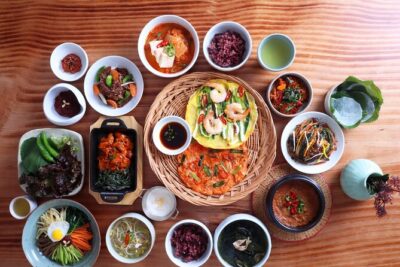
Master Korean traditional cooking with a Kimchi chef
Read our review →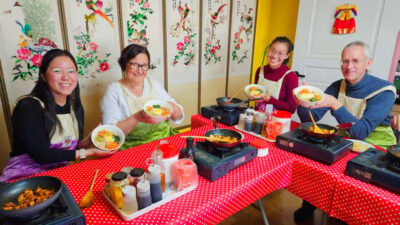
Korean Cooking Class at a Local Home and Market Tour
Read our review →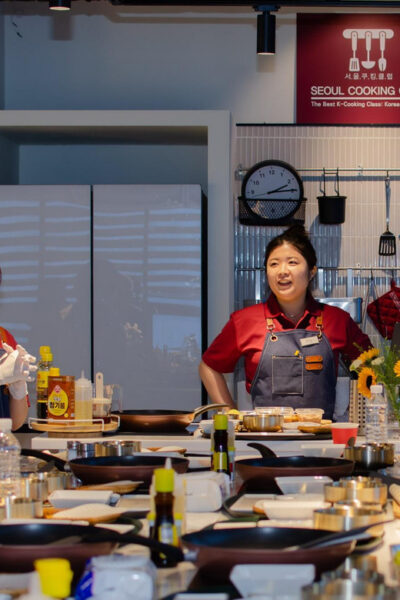
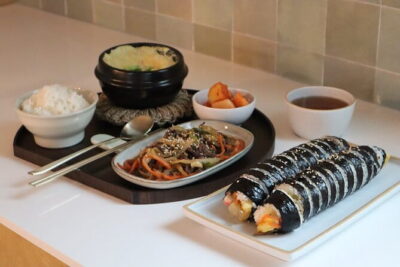
Korean Cooking Class with Grocery Shopping at Seoul Local Market
Read our review →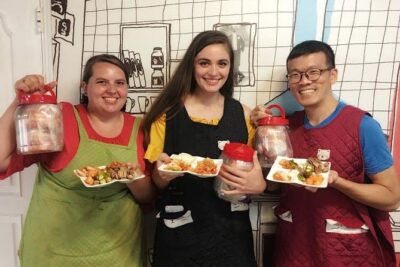
Korean Kimchi Making Day Experience with a Local Market Tour
Read our review →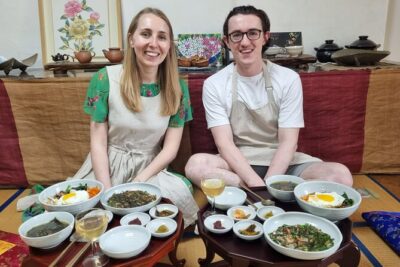
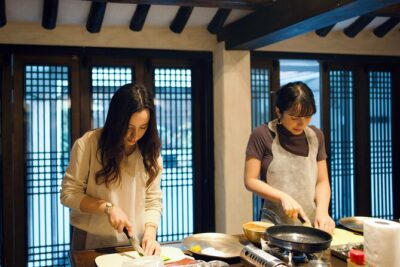
Royal Seoul Cooking Class in a 100-Year-Old Hanok
Read our review →Browse the lists this tour appears in