
Reviewed · COOKING CLASSES
Korean Grandma Cooking Class l Gimbap & Kimchi Pancake l Seoul
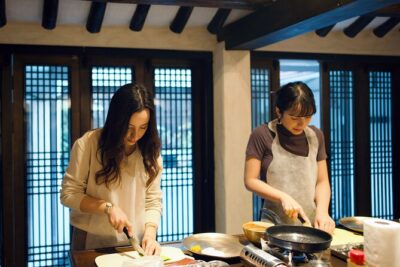
The best part of this Seoul cooking class is the setting: Grandma Sharon’s home, not a commercial kitchen built for tour groups. You begin with tea, see how a Korean home is arranged, and then make gimbap and kimchi pancakes with her guidance.
I like the personal scale and the chance to cook the food yourself. I also like that Grandma Sharon is patient, speaks good English, and works well with children. The main consideration is location: the meeting point is in Ui-dong, Gangbuk-gu, outside Seoul’s central sightseeing core, so you’ll need to allow time for the trip there.
Key points to know before booking
- Grandma Sharon leads the class: Her patient teaching style and good English make the activity suitable for families.
- You cook two Korean dishes: Make your own gimbap and kimchi pancakes, then sit down to eat them.
- The class takes place at a real home: Tea, a home tour, and family stories add a daily-life view of Seoul.
- The experience is private: Only your group participates, which allows more room for questions and hands-on help.
- Plan for two and a half hours: The class starts at 11:00 am and returns to the same meeting point.
- The price is $52 per person: That is a fair rate if you value personal contact, instruction, and a meal more than a formal cooking school setup.
Why cooking with Grandma Sharon feels different
Many cooking classes give you a work station, a printed recipe, and a quick meal. This one begins in a more personal way. You meet Grandma Sharon at her home, drink welcome tea, and get a look at how people live in a Seoul residence.
That change of setting matters. You are not only learning how to roll rice and vegetables in seaweed. You are seeing a household space and hearing family stories from someone who has cooked these foods as part of everyday Korean life.
I like this kind of activity for the middle of a Seoul visit, when you want a break from palaces, shopping streets, and busy restaurant meals. It offers a slower two and a half hours, with conversation and food at the center.
The class is also private. That means your group is not folded into a large room with strangers, and Grandma Sharon can spend time helping each person. For parents, this makes a real difference. A child can ask for help, work at a comfortable pace, and stay involved instead of simply watching a chef demonstrate.
More Cooking Classes in Seoul
- Local Home Korean Cooking Class & Market Adventure in Seoul
★ 5.0 · 1,024 reviews - Master Korean traditional cooking with a Kimchi chef
★ 5.0 · 385 reviews - Seoul: Korean Cooking Class at a Local Home and Market Tour
★ 5.0 · 348 reviews
Arriving at the home in Ui-dong
The meeting point is listed as Meritz Fire & Marine Insurance Training Institute, 92 Ui-dong, Gangbuk-gu, Seoul. The class begins at 11:00 am, and the activity ends back at the same meeting point.
The practical point is simple: do not treat this as a class near the main palace district or central shopping areas. Check the route carefully before booking, and leave enough time to reach Ui-dong without rushing. The area is near public transportation, which helps, but the supplied details do not specify a particular subway exit, bus route, or walking time.
Once you arrive, the home setting becomes part of the experience. You are entering a local residence rather than a purpose-built cooking studio. That gives the class a more natural feel, though it may also mean the surroundings are less polished or spacious than a professional school.
This is best for people who care more about meeting a local host than about a sleek kitchen. If you want restaurant-style presentation or advanced culinary training, this may feel modest. If you want a personal window into daily Korean life, the setting is a strong reason to choose it.
Welcome tea and a first look at Korean home life
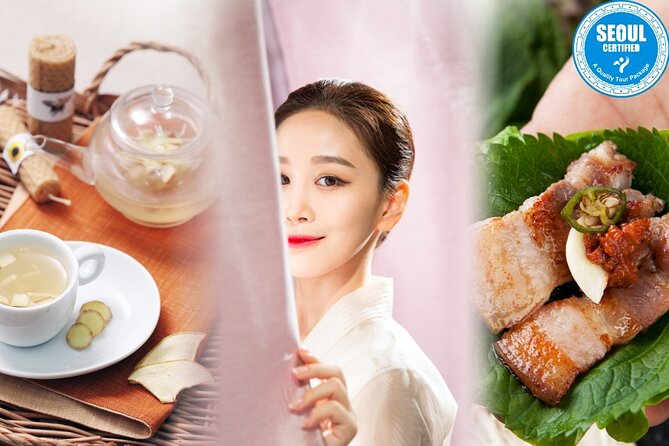
The class starts with welcome tea. It is a small gesture, but it gives everyone time to settle in, meet Grandma Sharon, and get comfortable before the cooking begins.
Tea also creates room for conversation. You can hear about the home, talk with the host, and get a sense of the person who will guide the class. That human contact is one of the main reasons to pay for this experience instead of simply watching a Korean cooking video or ordering the same dishes at a restaurant.
Grandma Sharon then shows you around her home. The tour may include the living areas, traditional kitchen arrangements, and family items. The exact details can vary, but the purpose is clear: you get a view of Korean domestic life, not only a lesson in recipes.
I find this especially useful if you are curious about how homes function beyond the famous sights. A palace shows you royal architecture. Grandma Sharon’s home gives you a closer look at ordinary living spaces and the routines connected to food.
Making gimbap one roll at a time
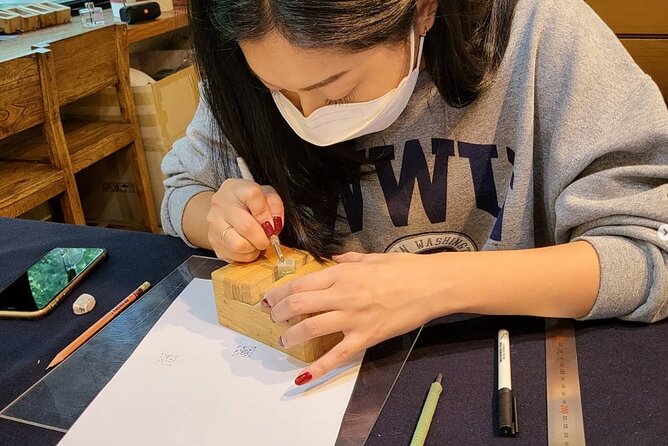
The first cooking task is gimbap. You make your own roll while Grandma Sharon shows you the Korean way to prepare it.
Gimbap is often compared with sushi, but the comparison only goes so far. The dish is built around seasoned rice, fillings, and dried seaweed, with the ingredients arranged so the roll holds together when sliced. The appeal of making it yourself is practical: you learn the feel of the rice, the amount of filling, and the pressure needed to roll it neatly.
This is a good dish for a hands-on class because the final shape depends on technique. Too much filling can split the seaweed. Too little pressure can leave a loose roll. Grandma Sharon’s role is to guide you through those small adjustments rather than simply place a finished plate in front of you.
You also get to make your own portion, which suits families and private groups. Children can take part in arranging ingredients and rolling, with help when needed. One family’s children, aged nine and eleven, especially enjoyed the class, and both considered it their favorite part of the trip.
The class is not described as an advanced chef lesson, and that is probably a benefit for most people. You can focus on learning a useful Korean dish without feeling tested. Expect a friendly introduction rather than a professional qualification.
Other classes where you cook in Seoul:
- Seoul: Korean Cooking at Seoul Cooking Club!
★ 5.0 · 311 reviews - Korean Cooking at Seoul Cooking Club
★ 5.0 · 220 reviews - Korean Cooking Class with Grocery Shopping at Seoul Local Market
★ 5.0 · 107 reviews - Korean Kimchi Making Day Experience with a Local Market Tour
★ 5.0 · 99 reviews
Kimchi pancakes with Grandma’s kimchi
The second dish is kimchi pancake, made with Grandma Sharon’s kimchi. You use the kimchi to prepare the pancake, then taste the result as part of the shared meal.
This dish gives you a different kind of cooking lesson. Gimbap calls for careful assembly. A kimchi pancake is more forgiving, but timing and texture still matter. You can see how a simple batter and fermented vegetables become a crisp, savory dish for the table.
Using the host’s kimchi adds a personal touch. Kimchi varies from household to household, so the flavor here is connected to Grandma Sharon’s own cooking rather than a standardized restaurant recipe. The available details do not specify the recipe, spice level, or ingredients, so anyone with food allergies or dietary restrictions should ask the operator before booking.
The pancake also helps make the meal feel complete. You are not only preparing a cold roll. You are making something hot and pan-cooked, then eating both dishes together.
I would not book this class expecting a long menu. The focus is firmly on two foods, gimbap and kimchi pancake. That narrow scope is useful if you want time to practice, ask questions, and enjoy conversation instead of racing through five or six recipes.
Sharing the meal and taking a photo
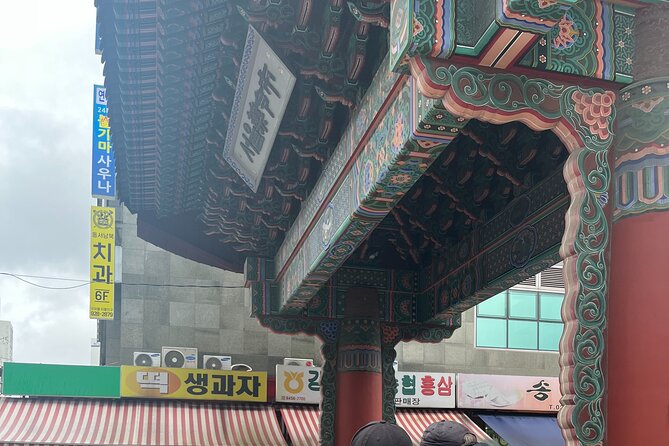
After cooking, you sit down and eat what you have made. This shared meal is the natural payoff of the class, but it is also the social heart of the visit.
You get to compare your rolls, talk about the process, and share stories with Grandma Sharon and your own group. The atmosphere should feel more like being welcomed into someone’s home than attending a timed food demonstration.
A photo with Grandma Sharon is part of the experience. It gives you a simple keepsake and marks the personal side of the class. For families, it can be a nice contrast to the usual Seoul vacation photos taken at major landmarks.
The meal is also a useful reminder that Korean food is tied to gathering. Gimbap and kimchi pancakes are not only recipes to reproduce later. Preparing them together, placing them on the table, and eating them with other people is part of their appeal.
What $52 buys you in Seoul
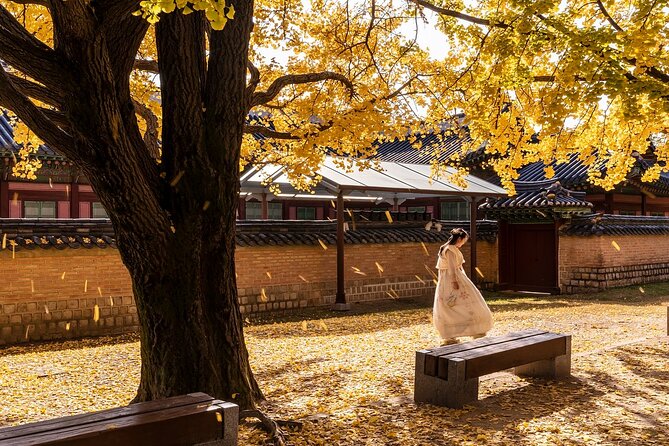
At $52 per person, this class is not the cheapest way to eat gimbap. You could order a meal for less, especially at a casual Korean restaurant. The price makes more sense when you count the private instruction, welcome tea, home visit, guided cooking, shared meal, and time with Grandma Sharon.
You are paying for access and attention rather than quantity. Only your group participates, so the value improves if you are booking as a family or a small group that wants a relaxed pace.
For children, the price can also be easier to justify. A restaurant meal may be quick and passive. Here, children can roll gimbap, help make pancakes, talk with the host, and take part in a cultural activity. The positive family experience described for children aged nine and eleven suggests that the class works well for school-age kids.
The value is less clear if you are traveling alone and mainly want a cheap meal. A solo visitor may still enjoy the personal contact, but the private format can make the per-person cost feel high. The class is strongest for couples, families, and small groups who will use the private setting fully.
Who should choose this class
I would recommend it to families with children, first-time visitors who want a local activity, and anyone who prefers conversation over a formal demonstration. It is also a good choice for people who enjoy learning through food but do not need an elaborate menu.
The class suits travelers who want to support a small, personal tourism business. Your fee goes toward an experience built around a local host and her home, rather than a large commercial operation.
It may not suit you if you need a central Seoul location, want advanced knife skills, or expect detailed culinary theory. The meeting point requires planning, and the available information does not promise a long recipe booklet, market visit, or several-course meal.
It is also wise to raise food concerns before paying. The class includes kimchi, and no detailed allergen or dietary information is provided. Ask Local Contents Lab about ingredients if you have allergies, follow a special diet, or need changes to the dishes.
Timing, transport, and booking details
The total duration is about two hours and thirty minutes. The fixed start time is 11:00 am, and you return to the starting point when the activity ends.
The meeting point is near public transportation, and most people can participate. Still, you should confirm the route and plan your morning around the location in Gangbuk-gu. A late arrival could reduce your cooking time, especially in a short private class.
Confirmation is sent within 48 hours of booking, subject to availability. The activity requires a minimum number of participants, so if that minimum is not met, you are offered another date or experience, or a full refund.
Free cancellation is available until 24 hours before the start time. Changes or cancellations made less than 24 hours ahead are not accepted for a refund, and the cutoff uses Seoul local time.
Should you book Grandma Sharon’s cooking class?
Book this experience if you want a personal Seoul memory built around food, not just another restaurant meal. The home setting, tea, family stories, private format, and patient teaching make it especially appealing for families and small groups.
The two dishes are simple enough for beginners but active enough to keep you involved. Grandma Sharon’s good English and calm approach are useful advantages, particularly if children are joining.
Skip it if you want a central location or a long, technical cooking course. For everyone else, $52 is reasonable when you value time with a local host, hands-on cooking, and a meal you helped prepare. Plan the journey to Ui-dong carefully, ask about dietary needs in advance, and this can be one of the more personal food activities in Seoul.
FAQ
Where does the Korean Grandma cooking class take place?
The class takes place at Grandma Sharon’s home in Seoul. The listed meeting point is Meritz Fire & Marine Insurance Training Institute, 92 Ui-dong, Gangbuk-gu.
What time does the class start?
The class starts at 11:00 am.
How long does the experience last?
The experience lasts approximately two hours and thirty minutes.
Which dishes will I make?
You will make gimbap and kimchi pancakes using Grandma Sharon’s kimchi.
Is the class private?
Yes. Only your group participates in the activity.
Is the meeting point near public transportation?
Yes. The meeting point is listed as being near public transportation.
Is the class suitable for children?
Most people can participate, and the experience has worked well for children. Children aged nine and eleven particularly enjoyed the class. Individual needs should be discussed with the provider before booking.
Can I cancel for a full refund?
Yes, if you cancel at least 24 hours before the experience start time. Cancellations or changes made less than 24 hours before the start time are not refunded.
More Workshops & Classes in Seoul
- Yongpyong Ski Resort from Seoul with Optional Lesson and Packages
★ 5.0 · 217 reviews - Royal Seoul Cooking Class in a 100-Year-Old Hanok
★ 5.0 · 81 reviews - Seoul : Taste of Korea, Authentic Home-Style Cooking Class
★ 5.0 · 64 reviews - K-pop Dance Class in Seoul (Incl. video shooting & editing)
★ 5.0 · 52 reviews
Just added in Seoul
- Your Personal Seoul Photographer!★ 4.1 · 15 reviews
- You’re Invited to Our Home in Seoul: The Only Cooking Class!★ 5.0 · 8 reviews
- From Seoul: Yongpyong Ski Day Tour with Transportation★ 4.9 · 40 reviews
- Seoul: Korean & English Language Exchange Global Party★ 5.0 · 28 reviews
- From Seoul: Hwacheon Ice Fishing and Lighting Festival Tour★ 4.5 · 4 reviews
- Unique Native Experience : Han River Picnic, Board game, BBQ★ 5.0 · 3 reviews
- Seoul: Gangneung BTS K-Pop & K-Drama Filming Locations Tour★ 4.6 · 14 reviews
- K-Pop Making Class with a Producer!★ 5.0 · 3 reviews
Cooking Classes, compared.
Local Home Korean Cooking Class & Market Adventure in Seoul
Read our review →
Master Korean traditional cooking with a Kimchi chef
Read our review →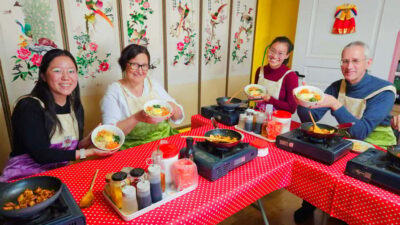
Korean Cooking Class at a Local Home and Market Tour
Read our review →
Korean Cooking Class with Grocery Shopping at Seoul Local Market
Read our review →
Korean Kimchi Making Day Experience with a Local Market Tour
Read our review →
Royal Seoul Cooking Class in a 100-Year-Old Hanok
Read our review →Browse the lists this tour appears in