
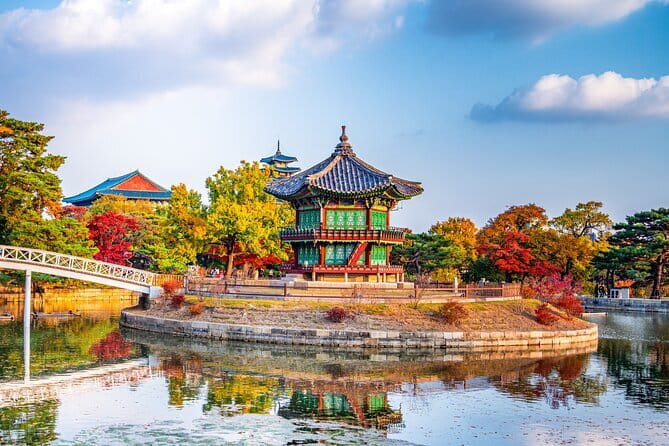
Reviewed · GYEONGJU UNESCO DAY TOURS
7 days Flexible Tour for Major Cities(Seoul,Busan,Gyeongju etc)
The big appeal here is range. In one private trip, you move from Seoul palaces and K-pop landmarks to the DMZ, then south to Gyeongju’s ancient tombs and Busan’s oceanfront sights. I like the flexible schedule and the fact that airport pickup, transport, parking, fuel, and listed entrance tickets are handled for you. I also like that Hun and Sean can shape the days around your interests rather than march you through a fixed group itinerary.
The tradeoff is the pace. Seven days cover a lot of Korea, including long drives to Gyeongju and Busan, and several days contain five or six stops. Hotels and meals are not included, the N Seoul Tower cable car costs extra, and you’ll need moderate fitness for palace grounds, fortress paths, the Third Tunnel, and busy sightseeing days.
Key points to know before booking
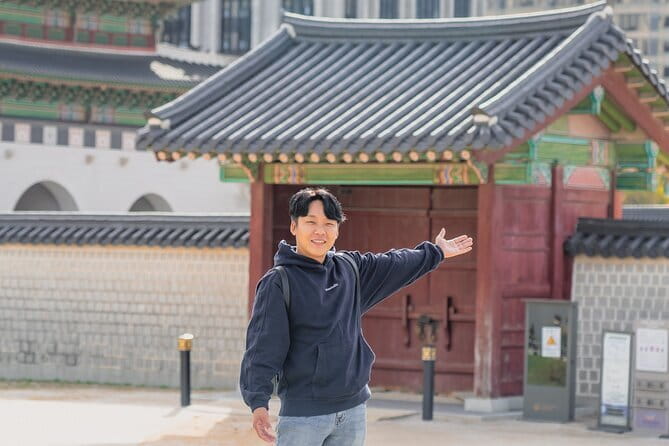
- Private touring with Hun and Sean: You travel only with your group in a fancy minivan, with one or two English-speaking driving guides for the full trip.
- A true Seoul-to-Busan route: The plan can include airport pickup, Seoul, Gyeongju, and Busan, with the choice to return to Seoul or depart from Busan.
- The schedule can bend: The seven days do not have to be consecutive. You can add free days or request extra touring.
- The DMZ is a major day: Private vehicles cannot enter the DMZ itself, so you transfer to a public bus for part of the visit.
- History and modern Korea share the stage: Expect palaces, tombs, war museums, markets, Starfield Library, Gangnam Style, and a Han River cruise.
- The $2,000 price covers important costs: It includes transport and listed admission tickets, but not hotels, food, or every cable car fare.
Why this private Korea trip works

This is not a simple city sightseeing package. It is a private, seven-day road trip through several sides of South Korea, with the schedule adjusted to suit your group.
The plan begins in Seoul and reaches the DMZ, Suwon, Gyeongju, Pohang, and Busan. That gives you a useful first visit to Korea in one booking, especially if you want help with transport and do not want to manage intercity transfers yourself.
I especially like the personal setup. Hun and Sean are named as the guides, and the experience is designed around a small private group rather than strangers sharing a coach. Past guests describe Hun as cheerful, energetic, flexible, and easy to spend a week with. One family also praised the guides for taking special care of an older mother. Those details matter on a long trip, since the guide’s manner affects every meal stop, traffic delay, and schedule change.
The flexible design is another real strength. You can take a day off, split the seven days, add more touring, request different places, or finish in Busan instead of returning to Seoul. The provider can also help with hotel bookings, though the hotel bill remains yours.
At $2,000 per person, this is not a budget sightseeing option. The value comes from having a private minivan, an English-speaking driving guide, airport transport, fuel, tolls, parking, bottled water, and listed entrance tickets bundled together. For a family or small group, that may be easier to justify than separate taxis, trains, tickets, and guides. For a solo visitor, the price deserves closer thought.
More Silla-era sites from Seoul:
- Small Group 7D Korea package Tour with Seoul Gyeongju Busan Jeju
★ 4.5 · 13 reviews - Gyeongju UNESCO Sites Tour by KTX train; The Museum Without walls
★ 4.5 · 11 reviews - 3-Days 2-Nights Gyeongju UNESCO Sites & Busan City [Private Tour from Seoul]
★ 4.5 · 11 reviews
Day 1: Seoul’s royal court, old lanes, and market food
The first day gives you a strong introduction to Seoul’s older core.
At Gyeongbokgung Palace, you spend about two hours touring the main royal palace of the Joseon Dynasty. The site is large, so a guide is useful for turning courtyards and gates into a story rather than a string of photo stops. Wear comfortable shoes, since the visit involves plenty of walking across palace grounds.
Bukchon Hanok Village follows with a look at traditional homes once associated with the noble class. This is a useful counterpoint to the palace. You see not only where kings ruled, but also the style of neighborhood tied to Korea’s upper class. The village is hilly in places, and the narrow lanes are best enjoyed at a respectful pace.
Insadong shifts the mood toward shops, art, pottery, antiques, and Korean-style cafés. After lunch, the plan includes traditional Korean tea. This is one of the slower moments in a packed week, and I would protect it rather than rush through it.
The War Memorial of Korea brings the day into the modern era. You spend about two hours with weapons, tanks, memorials, and displays about the Korean War. It gives needed context before the next day’s visit to the DMZ. The subject is serious, so this is not simply another sightseeing stop, but it helps explain the division that still shapes the peninsula.
The day ends at Gwangjang Market. Your guide introduces local specialties and helps you try Korean snacks in a lively traditional market setting. Food is not included, so bring money for lunch and market tasting. This is also one of the best places on the itinerary to ask your guide what to try if you are unsure about unfamiliar dishes.
Day 2: Seoul views, temples, Gangnam, and the Han River
Day two moves between old Korea, modern Seoul, and the city’s pop-culture image.
At N Seoul Tower, your guide takes you up the mountain and helps with photos. The listed admission is included, but the cable car fare is not, so budget separately for that ride. If you prefer, the route can be adjusted, but the tower is one of the clearest ways to see how large Seoul has become.
Bongeunsa Temple offers a quieter hour among colorful lanterns and lotus flowers in the middle of the city. The contrast with the tower and Gangnam stops is part of the fun. You are not seeing one carefully preserved historical zone, but several versions of Seoul in a single day.
Starfield Library is the modern photo stop. Its enormous shelves hold more than 50,000 books, and the space is designed to impress even if you are not planning to read. You can replace this visit with a traditional Korean village if you want less contemporary shopping-center atmosphere.
The Gangnam Style statue takes only about ten minutes. It is a quick photo stop tied to the song that first brought worldwide attention to Korean pop culture. Do not expect a full museum visit here. It works best as a short, playful break between larger sights.
In the evening, the E-Land Han River cruise adds a relaxed finish. The plan includes chicken or noodles before boarding, though meals are not included in the tour price. Bridges, city lights, and the moonlit river make this one of the more romantic parts of the week, and fans of Korean dramas will recognize the setting.
Day 3: The DMZ and Korea’s divided modern story
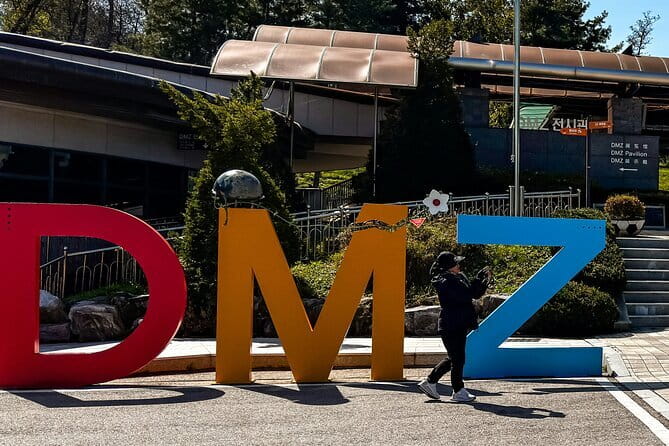
The DMZ day is important, but it also requires a few practical expectations.
You begin at Imjingak Pyeonghoa-Nuri Park, where you see the Bridge of Freedom, an old steam locomotive, and other reminders of the Korean War. This gives you time to think about the human cost before reaching the restricted zone.
Private cars cannot drive inside the DMZ. Instead, you transfer to a public bus for movement within the area. The overall tour remains private with your guide, but the bus portion is shared. That distinction matters if you are expecting a fully private vehicle from start to finish.
The Third Tunnel involves a descent to about 73 meters below ground, followed by a round trip that takes around 20 minutes. The tunnel is narrow and physically demanding in spots. The stated estimate that up to 30,000 soldiers per hour could have moved through it explains why the site carries such weight, but the practical point is simpler: you need steady footing and enough stamina for the climb back out.
At Dora Observatory, you look toward North Korea. The guide explains the conditions on the other side, including restrictions on freedom and economic hardship. Visibility can affect what you see, so treat the stop as a place for context as much as a guaranteed panorama.
The Museum of Modern History of Korea closes the day with reconstructed scenes of South Korean life from the 1950s onward. After the war exhibits and DMZ sites, this helps you see how ordinary life changed in the South. It is a thoughtful day, not a light sightseeing outing, and the schedule may feel full after the drive and walking.
A few more things to do in Seoul worth a look
- Discover Round Korea in 7days: All-Inclusive Experience
★ 5.0 · 157 reviews - 7 Day Essential Korea Tour(Seoul, Nami, DMZ, Andong, Gyeongju, Busan_Meal Incl.)
★ 5.0 · 3 reviews
Day 4: Suwon Fortress and a Korean film setting
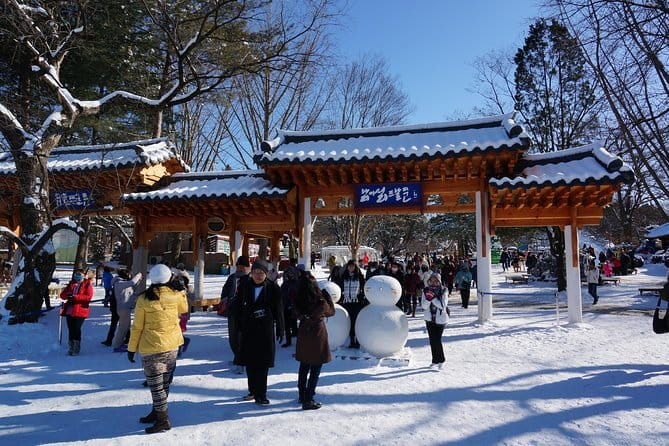
Day four heads to Suwon and the fortress sites connected with King Jeongjo, the 22nd king of Joseon.
Banghwasuryujeong Pavilion is both attractive and historically useful. It served as a place for leisure and gatherings, and your guide explains the story behind its location. The visit is short, about 30 minutes, so the value depends on the guide’s explanation and your willingness to look beyond the photo.
You then see Janganmun Gate, the fortress’s main gate. It carries a sad connection to the king’s family history, and bullet holes from the Korean War remain visible. Yeonmudae was the commander’s center and a training ground, with a chance to try archery. It also offers some of the best fortress views.
Changryongmun Gate shows the defensive planning behind the walls. Its shape may look odd at first, but the guide connects the design to the larger fortress system. These stops are short, so expect a walking tour with frequent explanations rather than long visits inside each structure.
The Korean Folk Village takes three hours and is the day’s main stop. It is large, includes traditional homes and agriculture, and has performances. The village has also been used as a location for Korean historical dramas. Your guide walks with you, which helps with the size of the grounds, but this remains an active day on your feet.
Day 5: The long road south and Pohang’s Space Walk
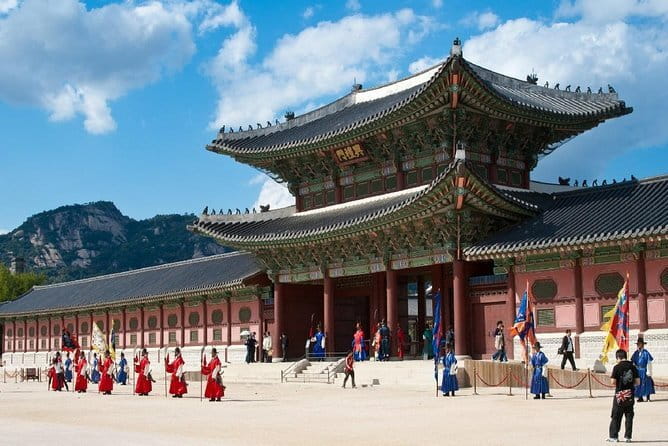
The journey to Gyeongju takes much of day five. The plan allows for one or two attractions on the way and lunch in Pohang, making this more of a transfer day than a full list of major sights.
The exact stops can be shaped around your preferences, which is useful after several busy days. Still, you should understand the tradeoff: long-distance driving means less time at each individual attraction, even with a comfortable minivan.
Pohang’s Space Walk provides a chance to stretch after the drive. The elevated structure is described as safe and suitable for enjoying wide views, with your guide joining you. It is a good change of pace before the ancient sites of Gyeongju, though anyone uneasy with heights may want to discuss the option with the guide.
Because hotels are not included, confirm where you will stay in Gyeongju or nearby before setting out. The provider can assist with hotel booking, but you remain responsible for that cost.
Day 6: Gyeongju after dark
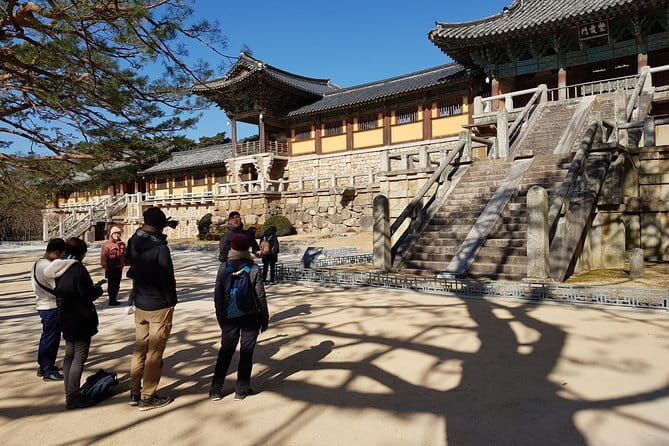
Gyeongju is the historical heart of this route, and day six gives it the attention it deserves.
Daereungwon Tomb Complex contains large royal burial mounds dating mainly from the fourth to sixth centuries. Special construction methods helped preserve them, and you can enter one open tomb to view artifacts. The scale of the grassy mounds can be surprising, especially after seeing palace architecture in Seoul.
Hwanglidangil adds a modern local-street feel, with food and small shops. The famous coin bread is an easy snack to try, though food costs extra. This stop keeps the day from becoming one long museum visit.
Woljeonggyo Bridge was first built in 760 and later reconstructed using historical documents and site research. The evening visit is the right choice, since the lighting gives the bridge a more dramatic appearance.
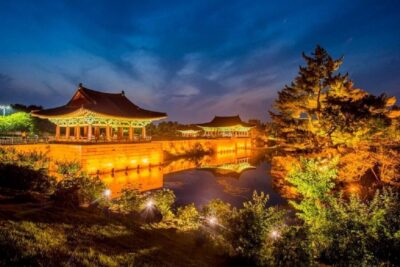
Donggung Palace and Wolji Pond also reward a night visit. The palace was abandoned after a new dynasty took power and later rebuilt from historical records. Reflections on the pond make this one of the most atmospheric stops of the trip.
Cheomseongdae Observatory dates from 633 and is described as possibly the oldest surviving observatory in the world. Its connection to farming society and the importance of constellations gives the small structure a larger purpose.
At Gyeongju National Museum, you see original treasures, including crowns and other artifacts. This museum is an important safeguard against treating Gyeongju as only a collection of attractive ruins. It puts the objects and people of the ancient kingdom in context.
Day 7: Busan markets, temples, and ocean views
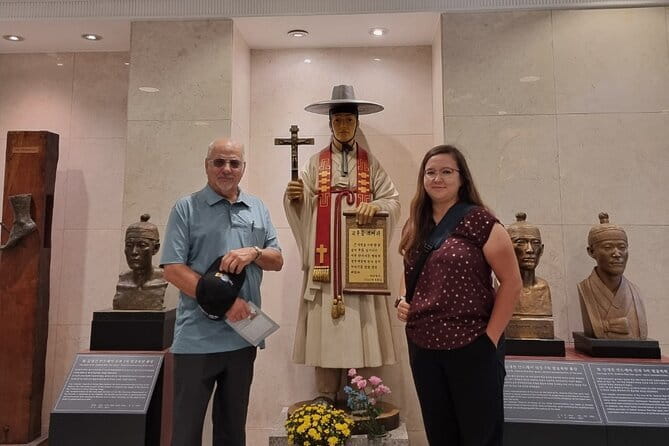
The final day brings a mix of trade, coastline, religion, and neighborhood life in Busan.
Gukje Market reflects Busan’s commercial growth after the Korean War. It is a large, affordable market where you can browse blankets, local goods, and food. Your guide’s help is useful here because market streets can feel confusing when you do not know what you are looking at.
The Songdo Cable Car crosses above the ocean and gives you broad coastal views. The listed details identify the stop as free, but the itinerary also says cable car fares may need to be prepared separately for some rides, so confirm the exact fare arrangement before boarding. A lower Sky Capsule option is offered if you are uneasy with heights, though it has a transparent floor.
Haedong Yonggungsa is one of Korea’s most scenic temples, set beside the sea. The temple is relatively new compared with Korea’s oldest sites, but its ocean setting makes it a memorable stop. Expect stairs and walking around the grounds.
Busan Gamcheon Culture Village has colorful houses, but the guide also explains its difficult past. Refugees built homes here and created a community under hard conditions. That background gives the painted walls more meaning than a simple photo stop.
Ahopsan Forest closes the week with a quiet walk through bamboo. Bamboo’s straight form was linked by Korean ancestors with nobility, and the forest offers a calm pause after a crowded city day. If you finish in Busan, this is a pleasant final outing. You can also return to Seoul with the tour, depending on your plan.
What the $2,000 price really buys
The price is easiest to judge by looking at what you would otherwise have to arrange. You get a private minivan, one or two experienced English-speaking driving guides, airport transport, fuel, tolls, parking, bottled water, and entrance tickets listed in the schedule.
You do not get hotels or meals. The N Seoul Tower cable car is specifically extra, and you should clarify any other transport fares before departure. The guide can help with hotel bookings, but that service does not make the rooms part of the package.
For a family, couple, or small group that wants a private vehicle and a custom route, the price can offer solid value. It also saves you from coordinating Seoul to Gyeongju to Busan transport while carrying luggage. For budget-conscious solo visitors, public transport and separate day tours may cost less, though they will not provide the same level of door-to-door flexibility.
Who should book this tour?
Book it if you want broad coverage in one trip, prefer private transport, and value a guide who can adjust the plan. It suits families, older relatives who benefit from a private vehicle, and first-time visitors who want history explained without handling every transfer.
It is also a good match if you want the flexibility to add days, rest between tours, or finish in Busan. The strong points repeatedly attached to Hun and Sean are warmth, energy, flexibility, and personal care, which are valuable qualities over a full week.
Think twice if you want slow travel. The route covers a lot, and days can be demanding. You should also be comfortable paying separately for accommodation, food, and certain rides.
With five five-star ratings listed, the experience has a very strong record, but the sample is small. I would confirm the exact hotel plan, meal stops, cable car costs, daily driving times, and final route before paying. If those details suit you, this is a practical way to see far more of Korea than a Seoul-only visit.
FAQ
How long is the tour?
The tour lasts approximately seven days.
Is the tour private?
Yes. Only your group participates, and the tour uses one or two English-speaking driving guides for the full trip.
Who are the guides?
The guides named in the experience are Hun and Sean. Hun is described as flexible, energetic, friendly, and good company, while both guides are praised for their warmth and care.
Can the seven days be split up?
Yes. The seven days do not need to be consecutive. You can take days off and add more tours.
Can I finish the trip in Busan?
Yes. You can return to Seoul with the tour or leave from Busan.
Is airport transport included?
Yes. Airport transport is included, with the choice of returning to Seoul with the tour or departing from Busan.
Are hotels and meals included?
No. Hotels and meals are not included. The guide can assist with hotel bookings.
Is the DMZ visited by private vehicle?
No. Private cars cannot enter the DMZ area. You transfer to a public bus inside the DMZ, while the rest of the tour remains private.
What is the cancellation policy?
You can receive a full refund if you cancel at least six full days before the start time. Cancelling two to six full days ahead allows a 50 percent refund. Cancellations less than two full days before the experience are nonrefundable.
Just added in Seoul
- Your Personal Seoul Photographer!★ 4.1 · 15 reviews
- You’re Invited to Our Home in Seoul: The Only Cooking Class!★ 5.0 · 8 reviews
- From Seoul: Yongpyong Ski Day Tour with Transportation★ 4.9 · 40 reviews
- Seoul: Korean & English Language Exchange Global Party★ 5.0 · 28 reviews
- From Seoul: Hwacheon Ice Fishing and Lighting Festival Tour★ 4.5 · 4 reviews
- Unique Native Experience : Han River Picnic, Board game, BBQ★ 5.0 · 3 reviews
- Seoul: Gangneung BTS K-Pop & K-Drama Filming Locations Tour★ 4.6 · 14 reviews
- K-Pop Making Class with a Producer!★ 5.0 · 3 reviews
Gyeongju UNESCO Day Tours, compared.
Gyeongju Guided Day Trip to Three Kingdoms Capital
Read our review →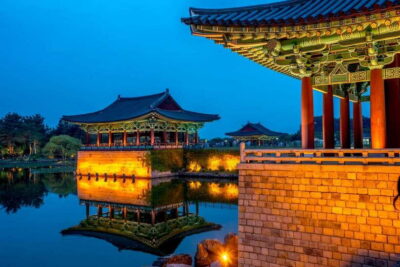
Gyeongju UNESCO World Heritage Guided Day Tour
Read our review →
Old Korea Thousand History Tour of Gyeongju from Busan
Read our review →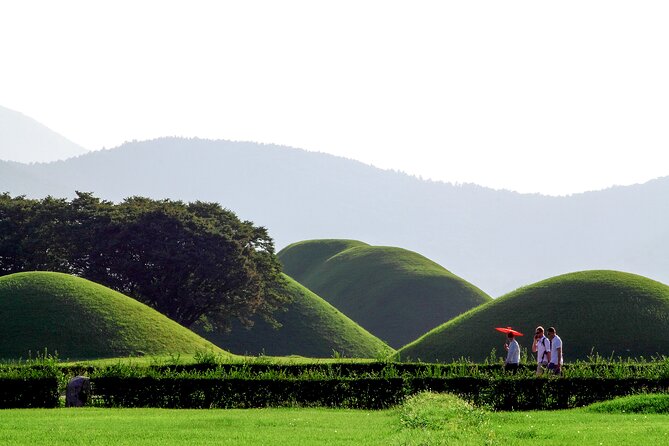
Gyeongju UNESCO sites Private tour with licensed tour guide
Read our review →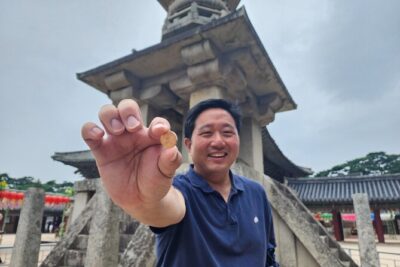
Private Gyeongju Tour – Explore Gyeongju UNESCO Sites
Read our review →
Gyeongju UNESCO Legacy Tour with National Museum
Read our review →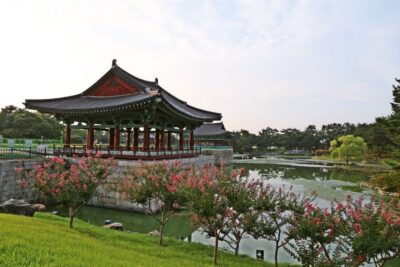
UNESCO Heritage Tour Including Bulguksa Temple
Read our review →
Gyeongju UNESCO World Heritage Sites and History Full-Day Tour with Lunch
Read our review →Browse the lists this tour appears in