
Reviewed · GYEONGJU UNESCO DAY TOURS
Busan: Winter Healing Park and (Gyeongju/Daegu) One Day Tour
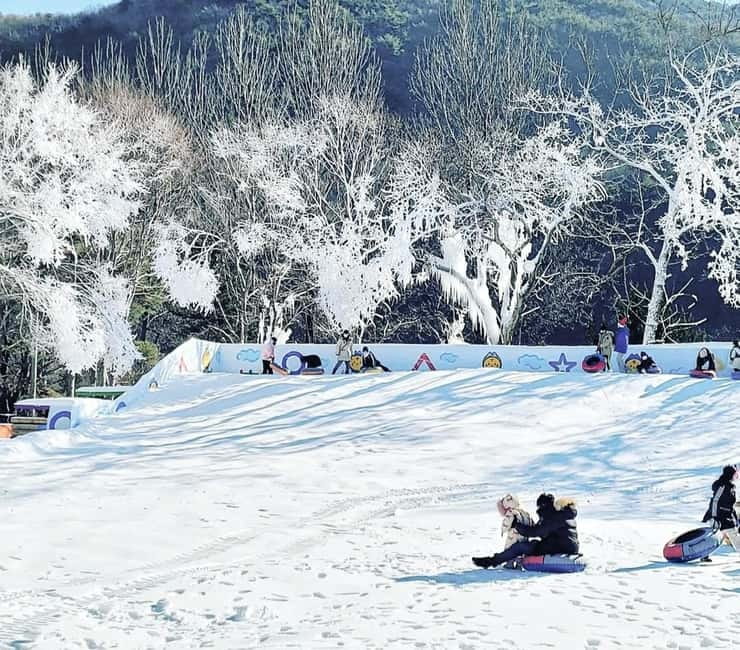
Kookmin Healing Park is the main draw here, with snow, sled rides, icy paths, and an optional canoe trip that can turn a cold day into a memorable one. I like the choice between Gyeongju’s major historic sights and Daegu’s food-focused market route, and I like having guides such as Amy, Sophie, and Lee to handle the long day from Busan.
The catch is the schedule. This is an 11-hour outing, and traffic or weather can change the order and even the final Daegu winter stop. The canoe is also an extra cash payment, so bring Korean won if you want to paddle.
Key points to know before booking
- Snowy Kookmin Healing Park: Ride a sled, walk beside frozen scenery, and add canoeing for KRW 30,000 for one to four seats or KRW 50,000 for five to eight seats.
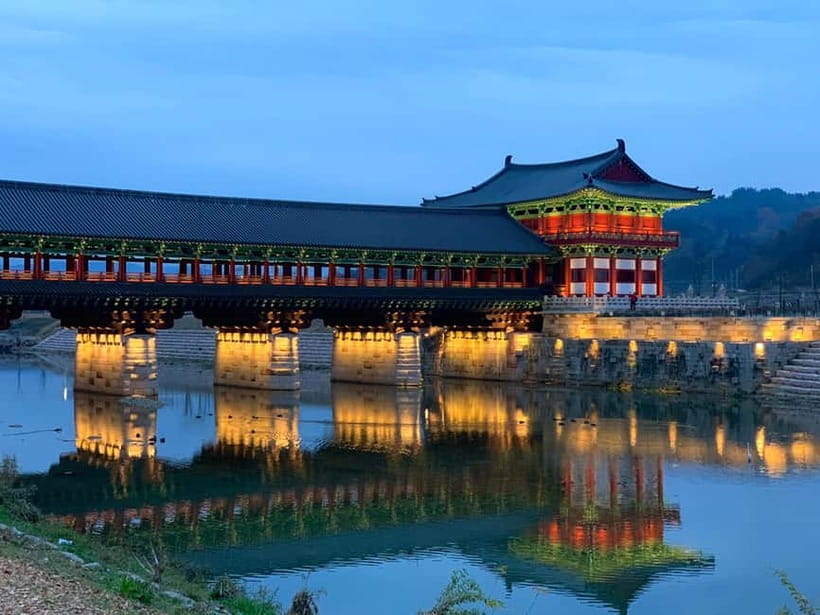
- Two very different second halves: Pick UNESCO-listed Bulguksa, village lanes, cafes, and Woljeong Bridge in Gyeongju, or choose Daegu’s Seomun Market and a winter nature stop.
- Long but efficient day from Busan: The 810-minute schedule covers a lot of ground, with round-trip transport and entrance fees included.
- Guides make the difference: English, Chinese, and Korean support is available. Amy, Sophie, and Lee are named guides connected with recent departures.
- Daegu’s final stop can change: Ice conditions decide between Songhae Park at Okyeon Reservoir and Biseulsan Recreational Forest.
- Bring lunch money and winter cash: Meals are not included, and the canoe charge is paid on site in cash.
Why the snowy park is the right opening act
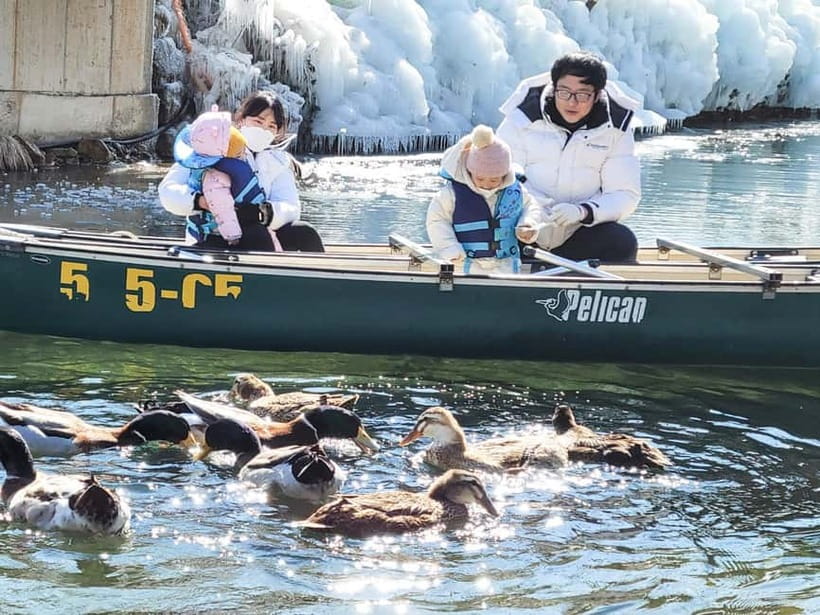
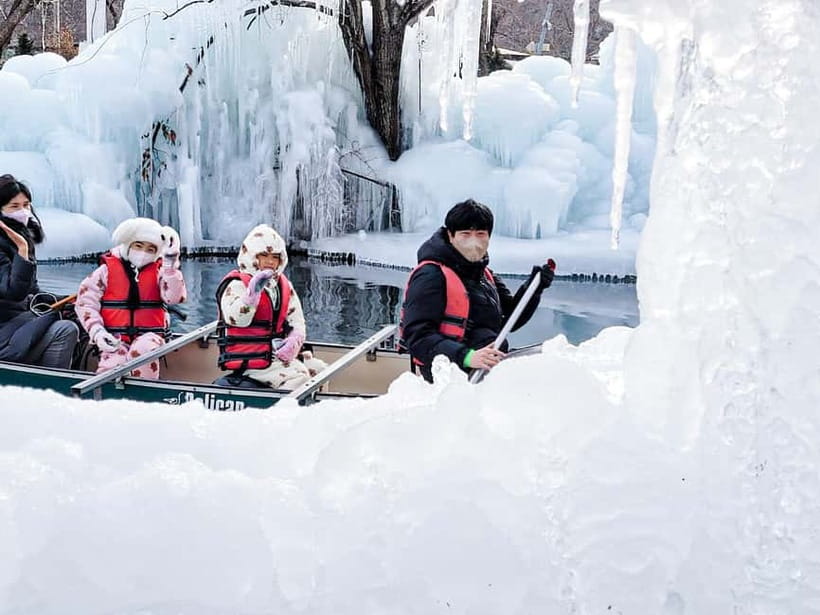
The day begins with the most playful stop: Gyeongju Kookmin Healing Park in winter. Picture snowy paths, frozen water, and a setting built for moving around rather than simply taking photos. You can ride a sled, walk through the icy scenery, and choose a canoe trip if conditions and your budget suit you.
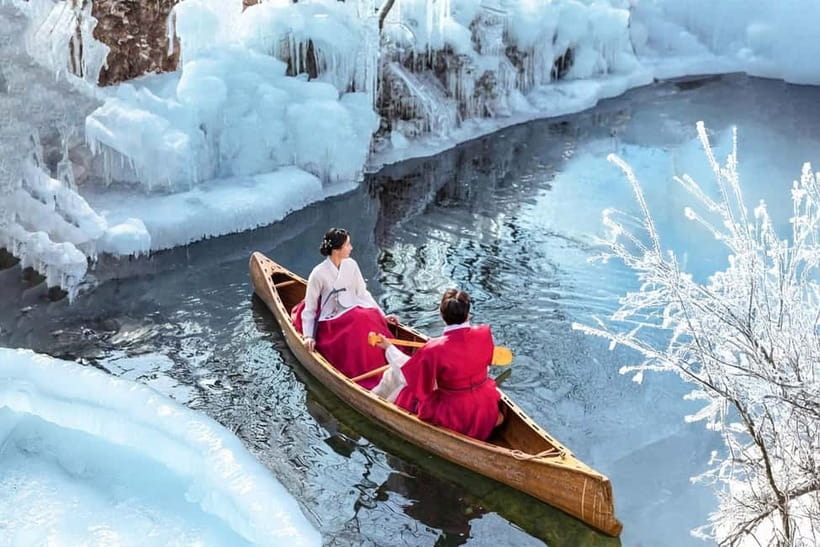
The sled rides are included in the tour price, while canoeing costs extra. Canoe prices are KRW 30,000 for a one to four-seat boat and KRW 50,000 for a five to eight-seat boat. That fee is paid in cash at the park, so it is worth deciding before departure if canoeing is a priority.
I would make the canoe choice early in the day. One recent guest, Kyla, called it a highlight and praised guide Amy for taking good photos and offering useful recommendations. The canoe is not just another quick photo stop. It gives you a different view of the frozen setting and adds a little activity to a day that could otherwise become a chain of bus rides and sightseeing walks.
Still, winter weather is part of the bargain. Snow and ice make the park appealing, but they can also affect what is open or comfortable. Wear shoes with a firm sole, bring gloves, and expect the outdoor portion to feel properly cold.
More Silla-era sites from Busan:
- Busan: Gyeongju Guided Day Trip to Three Kingdoms Capital
★ 4.8 · 1,925 reviews - From Busan: Gyeongju UNESCO World Heritage Guided Day Tour
★ 4.8 · 1,250 reviews - Gyeongju UNESCO World Heritage Guided Day Tour from Busan
★ 5.0 · 660 reviews
Choosing the Gyeongju route after the park
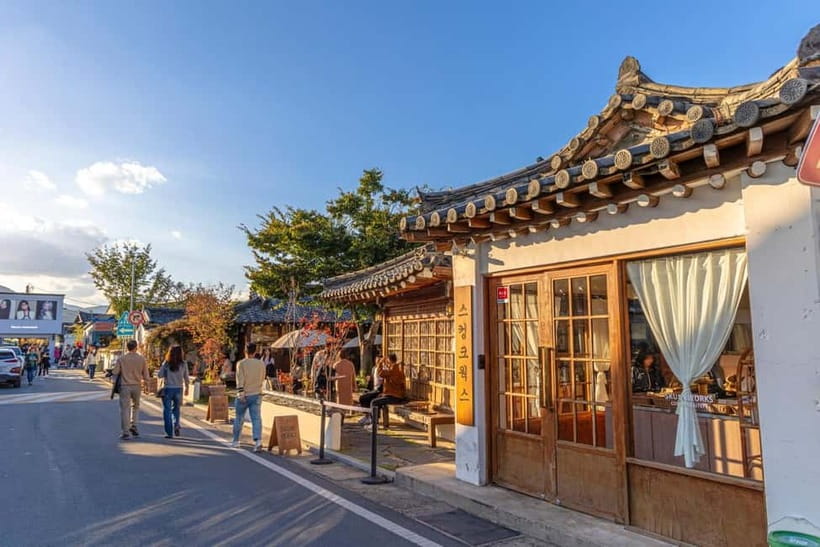
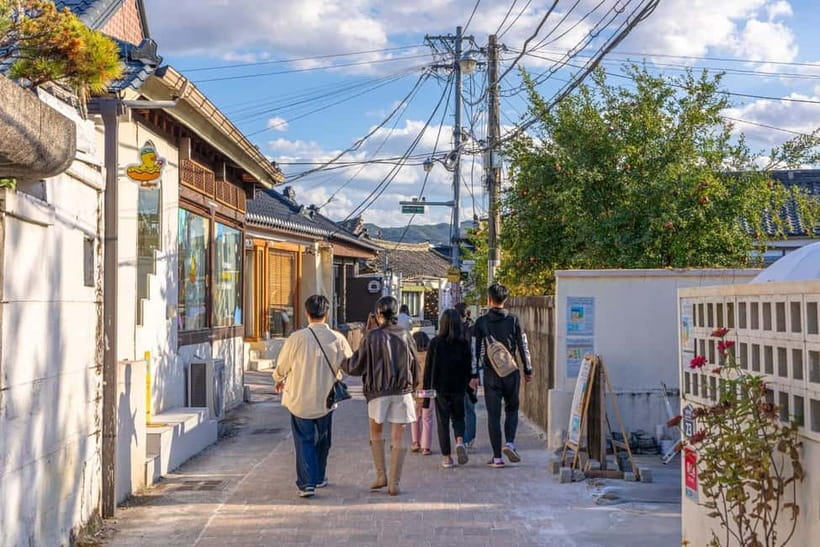
The Gyeongju option is the better match if you want Korean history and a tidy selection of famous sights. After the park, the route goes to Bulguksa Temple, Gyochon Traditional Village, Hwangridan Street, and Woljeong Bridge.
Bulguksa Temple and Korea’s stone artistry
Bulguksa is one of Gyeongju’s key cultural sites. UNESCO designated the temple a World Cultural Asset in 1995, and its appeal comes from both the buildings and the stone work around them.
A guide is especially useful here. You can look at gates, stairs, platforms, and carved details on your own, but historical context helps you understand why the site matters. The tour is designed for that kind of introduction, with a guide explaining the places rather than leaving you to decode them from signs.
Allow yourself to notice the fine details. Bulguksa is not simply a grand building reached, photographed, and left behind. The stone elements and the temple design are central to the visit. The tradeoff is time: on a one-day tour from Busan, you will get an organized look rather than a slow, unhurried morning.
Gyochon Traditional Village and the Choi family story
Gyochon Traditional Village gives the historic portion a more local scale. It is tied to the Gyeongju Choi Clan, a family known for preserving its wealth across 12 generations and producing influential figures.
That detail gives the village a useful human angle. Instead of seeing only old-style buildings, you get a story about family, social position, and the way a prominent household shaped the area. The visit should appeal to you if you prefer cultural context over a quick list of landmarks.
As with much of this route, the village is best treated as a walking stop. Comfortable shoes will help, especially if snow or ice remains on the ground.
A few more things to do in Busan worth a look
- Busan: Naejangsan National Park Autumn Foliage One Day Tour
★ 4.8 · 4 reviews - Mt. Seorak+Nami Island+Garden of Morning Calm Day Trip from Seoul
★ 5.0 · 959 reviews - Seoul: Gangwon-do Day Trip with Alpaca World & Nami Island
★ 4.7 · 581 reviews - Day Trip to Nami Island with Rail bike and The Garden of Morning Calm
★ 4.5 · 459 reviews
Hwangridan Street for snacks and cafe time
Hwangridan Street changes the mood. After temple architecture and traditional village history, you get food stalls, trendy cafes, and shops. This is the most relaxed stop on the Gyeongju route, and a good place to pick up a snack or pause with a drink.
Meals are not included, so this is also one of your chances to spend your own money on food. You should not expect a set lunch arranged by the tour. That gives you freedom, but it also means you need to keep an eye on time and budget.
The street is useful for a simple reason: it keeps the day from becoming too solemn. Gyeongju has plenty of important sites, but a pleasant cafe or local snack helps balance the formal history.
Woljeong Bridge at the end of the day
The final Gyeongju stop is Woljeong Bridge. Its stone arches reflect old engineering methods, and its location makes a fitting closing point before the drive back to Busan.
The bridge is particularly well suited to late-day photographs, although the exact light will depend on the season and schedule. Do not expect a long independent visit here. This is a full-day route, and traffic can affect how much time you have at each stop.
For me, the Gyeongju route works because its stops have a clear rhythm: snow and activity, temple history, village life, food and cafes, then a bridge with an old-world feel. It offers more substance than a simple winter photo outing.
Choosing Daegu’s market and ice route
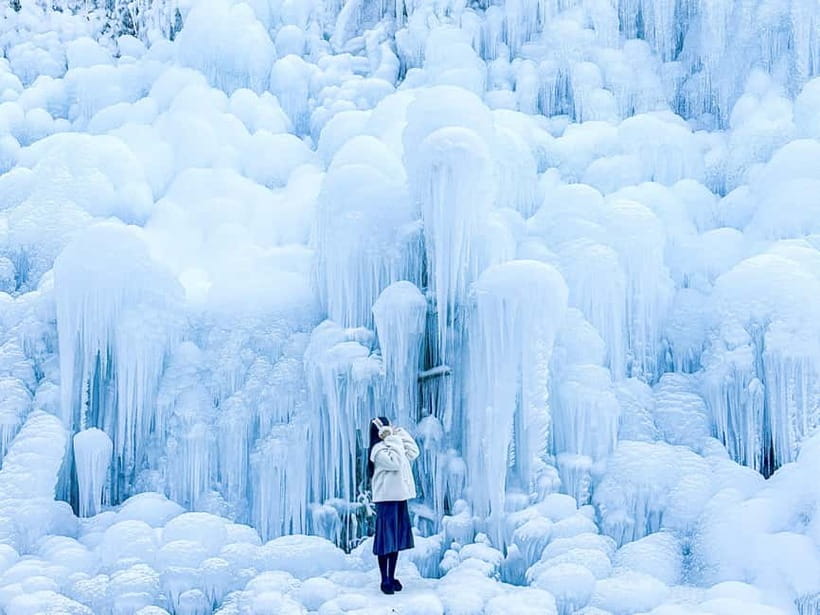
The Daegu option has a different personality. It replaces Gyeongju’s heritage sites with Seomun Market and a winter nature stop. Choose it if food, everyday city life, and frozen scenery sound more appealing than temples and historic villages.
Seomun Market for lunch and local flavor
Seomun Market is the practical center of this route. Its stalls offer street food, crafts, and local products, and lunch is at your own expense.
That arrangement works well if you like choosing what you eat. You can browse, pick a snack, and build a meal around whatever catches your eye. It is less convenient if you prefer a prearranged restaurant and a fixed break.
The market also gives you a different view of Korea than a major temple does. You are seeing commerce, food, and daily activity rather than a carefully preserved historic setting. Keep some Korean won handy for food and small purchases, and watch the clock so you are ready for the next departure.
Songhae Park or Biseulsan Recreational Forest
After Seomun Market, the tour visits one of two winter sites. The choice depends on ice conditions, so you cannot treat the exact final stop as guaranteed.
One option is the ice wall at Songhae Park by Okyeon Reservoir. The other is Biseulsan Recreational Forest, where you may walk along icy trails, see frozen water, and enjoy the cold mountain air.
This uncertainty is both a strength and a limitation. The guide and local operator can select the place with better ice conditions, which should improve the winter viewing. On the other hand, you cannot plan your photos or expectations around one specific location.
The descriptions suggest a slower, quieter finish than the market. You might stroll beside a frozen stream, look at ice formations, and enjoy the stillness before returning to Busan. Wear warm layers and shoes suited to wet or slippery ground.
If you are choosing between the two routes, ask yourself a simple question. Do you want to understand Gyeongju through temples, family history, and old bridges, or would you rather eat your way through a market and finish among winter ice? Both routes use the park as their common thread, but the afternoon mood is quite different.
What the 11-hour schedule really means
At 810 minutes, this is not a short side trip. You will spend a substantial part of the day in transportation, but that is unavoidable when starting in Busan and reaching destinations in North Gyeongsang Province.
The value is convenience. You do not need to work out intercity transport, connect separate buses, or manage admission at each stop. Round-trip transportation and admission fees are included, and a guide helps explain the historic places.
The cost is $65 per person, which is reasonable if you plan to visit several distant stops in one day. It is less compelling if you want a slow visit to one site, a long lunch, or time to wander without a schedule. You are paying for coverage and organization, not a leisurely private tour.
Traffic and weather can change the itinerary. Build that into your expectations, especially for the return to Busan. The tour may suit you best early in a Korea trip, when you want a broad introduction to Gyeongju or Daegu without taking on the planning yourself.
Guides, languages, and the human side of the day
The tour offers English, Chinese, and Korean guiding. Recent departures have been led by Amy, Sophie, and Lee. Amy is noted for useful recommendations and taking photos, Sophie for being caring and attentive, and Lee for explaining the places clearly and helping with good pictures.
That matters on a long winter day. A guide can keep the group moving, explain why Bulguksa and Gyochon matter, and help you make the most of short stops. Photo help is a small but welcome advantage when you are traveling alone or want a picture that includes everyone.
The group format also means you should be ready to follow a shared timetable. You will not have complete control over how long you stay at the market, temple, or bridge. If you need extended time for detailed photography or quiet reflection, a private arrangement would give you more freedom.
Infants can join free of charge, but no seat is provided. If you plan to bring a stroller, tell the operator in advance. That is important because the day includes transport, walking, and winter surfaces.
Is the price good value?
At $65, the tour bundles several costly and time-consuming pieces: transport from Busan, a full-day route, guide services, and admission fees. The canoe is the main optional charge, while meals, insurance, and personal spending remain separate.
For the Gyeongju route, the price is strongest if you want Bulguksa, Gyochon Village, Hwangridan Street, and Woljeong Bridge in one day. Doing all of that independently requires more planning and a good deal of confidence with regional transport.
For the Daegu route, the value depends on how much you care about the ice conditions and market visit. Since the final nature stop can change, you are paying for a flexible winter outing rather than a guaranteed visit to one precise attraction.
Bring money for lunch or snacks, and bring cash for the canoe. The tour does not include meals, personal purchases, or travel insurance. Those extras are manageable, but they should be part of your real budget.
Who should book this winter day trip?
I would recommend it to you if you are staying in Busan and want to see more of southern Korea without arranging a complicated regional day trip. It is also a strong fit if you want a mix of outdoor winter scenery and either cultural sites or local food.
The Gyeongju course suits first-time visitors interested in Korean history, temple architecture, traditional villages, and famous photo stops. The Daegu course suits you better if market food and changing winter scenery sound more appealing.
You should think twice if you dislike early starts, long transport days, cold weather, or fixed group schedules. The route covers a lot, and weather may affect the plan. Still, the combination of sledding, optional canoeing, and a well-chosen regional afternoon gives the day more variety than a standard city tour.
Should you book it?
Book this tour if you want an easy winter escape from Busan and like having choices. Pick Gyeongju for the stronger history program, or Daegu for food and ice scenery. Add the canoe if you are happy to pay cash and want the most active part of the park visit.
Skip it if you want a slow, self-directed day or if winter conditions make outdoor walking unpleasant for you. For most visitors with one free day, the $65 price offers a practical way to reach distant sights, with guides such as Amy, Sophie, and Lee adding helpful context and photo support along the way.
FAQ
How long does the tour last?
The tour lasts 11 hours, or 810 minutes. Starting times depend on availability and the option you choose.
Can I choose between Gyeongju and Daegu?
Yes. The two choices are Healing Park plus Gyeongju Winter, or Healing Park plus Daegu Winter. The meeting point may vary by option.
What is included in the price?
Round-trip transportation from Busan, English or Chinese-speaking staff, and admission fees are included. Korean-language guiding is also available.
Is canoeing included?
No. Canoeing at Kookmin Healing Park is optional and paid for in cash on site. One to four seats cost KRW 30,000, while five to eight seats cost KRW 50,000.
Are meals included?
No. Meals are not included. On the Daegu route, you can buy lunch at Seomun Market at your own expense.
Can the Daegu winter stop change?
Yes. The final stop may be Songhae Park at Okyeon Reservoir or Biseulsan Recreational Forest, depending on ice conditions.
Just added in Busan
- From Busan: Gyeongju Historical Day Tour with Sky Capsule★ 4.7 · 17 reviews
- From Busan: Gyeongju Full-Day Historical Tour★ 4.1 · 6 reviews
- Busan: Private Chartered Car Tour★ 4.1 · 7 reviews
- Busan’s Best: Sea Temples, Yacht Tour & Sky Capsule Day Tour★ 4.8 · 24 reviews
- Busan: Sky Capsule+ Huinnyeoul+ Gamcheon+ Songdo+ Night View★ 4.9 · 10 reviews
- Busan: Jagalchi Market & Gamcheon village Walking Tour★ 5.0 · 7 reviews
- Busan: Night Small Group Photo Tour (Max 7)★ 5.0 · 33 reviews
- Busan: Naejangsan National Park Autumn Foliage One Day Tour★ 4.8 · 4 reviews
Gyeongju UNESCO Day Tours, compared.
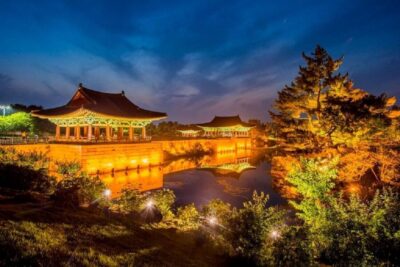
Gyeongju Guided Day Trip to Three Kingdoms Capital
Read our review →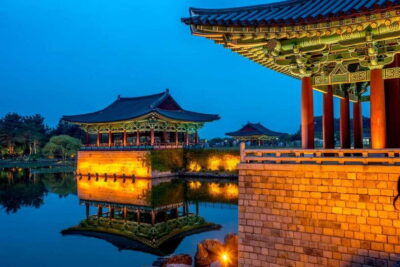
Gyeongju UNESCO World Heritage Guided Day Tour
Read our review →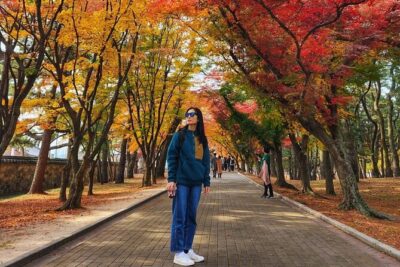
Old Korea Thousand History Tour of Gyeongju from Busan
Read our review →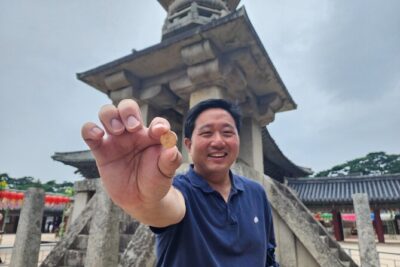
Private Gyeongju Tour – Explore Gyeongju UNESCO Sites
Read our review →
Gyeongju UNESCO Legacy Tour with National Museum
Read our review →
UNESCO Heritage Tour Including Bulguksa Temple
Read our review →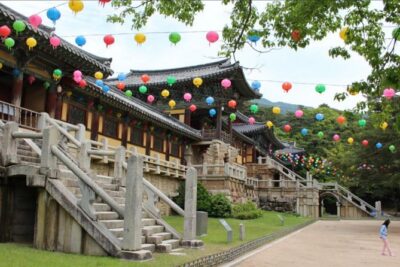
Gyeongju UNESCO World Heritage Sites and History Full-Day Tour with Lunch
Read our review →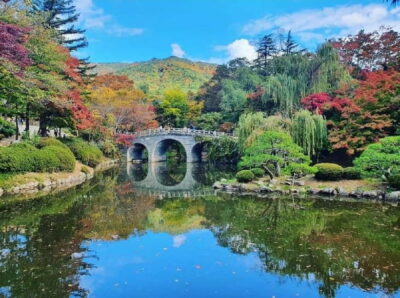
Browse the lists this tour appears in