
Reviewed · KOREAN FOOD & STREET FOOD TOURS
Noryangjin Fish Market Dinner
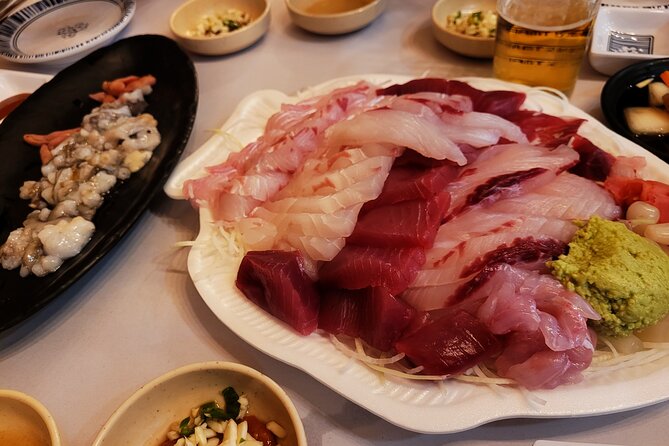
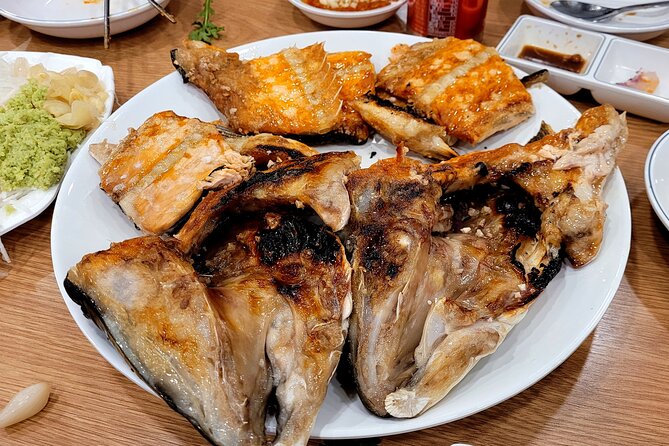
At Seoul’s Noryangjin Fish Market, dinner begins before you sit down. You walk the aisles, look over the day’s catch, and let local guide Lee help choose seafood for the meal. The fish is then prepared at a restaurant inside the market, giving you a direct look at one of Seoul’s most distinctive food traditions.
I like the small group limit of seven, which leaves room for questions and makes the market easier to handle. I also like that Lee can help bridge the language gap and explain unfamiliar seafood, from sashimi to abalone and sea pineapple. The main drawback is that the standard dinner does not include crab, lobster, or drinks, and the seafood selection changes with the market.
Key things to know before booking
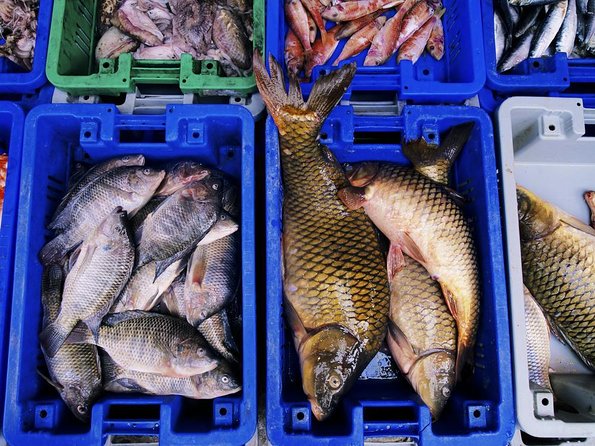
- Dinner starts at the fish stalls: You choose seafood at Noryangjin before taking it to a market restaurant for preparation.
- Lee leads the experience: The Korean-speaking guide helps with ordering, explains local seafood customs, and can offer Seoul suggestions.
- The group stays small: No more than seven people take part, with a minimum number required for the activity to run.
- The menu changes: Seafood depends on the season and the day’s market supply, so no fixed menu is promised.
- Crab and lobster cost extra: They are not part of the included dinner, and drinks are also separate.
- The evening finishes at Sayuksin Park: You get a short walk and views toward the Han River after eating.
Starting at Seoul’s largest fish market
Noryangjin Fisheries Wholesale Market handles roughly half of the metropolitan area’s seafood volume, with about 250 to 300 tons of fishery products traded each day. That scale matters. This is not a small tourist display built for photographs. It is a working market where seafood moves from seller to buyer and then onto dinner plates.
You meet at Noryangjin Station, which makes the starting point practical for an evening outing. From there, the experience takes you into the market’s retail area, where rows of vendors display fish and other seafood. You might see familiar species alongside items you have never considered ordering.
I think this setting gives the dinner its real value. A restaurant meal alone would be easier, but it would not show you how seafood is selected or how the market functions. Here, the food has a place and a process before it reaches your table.
The market can feel like a lot to take in at first. There are many stalls, plenty of visual information, and seafood names that may not be familiar. That is exactly where a Korean-speaking guide helps. Lee knows the vendors and can make the buying stage less confusing, especially if you are not comfortable negotiating or asking questions in Korean.
More eating your way around Seoul:
- Seoul: Gyeongbok Palace, Bukchon Village, and Gwangjang Tour
★ 4.9 · 2,321 reviews - Seoul Street Food Market Tour
★ 5.0 · 1,226 reviews - Seoul: Gyeongbok Palace, Bukchon Village, and Gwangjang Tour
★ 5.0 · 1,044 reviews
Choosing seafood with Lee’s help
The seafood is selected according to the market conditions that day. Lee chooses what makes sense for the group and aims for the best available catch, but you should not arrive expecting a precise list of dishes.
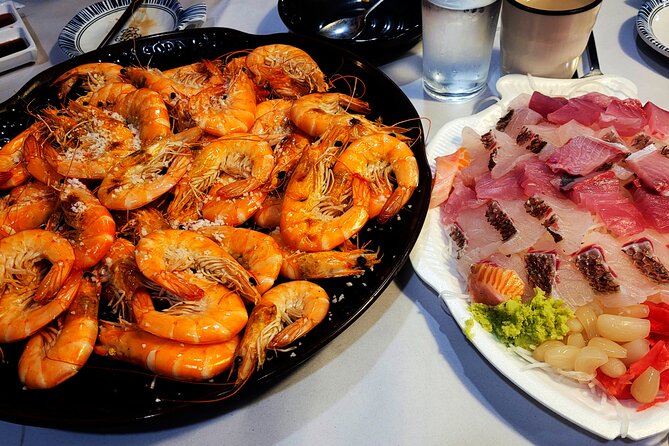
That changing menu is part of the point. Seafood supply varies by season and by the day’s market situation, so the dinner can feel more connected to what is available in Seoul at that moment. One evening may feature several kinds of sashimi, while another might include shrimp, abalone, sea pineapple, sannakji, or spoon worms.
These are not all beginner-friendly foods. Sannakji, or live octopus, and spoon worms may be a stretch if you prefer familiar meals. You can ask questions and make your preferences clear, but the activity is designed around trying seafood rather than ordering a standard Western-style dinner.
Lee’s role is especially useful here. She can explain what you are looking at, help with the purchase, and guide the group toward a meal that works for the day. Past experiences with her have also included help buying extra seafood that participants especially wanted to try. Those additional purchases should be treated as personal expenses, not part of the tour price.
The standard dinner includes seafood selected for the group, but crab and lobster are excluded. The activity information notes that these may be purchased at an additional cost. Drinks are not included either, so keep some extra money available if you want anything beyond the included food.
From market stall to restaurant table
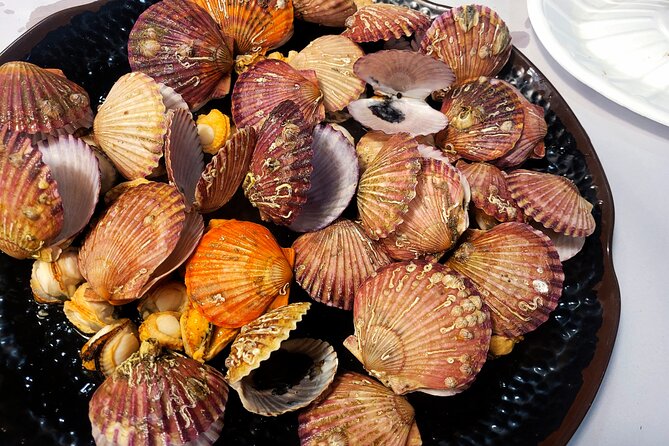
After the seafood is purchased, you follow Lee to a restaurant inside the market. The restaurant prepares the selected fish, turning the market purchase into a sit-down meal without requiring you to figure out the cooking arrangements yourself.
This is a strong part of the experience. Noryangjin can be visited independently, but the buying and preparation process may be hard to understand on your first attempt. With the guide handling the transition, you get to focus on the meal and the conversation.
The food may include raw preparations and less familiar seafood. People who enjoy sashimi and fresh shellfish will likely get the most from this dinner. If you have food restrictions or strong dislikes, it is sensible to raise them with Lee before choosing the seafood.
The meal is included in the $112.55 per-person price, but the value depends on what you want from the evening. You are paying for more than a plate of fish. The price covers a local guide, help at the market, dinner, and a small group setting. It also saves you from handling the language barrier while buying seafood in a large working market.
Still, this is not the cheapest way to eat seafood in Seoul. If your only goal is to have a meal, you can find less expensive options. The price makes more sense if you want the market explanation, assistance with unfamiliar dishes, and a social dinner with a limited number of people.
Why the small group matters
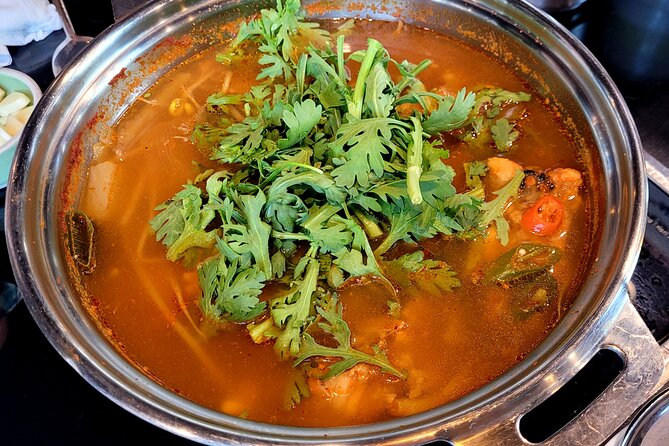
The maximum group size is seven. That is a useful limit in a market where a large party could easily become unwieldy. You should have a better chance to hear Lee, ask questions, and see the seafood she is explaining.
The small size also helps at dinner. Conversations can include the whole table rather than breaking into separate groups. Several people have found Lee’s style friendly, funny, and easy to talk with, and solo participants may appreciate the chance to share a meal rather than eat alone.
One especially useful feature is the possibility of a very small group. In one case, a participant had Lee as the only guide for the tour, creating a relaxed meal that felt more like spending time with a local acquaintance. You should not assume you will have a private tour, but the seven-person cap keeps the setting personal.
There is one important condition. The activity runs only when the minimum number of participants is met. The provider notes that at least two participants are needed, and restaurant bookings may require three or more people. If the minimum is not reached, you will be offered another date or experience, or receive a full refund.
A few more things to do in Seoul worth a look
- Seoul: Guided City Wall Sunset Hike with Korean Dinner
★ 4.9 · 227 reviews - Seoul: Baseball Game Ticket with Dinner/Beer with the host
★ 5.0 · 94 reviews - Full Day- Essential Seoul City Tour & Gourmet Tour(including Lunch and Dinner)
★ 5.0 · 73 reviews - Seoul Food n Night view with Local Korean BBQ dinner Hongdae st.
★ 5.0 · 30 reviews
A short walk to Sayuksin Park
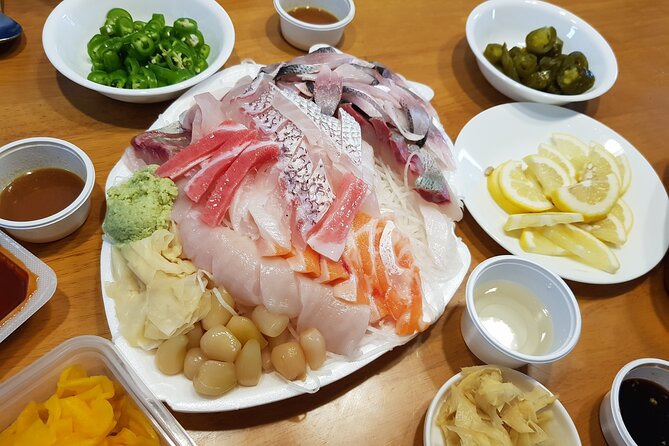
The dinner is not the final stop. After eating, you walk to Sayuksin Park, a historic spot connected with the tombs of the seven loyalists of King Danjong. The park also gives you views toward the Han River.
This closing walk adds a useful change of pace. The market is all movement, seafood stalls, and dinner decisions. Sayuksin Park offers a quieter end to the evening and a chance to talk with Lee about Seoul or ask for ideas for the rest of your trip.
The park visit is brief rather than a full historical tour. The main focus remains the market dinner, so do not book this expecting an in-depth exploration of King Danjong’s period. Think of the park as a pleasant final stop with cultural context and river views.
What the guide adds to the evening
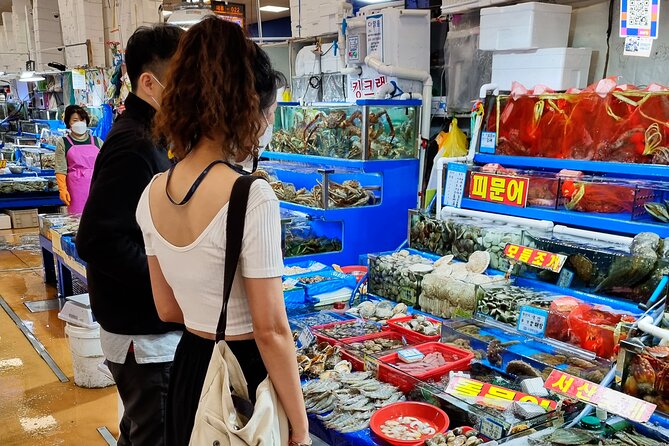
Lee is the key to this activity. She speaks Korean, knows the market vendors, and can explain local seafood practices in a way that helps you make sense of the setting.
She also offers practical Seoul knowledge beyond the meal. People have received suggestions for places to visit later, and the conversation can extend naturally into questions about Korea. That is useful if this is one of your first evenings in Seoul and you want advice grounded in local experience.
The guide’s market knowledge also reduces the worry of choosing badly. Noryangjin has many sellers and many types of seafood. Without help, you might not know what is fresh, what is in season, or how much food is reasonable for your group. Lee selects seafood based on the day’s conditions, which keeps the meal from being locked into a rigid menu.
You should remember that the tour is not a private seafood-shopping service. Lee chooses the included seafood, and any special requests or extra items may cost more. The best approach is to treat the menu as an introduction to what the market offers, then ask questions if something catches your eye.
Who will enjoy this Noryangjin dinner
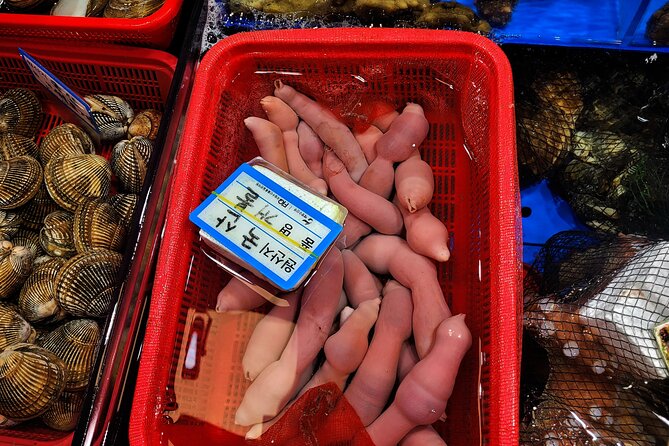
I would recommend this experience to you if you want food to be a doorway into Korean culture. It suits curious eaters who like trying unfamiliar seafood and want more context than a restaurant menu can provide.
It is also a good fit for solo visitors, couples, and small groups who prefer a guided activity without a large coach or a crowded tour format. The evening lasts about two hours, so it can fit neatly into a Seoul itinerary.
You will probably enjoy it most if you:
- Like sashimi, shellfish, and fresh seafood
- Want help communicating at a Korean market
- Enjoy small-group conversation
- Prefer local food experiences over polished tourist restaurants
- Are comfortable with a menu that changes each day
This may not suit you if you need a fixed menu, avoid raw seafood, or want crab and lobster included in the listed price. It may also disappoint if you expect a long cultural lecture or a full evening of sightseeing. The market and dinner are the main event, while Sayuksin Park provides a short finish.
Timing, transport, and booking details
The experience lasts about two hours and starts at Noryangjin Station. It ends back at the meeting point after the market dinner and the walk to Sayuksin Park.
Noryangjin Station is near public transportation, so you can reach the starting point without arranging a private transfer. A mobile ticket is provided, and confirmation is issued when you book.
The activity is generally suitable for most participants, but the supplied information does not promise a specific accessibility setup. If you have mobility needs, contact the provider before booking so you can confirm that the market route and park walk work for you.
This experience is often booked around 45 days in advance. That does not guarantee that every date sells out, but it is a useful signal to reserve early if the dinner is important to your Seoul plans.
Free cancellation is available up to 24 hours before the local start time. Cancellations or changes made less than 24 hours ahead are not refunded or accepted. If the minimum number is not reached and the provider cancels, you will be offered another option or a full refund.
Is $112.55 a fair price?
The price is fair for the right kind of evening, but it is not a bargain meal. The included dinner, guide, market visit, and small group are bundled together, so you are paying for access and assistance as much as for the seafood itself.
The strongest value comes from the language help. Buying fresh seafood in a large Korean market can be confusing, especially when you do not know the names, prices, or preparation options. Lee’s presence makes the process more approachable and gives the meal a local frame.
The value is weaker if you do not care about the market process or already feel confident ordering seafood in Seoul. In that case, booking a restaurant directly may cost less and offer more control over the menu.
Keep money aside for drinks and optional crab or lobster. You may also want extra funds if you hope to buy a particular seafood item beyond what Lee selects for the included meal.
Should you book the Noryangjin Fish Market Dinner?
Book it if you want a friendly, food-focused introduction to one of Seoul’s major seafood markets and you are happy to let the day’s supply shape dinner. The small group, Lee’s local guidance, and the restaurant preparation make the experience much easier than attempting the market alone.
Skip it if you want a fixed menu, a low-cost dinner, or a tour centered mainly on historical sightseeing. For adventurous eaters, first-time visitors, and anyone curious about Korean seafood traditions, this is a practical way to turn a market visit into a complete evening.
FAQ
Where does the Noryangjin Fish Market Dinner start?
The activity starts at Noryangjin Station in Seoul, South Korea.
Where does the activity end?
The experience ends back at the meeting point after dinner and the walk to Sayuksin Park.
How long does the experience last?
The dinner and market experience lasts approximately two hours.
What is included in the price?
Dinner is included. The seafood is selected during the market visit and prepared at a restaurant inside the market.
Are drinks included?
No. Drinks are not included in the tour price.
Are crab and lobster included?
No. The standard experience does not include crab or lobster. These can involve an additional cost.
How large is the group?
The activity has a maximum of seven participants.
Does the activity require a minimum number of participants?
Yes. The experience operates only when the minimum number of participants is met. If it is canceled for that reason, you will be offered another date or experience, or receive a full refund.
Who leads the experience?
The experience is provided by Honey Trail and led by Lee, a Korean-speaking guide.
Can I cancel for a full refund?
Yes. You can cancel at least 24 hours before the local start time for a full refund. Cancellations or changes made less than 24 hours before the start are not accepted or refunded.
More Shopping Tours in Seoul
- Private DMZ Tour (No Shopping): 3rd Tunnel & Suspension Bridge
★ 5.0 · 607 reviews - Seoul Night Palace & Market Food Tour with Vehicle
★ 5.0 · 275 reviews - Cook 3 Authentic Korean Dishes with Local Market Tour
★ 5.0 · 231 reviews - Korean Palace and Market Tour in Seoul Including Insadong and Gyeongbokgung Palace
★ 4.0 · 174 reviews
More Market Tours in Seoul
- Local Home Korean Cooking Class & Market Adventure in Seoul
★ 5.0 · 1,024 reviews - Seoul: Night Market Food Tour with Local Guide
★ 4.9 · 943 reviews - Downtown Seoul Guided Food & Market Tour with 8+ Local Tastings
★ 5.0 · 580 reviews - Seoul: Korean Cooking Class at a Local Home and Market Tour
★ 5.0 · 348 reviews
Just added in Seoul
- Your Personal Seoul Photographer!★ 4.1 · 15 reviews
- You’re Invited to Our Home in Seoul: The Only Cooking Class!★ 5.0 · 8 reviews
- From Seoul: Yongpyong Ski Day Tour with Transportation★ 4.9 · 40 reviews
- Seoul: Korean & English Language Exchange Global Party★ 5.0 · 28 reviews
- From Seoul: Hwacheon Ice Fishing and Lighting Festival Tour★ 4.5 · 4 reviews
- Unique Native Experience : Han River Picnic, Board game, BBQ★ 5.0 · 3 reviews
- Seoul: Gangneung BTS K-Pop & K-Drama Filming Locations Tour★ 4.6 · 14 reviews
- K-Pop Making Class with a Producer!★ 5.0 · 3 reviews
Korean Food & Street Food Tours, compared.
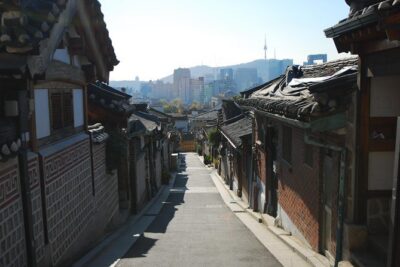
Gyeongbok Palace, Bukchon Village, and Gwangjang Tour
Read our review →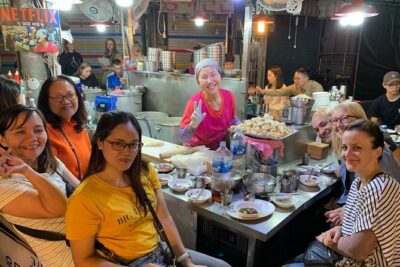
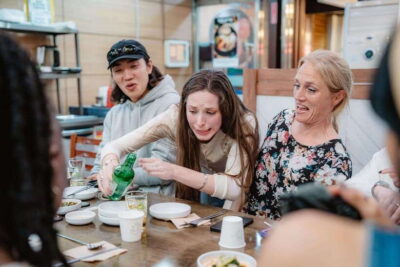
Seoul Night Palace & Market Food Tour with Vehicle
Read our review →
Seoul Fun Food Tour: 12 different food tastings
Read our review →
The Award-Winning PRIVATE Food Tour of Seoul: The 10 Tastings
Read our review →
Seoul Night Tour (Gwangjang Market, Royal Palace and Naksan Park)
Read our review →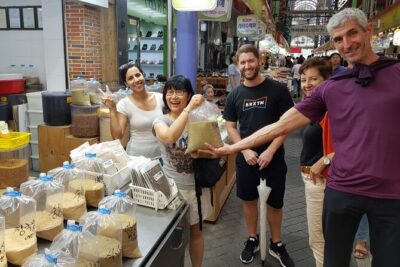
Busan history and market food tour with local chef
Read our review →Browse the lists this tour appears in