
Reviewed · HISTORICAL TOURS
Seoul History Tour: Dark Past & Market Street Flavors
Seoul’s past feels most immediate at Seodaemun Prison, where narrow cells and stark buildings show the human cost of Korea’s fight against Japanese colonial rule. From there, the tour moves through Dilkusha and Deoksugung Palace before ending with noodles and other street foods at Namdaemun Market. It is a smart route from national struggle to daily life.
I like the way the tour connects political history with food culture, rather than treating Seoul’s sights as separate stops. I also like that admissions, local transportation, and market tastings are included in the $65 price. The main drawback is pace: four hours covers a lot, and one person found the schedule rushed. Expect plenty of walking and only brief time at each stop.
Key points to know before booking
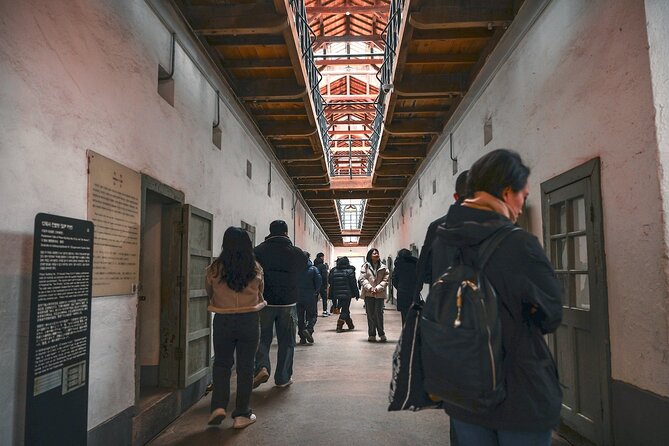
- Seodaemun Prison gives the tour its emotional weight: Allow yourself time to absorb the cells, exhibits, and stories of independence fighters.
- Deoksugung shows Korea in transition: Its traditional palace grounds sit beside modern Seoul and include Western-style architecture.
- Dilkusha adds an international angle: The house belonged to American journalist Albert W. Taylor, who supported Korea’s independence.
- Namdaemun provides the everyday finish: Tastings in Kalguksu Alley bring the past into the present through familiar local food.
- The route is active and time-conscious: The tour lasts about four hours, begins at 2:30 pm, and requires moderate physical fitness.
- The price covers the major extras: Your guide, transportation, entrance fees, and food tastings are included. Tips are not.
Why this Seoul route works
This tour has a clear story. It begins with imprisonment and resistance, moves into foreign support and royal change, and ends in a market that has served Seoul for centuries. That progression gives the afternoon more shape than a simple list of famous sights.
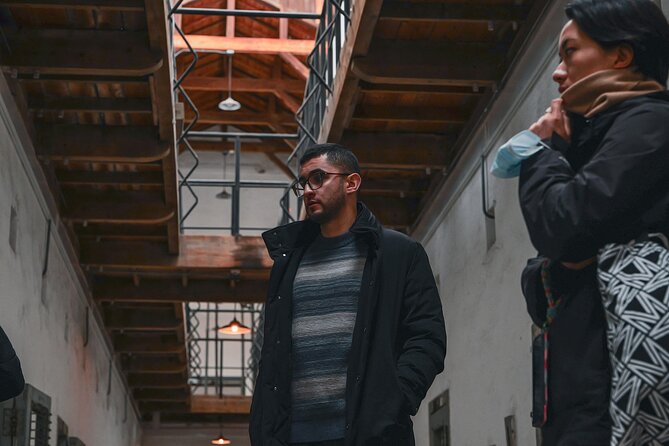
I especially like the contrast between the stops. Seodaemun Prison is quiet and severe. Deoksugung is formal but more open, with royal buildings set against the city. Namdaemun is practical and noisy, centered on food, shopping, and the daily business of Seoul.
The tour is led in English by a professional guide. The company describes its guides as trained in Korean history, and guide Kim received specific praise for being helpful and attentive when a participant needed extra assistance. You can expect explanations about the Japanese occupation, the independence movement, royal modernization, and older Korean defense systems.
The possible weakness is the schedule. Fifty minutes at Seodaemun Prison, 30 minutes at Dilkusha, 40 minutes at Deoksugung, 20 minutes around City Hall and Sungnyemun Gate, and one hour at Namdaemun leaves little spare time. If you like lingering over museum displays or taking many photographs, you may feel hurried.
A few more things to do in Seoul worth a look
- Seoul Street Food Market Tour
★ 5.0 · 1,226 reviews - Local Home Korean Cooking Class & Market Adventure in Seoul
★ 5.0 · 1,024 reviews - Seoul: Night Market Food Tour with Local Guide
★ 4.9 · 943 reviews
Seodaemun Prison, where the tour begins
The first stop is Seodaemun Prison History Hall, reached at the starting point in Hyeonjeo-dong, Seodaemun-gu. You spend about 50 minutes inside, with admission included.
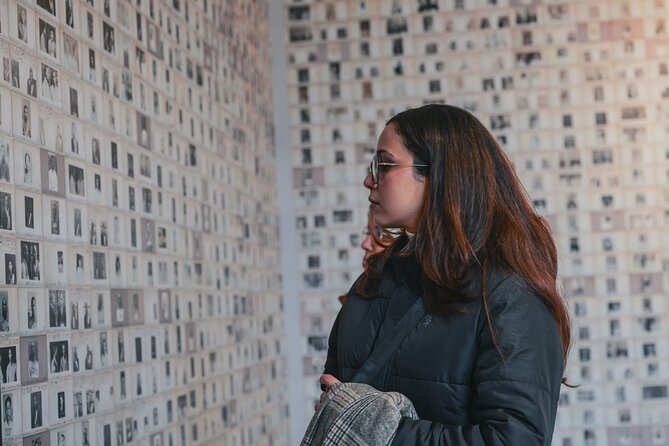
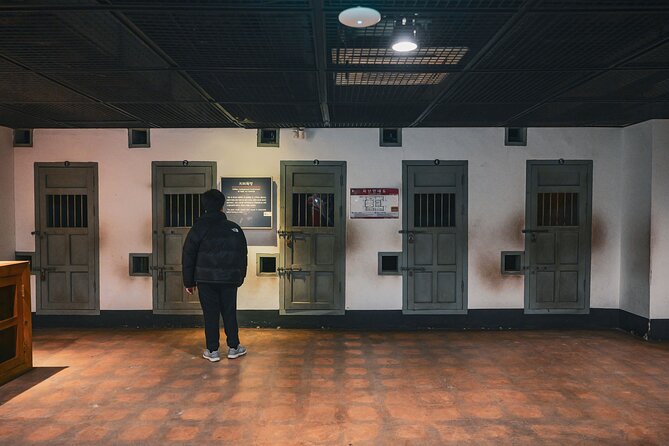
This is not a light introduction to Seoul. The former Japanese colonial prison presents the detention and abuse of Korean independence fighters. Its cells and prison buildings make the subject physical. Instead of hearing only dates and political terms, you see the spaces where people were confined and punished.
The visit is also useful for understanding Korea’s independence movement in human terms. Your guide can explain why the prison became associated with resistance and how the colonial period shaped modern Korean identity. Several people who took the tour found the site memorable because the setting made the history difficult to ignore.
Give this stop your full attention. It is tempting to rush through a museum when you have a fixed schedule, but Seodaemun is the place where the tour’s central idea takes hold. The stories are serious, and some displays may feel emotionally heavy.
The stop is best for anyone who wants more than palace architecture and shopping. If your main interest is food, fashion, or modern city life, this beginning may feel intense. Still, it gives the rest of the afternoon a reason and context.
Dilkusha and the international side of independence
Next comes Dilkusha, the former home of American journalist Albert W. Taylor. The visit lasts about 30 minutes, and there is no separate admission charge.
The house adds an important outside perspective. Albert Taylor supported Korea’s independence, and Dilkusha became linked with the country’s struggle during a period when international attention mattered. The name means Heart’s Delight, an unexpectedly warm title for a site connected to such difficult political events.
This stop helps you see the independence movement as more than a purely domestic story. Korea’s fight for freedom also drew support and attention from people beyond the peninsula. Your guide can connect Taylor’s role with the broader idea of international solidarity.
Thirty minutes is enough for an introduction, but not a long, leisurely house visit. The short stop works because the tour is moving toward a wider picture of Seoul’s past. It may disappoint you if you want a slow architectural visit or extensive time inside every room.
I find Dilkusha valuable because it breaks up the route. After the heavy mood of Seodaemun Prison, the house gives you a different angle: journalism, foreign involvement, and the way personal choices can become part of national history.
Deoksugung Palace and Korea’s turn toward modernity
Deoksugung Palace receives about 40 minutes, with admission included. Compared with some of Seoul’s larger palace visits, this is a compact look at a royal compound shaped by political pressure and modernization.
The palace is notable for its mix of Korean royal design and Western architectural influence. That contrast is not just visual. It reflects a time when Korea was dealing with outside pressure, changing institutions, and the difficult business of adapting to a modern world.
The setting also changes the mood of the tour. Seodaemun is enclosed and severe. Deoksugung offers open courtyards, traditional buildings, and a clearer sense of royal life. At the same time, Seoul’s modern skyline is close by, making the palace feel like an old center surrounded by a new city.
Several participants singled out Deoksugung as the afternoon’s most beautiful stop. One person who had already visited other Seoul palaces found this one especially appealing because of its modern architectural elements. That is a useful clue for palace fans: Deoksugung offers something different from a tour focused only on classic Joseon forms.
Forty minutes is enough to understand the palace’s role, but not enough to study every structure in detail. Your guide’s explanation matters here. Without context, you may see a pretty royal compound. With context, you can read the buildings as evidence of Korea’s political transition.
Same base, a different kind of day out:
- Best DMZ Tour Korea from Seoul (Red Suspension Bridge Optional)
★ 5.0 · 41,422 reviews - DMZ Tour: 3rd Tunnel, Option(Suspension Bridge, Boat) from Seoul
★ 5.0 · 21,373 reviews - DMZ tour south Korea from Seoul (NK experience hall, defector)
★ 5.0 · 20,599 reviews - Seoul: DMZ Tour with Optional Suspension Bridge
★ 4.8 · 5,277 reviews
City Hall and Sungnyemun Gate
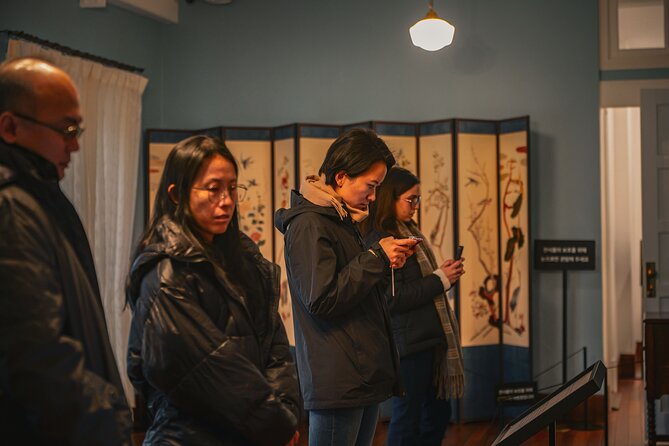
The route then passes Seoul City Hall and Sungnyemun Gate, also known as Namdaemun. This section takes about 20 minutes, and there is no separate admission charge.
City Hall provides a modern civic counterpoint to the earlier sites. The route frames Seoul’s development as a movement from colonial rule toward a modern democracy. That does not mean the stop offers a full lesson in contemporary Korean politics, but it gives you a visual link between the past and the city you see today.
Sungnyemun Gate adds a much older layer. It was one of Seoul’s historic gates, connected to the city’s defenses and old boundaries. The tour uses the gate to explain aspects of Korean defense systems and the way Seoul’s historic structures fit into the modern capital.
Twenty minutes is a short visit. Think of it as a guided orientation rather than a full monument stop. You may have time for photographs and an explanation, but not a long exploration.
This part of the route is useful because it keeps the tour from becoming only a museum-and-palace outing. You see Seoul functioning as a city, with government buildings, traffic, historic walls, and commercial streets sharing the same space.
Namdaemun Market and the comfort of street food
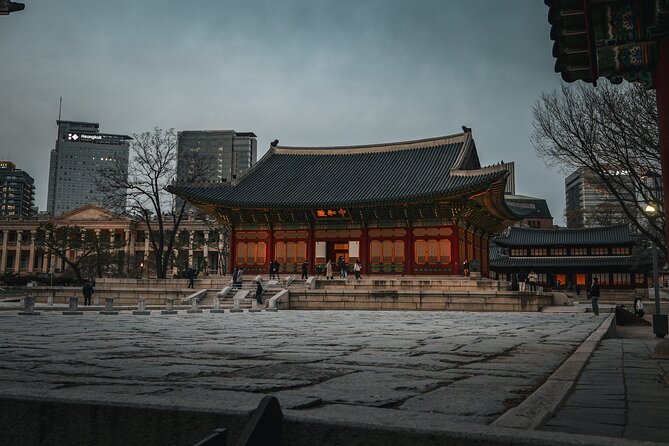
The final stop is Namdaemun Market, where you spend about an hour. The market is described as Korea’s largest and oldest traditional market, with more than 600 years of commercial history. The tour ends here at Namdaemunsijang 4-gil.
This is where the tour’s serious themes meet ordinary life. Namdaemun is not presented as a polished cultural show. It is a working market, and its food stalls offer a direct look at what people eat in a busy Seoul neighborhood.
The included tastings center on Kalguksu Alley, known for kalguksu, hand-cut noodle soup. The meal is humble and filling, which suits the tour’s final message. After hearing about royal power, colonial hardship, and independence movements, you finish with food that belongs to everyday Seoul.
The market hour is one of the strongest practical features of the tour. Food tastings are included, so you do not need to guess how much to order or worry that the final stop will become an expensive add-on. The selection of food is not detailed in the information provided, so you should ask your guide about the available tastings if you have allergies or dietary limits.
Namdaemun can feel crowded and fast-moving. Keep track of your belongings and stay close to the group. The market is also the endpoint, so you can continue exploring on your own afterward if you want more time for shopping or food.
What $65 includes, and where the value lies
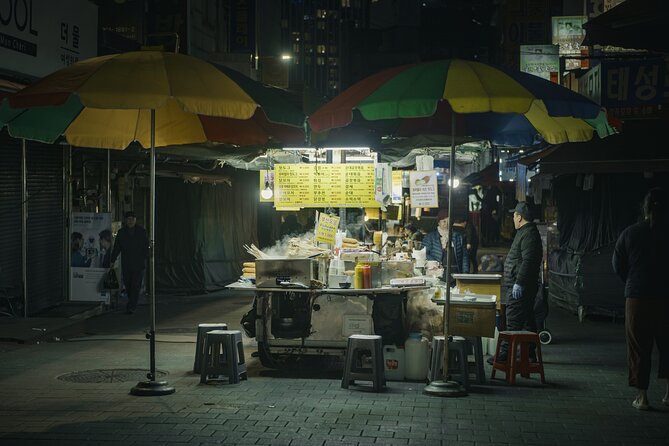
At $65 per person, the tour is not the cheapest way to visit these places independently. Its value comes from what is bundled together: an English-speaking guide, transportation costs, entrance fees, and food tastings.
Buying individual admissions may not cost much by itself, but arranging five stops across Seoul takes time. You would also need to plan the route, work out transfers, and find a clear explanation of how Seodaemun Prison, Dilkusha, Deoksugung, Sungnyemun, and Namdaemun connect.
The strongest value is the interpretation. Seodaemun Prison and Deoksugung are much more meaningful when you understand why they matter. The tour also gives you a structured way to reach Namdaemun Market without losing the historical thread.
The tradeoff is flexibility. You cannot linger at one place for half an hour extra without affecting the rest of the group. A private tour would offer more control, but this option gives you a guide, admissions, transport, and food in one afternoon at a moderate price.
Tips are not included. The tour is usually booked around 13 days ahead, so it is sensible to reserve early if your Seoul schedule is fixed.
Timing, walking, and communication details
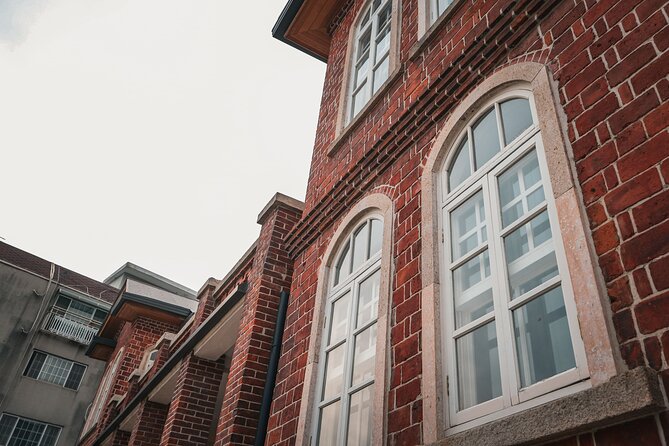
The tour begins at 2:30 pm and lasts about four hours. You start at 95-10 Hyeonjeo-dong in Seodaemun-gu and finish at Namdaemun Market, not back at the starting point.
That one-way design is useful. You keep moving toward central Seoul rather than retracing your steps. It also means you should plan your evening from Namdaemun, where you can continue eating or shopping after the tour.
You need a moderate level of physical fitness. The schedule includes walking between sights, standing in museums and palace grounds, and moving through a market. Comfortable shoes are the practical choice.
The provider sends detailed information and the guide’s contact through WhatsApp one day before the tour. Give a phone number that works with WhatsApp when booking. If you do not use WhatsApp, the information is sent by email, but communication with the guide may be harder.
The tour is scheduled to operate in rain or snow. The booking terms also say the experience requires good weather and may be canceled if conditions make it impossible to proceed. If that happens, you are offered another date or a full refund.
The maximum group size is listed as 99 people. That is a high possible limit, although the actual group may be smaller. If you dislike large groups, ask about the expected size before booking.
Who should book this tour
I would choose this tour if you want a serious introduction to Korea’s modern history but also want food and city life in the same afternoon. It suits first-time Seoul visitors who need structure and anyone who wants an English explanation at sites that may be easy to miss independently.
It is especially good for people interested in the Japanese colonial period, the Korean independence movement, royal modernization, and the link between history and ordinary life. The stop at Dilkusha also makes it useful if you want to understand the role of foreign supporters in Korea’s independence story.
You should think twice if you want a relaxed pace. The four-hour schedule is full, and one participant felt the route moved too quickly. You should also reconsider if you prefer shopping or food tours with only a small amount of history, since Seodaemun Prison sets a sober tone from the start.
Final call: a strong history-and-food afternoon
Book this tour if you want Seoul explained through its difficult past as well as its daily pleasures. Seodaemun Prison is the emotional center, Deoksugung supplies the architectural contrast, and Namdaemun gives you a satisfying local finish.
The tour is not ideal for slow sightseeing. Its strength is the connected route and the guide’s interpretation, not long free time at each site. At $65, the included transport, admissions, and food make it a fair choice for someone who values context and convenience.
If you can handle a brisk walking pace and a serious opening, this is a thoughtful way to spend an afternoon in Seoul.
FAQ
How long is the Seoul History Tour?
The tour lasts approximately four hours.
What time does the tour begin?
The start time is 2:30 pm.
Where does the tour begin?
It begins at 95-10 Hyeonjeo-dong in Seodaemun-gu, Seoul, near Seodaemun Prison.
Where does the tour end?
The tour ends at Namdaemun Market, at 21 Namdaemunsijang 4-gil in Jung District, Seoul.
What is included in the $65 price?
The price includes an English-speaking professional guide, transportation costs, entrance fees, and food tastings at Namdaemun Market.
Are tips included?
No. Tips are not included.
Do I need to use WhatsApp?
The provider sends the guide’s contact and detailed information through WhatsApp one day before the tour. If you do not use WhatsApp, the information is sent by email, but communication with the guide may be more difficult.
Does the tour operate in rain or snow?
The tour is scheduled to operate in rain or snow. If weather makes it impossible to proceed, the provider offers another date or a full refund.
Can I cancel for a full refund?
Yes. You can cancel at least 24 hours before the start time for a full refund. Cancellations or changes made less than 24 hours before the tour are not accepted for a refund.
More Historical Tours in Seoul
- Seoul: Evening Dark History, Folklore & Ghost Story Walking Tour
★ 5.0 · 593 reviews - Hanbok Photoshoot and History Tour at Gyeongbokgung Palace
★ 5.0 · 276 reviews - From Seoul: Dae Jang Geum Park Historic K-Drama Set Tour
★ 4.9 · 143 reviews - Seoul: City Highlights and Historical Experience No Shopping
★ 5.0 · 74 reviews
More Shopping Tours in Seoul
- Private DMZ Tour (No Shopping): 3rd Tunnel & Suspension Bridge
★ 5.0 · 607 reviews - Downtown Seoul Guided Food & Market Tour with 8+ Local Tastings
★ 5.0 · 580 reviews - Seoul: Korean Cooking Class at a Local Home and Market Tour
★ 5.0 · 348 reviews - Seoul Night Palace & Market Food Tour with Vehicle
★ 5.0 · 275 reviews
Just added in Seoul
- Your Personal Seoul Photographer!★ 4.1 · 15 reviews
- You’re Invited to Our Home in Seoul: The Only Cooking Class!★ 5.0 · 8 reviews
- From Seoul: Yongpyong Ski Day Tour with Transportation★ 4.9 · 40 reviews
- Seoul: Korean & English Language Exchange Global Party★ 5.0 · 28 reviews
- From Seoul: Hwacheon Ice Fishing and Lighting Festival Tour★ 4.5 · 4 reviews
- Unique Native Experience : Han River Picnic, Board game, BBQ★ 5.0 · 3 reviews
- Seoul: Gangneung BTS K-Pop & K-Drama Filming Locations Tour★ 4.6 · 14 reviews
- K-Pop Making Class with a Producer!★ 5.0 · 3 reviews
Historical Tours, compared.
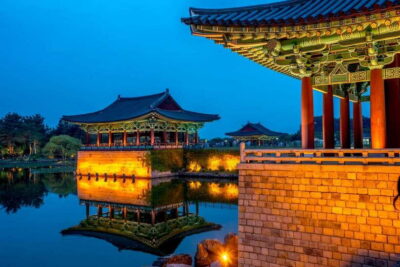
Gyeongju UNESCO World Heritage Guided Day Tour
Read our review →
Evening Dark History, Folklore & Ghost Story Walking Tour
Read our review →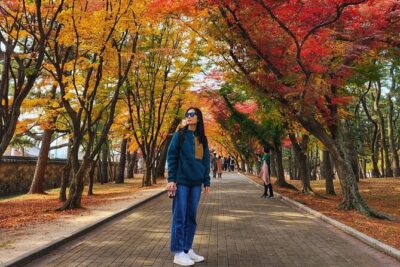
Old Korea Thousand History Tour of Gyeongju from Busan
Read our review →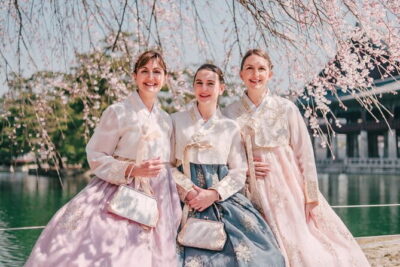
Hanbok Photoshoot and History Tour at Gyeongbokgung Palace
Read our review →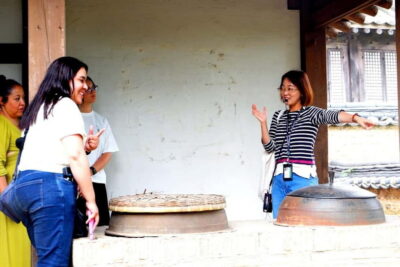
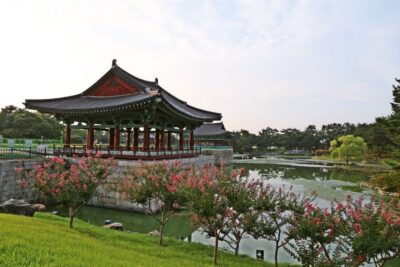
UNESCO Heritage Tour Including Bulguksa Temple
Read our review →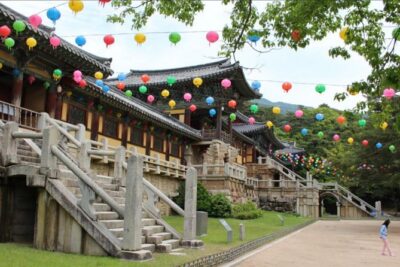
Gyeongju UNESCO World Heritage Sites and History Full-Day Tour with Lunch
Read our review →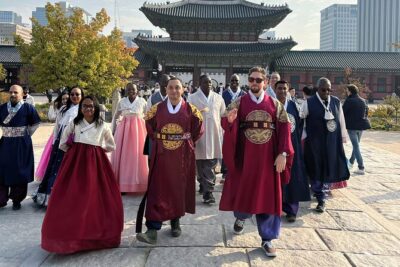
City Highlights and Historical Experience No Shopping
Read our review →Browse the lists this tour appears in