
Reviewed · GYEONGJU UNESCO DAY TOURS
From Busan: Gyeongju Full-Day Historical Tour
Gyeongju is South Korea’s ancient capital, and this tour packs its best-known Silla-era sights into one long day from Busan. I like the mix of grand monuments and smaller stops, especially Bulguksa Temple and the moonlit-looking waters of Donggung Palace and Wolji Pond.
I also like the practical setup: central Busan pickup and drop-off, admission included, and an English guide to connect the ruins and tombs to Korea’s Three Kingdoms story. The catch is the length. At about 10 hours, with one reported schedule running from late morning into the evening, you may return to Busan tired, and busy sites can limit your time to enjoy them.
Key points to know before booking
- Five major Gyeongju sights in one day: Visit Bulguksa, Yangdong Folk Village, Daereungwon, Cheomseongdae, and Donggung Palace and Wolji Pond.
- A history-led tour: Your guide explains the Silla period and Korea’s Three Kingdoms, rather than leaving you to read signs on your own.
- A $60 all-in sightseeing price: Transport and attraction admission are included, while food, drinks, insurance, and personal spending are extra.
- Pickup from Busan meeting points: You choose from three designated starting points, with matching drop-off options at the end.
- Guide Bada received special praise: The tour can include two guides, and Bada was singled out for an informative, entertaining approach.
- Plan for walking and weather: Comfortable shoes and sunscreen matter, and the tour runs rain or shine.
Why Gyeongju makes a worthwhile day from Busan
Busan is a modern port city with beaches, markets, and hills. Gyeongju offers a sharp change of pace. This was the center of the Silla kingdom and later the Unified Silla period, so the day is built around temples, royal burial grounds, old houses, and palace remains.
That makes this trip useful if you want historical context without arranging several trains, local buses, and separate admission tickets yourself. You can sit back during the drive through the Korean countryside and let the guide explain how the sites connect.
You should also set the right expectation. This is a highlights tour, not a slow archaeological study. You will see several important places, but the schedule gives you about 30 minutes at some stops and an hour at others. If you want long, quiet visits at every temple and tomb, an independent overnight stay in Gyeongju would give you more breathing room.
More Silla-era sites from Busan:
- Busan: Gyeongju Guided Day Trip to Three Kingdoms Capital
★ 4.8 · 1,925 reviews - From Busan: Gyeongju UNESCO World Heritage Guided Day Tour
★ 4.8 · 1,250 reviews - Gyeongju UNESCO World Heritage Guided Day Tour from Busan
★ 5.0 · 660 reviews
The ride from Busan and what the $60 covers
The tour begins at one of three designated Busan meeting points. The exact point depends on the option you book, so check your confirmation carefully rather than assuming the departure is near your hotel. The same three locations are used for the return.
Transport is by a spacious van or bus. The ride matters here because Gyeongju is in North Gyeongsang Province, outside Busan, and the day includes several separate stops. Instead of handling transfers yourself, you get a single vehicle and a guide who keeps the route moving.
At $60 per person, the value is strongest if you want the full set of included sights. Transportation and entrance fees are covered, along with an English guide. Food and drinks are not included, so keep money available for the one-hour restaurant break and any snacks or drinks you want during the day.
The value is less clear if you prefer to spend hours at one or two places. You are paying for convenience and coverage. You are not paying for a private tour or a leisurely pace.
Bulguksa Temple: the day’s strongest opening
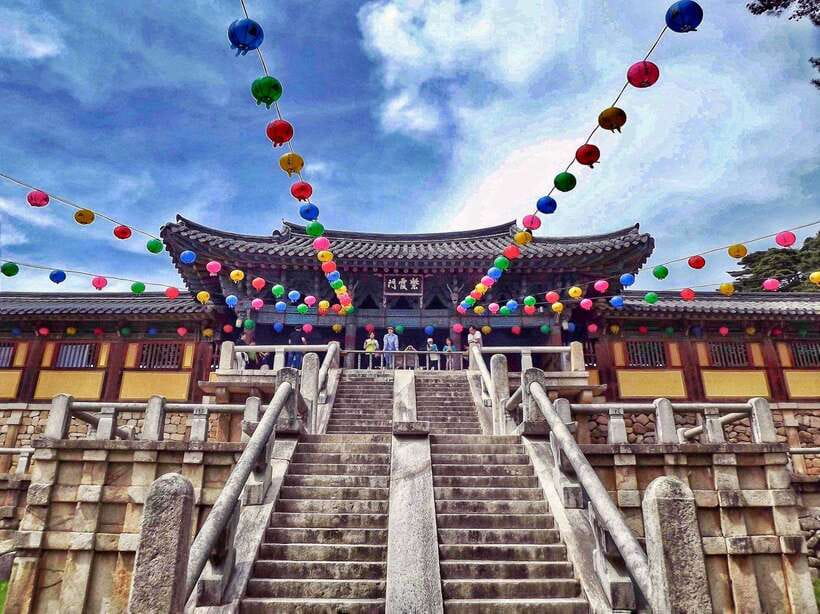
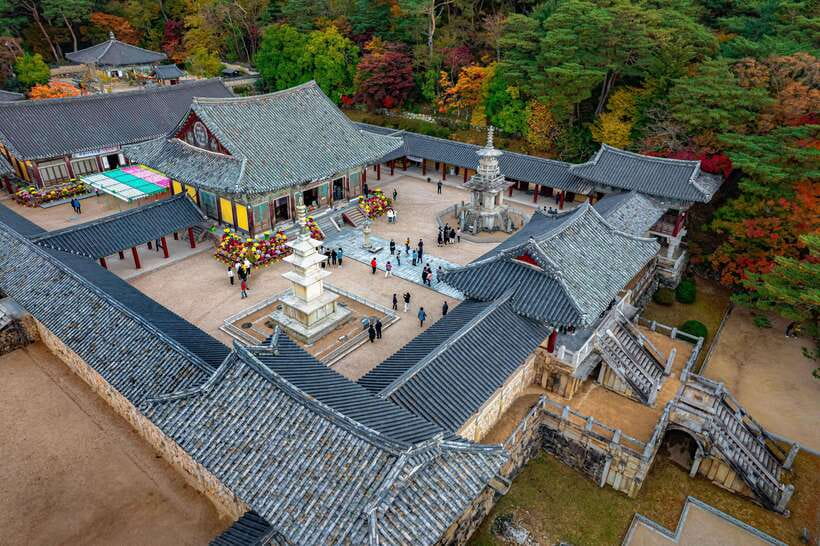
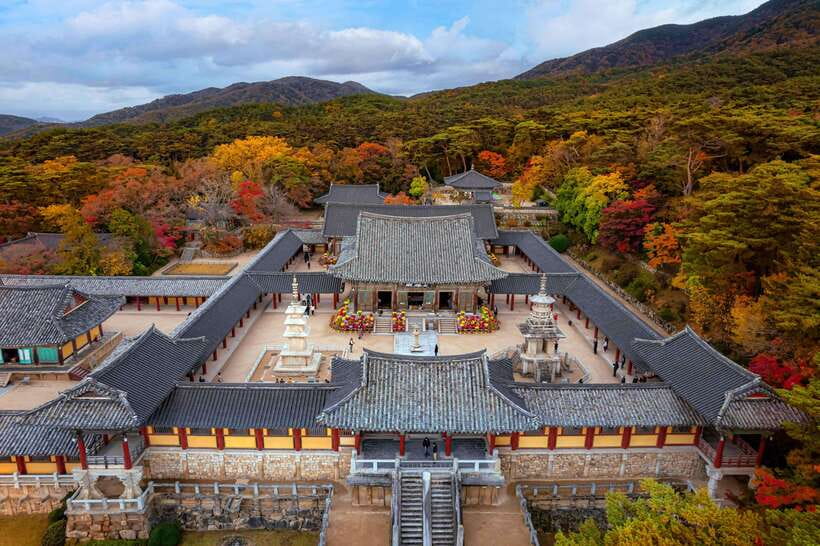
Bulguksa is the first major stop, with about 70 minutes for a guided visit. This UNESCO-listed temple is one of the day’s most important places, both for its architecture and for the way its buildings sit against the surrounding hills.
The guide helps you see the site as more than a pretty collection of roofs and stone steps. You learn how the temple relates to the Silla period and how its design works with the natural setting. That context is useful because a quick visit without explanation can feel like a walk through another attractive Korean temple.
Seventy minutes is enough for a meaningful introduction, though it is not a long, unhurried exploration. Wear shoes with good support. The tour is not suitable for people with mobility impairments or wheelchair users, and the day includes repeated walking at outdoor heritage sites.
Bulguksa is also where your expectations for the rest of the day become clear. You will get guided information, photo opportunities, and time to look around, but the group must keep to its schedule.
A restaurant break after the temple
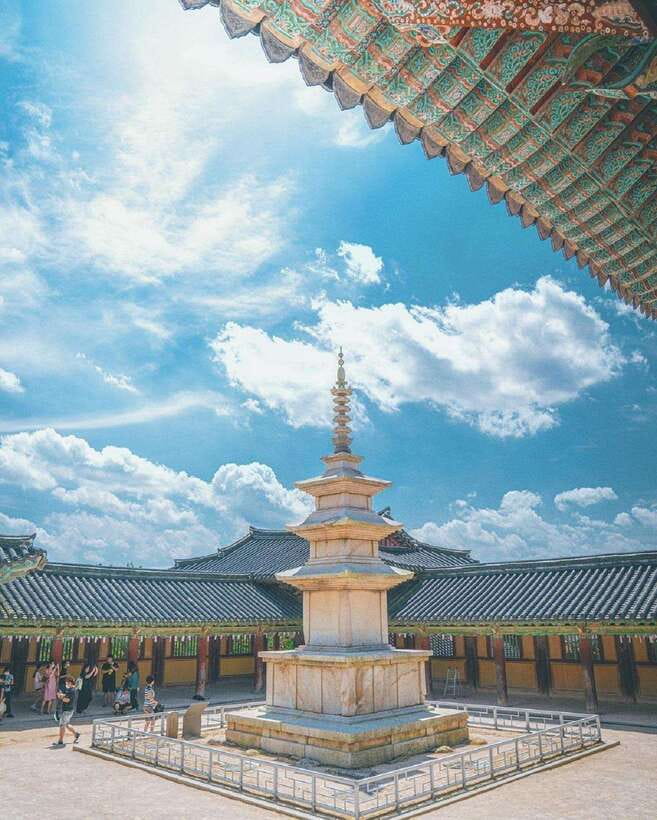
A one-hour break at a local restaurant follows Bulguksa. Since food and drinks are not included, this is your chance to buy lunch and take a proper pause before the afternoon sightseeing.
That break is important on a 10-hour outing. You are not simply moving from one monument to another without stopping. Still, the exact restaurant and menu are not specified, so plan to treat this as free time for a meal rather than a featured culinary experience.
If you have dietary needs, the supplied tour information does not promise specific arrangements. Bring any essentials you require and use the break to refill water, since sunscreen and comfortable shoes are specifically recommended for the day.
A few more things to do in Busan worth a look
- Old Korea Thousand History Tour of Gyeongju from Busan
★ 5.0 · 518 reviews - Busan history and market food tour with local chef
★ 5.0 · 58 reviews - From Busan: Echoes of Silla Gyeongju Historical Day Tour
★ 4.8 · 55 reviews - From Busan: Gyeongju Historical Day Tour with Sky Capsule
★ 4.7 · 17 reviews
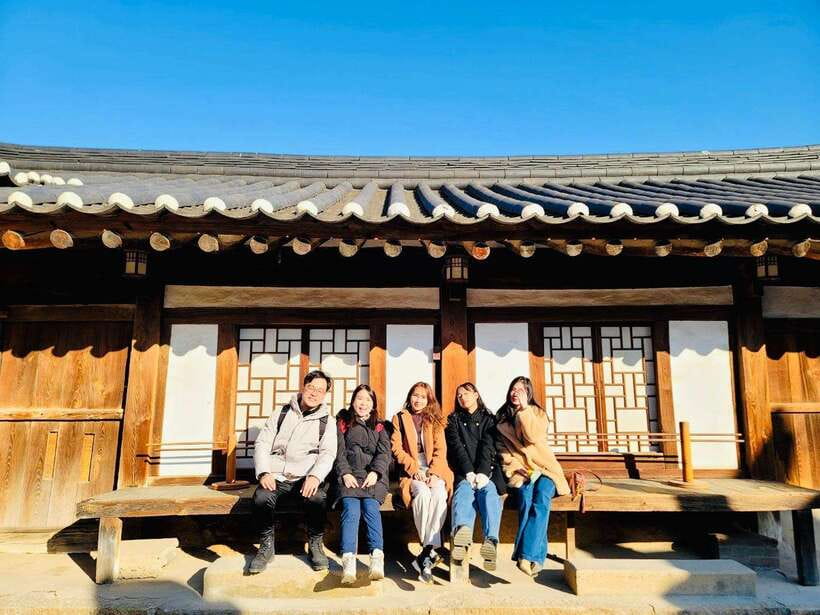
Yangdong Folk Village and traditional homes
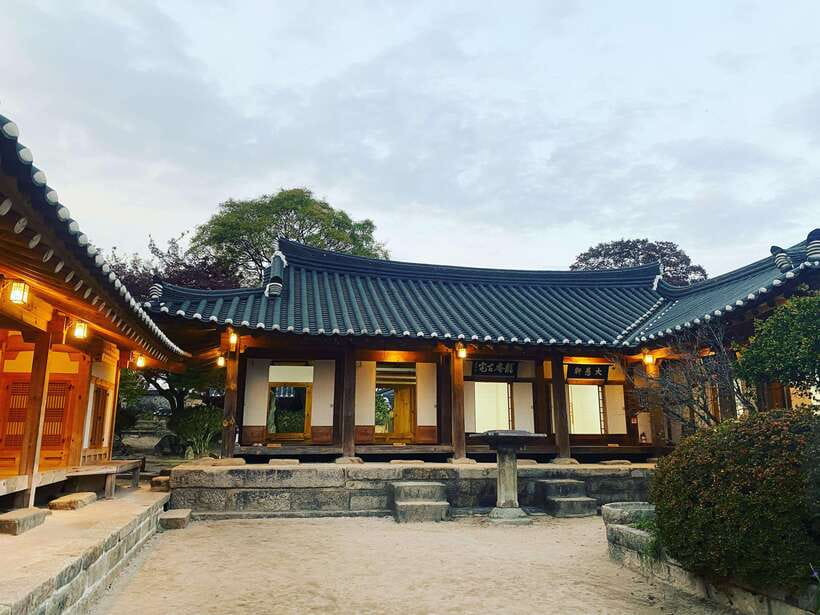
Yangdong Folk Village offers a different view of Korean heritage. Instead of temple courtyards and royal tombs, you see traditional hanok houses and a village setting with a more domestic feel.
The visit lasts about an hour and includes a guided tour and time for photographs. Look for the contrast between formal historic monuments and the elegant homes here. This stop helps make the day feel broader than a simple list of royal sites.
The information provided does not give a detailed history of individual houses, so your experience will depend in part on how much your guide explains on the day. The village is still a useful change of rhythm. After the formal scale of Bulguksa, the houses offer a closer look at traditional Korean building styles.
Because the tour runs in all weather, rain can affect how pleasant this outdoor visit feels. Bring suitable clothing, but keep your hands free for walking and photographs.
Daereungwon: royal tombs in the city
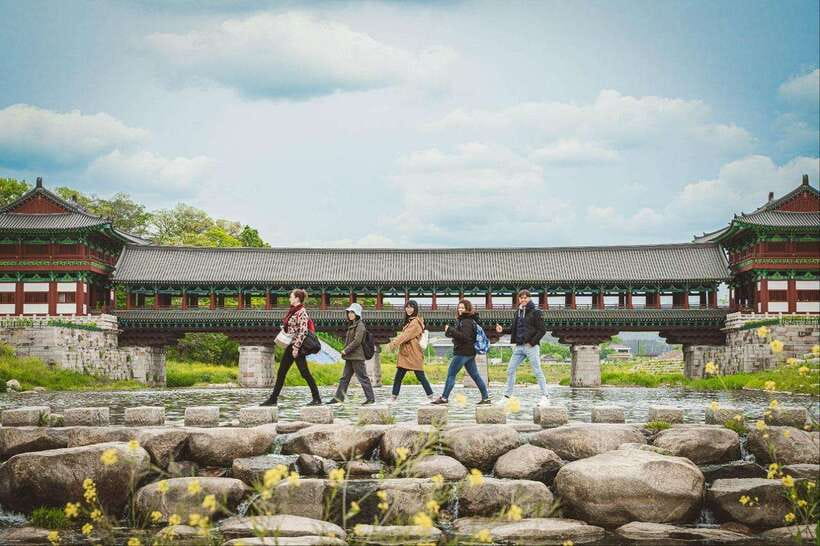
At Daereungwon Tomb Complex, you see large burial mounds connected with ancient Silla monarchs, queens, and aristocrats. The site is one of Gyeongju’s defining sights because the grassy mounds are not tucked away in a museum. They form a visible part of the city.
The guided visit lasts about an hour. Your guide can explain why these rounded tombs matter and how they fit into the story of Silla power. This is one of the places where a few clear facts make the view more meaningful. Without context, the mounds can look simple. With context, their size and placement speak to the people who were buried there.
Daereungwon is also a good place for photographs, but do not expect every view to be quiet. One of the practical drawbacks of this popular route is crowding. Busy conditions can make it harder to linger or frame a photograph without other people around.
A short 30-minute break and photo period comes after the tomb complex. That gives you a little unstructured time, which is welcome on a tightly organized day. Use it to rest your feet, take pictures, or simply catch up with the group before the next stop.
Cheomseongdae: a short stop with a big story
The tour then pauses at Cheomseongdae for about 30 minutes. The schedule lists this mainly as a photo stop, so you should not expect the same guided depth provided at Bulguksa or Daereungwon.
Cheomseongdae is connected with Silla-era science and observation, making it a useful reminder that Gyeongju’s story is not only about kings, temples, and tombs. Your time here is brief, but the stop breaks up the day and adds another piece to the old capital’s history.
This is also a good example of the tour’s trade-off. You get more variety, but each short visit limits how much time you have to study details. If you like seeing a broad range of famous sights, that is a fair bargain. If you want long explanations and quiet reflection, it may feel rushed.
Hwangridan-gil adds a modern pause
The route includes free time around Hwangridan-gil, a street lined with carefully preserved buildings dating from the 1960s. It offers an old-fashioned atmosphere that differs from both the Silla monuments and the traditional village.
This is a pleasant urban interlude. You can walk, take photographs, and enjoy a more casual part of Gyeongju before the final major sight. The schedule gives you room to make your own choices here rather than keeping you in a constant guided procession.
The precise amount of time assigned to Hwangridan-gil is not separately stated beyond the 30-minute break and photo period in the itinerary. Think of it as a short chance to stretch your legs and see another side of the city, not as a long shopping or café visit.
Donggung Palace and Wolji Pond at the finish
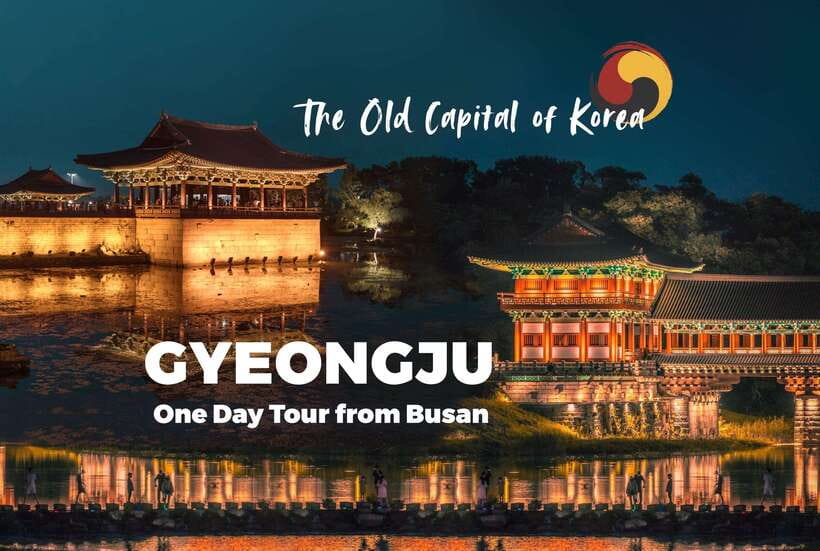
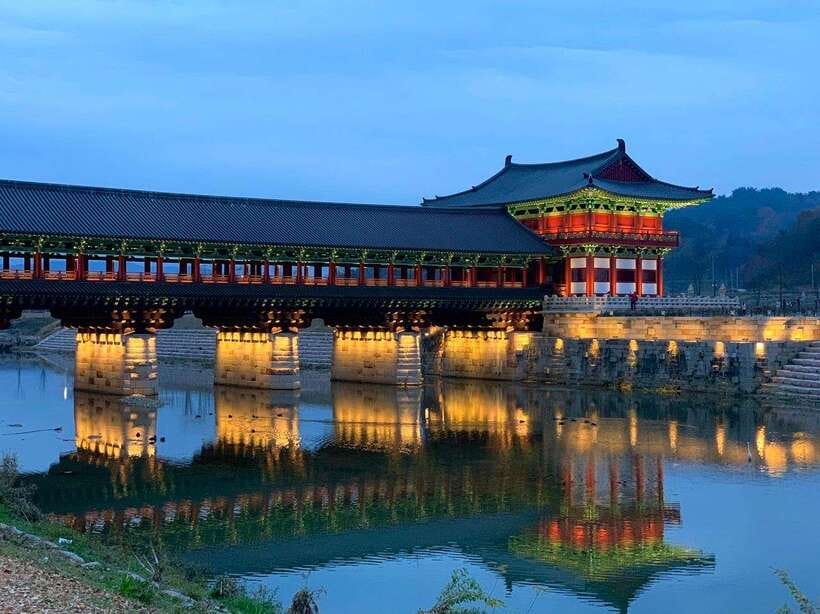
The final major stop is Donggung Palace and Wolji Pond, with about an hour for sightseeing and photographs. This is one of the most visually appealing places on the route. Palace grounds and calm water create a strong finish, especially as the light changes later in the day.
The site was built during the Unified Silla period. Your guide explains the palace’s role and points out how the remains relate to the pond. The reflection of the structures in the water is the detail most likely to stay with you after the long ride home.
The listing calls the pond Anapji Pond as well, so you may see both names used. This stop can be busy, and crowding may affect how much quiet time you get. Still, an hour gives you a fair chance to walk around and take photographs.
The day ends with a return to one of the three Busan drop-off points. One point to watch: a reported tour schedule ran from 11 a.m. to 9:30 p.m., with everyone quite tired by the end. Starting times can vary, so check availability, but prepare for a late return rather than planning a fixed evening activity in Busan.
The guide makes a real difference
The tour includes an English guide, and the supplied details also identify English and Chinese guide service in the inclusions, while the activity information lists English as the language. Confirm the language option when booking if you need Chinese support.
Guide Bada received special praise for being informative, entertaining, and good at keeping the day varied. Another booking included two friendly guides who provided plenty of explanations. That is useful on a route with many historic names and periods, since a clear story can tie the stops together.
One report also noted some wrong turns during the drive. That detail is worth keeping in perspective, but it shows why a shared road trip can be less polished than a private car with a flexible schedule. The tour’s main strength is access and organization, not total control over every minute.
Who should book this Gyeongju day trip?
I would choose this tour if you are staying in Busan and want to see Gyeongju without planning the transport yourself. It suits first-time visitors who want a guided introduction to Silla-era Korea, as well as anyone who prefers a full sightseeing day with admissions and transfers bundled together.
It is a good match for you if you like:
- Seeing several major sites in one day
- Having historical explanations at temples, tombs, and palace ruins
- Using a central Busan pickup rather than arranging separate transport
- Combining famous monuments with Yangdong Village and Hwangridan-gil
- Paying one clear price for transport, entry, and guiding
I would think twice if you dislike long vehicle days, need a wheelchair-accessible route, or want to spend most of your time at one site. Crowds may also reduce the pleasure of the most popular stops, especially at Donggung Palace and Wolji Pond.
You can cancel up to 24 hours before departure for a full refund, and the reserve-now, pay-later option keeps your plans flexible. Those terms help if your Busan schedule is still changing, but they do not change the basic reality: this is a full, active day outdoors.
Should you book it?
Book this tour if convenience matters and you want the main Gyeongju sights in one organized trip. At $60, it is a sensible package for transport, admissions, and an English guide, especially when you value the stories behind the monuments.
Skip it in favor of more independent planning if you want a slower visit, have mobility limits, or would rather give your full attention to one temple or palace site. For most visitors with one free day from Busan, the tour offers a solid first look at Gyeongju, provided you are ready for the long ride and a busy schedule.
FAQ
How long does the Gyeongju tour last?
The tour duration is 10 hours. Starting times vary, so check availability when booking. One reported schedule ran from 11 a.m. until 9:30 p.m.
Where does the tour begin?
You meet at one of three designated locations in Busan. The exact meeting point depends on the option you book.
Where does the tour end?
Drop-off is available at the same three designated Busan locations used for departure: 5575+78, 427Q+GM, and 5356+G3.
Is transportation included?
Yes. Transportation from the designated Busan meeting points is included, using a comfortable and spacious van or bus.
Are attraction admission fees included?
Yes. Entry to the visited attractions is included in the tour price.
Is food included?
No. Food and drinks are not included. The itinerary provides a one-hour break at a local restaurant.
What language is the guided tour in?
The activity information lists a live English-speaking guide. The inclusions also mention English and Chinese tour guide service, so check the language option attached to your booking.
Is the tour suitable for wheelchair users?
No. The tour is not suitable for wheelchair users or people with mobility impairments. Comfortable shoes and sunscreen are recommended, and the tour operates rain or shine.
Just added in Busan
- From Busan: Gyeongju Historical Day Tour with Sky Capsule★ 4.7 · 17 reviews
- Busan: Winter Healing Park and (Gyeongju/Daegu) One Day Tour★ 5.0 · 5 reviews
- Busan’s Best: Sea Temples, Yacht Tour & Sky Capsule Day Tour★ 4.8 · 24 reviews
- Busan: Sky Capsule+ Huinnyeoul+ Gamcheon+ Songdo+ Night View★ 4.9 · 10 reviews
- Busan: Private Chartered Car Tour★ 4.1 · 7 reviews
- Busan: Jagalchi Market & Gamcheon village Walking Tour★ 5.0 · 7 reviews
- Busan: Night Small Group Photo Tour (Max 7)★ 5.0 · 33 reviews
- Busan: Naejangsan National Park Autumn Foliage One Day Tour★ 4.8 · 4 reviews
Gyeongju UNESCO Day Tours, compared.
Gyeongju Guided Day Trip to Three Kingdoms Capital
Read our review →
Gyeongju UNESCO World Heritage Guided Day Tour
Read our review →
Old Korea Thousand History Tour of Gyeongju from Busan
Read our review →
Private Gyeongju Tour – Explore Gyeongju UNESCO Sites
Read our review →
Gyeongju UNESCO Legacy Tour with National Museum
Read our review →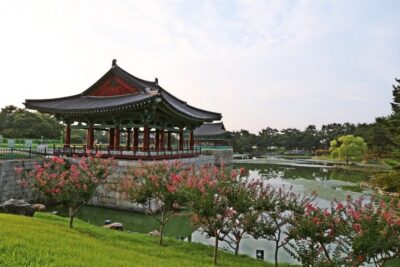
UNESCO Heritage Tour Including Bulguksa Temple
Read our review →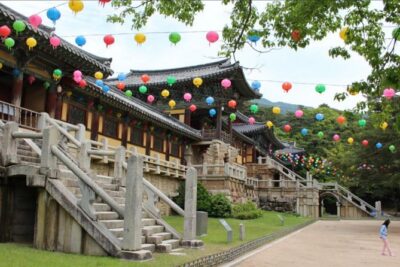
Gyeongju UNESCO World Heritage Sites and History Full-Day Tour with Lunch
Read our review →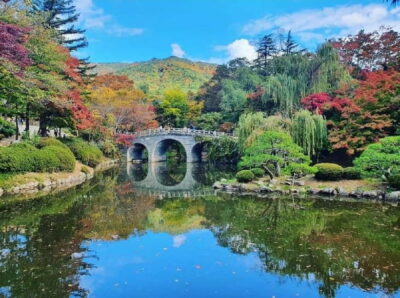
Browse the lists this tour appears in