
Reviewed · WORKSHOPS
Traditional Soju Class and Makgeolli Tasting in Seoul
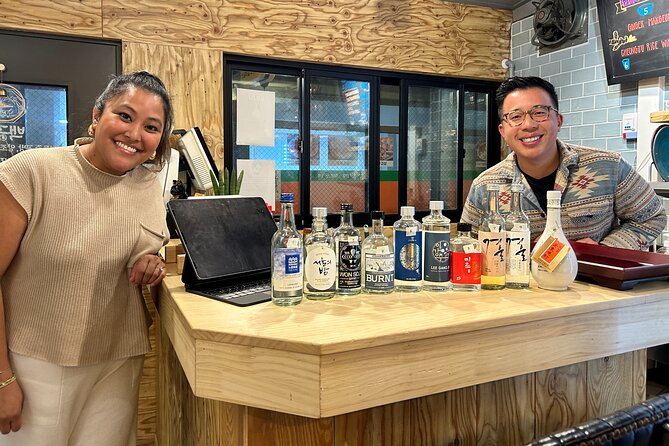
The most interesting part of this Seoul tasting is the chance to meet soju beyond the familiar green bottle. Joe guides you through 10 premium varieties, traditional styles, commercial versions, and simple cocktails, while fresh makgeolli from Baekusaeng Brewery gives you a second Korean drink to compare.
I like two things here: the class is small, capped at 10 people, and the tasting is not limited to sweet fruit soju. I also like the practical setting in a cute brewery space near a market, where Joe explains how Korean alcohol is made and how to tell better bottles from ordinary ones. The main consideration is that 90 minutes goes quickly, and the tasting includes enough alcohol to leave you tipsy, so plan the rest of your day with care.
Key points to know before booking
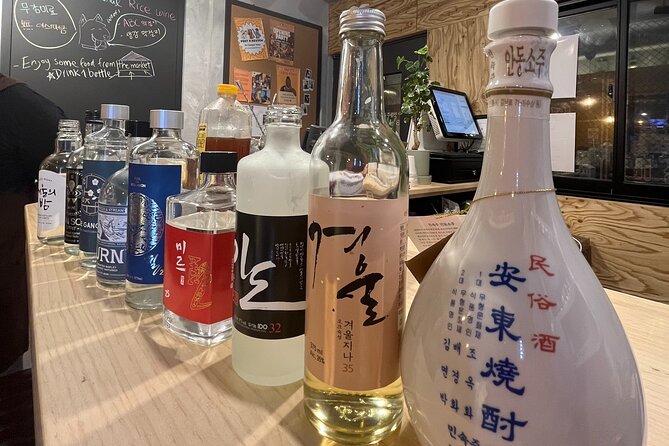
- Ten premium sojus: Compare traditional and commercial bottles in a guided blind tasting.
- Fresh Baekusaeng makgeolli: Taste brewery-made makgeolli and compare it with commercial versions.
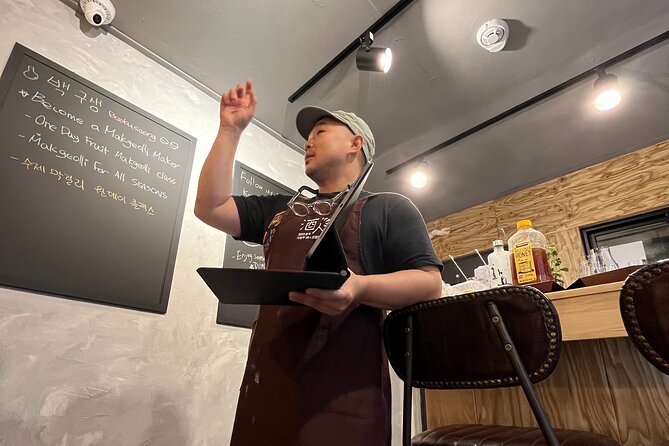
- Joe leads the class: He teaches in English and covers production, history, flavor, and Korean drinking culture.
- Small-group setting: The maximum group size is 10, allowing time for questions and conversation.
- Hands-on variety: Try light snacks, make cocktails, and sample a broad range of Korean alcohol.
- A tucked-away meeting point: Allow extra time to find 346-35 Ahyeon-dong in Mapo-gu.
Why this Seoul tasting is different from a standard soju night
Most first-time visitors meet soju at a restaurant, poured from a familiar green bottle and served cold beside barbecue or fried chicken. That setting is fun, but it tells you little about how much Korean soju can vary.
This class takes a more thoughtful route. You taste premium bottles, traditional soju, commercial versions, and flavored styles side by side. The point is not simply to drink more. It is to notice how aroma, sweetness, texture, strength, and production methods change from one bottle to the next.
Makgeolli adds another useful comparison. This cloudy Korean rice drink has a softer, fuller feel than clear soju, and fresh brewery-made makgeolli can taste quite different from mass-produced bottles. The class begins with premium makgeolli from Baekusaeng Brewery, giving you a clear starting point before the soju tasting begins.
I see this as a good choice for anyone who wants context with their drinks. You leave with a better idea of what to order at a Korean restaurant, what to look for in a bottle shop, and why one soju can cost far more than another.
A few more things to do in Seoul worth a look
- Seoul Street Food Market Tour
★ 5.0 · 1,226 reviews - Seoul: Night Market Food Tour with Local Guide
★ 4.9 · 943 reviews - Downtown Seoul Guided Food & Market Tour with 8+ Local Tastings
★ 5.0 · 580 reviews
Arriving at Baekusaeng Makgeolli in Ahyeon-dong
The class starts at 346-35 Ahyeon-dong, in Seoul’s Mapo-gu. The space is tucked away rather than presented as a large visitor attraction, so give yourself extra time to find it. That small bit of planning matters, especially if you are arriving by public transport and are not used to Seoul’s side streets.
The less polished location works in the experience’s favor. You are visiting a brewery space, not a themed bar built for quick photo stops. The setting is described as cute and intimate, with the class taking place in a small room near a market.
Your mobile ticket is accepted, and booking confirmation is provided at the time of booking. The activity returns to the same meeting point, so you do not need to arrange a separate end location.
The group limit of 10 is one of the strongest practical features. A tasting with 20 or 30 people can turn into a lecture where only the people in front get to ask questions. Here, you have a better chance to speak with Joe, compare notes with the group, and ask about a bottle that catches your attention.
Starting with fresh makgeolli
The first tasting focuses on premium makgeolli from Baekusaeng Brewery. This is a smart way to begin because makgeolli is often less familiar to visitors than soju, yet it offers a broad range of textures and flavors.
Joe explains the difference between commercial makgeolli and traditional methods. That comparison gives you a useful framework: you can think about freshness, production, sweetness, and the feel of the drink rather than treating every cloudy rice wine as the same.
The makgeolli is served with time to taste and discuss it. One useful feature is that you are not rushed through a single sample before moving on. The class allows time to socialize and notice what you like.
If you have never tried makgeolli, this is a friendly introduction. If you already drink it, the brewery-made version may help you understand why freshness and production style matter. One caution: the class is a tasting and teaching session, not a makgeolli-making workshop. A separate makgeolli-making class is available from the same provider, but it is not part of this 90-minute activity.
Comparing 10 premium sojus by taste
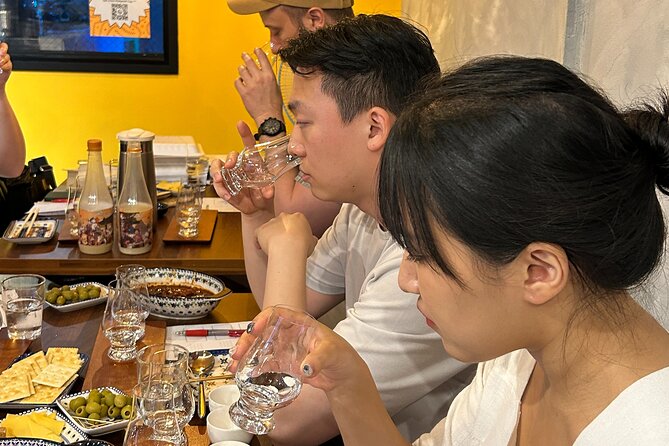
After makgeolli, the focus shifts to soju. The class uses a blind-tasting format, which is useful because labels and expectations can strongly shape your first reaction. Without knowing every bottle in advance, you can judge the aroma and flavor in the glass.
You taste 10 premium sojus with light snacks. The range includes traditional soju, commercial versions, and more familiar flavored styles. This is where the class moves past the idea that soju is simply a neutral, inexpensive shot.
Traditional soju has a different character from the mass-produced green-bottle versions that many visitors know. The class explains the production differences and gives you a chance to taste them rather than accepting a general description.
The tasting also helps you identify your own preferences. You may prefer a clean, mild bottle. You might like a stronger traditional style with more character. Or you may decide that a sweet flavored soju is still your favorite, but now you will understand how it differs from the older styles.
Joe’s teaching is central here. He covers the background of Korean alcohol, explains the types being poured, and connects the drinks to Korean food and drinking customs. His English is described as fluent, which is important for a class that depends on small differences in taste and production.
Same base, a different kind of day out:
- Best DMZ Tour Korea from Seoul (Red Suspension Bridge Optional)
★ 5.0 · 41,422 reviews - DMZ Tour: 3rd Tunnel, Option(Suspension Bridge, Boat) from Seoul
★ 5.0 · 21,373 reviews - DMZ tour south Korea from Seoul (NK experience hall, defector)
★ 5.0 · 20,599 reviews - Seoul: DMZ Tour with Optional Suspension Bridge
★ 4.8 · 5,277 reviews
Cocktails, snacks, and a friendly pace
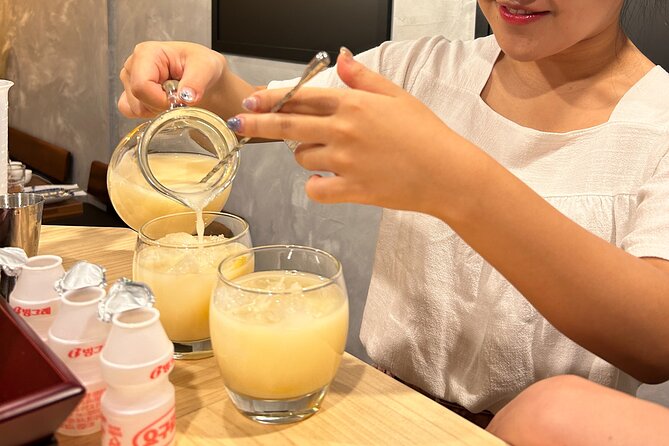
This is not a formal lecture with a few drops of alcohol in the bottom of each glass. The format includes light snacks, multiple tastings, and cocktails made during the session.
The snacks matter because they give your palate a break and show how the drinks work with food. Korean alcohol is often enjoyed alongside shared dishes, so tasting with something to eat feels more useful than trying every sample on an empty stomach.
The cocktail element keeps the class relaxed. It also shows that soju is not limited to shots or simple pours. If you are new to the drink, cocktails can provide an easy entry point before you try more traditional varieties on their own.
You should still treat the event as a substantial drinking session. The combination of 10 sojus, makgeolli, and cocktails can add up quickly, even with snacks. Eat beforehand or use the food provided, drink at a sensible pace, and avoid planning a demanding activity right afterward.
What Joe adds to the experience
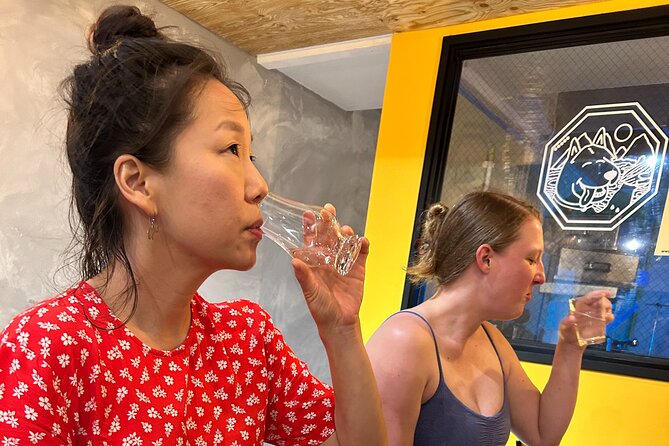
The class depends heavily on its host, and Joe appears to be the main reason the session works so well. He explains the drinks clearly, keeps the mood personable, and gives the tasting a sense of direction without making it stiff.
His role is more than pouring samples. He explains Korean alcohol from several angles: how it is made, how commercial and traditional products differ, how the drinks fit into Korean culture, and how you can judge quality when shopping or ordering.
That practical focus is valuable. A tasting can be entertaining for an hour and forgotten the next day. Joe’s comparisons give you information you can use during the rest of your time in Korea. You may find yourself checking the label on a restaurant bottle, comparing makgeolli at a market, or recognizing why a premium soju costs more.
The intimate room also helps. In a small group, the experience can feel like a guided conversation rather than a presentation. You have time to ask about flavors, production, and the bottles you may want to buy later.
Is $66.97 a fair price?
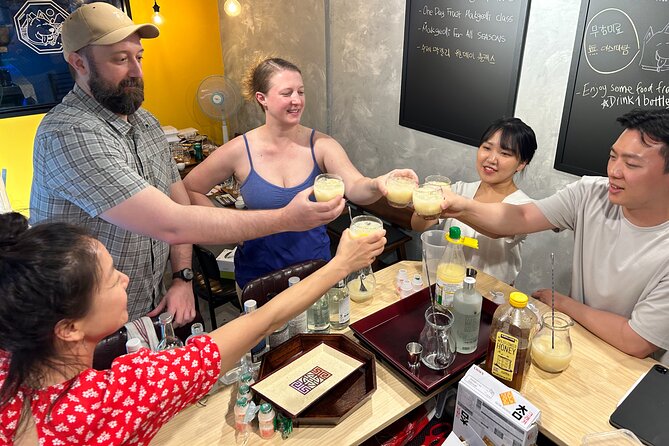
At $66.97 per person, this is not a bargain if you judge it as a simple drink purchase. You could buy a bottle of soju and makgeolli in Seoul for far less.
That is not the right comparison. The price covers a guided tasting, 10 premium sojus, fresh brewery makgeolli, light snacks, cocktails, and instruction in a small group. You are paying for access to a range of bottles that would be costly and inconvenient to sample on your own.
The value is strongest for first-time visitors who want a clear introduction to Korean alcohol. You get a useful vocabulary, an idea of what styles exist, and a better sense of what you enjoy. It can also save you from buying several bottles at random and discovering that they are all similar or too sweet for your taste.
The value is less obvious if you already know Korean alcohol well or simply want a casual night out. This is an educational tasting with plenty of alcohol, not a free-flowing party or a full meal.
Who should book this class
I would recommend it to food-focused visitors, couples, small groups of friends, and anyone curious about Korean drinking culture. It is also a good first-day or early-trip activity if you want to understand what you are seeing on restaurant menus.
You do not need previous knowledge. Several people who had never tried makgeolli or soju found the class accessible, and the tasting format lets you learn by comparing rather than memorizing technical terms.
It suits solo visitors too, since the group is small and the tasting naturally creates conversation. The experience is conducted in English, making it practical for international visitors who want more than a quick explanation from a restaurant server.
I would be more cautious about booking it for someone who does not drink alcohol, dislikes group activities, or wants to make makgeolli from scratch. The focus is tasting and teaching. It does not include the full brewing process.
Service animals are allowed, the activity is near public transportation, and most people can participate. The available information does not give a specific accessibility assessment for the room, so contact the provider if you have mobility needs that require detailed advice.
Timing, cancellation, and planning advice
The activity lasts about 1 hour and 30 minutes. That is enough time for a focused introduction, but not enough for a slow meal or a long brewery tour. Plan to arrive early because the meeting point can be easy to miss.
The activity ends back at the starting point. Since the tasting includes several alcoholic drinks, avoid driving and be careful about scheduling another alcohol-based event immediately afterward.
You can cancel for a full refund if you do so at least 24 hours before the local start time. Cancellations or changes made within 24 hours are not refunded or accepted. The class also requires a minimum number of participants, so if the provider cancels because that number is not reached, you are offered another date or experience, or a full refund.
Should you book the traditional soju and makgeolli class?
Book it if you want to understand Korean alcohol instead of simply consuming it. The combination of fresh Baekusaeng makgeolli, 10 premium sojus, traditional and commercial comparisons, cocktails, and Joe’s clear instruction gives you far more range than a standard restaurant order.
The strongest reasons to go are the small group size, the broad tasting, and the practical explanations you can use later in Seoul. The main drawbacks are the price, the tucked-away meeting point, and the amount of alcohol packed into 90 minutes.
For a first visit to Korea, this is a worthwhile cultural food experience, especially if you like trying unfamiliar flavors. Plan your route carefully, arrive ready to taste, and leave room in your schedule to take it easy afterward.
FAQ
How long does the soju and makgeolli class last?
The activity lasts approximately 1 hour and 30 minutes.
Where does the class meet?
It starts at 346-35 Ahyeon-dong, Mapo-gu, Seoul, South Korea, and ends back at the same meeting point.
How many people can join the class?
The maximum group size is 10 travelers.
How many sojus will I taste?
The class includes a blind tasting of 10 premium sojus, along with traditional, commercial, and flavored styles.
Is makgeolli included?
Yes. You taste fresh makgeolli from Baekusaeng Brewery and learn how premium or traditional versions differ from commercial varieties.
Is the activity suitable for people who have never tried Korean alcohol?
Yes. The class introduces both soju and makgeolli, explains the production methods and cultural background, and gives you a range of styles to compare.
What is the cancellation policy?
You can cancel at least 24 hours before the start time for a full refund. Cancellations or changes made less than 24 hours before the start time are not refunded or accepted.
Just added in Seoul
- Your Personal Seoul Photographer!★ 4.1 · 15 reviews
- You’re Invited to Our Home in Seoul: The Only Cooking Class!★ 5.0 · 8 reviews
- From Seoul: Yongpyong Ski Day Tour with Transportation★ 4.9 · 40 reviews
- Seoul: Korean & English Language Exchange Global Party★ 5.0 · 28 reviews
- From Seoul: Hwacheon Ice Fishing and Lighting Festival Tour★ 4.5 · 4 reviews
- Unique Native Experience : Han River Picnic, Board game, BBQ★ 5.0 · 3 reviews
- Seoul: Gangneung BTS K-Pop & K-Drama Filming Locations Tour★ 4.6 · 14 reviews
- K-Pop Making Class with a Producer!★ 5.0 · 3 reviews
Workshops, compared.
Local Home Korean Cooking Class & Market Adventure in Seoul
Read our review →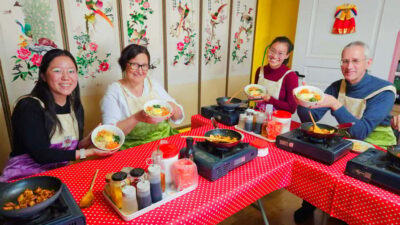
Korean Cooking Class at a Local Home and Market Tour
Read our review →
Yongpyong Ski Resort from Seoul with Optional Lesson and Packages
Read our review →
Korean Cooking Class with Grocery Shopping at Seoul Local Market
Read our review →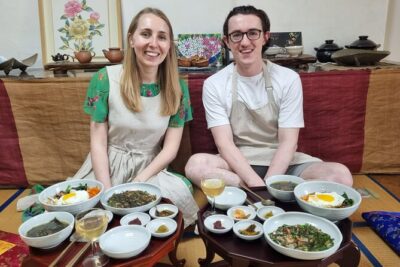
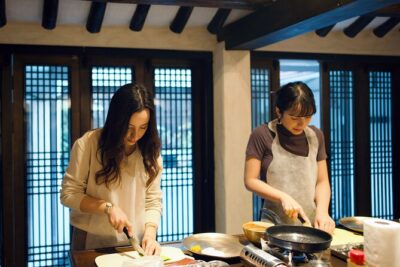
Royal Seoul Cooking Class in a 100-Year-Old Hanok
Read our review →
Busan Tailored Korean cooking class (Vegan OK)with market tour
Read our review →
Taste of Korea, Authentic Home-Style Cooking Class
Read our review →Browse the lists this tour appears in